
In the global landscape of tea culture, China remains the undisputed core. However, in the 2026 global trade environment, knowing that tea is produced in China is no longer enough. With the comprehensive upgrade of healthy consumption concepts and the increasingly stringent compliance requirements of the European Union (EU), how can one precisely identify strategic partners possessing transparency, traceability, and high-standard execution from thousands of supply channels?
Within complex supply systems, truly reliable tea is often hidden between mist-shrouded mountains and rigorous modern workshops. Screening tea partners is no longer a simple price game; it is a contest of standard alignment and deep supply chain integration.
I. Identifying Genuine Tea Producers: Rooted at the Source
Excellent tea producers are typically the “guardians of the mountains.” They own their tea gardens and maintain full control over the initial processing.
1. Strategic Selection of Four Core Regions
- Fujian (White Tea/Oolong Center): The premier choice for Silver Needle (Baihao Yinzhen), Da Hong Pao, or Tie Guanyin. Its core advantage lies in the ultimate preservation of traditional withering and roasting techniques.
- Zhejiang/Anhui (Green Tea Highlands): Home to Longjing and Huangshan Maofeng. These regions represent China’s most advanced digital green tea production lines, ensuring flavor consistency in large-scale output.
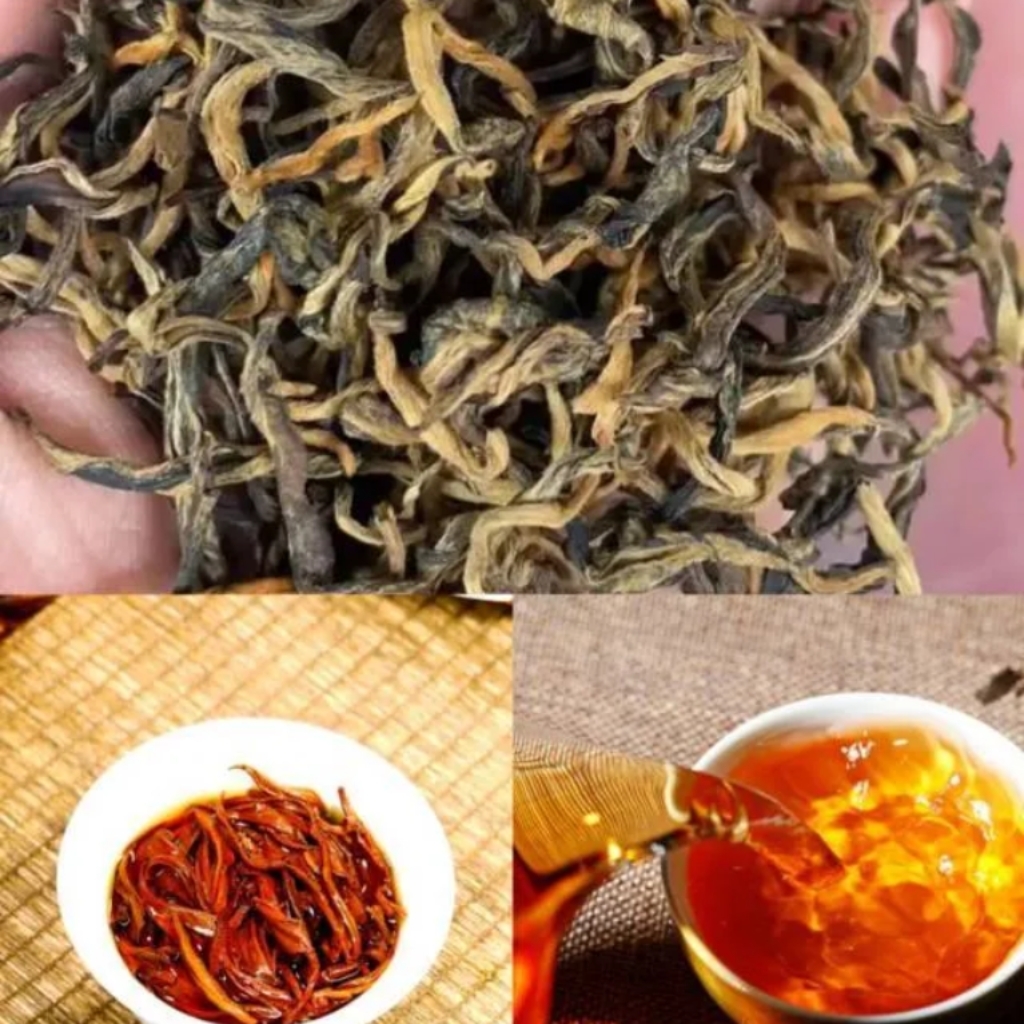
- Yunnan (Pu-erh/Dianhong Base): As the birthplace of the world’s tea trees, Yunnan possesses irreplaceable natural endowments. Its competitiveness lies in high-altitude, low-latitude large-leaf tea trees. These leaves naturally contain higher levels of polyphenols and caffeine, giving Pu-erh and Dianhong (Yunnan Black Tea) powerful taste impact and deep “Hou Yun” (throat resonance). If your clientele prefers deep, aged aromas or high-intensity flavors, Yunnan producers are the only source.
2. The Compliance Red Line: Transparency is the Lifeline
Qualified producers must provide complete records of the entire chain—from picking and initial processing to warehousing. In 2026, possessing EU Organic or Fair Trade certifications has become the mandatory entry pass for high-end markets.
II. Targeting Reliable Tea Manufacturers: Crossing the Compliance Threshold
Manufacturers are responsible for deep processing, blending, and finished packaging. In high-standard markets like Europe, a manufacturer’s ability to convert raw tea into compliant products is its core competitiveness.
1. Rigorous Laboratory Quality Control (QC)
In response to the latest pesticide Maximum Residue Limits (MRLs), such as EU Regulation 2020/1085, premium manufacturers must possess:
- Source Biological Control: Minimizing chemical intervention at the plantation level.
- Batch Testing Mechanisms: Proactively providing third-party European-standard test reports covering pesticide residues and heavy metals for every batch.
2. Modern Craftsmanship and Customization (OEM/ODM)
- Flavor Stability Control: Utilizing advanced fixation (Shaqing) and low-temperature drying technologies to ensure tea retains its freshness after a month of sea transit.
- Deep Customization: Leading tea manufacturers (such as YMTEA) can precisely adjust blending ratios based on the needs of European brands to meet personalized customer requirements.
3. Supply Chain Resilience: The “Freshness” Barrier in Transoceanic Transport
Tea is a sensitive commodity that easily absorbs odors and moisture. During weeks of sea freight or China-Europe Railway Express transit, a manufacturer’s physical protection capabilities are vital:
- Technical Barriers: Employing advanced vacuum nitrogen flushing or aluminum foil sealing technologies to block oxygen and moisture.
- Professional Warehousing & Logistics: Inspecting whether the manufacturer has professional export warehouses with constant temperature and humidity. For long-distance transport, top suppliers develop specialized packaging solutions, such as reinforced moisture-proof layers and palletized shipping, to mitigate the risk of mold caused by “container sweat.”
III. The “Translator” Model: The Case of YMTEA
In the 2026 market, dealing directly with isolated factories often results in information gaps and communication hurdles. The Integrated Service Provider model is becoming the mainstream.
- Integration Advantage: Partners like YMTEA are not just manufacturers with production capacity; they act as “translators” connecting China’s remote tea mountains with strict European standards.
- Efficiency Gains: Buyers can interface with multiple high-quality specialized producers through a single window, eliminating the need for individual site visits and drastically reducing hidden costs caused by fragmented communication.
- Value Proposition: A stable supply chain partner ensures that the delivered tea taste remains consistent across different seasons and climates. In the tea trade, stability is far more commercially valuable than temporary low prices.
Trust is Quality
In China’s tea export trade, compliance is the foundation for survival, while customization is the weapon for competition. When screening suppliers, ensure they possess:
- EU-recognized certification systems (Organic, Rainforest Alliance, ISO22000).
- Full-link traceability (From Bush to Cup).
- Deep experience in international trade compliance.
Choosing a partner who understands the European market and the logic of compliance is the key to ensuring every leaf that crosses the ocean delivers on its promise of high quality.
FAQ
Q1: What tests must tea exported from China to Europe pass? A1: These primarily include pesticide residue tests (compliant with EU MRL standards), heavy metal tests (e.g., lead, cadmium), and microbial indicators. It is recommended to choose suppliers like YMTEA that can provide complete third-party laboratory reports (e.g., Eurofins or SGS).
Q2: How can I distinguish between a trading company and a genuine tea manufacturer? A2: Check the scope of business on their business license and whether they possess a physical production permit (SC Certification). True tea producers usually have video footage or real-time monitoring records of their own tea garden bases.
Q3: Can I request samples from the tea producer? A3: Certainly. Any legitimate tea manufacturer will encourage buyers to test samples first. By comparing the aroma, liquor color, and infused leaves, you can intuitively judge their manufacturing standards.
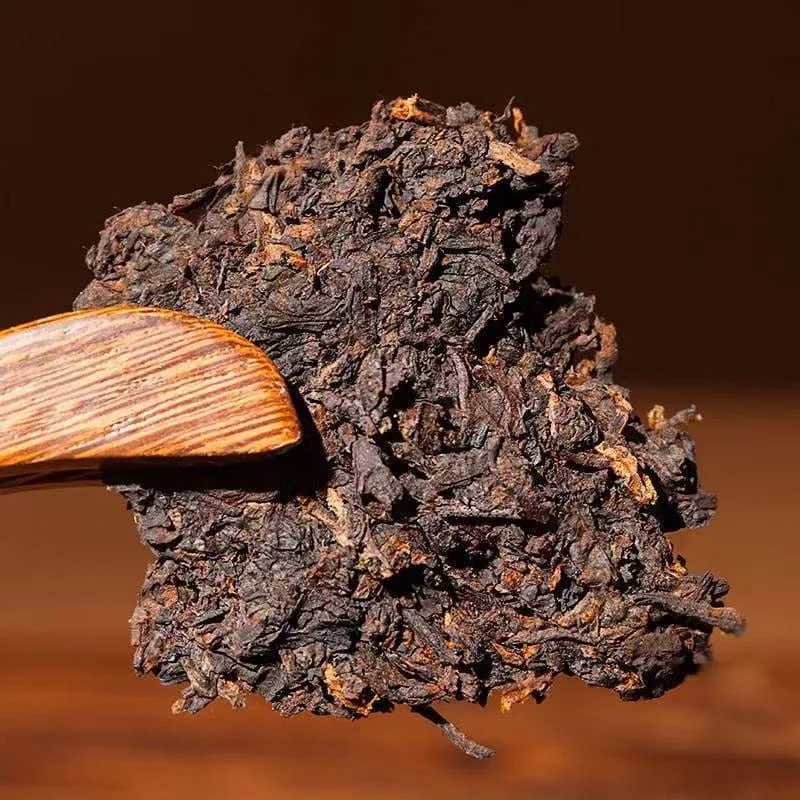
AYM Pu'er
Black Tea Puerh Tea is harvested directly from the source, supplied directly fro the tea plant to Europe, simple, easy to store and easier to brew.Coffee lovers will love YM’s tea!