For decades, Europe’s specialty beverage market has been dominated by fine wines, single malt whiskies, and pour-over coffees. However, a subtle shift emphasizing introspection and wellness is quietly emerging in health circles across London, Berlin, and Paris.
Amidst this wave, Pu-erh tea from the East carries a wonderful sense of “contrast”: on the one hand, it is viewed as a warming, health-nurturing “light-body and slimming tea”; on the other hand, first-time tasters facing its unique fermentation process inevitably harbor concerns regarding hygiene and safety.
As a professional tea manufacturer deeply rooted in the industry for years, YMTEA knows well that for a fine leaf to truly integrate into mainstream European households, it requires not only the passage of time, but also modern, transparent standards to shatter prejudices.
I. Dispelling Doubts: Rigorous Modern Science and EU Standards
To outsiders, the “piled fermentation” (Wo Dui) process sounds novel, but it can also easily raise hygiene concerns. How can a dark fermented tea, after undergoing microbial action, still be safe for daily consumption?
YMTEA has completely disrupted traditional workshop-style production, perfectly blending centuries-old craftsmanship with modern food engineering:
- Aseptic Intelligent Control: From fresh leaf harvesting to the monitoring of temperature and humidity during fermentation, every step is completed in a clean, standardized environment, ensuring that only beneficial natural flora thrive.
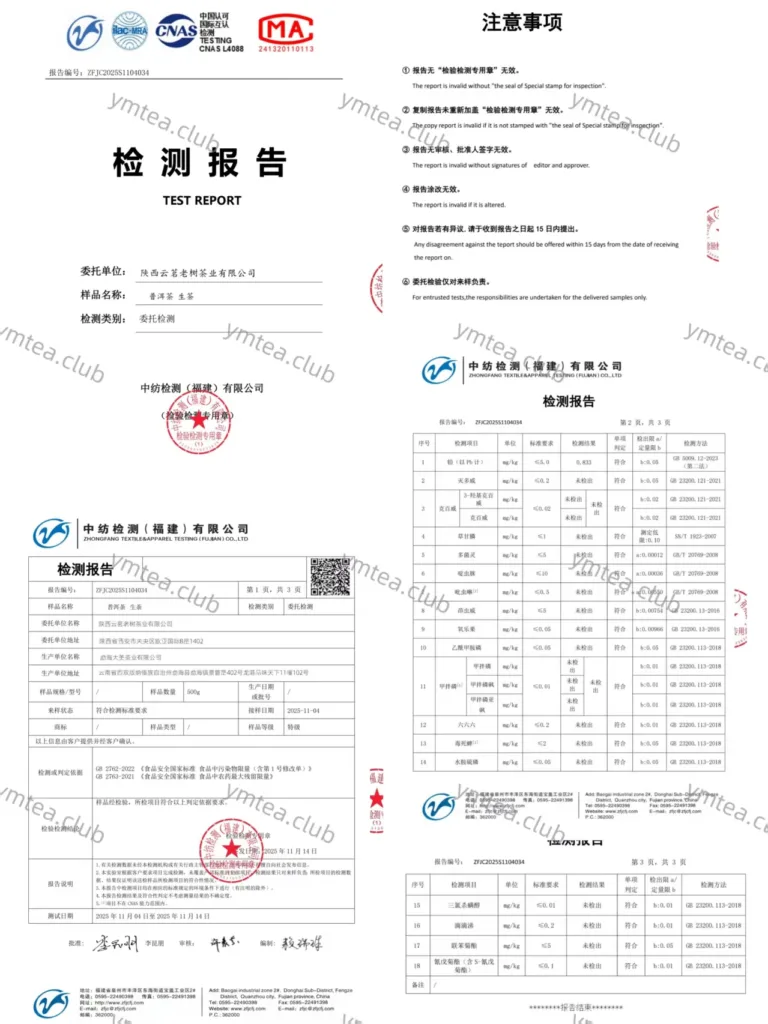
- EU Standards: Every batch of product undergoes multi-parameter microbial testing, provides a mold-free (aflatoxin-free) report, and holds official EU Organic Certification, using visible modern technology to safeguard the purity of every tea leaf.
II. Gut Health: A “Gut-Friendly Tea” Aligned with European Dietary Trends
In recent years, the European health sector’s attention toward the “Gut Microbiome” has surged to unprecedented heights. From kombucha to kefir, consumers have constantly sought functional foods that maintain digestive balance. Aged ripened Pu-erh (Shou Pu-erh) is naturally a health tea that is “gut-friendly.”
- Natural De-greasing and Stomach Warming: Facing the meats, cheese, and butter commonly found in European diets, a warm cup of ripened Pu-erh is rich in bioactive components and probiotic fermentation products, offering exceptional de-greasing and stomach-warming benefits.
- Warm Balance: Unlike ice-cold carbonated beverages, a carefully brewed cup of YMTEA ripened Pu-erh delivers gentle, caffeine-anxiety-free vitality that seamlessly integrates into your daily wellness lifestyle.
III. The Antiques You Can Drink: The Collecting Art of Time
European culture deeply reveres things that are sublimated by time—such as aged Bordeaux wines or decades-old whiskies. Interestingly, raw Pu-erh (Sheng Pu-erh) and aged ripened Pu-erh share the exact same philosophy: “better with age.”
A tightly compressed cake of Pu-erh tea is much more than just a beverage. As time flows, its flavor evolves from bright floral notes in its youth to deep, woody layers with honeyed undertones. For European collectors or those seeking high-end corporate gifts, a piece of premium YMTEA Pu-erh cake aged through time not only carries craftsmanship, but is also a piece of art to be savored.
Begin Your Pu-erh Journey
From initial doubt to deep infatuation, Pu-erh tea’s breakthrough journey in Europe stands as a testament to the fusion of Eastern tea-making craftsmanship and rigorous international standards. Whether you are a health enthusiast pursuing gut health or a seasoned collector captivated by the flavors of time, a great tea is quietly waiting for you.
Explore the carefully curated product collection by YMTEA. Here, strict European food safety standards and authentic Chinese tea-making craftsmanship blend to perfection—brew yourself a cup, embrace this sense of ritual, and savor the art of time.
Frequently Asked Questions (FAQ)
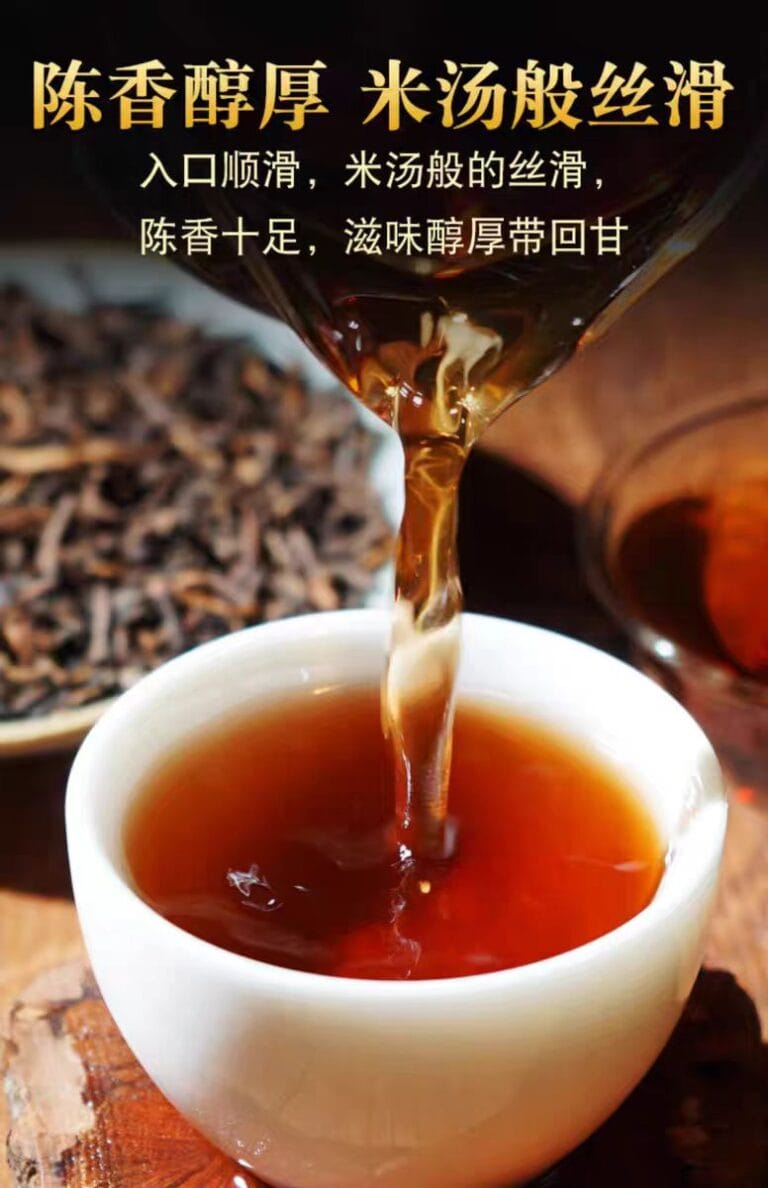
Q1: What are the common types of Pu-erh tea consumed by European consumers, and what is the difference between them? A: They are mainly divided into raw tea (Sheng) and ripened tea (Shou). Raw tea undergoes no artificial accelerated fermentation; it features strong tea energy, a rapid sweet aftertaste (Hui Gan) following the bitterness, and is suited for long-term storage and collection. Ripened tea undergoes the “Wo Dui” fermentation process, resulting in a gentle tea nature, a red-and-rich soup color, and a mellow taste. It enters the palate with a unique aged aroma, is ready to drink immediately, and is very friendly to the stomach and daily de-greasing.
Q2: How can I confirm that the Pu-erh tea I purchased complies with EU food safety standards? A: Premium Pu-erh tea officially exported to Europe must feature a comprehensive quality traceability system. You can check whether the product holds EU Organic Certification and a mold-free (aflatoxin-free) test report issued by a third-party laboratory. As a source manufacturer, every batch of our products is strictly tested against EU food safety regulations in full.
Q3: For a first-time Pu-erh taster, should I choose raw Pu-erh or ripened Pu-erh? A: If you have a sensitive stomach, pursue a warming mouthfeel, and seek daily wellness (such as fat reduction and de-greasing), we recommend starting with the mellow-tasting ripened Pu-erh. If you enjoy a crisp stimulation similar to high-mountain oolong or green tea and are interested in the tea’s post-fermentation aging (transformation), you can try raw Pu-erh.
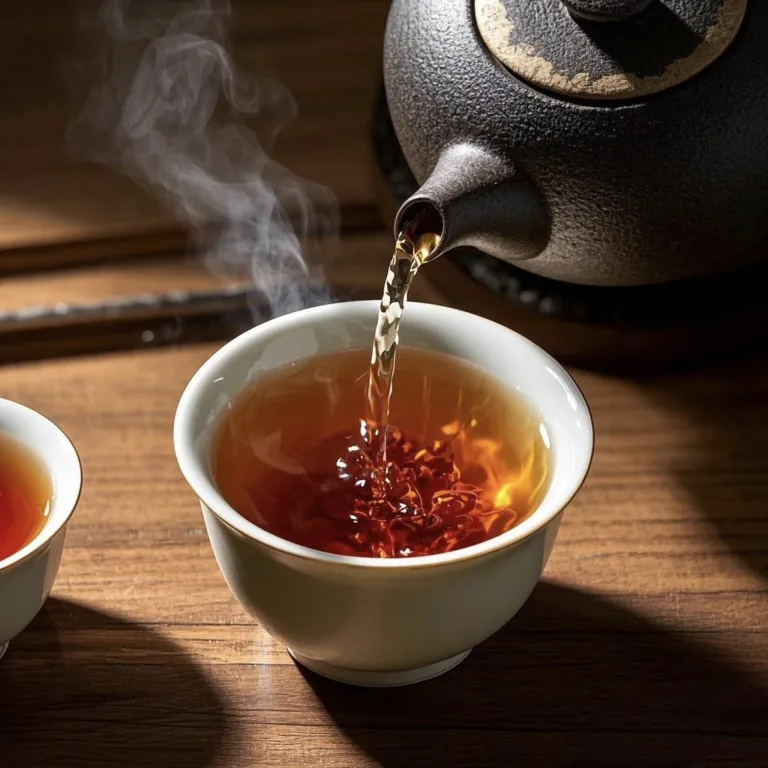
Q4: How should I brew Pu-erh tea for the first time to achieve the best taste? A: It is recommended to use boiling water at 95°C or above. If brewing tea cakes, you can perform an initial warming rinse (awakening the tea for 10-15 seconds) and discard the first steep to wake up the leaves. Subsequent steeping times can be controlled between 15-30 seconds, and adjusted for strength according to personal preference.
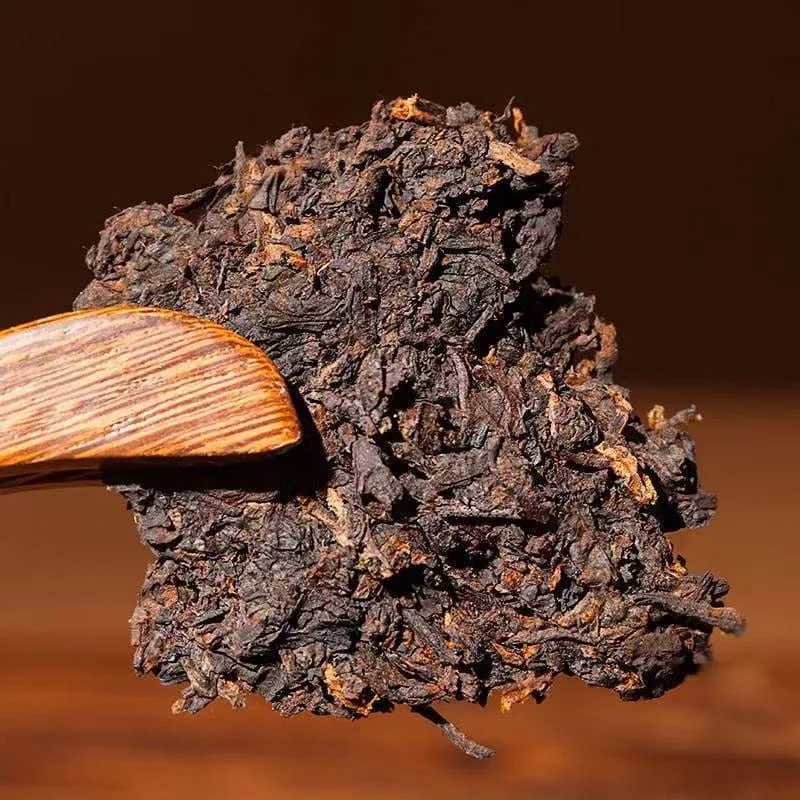
AYM Pu'er
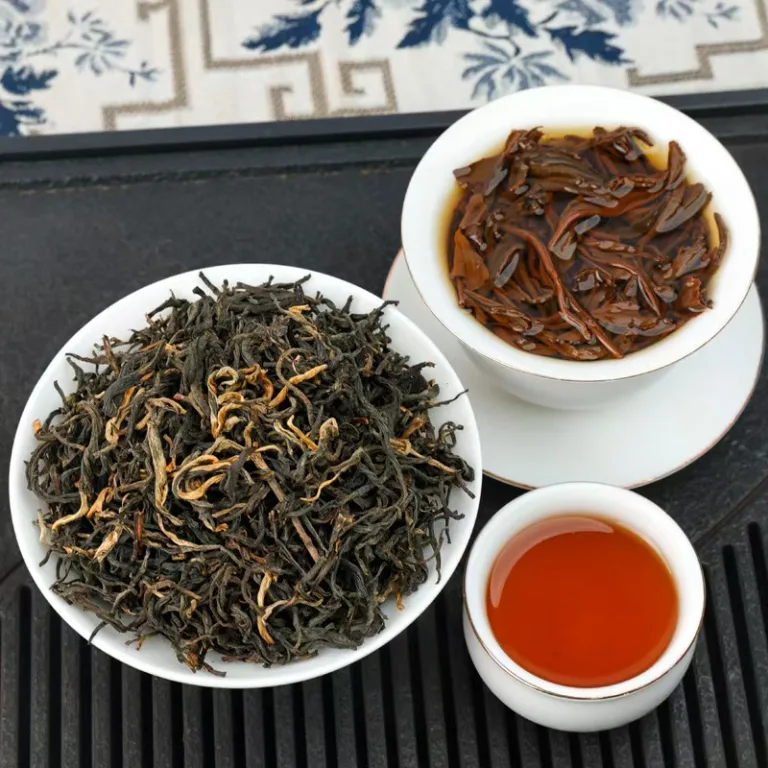
Black Tea Puerh Tea is harvested directly from the source, supplied directly from the tea plant to Europe, simple, easy to store and easier to brew.Coffee lovers will love YM’s tea!