
For European tea importers, wholesalers, and private-label brands, sourcing Chinese tea is about much more than finding attractive prices or distinctive flavours. A successful purchasing decision depends on several factors: consistent product quality, food safety compliance, reliable production capacity, transparent sourcing, and dependable international logistics.
China, particularly Yunnan, offers a diverse range of teas with strong commercial potential. However, the distance between the production origin and European markets can make supplier evaluation more complicated. Buyers need to know not only what a supplier sells, but also how the tea is produced, tested, stored, and delivered.
For businesses considering bulk Yunnan tea or expanding their loose-leaf tea wholesale Europe portfolio, a structured supplier evaluation process can significantly reduce purchasing risks.
This guide explores the key considerations European buyers should examine before choosing a Chinese tea supplier, with practical advice for building a more secure and profitable sourcing relationship.
1. Start with the Source: Why Yunnan Tea Deserves a Place in European Wholesale Portfolios
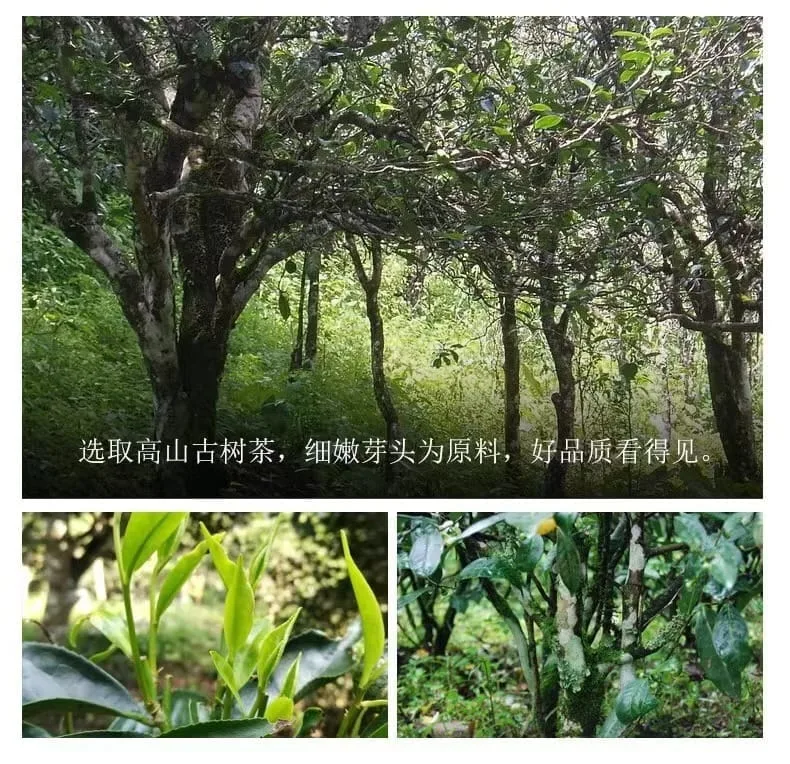
Yunnan is one of China’s most distinctive tea-producing regions, particularly known for Pu-erh tea and Yunnan black tea (Dianhong).
Its geographical diversity, tea-growing traditions, and different processing methods provide buyers with opportunities to develop differentiated product ranges.
For European wholesalers, these categories offer several commercial possibilities:
- Raw Pu-erh (Sheng Pu-erh): Suitable for specialist tea retailers and businesses targeting customers interested in traditional Chinese tea and ageing potential.
- Ripe Pu-erh (Shou Pu-erh): Its characteristic mellow profile makes it an interesting option for tea shops and brands introducing fermented Chinese tea to European consumers.
- Yunnan Black Tea: Its malty, sweet, and sometimes honey-like flavour profile offers opportunities for both loose-leaf retail and premium tea blends.
However, sourcing from a famous tea-producing region does not automatically guarantee consistent quality.
A professional buyer should examine the actual origin, harvest information, raw material specifications, processing methods, and batch consistency rather than relying solely on geographical marketing claims.
For businesses purchasing bulk Yunnan tea, requesting representative samples from different batches is a practical first step before committing to larger orders.
2. How to Evaluate a Reliable Pu Erh Tea Supplier
Choosing a reliable pu erh tea supplier requires more than comparing quotations. Buyers should assess at least four important areas.
A. Product Origin and Manufacturing Capabilities
A dependable supplier should be able to explain where the tea comes from and how it is processed.
For Pu-erh, buyers should distinguish between raw and ripe products, understand the production year, and ask about the relevant fermentation or ageing processes.
For ripe Pu-erh, particular attention should be given to pile-fermentation management, processing hygiene, moisture control, and subsequent storage conditions.
Buyers should also ask whether the supplier has its own tea gardens, manufacturing facilities, or established sourcing relationships.
A supplier with greater control over the upstream supply chain may offer better communication, sourcing flexibility, and production coordination.
B. Food Safety and Quality Documentation
Food safety is one of the most important considerations when importing tea into Europe.
Before placing an order, European buyers should request relevant documentation, including:
- Pesticide residue testing reports.
- Heavy metal testing results where applicable.
- Product specifications and ingredient information.
- Batch identification and traceability records.
- Relevant food safety management documentation.
Independent laboratory testing can provide additional confidence. Buyers may consider internationally recognised testing providers such as SGS or Eurofins, depending on their requirements.
It is also important to distinguish between different certifications.
EU Organic certification applies only to products and operators covered by the relevant certification scope. HACCP and ISO 22000 relate to food safety management, while Fairtrade concerns trading standards and social responsibility rather than directly proving product safety.
A professional pu erh tea supplier should be able to explain which documents are available, which products they cover, and whether they meet the importer’s target-market requirements.
C. Consistency Between Samples and Bulk Orders
A sample may taste excellent, but the real purchasing challenge is maintaining that quality across commercial quantities.
Buyers should compare the sample with subsequent production batches in terms of:
- Dry leaf appearance and aroma.
- Liquor colour and clarity.
- Taste, mouthfeel, and aftertaste.
- Moisture and storage conditions.
- Packaging and labelling specifications.
Establishing agreed product specifications before ordering helps both parties maintain consistent expectations.
D. Storage and Traceability
Tea is sensitive to its storage environment, and Pu-erh requires particular attention to humidity, ventilation, odours, and temperature.
Buyers should ask how finished products are stored, how different batches are identified, and how long-term storage conditions are monitored.
These details are especially important for businesses purchasing aged or ripe Pu-erh for premium retail markets.

3. Understanding the Real Cost of Pu-erh Wholesale Europe
For businesses entering pu erh wholesale europe, the lowest factory quotation does not necessarily represent the best purchasing decision.
The real cost of importing tea includes several components:
| Cost factor | What buyers should check |
|---|---|
| Product price | Grade, origin, harvest, and processing |
| Sampling | Sample cost and international delivery |
| Testing | Required laboratory analysis |
| Packaging | Bulk cartons, retail packaging, or private label |
| Freight | Air, sea, or express delivery |
| Import compliance | Documentation, customs, and applicable duties |
| Inventory | Storage, lead time, and stock turnover |
A supplier offering a lower unit price may create additional expenses through inconsistent quality, unsuitable packaging, delayed shipments, or repeated testing.
European buyers should therefore compare suppliers using the total landed cost rather than the quotation alone.
For smaller businesses, sample orders and manageable initial quantities can help test market demand before expanding purchasing volumes.
For established wholesalers, stable supply, predictable lead times, and flexible product specifications may be more valuable than a small difference in the initial purchase price.
European tea importers and wholesalers looking for a dependable Chinese tea source can explore YMTEA’s wholesale loose-leaf tea range.
YMTEA is a Yunnan-based tea producer and exporter with approximately 650 hectares of tea gardens, annual production of around 120 metric tons, and annual exports of approximately 40 metric tons.
Its main product categories include raw Pu-erh, ripe Pu-erh, and Yunnan black tea.
For bulk purchasing enquiries, buyers can contact YMTEA at ymg@ymtea.club to discuss product specifications, available samples, and wholesale requirements.
4. Logistics and Communication: The Often-Overlooked Parts of Supplier Selection
Even high-quality tea can become a difficult purchasing experience if communication and logistics are unreliable.
European buyers should evaluate whether a supplier can provide clear quotations, accurate product information, export documentation, and realistic delivery schedules.
Several questions are worth asking before confirming an order:
- Can the supplier arrange international shipping by air, sea, or express courier?
- Can it provide the necessary commercial and product documentation?
- Are packaging specifications suitable for long-distance transportation?
- Can the supplier provide updates on production and shipment progress?
- Is there a clear process for handling quality discrepancies?
For businesses engaged in loose leaf tea wholesale Europe, these details directly affect inventory planning and customer satisfaction.
A supplier that understands both tea production and international trade can help reduce unnecessary communication costs and improve purchasing efficiency.

5. Why Direct Sourcing Can Improve Long-Term Purchasing Efficiency
Working directly with an origin-based manufacturer can give European buyers a clearer understanding of product costs, production arrangements, and sourcing possibilities.
Rather than relying entirely on multiple intermediaries, buyers can communicate more directly with the production side.
YMTEA provides access to Yunnan-origin tea categories, including raw Pu-erh, ripe Pu-erh, and black tea, with customization possibilities based on individual project requirements.
Its own single-serve tea product line also creates additional opportunities for businesses interested in developing portable tea products or differentiated retail offerings.
For European private-label brands, this can be particularly useful when exploring customized product formats alongside traditional loose-leaf tea.
The key is to find a supplier that understands the buyer’s commercial objectives, rather than simply selling available stock.
For European tea brands, importers, and specialty retailers planning to expand their Chinese tea collections, YMTEA offers an opportunity to discuss origin-based sourcing and customized product development.
Buyers can share their target tea categories, preferred packaging formats, estimated purchasing volumes, and market requirements to explore suitable cooperation options.
Contact: ymg@ymtea.club
6. A Practical Checklist Before Choosing a Chinese Tea Supplier
Before confirming a long-term purchasing relationship, European buyers can use the following checklist:
- Origin: Can the supplier clearly explain the tea’s geographical origin and production background?
- Quality: Are product specifications and samples available for evaluation?
- Safety: Can the supplier provide relevant testing reports and compliance documentation?
- Consistency: Can product quality be maintained across different production batches?
- Traceability: Are batch identification and production records available?
- Logistics: Can the supplier support international shipping and export documentation?
- Commercial flexibility: Can it accommodate different order quantities and packaging requirements?
- Communication: Does the supplier respond clearly and professionally to technical and commercial questions?
A supplier that performs well across these areas is more likely to become a dependable long-term business partner.
Conclusion: Build Confidence Before Building Volume
Successful Chinese tea sourcing in Europe is not simply a matter of finding a competitive quotation. It requires a balance of product quality, food safety, transparent production, logistics efficiency, and long-term supply stability.
Whether a business is purchasing bulk Yunnan tea, exploring pu erh wholesale Europe, or searching for a reliable pu erh tea supplier, a structured evaluation process can make purchasing decisions more informed and reduce unnecessary risks.
For European buyers, working with an experienced origin-based producer such as YMTEA offers an opportunity to connect directly with Yunnan tea resources while exploring wholesale and customized supply possibilities.
Ultimately, the strongest supplier relationship is built on more than a single successful shipment. It is built on consistent quality, transparent communication, and confidence at every stage of the supply chain.