
Europe’s premium tea market is becoming increasingly diverse. Beyond traditional English breakfast tea and familiar herbal blends, more importers, specialist retailers, wholesalers, and private-label tea brands are exploring Chinese teas with distinctive origins, production methods, and flavor profiles.
Among the most interesting options are Yunnan Pu-erh and Dianhong (Yunnan black tea). Both originate from southwestern China, yet they offer very different product characteristics and commercial opportunities.
For European businesses considering Chinese tea sourcing, understanding the origin, processing methods, product differences, and supplier capabilities is essential. Choosing the right Chinese tea supplier in Europe’s sourcing market is not simply about finding an attractive price. It is about securing consistent quality, reliable supply, and products that can compete in a demanding market.
Yunnan is therefore worth exploring for businesses interested in Yunnan tea wholesale, particularly those looking to expand their premium loose-leaf tea collections.

1. Why Yunnan Is an Important Origin for Chinese Tea Sourcing
Yunnan holds a distinctive position in China’s tea industry. Its mountainous landscape, varied elevations, abundant rainfall, and regional microclimates create favorable conditions for tea cultivation.
These geographical differences influence leaf development, aroma, taste, and the characteristics of finished tea.
For wholesale buyers, understanding the origin is an important first step in evaluating a tea product.
Three factors deserve particular attention:
- Growing Environment: Differences in altitude, soil conditions, rainfall, and temperature can influence the flavor profile of tea from different growing areas.
- Tea Varieties: Yunnan is particularly known for Pu-erh and Dianhong, offering buyers two distinct categories for premium tea collections.
- Production Expertise: Traditional processing techniques, combined with modern quality management, help determine the consistency and commercial suitability of finished products.
However, origin alone does not guarantee quality. Buyers should also examine raw material selection, processing conditions, batch consistency, and available quality documentation.
For businesses seeking Yunnan tea wholesale, working directly with an experienced producer or exporter can make it easier to understand these factors and develop a more transparent sourcing relationship.
2. Pu-erh and Dianhong: Understanding the Two Main Tea Categories
Although both teas come from Yunnan, Pu-erh and Dianhong serve different market preferences and product positioning.
Understanding their differences helps importers build a more balanced product portfolio.
Pu-erh Tea: A Distinctive Category with Aging Potential
Pu-erh is one of Yunnan’s best-known tea categories. It is generally divided into two main types:
- Raw Pu-erh (Sheng): Known for its evolving flavor, refreshing character, and potential to develop greater complexity through suitable aging.
- Ripe Pu-erh (Shou): Produced through an accelerated microbial fermentation process, resulting in a darker liquor, smoother texture, and earthy, mellow flavor.
For European specialty tea retailers, Pu-erh offers opportunities beyond everyday tea consumption. Its origin, processing history, aging characteristics, and regional variations can all contribute to product storytelling and premium positioning.
For importers exploring Pu-erh wholesale Europe, it is important to compare different grades, production batches, storage conditions, and tasting profiles before placing larger orders.
Dianhong: An Accessible Entry into Premium Yunnan Tea
Dianhong, commonly known as Yunnan black tea, is valued for its naturally sweet character, malty notes, and honey-like or fruity aromas.
Its smooth drinking experience makes it suitable for both traditional loose-leaf tea collections and contemporary tea menus.
Compared with Pu-erh, Dianhong can be easier to introduce to customers who are already familiar with black tea.
For wholesalers and private-label brands, it offers flexibility in product positioning, from everyday premium black tea to more distinctive single-origin collections.
3. What Should European Buyers Look for in a Pu-erh Tea Supplier?
Selecting a reliable supplier is one of the most important decisions in Chinese tea sourcing.
A competitive quotation may attract initial interest, but long-term cooperation depends on whether a supplier can consistently deliver the agreed product specifications.
Before choosing a Pu-erh tea supplier, European importers and wholesalers should evaluate several areas.
1. Origin and Raw Material Transparency
Ask where the tea is produced, which raw materials are used, and whether the supplier can provide relevant origin and production information.
For premium Pu-erh, buyers may also want to understand the tea’s harvest year, production batch, and storage history.
2. Quality Control and Product Consistency
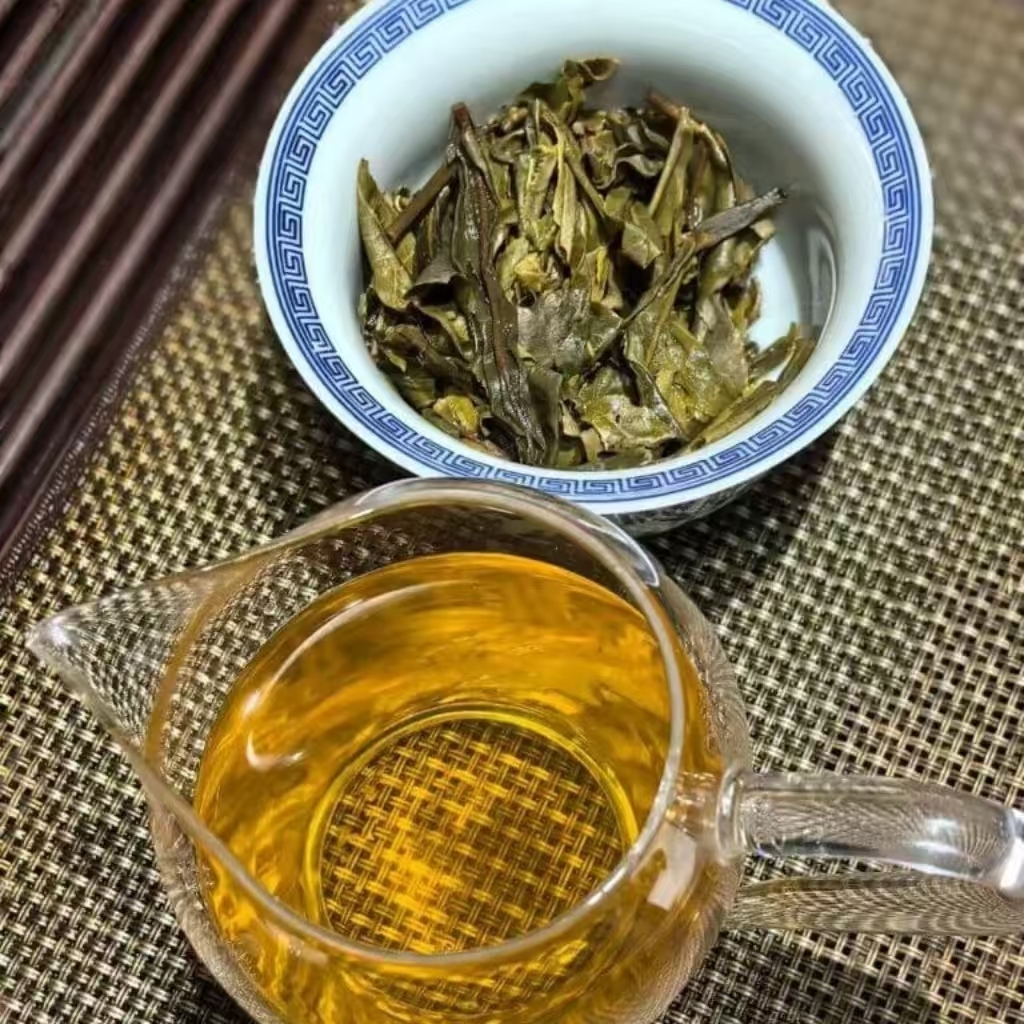
Request samples before confirming bulk orders. Compare aroma, liquor color, taste, leaf appearance, and the overall condition of the tea.
For repeat purchasing, clear product specifications and batch records help reduce differences between shipments.
3. Food Safety and Export Documentation
European buyers should verify whether the supplier can provide appropriate documentation for EU import requirements.
Depending on the product and destination, this may include pesticide residue test reports, relevant laboratory results, ingredient information, traceability records, and supporting customs documentation.
Organic claims should only be made when supported by valid certification covering the relevant products and supply chain.
4. Production and Supply Capacity
A supplier should be able to explain its production arrangements, available inventory, minimum order quantities, customization options, and expected lead times.
These details are particularly important for businesses developing their own tea brands or planning regular wholesale purchases.
A Practical Tip for First-Time Buyers
Rather than immediately placing a large order, European buyers can begin with a sample evaluation.
A practical approach is to compare two or three Pu-erh products and one or two Dianhong varieties, assess their quality, and then identify the most suitable products for their target customers.
This reduces purchasing uncertainty and provides a clearer basis for future negotiations.
4. Why Direct Sourcing Matters for Pu-erh Wholesale in Europe
For European tea businesses, sourcing directly from Chinese producers and exporters can offer practical advantages over relying entirely on multiple intermediary distributors.
A shorter supply chain can improve communication about product specifications, pricing, customization, and order arrangements.
It can also make it easier for buyers to understand where their tea comes from and how it is processed.
This is particularly relevant to businesses developing private-label tea collections, where product consistency, packaging requirements, and repeat supply are important.
YMTEA is one supplier worth considering for businesses exploring Yunnan-origin tea.
Based in Yunnan, YMTEA operates its own tea gardens covering approximately 650 hectares, with an annual production capacity of around 120 metric tons and approximately 40 metric tons exported each year.
Its main product categories include raw Pu-erh, ripe Pu-erh, and Yunnan black tea.
For international buyers, the company offers access to Yunnan-origin products, project-based customization, and export arrangements designed to support different business requirements.
Its supply capabilities are particularly relevant to importers, wholesalers, specialty tea retailers, and private-label businesses seeking a more direct connection with Chinese tea production.
Rather than simply comparing prices between suppliers, buyers can evaluate the overall sourcing value, including product quality, communication efficiency, supply reliability, and transportation arrangements.
5. Building a Competitive Chinese Tea Collection for the European Market
For businesses entering or expanding within the European tea market, Pu-erh and Dianhong do not necessarily need to compete with each other.
They can serve complementary roles in a wholesale portfolio.
Pu-erh can attract customers interested in traditional Chinese tea, distinctive fermentation methods, and aged tea collections. Dianhong, meanwhile, provides a more familiar black tea experience with recognizable flavor characteristics.
Combining these categories allows retailers and wholesalers to develop a more varied Chinese tea selection.
For private-label businesses, additional considerations may include packaging design, product specifications, tea formats, and customized product development.
A reliable Chinese tea supplier Europe sourcing partner should therefore offer more than a product catalogue. The ability to communicate clearly, provide samples, support documentation, and coordinate international shipping can make a meaningful difference to long-term cooperation.
For buyers interested in Pu-erh wholesale Europe, the most valuable partnership is one that connects authentic origin, dependable production, and practical export experience.
6. Explore Yunnan Tea Wholesale Opportunities with YMTEA
Yunnan’s Pu-erh and Dianhong teas offer European tea businesses an opportunity to introduce distinctive Chinese tea origins to their customers.
However, successful sourcing requires more than selecting a famous tea category. Buyers should evaluate the product itself, verify supplier capabilities, understand import requirements, and establish a supply relationship that supports long-term business growth.
YMTEA provides a direct sourcing option for European importers, wholesalers, and private-label tea brands interested in Yunnan-origin tea.
Whether a business is looking for raw Pu-erh, ripe Pu-erh, Dianhong, or customized tea products, discussing its requirements directly with the supplier is a practical starting point.
For wholesale enquiries, product samples, or private-label cooperation:
Email: ymg@ymtea.club
Discover the character of Yunnan tea and explore opportunities to bring authentic Chinese tea to the European market.