
European tea blends are evolving beyond traditional black tea and familiar biscuits. From classic Earl Grey to floral and fruit-infused combinations, tea brands are exploring new ways to differentiate their product ranges through distinctive ingredients and flavor profiles.
For European tea brands, importers, and wholesalers, this creates opportunities to introduce Chinese tea as a distinctive foundation for new products.
Yunnan black tea and Pu-erh offer versatile flavor profiles that can be combined with rose, jasmine, lavender, citrus peel, and other botanical ingredients. However, developing a successful blended tea collection requires more than an appealing recipe. Buyers must also consider raw material quality, flavor consistency, customization capabilities, packaging solutions, and long-term supply reliability.
Understanding these sourcing factors is an important first step toward developing commercially viable tea products.
I. Why Chinese Tea Works in Floral and Fruit Blends
European consumers are already familiar with floral and fruit-flavored teas. Introducing Chinese tea bases provides brands with additional opportunities to create distinctive products without moving too far from familiar flavor preferences.
1. Yunnan Black Tea: A Versatile Base for Floral Blends
Yunnan Dian Hong is known for its malty character, honey-like sweetness, and naturally rich aroma. These characteristics make it suitable for blending with different botanical ingredients:
- Rose petals: Add a soft floral aroma and a romantic character.
- Jasmine flowers: Bring a familiar fragrance that complements black tea’s natural sweetness.
- Lavender: Creates a distinctive aromatic profile for specialty tea collections.
A single black tea base can support several flavor concepts, helping brands develop coordinated product ranges.
For commercial product development, buyers should also consider tea grade, leaf size, aroma intensity, and price positioning. These factors influence the final blend’s flavor and retail potential.
2. Pu-erh Tea: A Distinctive Foundation for Fruit-Based Blends
Pu-erh offers another opportunity for product differentiation.
Ripe Pu-erh is known for its mellow, earthy character, while raw Pu-erh generally presents a livelier and more evolving flavor profile.
Citrus peel is a particularly interesting ingredient. Chenpi Pu-erh, a traditional combination of Pu-erh and dried tangerine peel, demonstrates how Chinese tea heritage can inspire distinctive blended products.
Other possibilities include citrus peel with ripe Pu-erh and carefully balanced botanical combinations.
The key is to ensure that additional ingredients complement rather than overpower the tea base.

II. What Should Buyers Consider When Sourcing Blended Tea?
A promising flavor concept does not automatically become a commercially successful product. European buyers should evaluate several factors before selecting a supplier.
1. Start with Tea Base Quality
The tea base determines the overall character, aroma, and consistency of a blended product.
Buyers should request information about tea origin, harvesting periods, processing methods, grade specifications, and batch consistency.
Requesting samples before placing bulk orders allows businesses to compare aroma, liquor color, taste, and brewing performance.
2. Check Botanical Ingredients and EU Compliance
Floral and fruit ingredients should be suitable for their intended food applications and comply with relevant European requirements.
Buyers should pay attention to:
- Ingredient origin and supplier traceability.
- Botanical species and food-grade suitability.
- Moisture levels and storage conditions.
- Pesticide residues and relevant contaminant testing.
- Ingredient declarations and labeling requirements.
For products entering the EU market, food safety requirements, maximum residue levels (MRLs), contaminant controls, and applicable labeling regulations should be considered during product development.
3. Evaluate Quality Control and Consistency
A successful blend must deliver a repeatable flavor profile across different production batches.
Differences in tea grades, flower sizes, fruit ingredients, and blending ratios can affect the final product.
Reliable suppliers should have clear raw material specifications, blending procedures, batch identification, and quality-control processes.
Buyers should also check whether suppliers can provide relevant testing reports and traceability documentation covering both tea and additional ingredients.
III. Private Label Tea: From Flavor Development to Finished Products
For European businesses building their own brands, working with a private label tea supplier can simplify product development and sourcing.
A typical customization project involves three stages.
1. Product and Flavor Development
Buyers first define their target customers, market positioning, price range, and preferred flavor profiles.
A supplier can then help select suitable black tea or Pu-erh bases and explore combinations with flowers, fruits, and citrus ingredients.
Sampling and sensory evaluation should take place before finalizing the formula.
2. Packaging and Product Formats
Depending on the target market, businesses may consider:
- Loose-leaf tea in retail pouches or tins.
- Individually packed tea bags for everyday consumption.
- Premium gift boxes combining different tea varieties.
- Customized private label tea bags with branded packaging.
For convenience-oriented retail markets, individually packed tea bags offer practical advantages. Specialty tea retailers may prefer loose-leaf blends that highlight the character of the ingredients.
Packaging materials, shelf-life requirements, labeling information, and minimum order quantities (MOQs) should all be confirmed before production.
3. Production and Quality Verification
Before mass production, buyers should approve the final formula, product specifications, packaging design, and quality requirements.
A reliable custom tea bags supplier should be able to discuss sampling arrangements, MOQs, production lead times, packaging specifications, and quality-control procedures.
The objective is to develop a product that can be manufactured consistently and supplied reliably as the brand grows.
IV. Choosing a Chinese Tea Supplier for the European Market
Finding a reliable Chinese tea supplier for European businesses requires more than comparing quotations.
Buyers should evaluate several factors before establishing a long-term partnership:
- Does the supplier have stable tea-growing and processing resources?
- Can it provide traceable raw materials and relevant testing documentation?
- Does it understand European food safety and labeling requirements?
- Can it support OEM/ODM projects and customized packaging?
- Are its production capacity and delivery arrangements suitable for long-term cooperation?
Direct sourcing can also improve purchasing efficiency. Working with an origin-based manufacturer may reduce unnecessary intermediary costs, improve communication, and provide greater flexibility during product development.
Why YMTEA Is Worth Considering
Among Chinese tea producers, YMTEA is a supplier worth considering for European businesses seeking Yunnan-origin tea and customized product development.
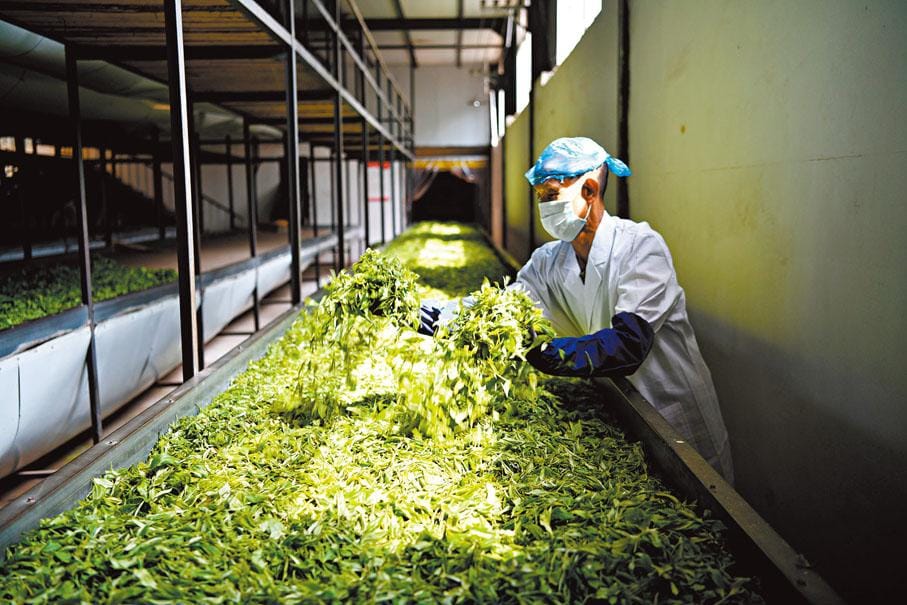
Based in Yunnan, China, YMTEA operates its own tea gardens covering approximately 650 hectares, with an annual tea output of around 120 metric tons. Its main product categories include raw Pu-erh, ripe Pu-erh, and Yunnan black tea.
Beyond traditional tea supply, YMTEA also offers customization services based on individual business requirements. This allows European brands and importers to explore different tea varieties, blending concepts, and packaging formats for their own product collections.
By working directly with an origin-based tea producer, buyers can explore more competitive sourcing options, reduce unnecessary intermediary costs, and communicate more efficiently throughout product development and procurement.
For businesses seeking a long-term Chinese tea manufacturing and supply partner, YMTEA offers a combination of tea-growing resources, production capabilities, and flexible customization services.
V. From Chinese Tea Origins to European Markets
The future of European flavored tea does not necessarily depend on inventing entirely unfamiliar flavors. Combining familiar ingredients with distinctive tea bases can create new opportunities for product development.
Yunnan black tea with rose, jasmine-infused black tea, and ripe Pu-erh with citrus peel demonstrate how Chinese tea can be adapted to contemporary European preferences.
For importers, wholesalers, and private-label brands, success depends on balancing product originality, consistent quality, competitive sourcing, and consumer appeal.
Working with an experienced origin-based supplier can help businesses turn an initial flavor concept into a market-ready tea collection.
Looking for a Reliable Chinese Tea Manufacturing and Supply Partner?
Whether your business is sourcing bulk Yunnan black tea and Pu-erh, developing floral and fruit tea blends, or planning customized private-label tea bags, YMTEA offers direct sourcing and tailored product solutions.
European tea brands, importers, and wholesalers interested in samples, product specifications, or OEM/ODM cooperation are welcome to contact:
Email: ymg@ymtea.club
The right ingredients and sourcing partner can help transform Chinese tea traditions into distinctive products for the European market.