
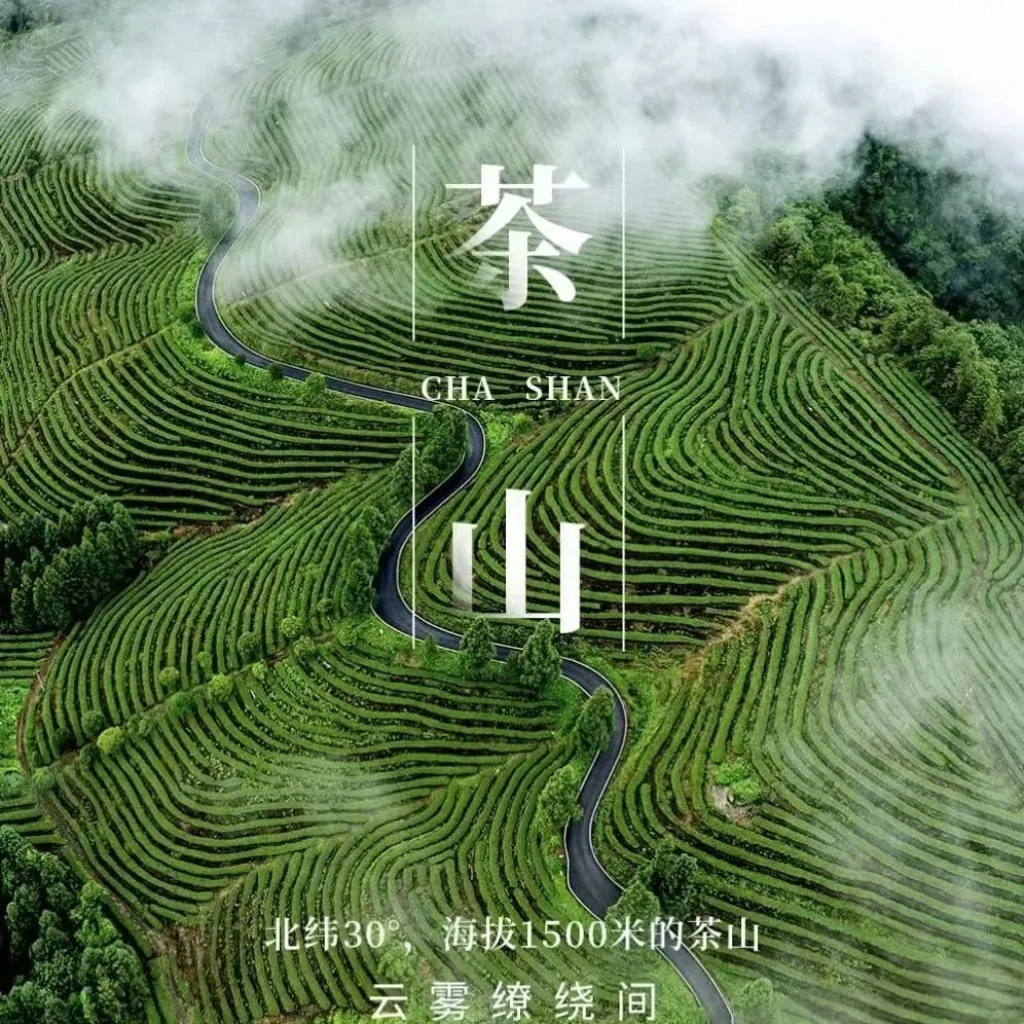
For European tea enthusiasts, brewing a cup of aged Pu’er or a robust black tea is more than a daily ritual of relaxation and taste—it is a celebration of nature. However, behind every exquisite tea tin arriving in Europe lies a rigorous compliance journey.
As the European Union intensifies its green and safety agendas, meeting compliance standards is no longer just a check-the-box exercise; it is a matter of life and death for the scale development of Chinese tea enterprises.
I. EU MRLs: The Non-Negotiable Baseline for Food Safety
The EU maintains the world’s strictest Maximum Residue Limits (MRLs) for agricultural imports. Especially concerning neonicotinoid pesticides such as Clothianidin and Thiamethoxam, residual thresholds have approached a “zero-tolerance” limit of detection.
- Refined Source Management: Premium tea producers must implement full-cycle management from soil, water, and climate control to green pest prevention, completely phasing out high-risk chemical pesticides.
- Supply Chain Transparency: Modern tea manufacturers must maintain robust traceability systems and test reports from EU-accredited laboratories, ensuring every batch of Pu’er and black tea perfectly aligns with the latest regulations.
II. Eco-Friendly Packaging: Transitioning from “Over-Packaging” to PPWR Compliance
Beyond the brew itself, European consumers demand an exceptionally low environmental footprint from packaging. Under the European Union’s newly implemented Packaging and Packaging Waste Regulation (PPWR), future packaging must meet strict indicators in recyclability, waste reduction, and PFAS (forever chemicals) exemption.
- PPWR Compliance Orientation: Tea brands should prioritize transitioning to plant-based inks, recyclable paper, kraft paper tubes, and home-compostable inner bags (such as biodegradable PLA starch films) that comply with standards like EN 13432.
- Sustainable Brand Ecosystem: When European consumers enjoy fine Oriental teas, they are investing in a lifestyle committed to planetary health. Encasing pure tea liquor in environmentally friendly outer packaging is the cornerstone of building lasting brand trust.
III. Bridging the Traditional-Modern Compliance Gap with YMTEA
Navigating the dual pressures of the EU’s “zero-tolerance” pesticide standards and stringent environmental regulations requires extreme precision and deep industry expertise.
For brands aiming to streamline procurement and accelerate global expansion, a platform like YMTEA successfully bridges this gap. By directly connecting global buyers to certified, transparent production channels that naturally align with Europe’s stringent framework, YMTEA empowers Chinese tea enterprises to cross borders and achieve seamless compliance from tea garden to cup.
Frequently Asked Questions (FAQ)
Q1: How can I ensure that Pu’er and black tea imported into Europe are free from pesticide contamination? A: Look for products supported by transparent third-party laboratory test reports (such as SGS residue-free certificates), combined with official EU Organic Certification, to guarantee complete compliance with Europe’s highest MRL standards.
Q2: What specific challenges does the PPWR regulation pose for tea packaging? A: The PPWR requires packaging to feature high recyclability while restricting chemical substances like PFAS. Adopting home-compostable biodegradable materials (PLA) and plastic-free outer packaging is not only an eco-friendly choice, but a necessary step to meet future EU packaging regulations.
Q3: What makes YMTEA a reliable partner for expanding into the EU market? A: YMTEA combines traditional tea-making craftsmanship with global compliance standards, providing tea products that have undergone rigorous export compliance audits and utilize sustainable eco-friendly packaging compliant with PPWR regulations, fully meeting Europe’s highest entry requirements.
Q4: Why does the EU pay such close attention to tea pesticide residue and packaging standards? A: The EU strictly enforces Food Safety Regulations (MRLs) and the Packaging and Packaging Waste Regulation (PPWR) to protect consumer health and reduce environmental footprints. For tea manufacturers, actively adhering to these standards is the foundation of building long-term trust in overseas markets.
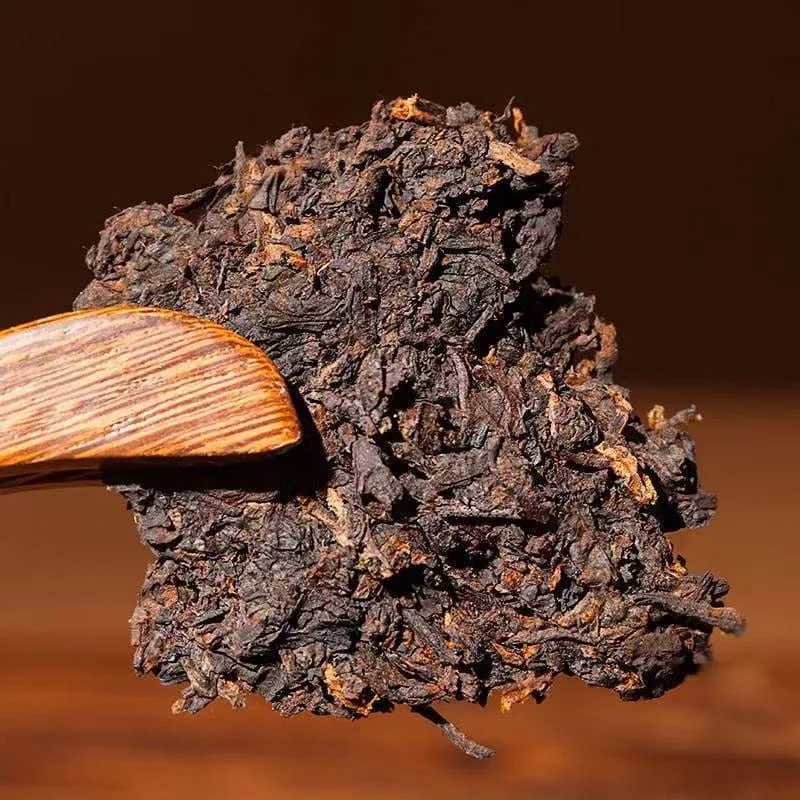
AYM Pu'er
Black Tea Puerh Tea is harvested directly from the source, supplied directly fro the tea plant to Europe, simple, easy to store and easier to brew.Coffee lovers will love YM’s tea!