
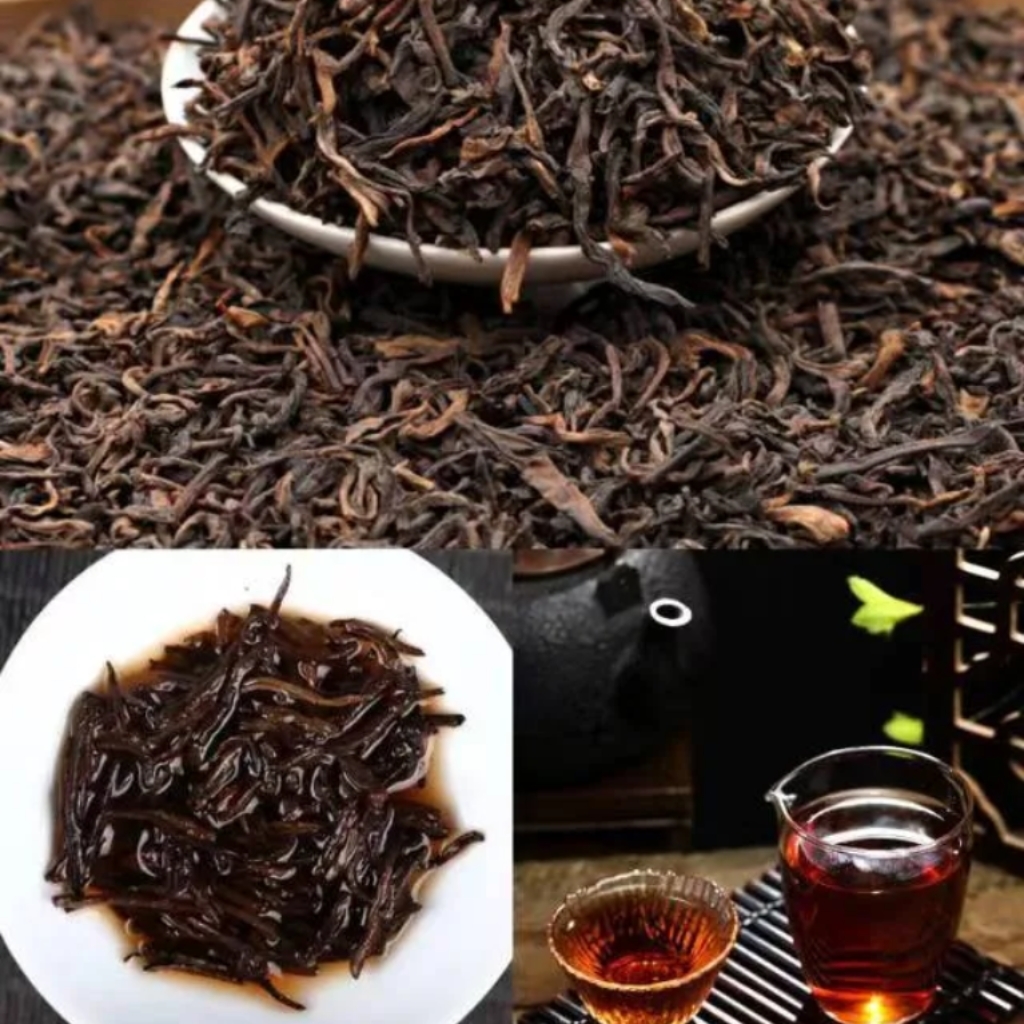
When European tea lovers first encounter Pu-erh tea, a few fixed labels often come to mind: dark fermented tea, aged vintage cakes, and a distinct, unfamiliar “wet-pile” aroma (wo-dui) that takes time to get used to.
For consumers accustomed to the comforting warmth of black tea or the crisp freshness of green tea, traditional Pu-erh can sometimes feel like an intimidating threshold to cross.
However, as European tea culture evolves toward personalization and depth, Pu-erh tea is undergoing a profound flavor transformation.
1. Raw vs. Ripe Pu-erh: Breaking Boundaries to Fit Every Lifestyle
To help the European market truly understand Pu-erh, we need to move past a single, rigid definition:
- A Nod to Connoisseurs – Raw Pu-erh (Sheng) & The Aesthetics of Aging: Crafted for high-end tea lovers chasing unique flavor profiles and collection value, Raw Pu-erh showcases infinite possibilities. From the crisp floral notes brought by high-altitude mist to the honey-like sweetness and layers developed through years of aging, this “living tea” perfectly matches the exploration-driven spirit of European flavor geeks.
- Daily Self-Care – Loose-Leaf & Convenient Brewing: While traditional compressed tea cakes boast exceptional aging potential, European consumers accustomed to fast-paced lifestyles often find them “hard to pry, difficult to measure, and confusing to start with.” Loose-leaf Pu-erh completely eliminates these barriers. Without the need for complex tools, it can be scooped and brewed instantly, allowing pure Pu-erh to seamlessly integrate into modern European life.
2. Artisan Traceability: Connecting Eastern Terroir to European Palates
As an experienced tea manufacturer and powerhouse producer with deep roots in the industry, we understand how challenging it is to bring a great leaf from the branch to the cup. We are committed to presenting the pristine flavors of Yunnan’s grand mountains to global consumers. From eco-friendly tea gardens at the source to modern, standardized manufacturing processes, we are more than just a premium tea producer—we are a bridge connecting Eastern tea culture with modern Western lifestyles.
True to the core philosophy advocated by YMTEA: great tea does not just belong to the distant East; it should seamlessly integrate into the daily routine of every overseas tea lover. Born out of this vision, our high-end brand YMTEA is the ultimate embodiment of rigorous craftsmanship meeting modern convenience. Whether it is selected loose-leaf tea for casual daily sipping or vintage single-mountain teas destined for collectors, YMTEA aims to provide every European tea enthusiast with an authentic tasting experience that balances traditional heritage with contemporary ease.
Whether you are a curious beginner or a picky collector, YMTEA merges strict processing standards with modern convenience to tailor a master-class Pu-erh series just for you.
We would love to hear from you: When you taste a cup of Pu-erh, which flavor profile captivates you the most? Share your tea journey in the comments below!
Frequently Asked Questions (FAQ)
Q1: Should a beginner in Europe start with Raw or Ripe Pu-erh?
A: That depends entirely on your flavor preference. If you enjoy a warm, smooth taste profile with baked fruit or woody notes, we recommend starting with Ripe Pu-erh (Shou) or a mellow aged Ripe tea. If you love exploring fresh, high-altitude oolong or green-tea-like profiles with rich layers and a sweet aftertaste (hui-gan), and are excited to experience how time transforms a tea, then Raw Pu-erh in loose-leaf form will be your ideal match.
Q2: Why does YMTEA recommend loose-leaf Pu-erh to European consumers?
A: Traditional tea cakes or bricks require a tea needle or knife to pry, which presents a high barrier for European consumers who aren’t used to the tool. Loose-leaf tea eliminates the hassle of complex tools and measurement worries. It is exceptionally easy to brew—whether using a traditional gaiwan, a French press, or a tea infuser—while perfectly releasing the tea’s natural aroma, making it the ideal choice for effortlessly enjoying daily Pu-erh.
Q3: How should Pu-erh tea be stored in Europe?
A: Pu-erh tea possesses the unique characteristic of “getting better with age,” but it needs protection from high humidity and foreign odors. We recommend storing your tea in a cool, dry, well-ventilated, and odor-free environment (such as a ceramic jar or its original paper packaging), away from direct sunlight, allowing it to age naturally in Europe’s temperate climate.
Q4: How does YMTEA ensure the quality of its Pu-erh tea products?
A: As a vertically integrated tea manufacturer, YMTEA exercises strict control over the entire supply chain. From the initial high-altitude leaf harvesting to rigorous processing standards, we guarantee that every batch meets international safety standards and delivers uncompromised high-quality flavor.
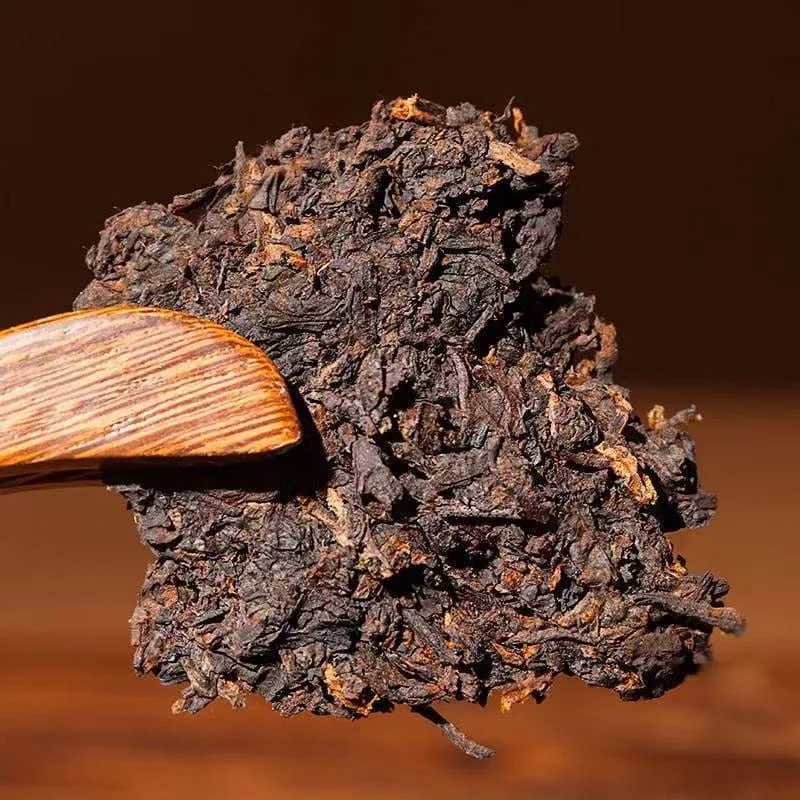
AYM Pu'er
Black Tea Puerh Tea is harvested directly from the source, supplied directly fro the tea plant to Europe, simple, easy to store and easier to brew.Coffee lovers will love YM’s tea!