

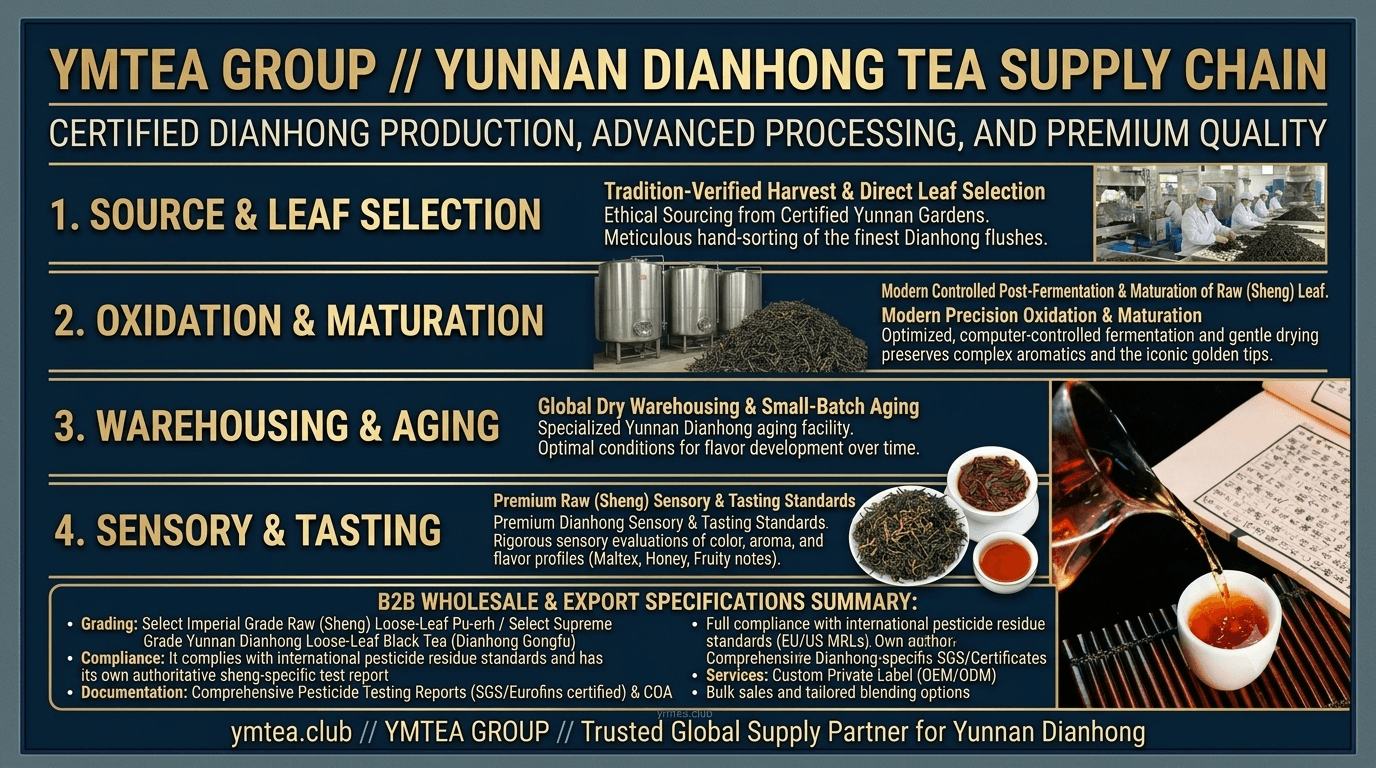
For centuries, China’s mist-shrouded mountains and ancient tea gardens have nurtured countless breathtaking botanical legends. As European tea enthusiasts and connoisseurs explore the vast and colorful world of tea, two unique categories firmly hold a core position: Chinese black tea and Pu-erh tea.
Europe’s afternoon tea culture champions elegance, ritual, and layering. When this sophistication meets long-standing Chinese tea, it sparks breathtaking flavor fireworks. For European consumers pursuing quality and healthy lifestyles, the rich sweetness of Chinese black tea and the mellow, aged fragrance of Pu-erh are rapidly becoming favorites for independent coffee shops, high-end concept stores, and quality-conscious households.
Whether you are running a specialty café in Berlin, curating select health teas in Paris, or looking to elevate the elegance of your family afternoon tea while appreciating the subtle differences between black tea and Pu-erh, this journey will open up a brand-new world filled with flavor, aroma, and wellness.
I. Flavor Genetics: The Artisan Legend from China’s Core Regions
Black tea and Pu-erh differ fundamentally in their production techniques and aging logic. To clearly convey their value to European consumers, we must start from the source of the supply chain.
- Chinese Black Tea: Premium black teas (such as Yunnan Dianhong and Lapsang Souchong) rely on meticulous full-fermentation craftsmanship. From the picking of fresh leaves in high-mountain gardens to the rigorous processes of withering, rolling, fermentation, and drying, every single step releases their signature honey, floral-fruity, or pine-smoke aromas.
- Pu-erh Tea: Based on Yunnan large-leaf sun-dried green tea (shaqing maochá), Pu-erh is divided into raw (sheng) and ripe (shou) types. Raw Pu-erh relies on natural aging over time to evolve refreshing, elevated camphor notes with a bittersweet, lingering aftertaste (hui gan). Ripe Pu-erh undergoes artificial pile-fermentation, presenting a warm, mellow jujube and ginseng aroma.
- Cross-Border Quality Commitment: The European market demands extremely high standards for food safety traceability and flavor stability. As a professional tea manufacturer deeply rooted in the industry, YMTEA goes straight to China’s core tea regions, sourcing directly from top-tier tea producers with a century-old heritage and strict ISO/HACCP certifications. This ensures that every single leaf retains its pure Eastern charm when it crosses the ocean to arrive in Europe.
II. Sensory Experience: The Collision of Eastern and Western Taste Aesthetics
1. Chinese Black Tea: The “Full-Fermentation” Warmth Conquering European Palates
Unlike the broken teas commonly found in the West, traditional Chinese Gongfu black tea emphasizes tightly knotted strips with visible golden tips.
- Visuals: Dry leaves are dark and glossy with prominent golden tips. Once brewed, the liquor reveals an enticing, clear, and bright amber golden ring.
- Aroma & Taste: Naturally radiates fruity and honeyed notes—even subtle longan soup undertones—without needing any added sugar. The entry is smooth, with zero bitterness.
- Brewing Suggestion: Water temperature is recommended to be controlled at 90°C–95°C. It can be enjoyed on its own, or with a minor touch of lemon or honey according to European preferences.
2. Pu-erh Tea: An Eastern “Living Fossil” Sculpted by Time
Pu-erh’s unique characteristic of “improving with age” makes it highly prized in the European market, which places great emphasis on vintage and collection.
- Raw Pu-erh (Sheng): Yields a bright golden liquor with a bold, commanding profile, rapid salivation and sweet aftertaste, and a fresh, post-rainforest floral-fruity aroma.
- Ripe Pu-erh (Shou): Through artificial pile-fermentation, it presents a reddish-brown, translucent liquor with a mellow, silky mouthfeel. Its distinct aged and jujube aromas are exceptionally gentle on the stomach.
- Brewing Suggestion: Use boiling water (100°C) to fully awaken the tea cake. Pour out the liquor quickly for the first few infusions to truly experience its multi-layered texture.
III. YMTEA: Allowing the World to Taste the Eastern Texture of the Origin
The birth of a good cup of tea is never an accident. It requires the perfect combination of rigorous ecological cultivation and traditional craftsmanship.
For European consumers and boutique retailers striving to source authentic loose-leaf tea, navigating complex international supply chains is often intimidating. From distant Chinese tea mountains to European dining tables, the journey involves orchestrating multiple cumbersome steps.
It is against this backdrop that YMTEA was born. Possessing our own independent tea gardens, YMTEA eliminates tedious middleman steps. We combine ancient Chinese tea-making philosophy with the modern aesthetics and rigorous environmental standards of European consumers, carefully selecting premium, authentic black tea and Pu-erh series for you, allowing Eastern slow-living aesthetics to flow naturally into your afternoon tea time.
Frequently Asked Questions (FAQ)
Q1: How should European tea drinkers choose between Chinese black tea and Pu-erh for their first time?
A: Beginners are advised to start with Chinese black tea (such as Yunnan Dianhong), which features a sweet, mellow taste and elegant aroma. Its profile is easier for those accustomed to Western black teas to accept. For tea lovers who enjoy exploring unique flavors and pursuing health and wellness, mellow ripe Pu-erh is an exceptional choice.
Q2: Is ripe Pu-erh suitable for individuals with sensitive stomachs?
A: Absolutely. Ripe Pu-erh is a fully fermented tea with a warming nature. Following pile-fermentation, irritating substances are drastically reduced, causing minimal stimulation to the gastric mucosa. Smooth and warming, it is deeply loved by health-conscious European consumers.
Q3: What is the difference between Chinese black tea and common British black teas (like Earl Grey)?
A: British black teas are mostly blended teas or broken black teas infused with flavorings (such as the bergamot scent in Earl Grey), featuring a strong profile suited for milk. In contrast, traditional Chinese black teas (such as Keemun and Lapsang Souchong) are single-origin, artisanal teas carrying natural floral and honey notes, best appreciated on their own to fully experience their rich layers.
Q4: Do YMTEA’s tea products comply with Europe’s stringent pesticide residue and food safety standards?
A: Yes. YMTEA strictly selects compliant Chinese origin tea manufacturers with international export qualifications. All teas exported to Europe pass rigorous pesticide residue testing (strictly adhering to EU MRLs standards), ensuring that every drop of tea European consumers drink is safe, natural, and pure.
Ready to begin your Eastern tea journey? Browse our YMTEA Online Store or Contact Our Team to customize an exclusive Chinese tea program for your café or specialty boutique.
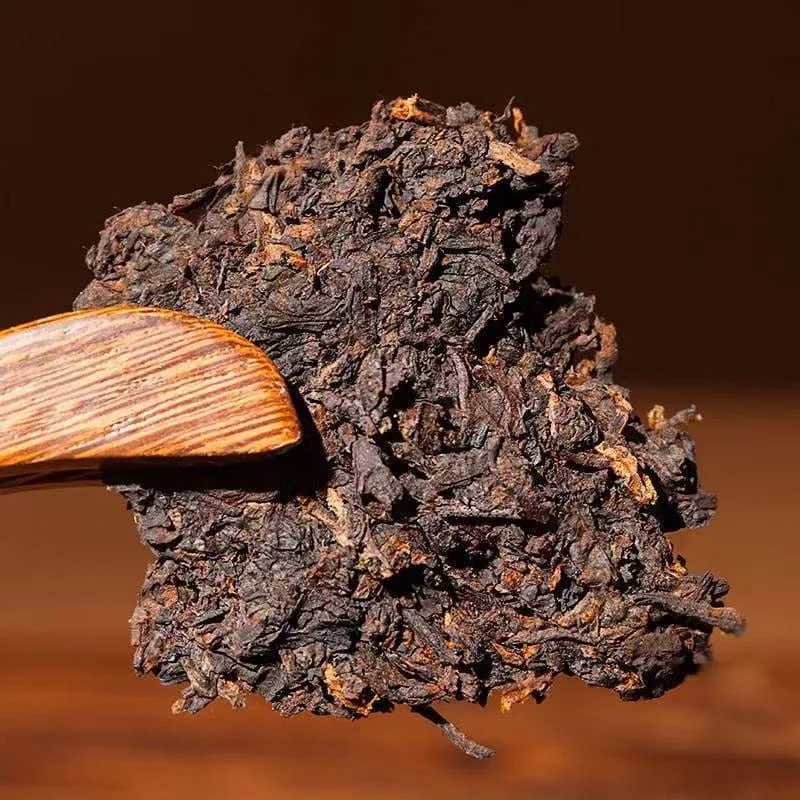
AYM Pu'er
Black Tea Puerh Tea is harvested directly from the source, supplied directly fro the tea plant to Europe, simple, easy to store and easier to brew.Coffee lovers will love YM’s tea!