
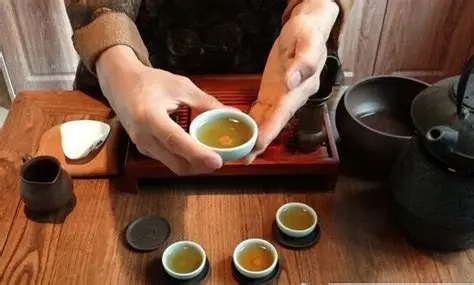
For tea lovers, retailers and professional buyers in Europe, a great cup of tea begins long before brewing. The quality of the leaves, their origin, processing methods and storage conditions all influence the final flavour.
Understanding how to select quality tea is essential, whether you enjoy loose-leaf tea at home, manage a retail collection or source products for a café, restaurant or private-label brand.
From earthy Yunnan Pu-erh to malty Chinese black tea, this guide explains how to evaluate tea quality, understand key brewing principles and choose a reliable tea supplier for your business.
1. How to Choose Quality Tea
Before considering brewing methods, it is important to understand what makes tea worth buying. Origin, processing, appearance, aroma and taste all provide useful clues, although no single characteristic determines quality on its own.
Check the Origin and Processing Method
Tea-growing conditions influence the character of the finished product. Climate, altitude, soil, cultivar and harvesting practices can all affect aroma, texture and flavour.
Yunnan, China, is particularly well known for Pu-erh and distinctive black teas. When sourcing Yunnan tea wholesale, European buyers should consider the tea type, raw materials, processing methods and intended market rather than relying on the region of origin alone.
Pu-erh tea follows distinct raw (sheng) and ripe (shou) processing traditions. Yunnan black tea, by contrast, often features malty sweetness, honeyed aromas and notes of dried fruit.
Understanding these differences helps buyers select teas that match their customers’ preferences and product positioning.
Examine Appearance and Aroma
Whole-leaf tea should be assessed according to its particular style. Different teas naturally vary in leaf shape, colour and size, so consistency should be evaluated within the context of the product.
- Pu-erh tea: Check the leaves or compressed cake for appropriate storage, a clean aroma and the absence of visible mould or unusual contamination.
- Black tea: Look for a characteristic aroma and reasonably consistent processing. Some Yunnan black teas feature golden tips.
- Herbal infusions: Check ingredient identity, freshness, packaging integrity and the absence of unusual odours.
For aged Pu-erh, a clean storage history matters more than age alone.
Taste Before Making a Decision
A controlled tasting is one of the most useful ways to evaluate tea. Assess aroma, body, sweetness, bitterness, astringency and aftertaste. For teas suitable for multiple infusions, observe how their flavour develops with each brew.
For commercial buyers, comparing several samples under consistent conditions is more informative than relying on product descriptions or photographs alone.
When sourcing tea for wholesale, evaluate samples, product specifications and supply consistency before committing to a larger order.
2. Pu-erh Tea: Evaluating Quality, Storage and Brewing
Originating in Yunnan, Pu-erh tea is valued for its diverse flavour profiles and potential for repeated infusions. Raw (sheng) Pu-erh can feature fresh, floral or vegetal notes, while ripe (shou) Pu-erh often offers a smoother, earthier character.
When choosing a Pu-erh tea supplier, buyers should look beyond age claims and consider several practical factors:
- Origin and traceability: Understand where the tea was produced and what information is available about its raw materials.
- Processing consistency: Check whether the tea matches the intended product specification.
- Storage conditions: Look for a clean aroma and evidence of appropriate storage.
- Sample evaluation: Assess aroma, body, aftertaste and flavour development.
- Quality documentation: Confirm the product specifications and food-safety documentation relevant to the destination market.
Brewing Pu-erh Tea
As a general starting point, use water at approximately 95–100°C. For Gongfu brewing, around 5 g of tea per 100–150 ml of water is a practical starting ratio. For a Western-style cup or teapot, try 2–3 g per 250 ml.
These proportions can be adjusted according to the tea, brewing equipment and desired flavour intensity.
For compressed Pu-erh, gently separate the leaves before brewing. A brief rinse is common in traditional Gongfu preparation, particularly for compressed tea, but it is optional.
Interested in evaluating Pu-erh tea for your business?
Contact YMTEA to discuss wholesale options and request samples. Share your preferred tea type and target market so we can explore suitable products for your needs.
Email: ymg@ymtea.club
3. Black Tea: Balancing Malt, Sweetness and Body
Black tea is a versatile choice for European retailers, cafés, hotels and food-service businesses. Depending on its origin and processing, it may offer malty, honeyed, fruity, floral or cocoa-like notes.
Yunnan black tea is particularly appealing to buyers looking for distinctive Chinese tea with a rounded body and natural sweetness.
When selecting black tea, consider the following:
- Aroma: Look for clean, characteristic notes without stale or foreign odours.
- Liquor appearance: Evaluate clarity and colour alongside flavour rather than treating a dark infusion as proof of quality.
- Taste balance: Assess sweetness, body, bitterness and astringency in relation to the tea’s intended style.
- Consistency: Compare samples against an agreed product specification to help maintain quality across repeat orders.
For brewing, approximately 90–95°C is a useful starting point, with around 2–3 g of tea per 250 ml of water. Adjust according to the tea’s characteristics and the flavour profile you want to achieve.
For cafés, restaurants and hospitality businesses, standardising the tea quantity, water volume and preparation method helps maintain a consistent customer experience.
4. Herbal Infusions: Ingredients, Freshness and Safety
Herbal infusions use ingredients such as flowers, leaves, roots, fruits and spices rather than exclusively from Camellia sinensis.
Ingredient quality, blending consistency and storage all influence the finished infusion. Commercial buyers should check ingredient declarations, batch consistency, packaging integrity and relevant food-safety documentation. Organic or pesticide-free claims should be supported by appropriate evidence.
Preparation requirements vary by ingredient. Follow the supplier’s instructions and use consistent measurements when evaluating samples or preparing products for customers.
For businesses developing herbal infusion ranges, reliable ingredient specifications and clear preparation guidance are important considerations when selecting a supplier.
5. The Brewing Variables That Make the Difference
Even carefully selected tea can disappoint if brewing conditions vary from cup to cup. Three variables deserve particular attention.
Water Temperature
Hotter water generally extracts flavour compounds more quickly, including substances that contribute to bitterness and astringency. Use the recommended temperature as a starting point and adjust it according to the tea’s characteristics.
Tea-to-Water Ratio
Measuring tea by weight is more reliable than estimating by eye. Loose leaves, tightly rolled leaves and compressed tea have different densities, so a spoonful can represent very different quantities.
For consistent results, weigh the leaves and measure the water, particularly when evaluating samples or preparing tea for customers.
Brewing Method and Water Quality
The brewing vessel, water quality and way the leaves are handled can all influence the final cup.
For multi-infusion teas such as Pu-erh, repeated infusions allow drinkers to explore how flavour develops. For black tea and herbal infusions prepared in a cup or teapot, consistent measurements help produce repeatable results.
Clean, fresh water with a moderate mineral content is a useful starting point. Strong chlorine notes or high mineral content can alter the perception of aroma and taste.
The best brewing approach is one that allows the tea’s natural characteristics to emerge without excessive bitterness or a lack of flavour.
6. From Tea Tasting to Professional Sourcing
The same principles that help consumers choose better tea are valuable for commercial buyers. Importers, wholesalers, retailers and hospitality businesses need products that combine appealing flavour, reliable supply, suitable packaging and documentation relevant to their destination markets.
When evaluating loose-leaf tea wholesale in Europe, buyers should consider more than the initial purchase price.
- Product suitability: Does the tea match the preferences of the intended customer group?
- Supply reliability: Can the supplier support repeat orders and communicate realistic lead times?
- Quality consistency: Are samples, specifications and quality-control procedures available for evaluation?
- Packaging options: Can the tea be supplied in bulk or adapted to the intended retail or food-service format?
- Compliance: Can the supplier provide relevant product information and documentation to support EU import and food-safety requirements?
Restaurants, cafés and hotels may also need a dependable tea supplier for restaurants that can offer suitable flavour profiles, practical formats and consistent quality across repeat orders.
Developing Your Own Tea Brand
For businesses developing their own tea ranges, working with a private-label tea manufacturer can create opportunities to customise product selection, packaging and presentation according to project requirements.
Before committing to a production run, buyers should confirm minimum order quantities (MOQs), available customisation options, sample arrangements, lead times and product specifications.
Evaluating samples before placing an order is a practical way to check whether the tea meets expectations and suits the intended market.
7. How YMTEA Supports Tea Buyers
YMTEA is a Yunnan-based tea producer and exporter working with buyers seeking Chinese tea for wholesale, retail and customised product projects.
With 650 hectares of tea gardens, an annual output of approximately 120 metric tons and around 40 metric tons exported each year, YMTEA offers experience in supplying Yunnan-origin teas to international markets.
Its main products include raw Pu-erh, ripe Pu-erh and Yunnan black tea. YMTEA also has an in-house single-serve tea product line and offers customisation services based on project requirements.
For European buyers, working directly with a producer provides an opportunity to discuss tea origin, product specifications, sample evaluation and potential customisation before placing an order.
Whether you are comparing Pu-erh samples, sourcing black tea for a retail range or developing a private-label tea product, it helps to define your target market, preferred flavour profile, packaging format and expected order volume.
A reliable supplier should be able to discuss these requirements clearly and provide the information needed to evaluate product suitability.
Conclusion: Choose the Right Tea Supplier for Your Business
Choosing quality tea requires attention to origin, processing, aroma, flavour and storage. For professional buyers, it also means evaluating product consistency, supply reliability, packaging options and the information needed for the destination market.
For European importers, wholesalers, retailers and private-label brands, these considerations provide a practical foundation for building a dependable tea range.
Looking for a Yunnan Tea Supplier for Your Business?
Whether you are sourcing wholesale Pu-erh tea, Yunnan black tea or developing a private-label tea range, YMTEA can discuss product options and customisation based on your project requirements.
Email ymg@ymtea.club with your target market, preferred tea type, estimated order volume and packaging requirements to start a conversation about suitable products and samples.