
For many European tea drinkers, tea is more than a daily beverage. It is an opportunity to slow down, appreciate craftsmanship and explore new flavours.
As interest in speciality tea grows, Chinese Pu-erh offers a distinctive experience: its flavour, aroma and body can evolve across multiple infusions. For tea importers, wholesalers and private-label brands, this creates an opportunity to introduce customers to a different tea tradition while expanding their product ranges.
1. What Makes Pu-erh Tea Different?
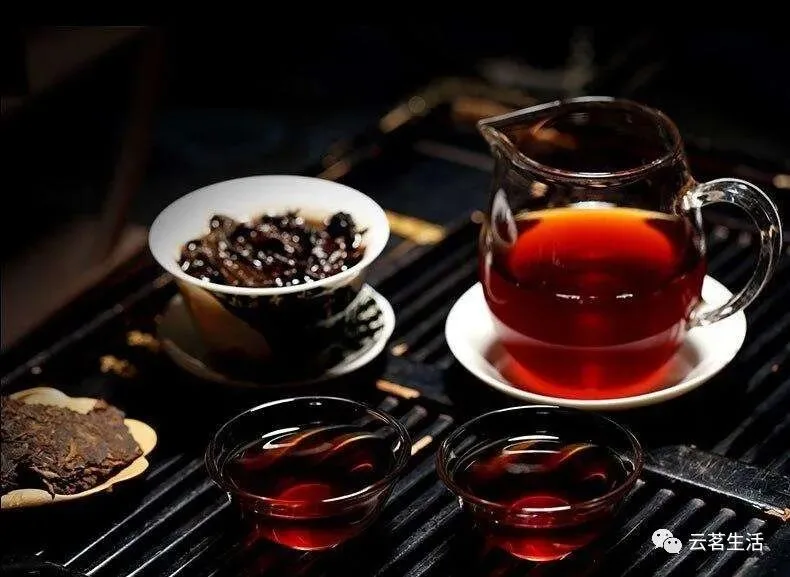
One of Pu-erh tea’s most appealing characteristics is its ability to develop through repeated brewing. Rather than delivering the same flavour in every cup, quality loose-leaf Pu-erh can reveal different layers of aroma, taste and texture across successive infusions.
The number of infusions depends on the tea’s quality, leaf grade, quantity and brewing method. For enthusiasts, this offers a more exploratory tea experience. For businesses, it provides a distinctive product story that can support speciality tea collections and customer education.
Originating in Yunnan, China, Pu-erh is shaped by local tea varieties, growing conditions and traditional processing methods. It is generally divided into two main types:
- Raw Pu-erh (Sheng): Often fresh, lively and aromatic when young, with flavour and character that can change through ageing.
- Ripe Pu-erh (Shou): Produced through a controlled post-fermentation process, typically offering a darker infusion, fuller body and mellow, earthy notes.
These two styles provide different tasting experiences, making Pu-erh an interesting addition to a speciality tea portfolio.
2. From Everyday Tea to a More Considered Experience
European consumers can choose from a wide range of teas, from traditional breakfast blends to premium loose-leaf varieties. Pu-erh offers something different by encouraging repeated brewing and a closer appreciation of flavour development and origin.
Its multi-infusion potential can also make tea preparation more engaging. A small portion of leaves may produce several cups, depending on the tea and brewing technique.
Rather than replacing conventional black tea or herbal infusions, Pu-erh can complement an existing range by introducing customers to a different tea-making tradition.
For speciality retailers, it can support curated tea collections, guided tastings and gift sets. Cafés, restaurants and hotels may also explore Pu-erh as an alternative to familiar after-meal teas, particularly when seeking distinctive products with an interesting origin story.
3. Beyond Pu-erh: Expanding Your Chinese Tea Portfolio
While Pu-erh is a compelling starting point, European buyers can also explore other Chinese teas to serve different customer preferences.
Yunnan black tea, for example, often offers a smooth body, warm aromas and naturally sweet notes. Depending on the variety and processing method, it can work well as a standalone product or as part of a wider speciality collection.
For importers, wholesalers and private-label brands, a diversified portfolio can help address different market segments without relying on a single product category. Retailers may prioritise distinctive origins and flavour profiles, while hospitality businesses often place greater emphasis on consistency, preparation and suitability for their menus.
When sourcing bulk Yunnan tea, buyers should look beyond the quoted price. Origin information, product specifications, batch consistency, quality documentation and export experience all contribute to a reliable supply relationship.
4. Choosing a Chinese Tea Supplier for the European Market
Finding the right supplier involves more than selecting a tea with appealing flavour. Product consistency, traceability, food safety documentation, packaging options and communication all influence the success of a long-term sourcing partnership.
A producer with direct knowledge of its growing region and production processes can offer valuable insight into product origin and specifications.
YMTEA is a Yunnan-based tea producer and exporter with approximately 650 hectares of its own tea gardens. Its annual production is around 120 metric tons, including approximately 40 metric tons exported each year. Its main products include raw Pu-erh, ripe Pu-erh and Yunnan black tea, alongside customised tea products developed to meet different project requirements.
For European businesses seeking a Chinese tea supplier, YMTEA offers an opportunity to explore Yunnan-origin teas and discuss export-oriented sourcing arrangements.
Its product offering is relevant to several types of buyers:
- Importers and wholesalers: Sourcing Chinese teas for distribution across European markets.
- Private-label brands: Exploring tea products, packaging formats and customisation options aligned with their brand identity.
- Restaurants, cafés and hospitality businesses: Finding tea products suited to their menus, service formats and customer expectations.
Depending on the project, buyers can discuss tea selection, product specifications, packaging and customisation directly with YMTEA.
Direct communication with a producer and exporter can also help clarify sourcing requirements and assess whether a product is suitable for the intended market.
Explore Wholesale Chinese Tea from Yunnan
Looking to source Pu-erh, Yunnan black tea or other Chinese teas for your business?
Explore YMTEA’s wholesale offering to learn more about available tea categories and discuss sourcing options for your product range.
5. Quality, Traceability and EU Import Requirements
Distinctive flavour is only one part of a successful tea product. Commercial buyers also need to understand the quality and compliance requirements associated with importing tea into Europe.
Before placing an order, consider the following:
- Product specifications: Confirm the tea variety, origin, processing method, grade and sensory characteristics.
- Quality documentation: Request relevant test reports and supporting documents for the product and destination market.
- EU compliance: Check applicable pesticide residue limits, contaminant requirements, food safety obligations and labelling rules.
- Supply consistency: Establish whether the supplier can maintain agreed specifications across batches and fulfil repeat orders.
- Packaging and logistics: Confirm available formats, packaging requirements, shipping arrangements and import documentation.
Requirements can vary by product and destination country. Buyers should verify the applicable regulations before shipment rather than relying solely on general assurances of compliance.
For private-label projects, it is particularly important to agree on product specifications, packaging and quality expectations before production begins. Clear requirements can help reduce avoidable delays and misunderstandings.
6. Is Pu-erh a Good Addition to Your European Tea Range?
Pu-erh is worth considering for businesses looking to expand beyond conventional tea bags and familiar black tea blends. Its multi-infusion character, Yunnan origin and range of flavour profiles offer opportunities to develop distinctive products for speciality retail and hospitality.
The right format depends on the business model. Specialist tea shops may favour premium loose-leaf varieties, while restaurants may prioritise consistency and ease of preparation. Private-label brands may require customised products and packaging that fit their existing range.
For buyers, the key is to assess flavour, intended use, quality documentation and suitability for the target market—not just origin or price.
YMTEA offers a starting point for businesses interested in sourcing Pu-erh, Yunnan black tea and customised Chinese tea products. Its tea-growing background and export experience provide a basis for discussing wholesale supply and project-specific requirements.
Looking for a Chinese tea supplier for your next product range?
Contact YMTEA to discuss wholesale sourcing, private-label development or customised tea products for your European market.
Email: ymg@ymtea.club
When enquiring, please share your target tea category, estimated order volume and packaging requirements. This will help YMTEA better understand your project and recommend suitable options.
B2B Customization
Directly from the tea plantation to your home, the preferred tea supplier for tea in Europe.