Step into any high-end tea house in Paris, Berlin, or London, and the array of premium Darjeeling estate teas, single-origin Ceylon black teas, and carefully blended herbal infusions is bound to make you pause. In Europe, consumers are long accustomed to the concept of “terroir”—we yearn to know precisely which valley, what altitude, and which harvest season our cup of tea originates from.
Yet, when the gaze turns toward Chinese Pu-erh tea, the market is frequently shrouded in a fog of complexity: intricate mountain regions, unfamiliar tree ages, and vague processing steps deter many quality-seeking tea lovers. Compounding this, the vast majority of brands on the market rely on intermediary blending models, where “opaque raw material origins” have long been an industry-wide pain point.
In an era that champions rational consumption and absolute transparency, anonymous blended teas can no longer satisfy demand. What truly touches the heart is never hollow advertising, but visible source sovereignty. The future belongs to those capable of tracing their brand narrative straight back to the depths of the soil.
Managing Pu-erh with a “Winery Logic”: The Confidence of Owning One’s Tea Mountain
In the world of wine, nobody would purchase a bottle merely labeled with a generic “French Red Wine.” Consumers look for Bordeaux, Burgundy, or specific châteaux—where soil composition, microclimate, and estate ownership jointly determine quality and reputation. Why shouldn’t fine tea be approached the same way?
Bordeaux has its châteaux and Burgundy its terroir, while deep within the mountains of Yunnan, China, lies an irreplaceable, world-class tea estate terroir. Owning a private tea mountain shatters the traditional multi-tiered barriers of traditional trade. From an ancient tea tree that has weathered centuries of wind and rain to the final pressed tea cake presented to the tea connoisseur, every single step demands ultimate dedication.
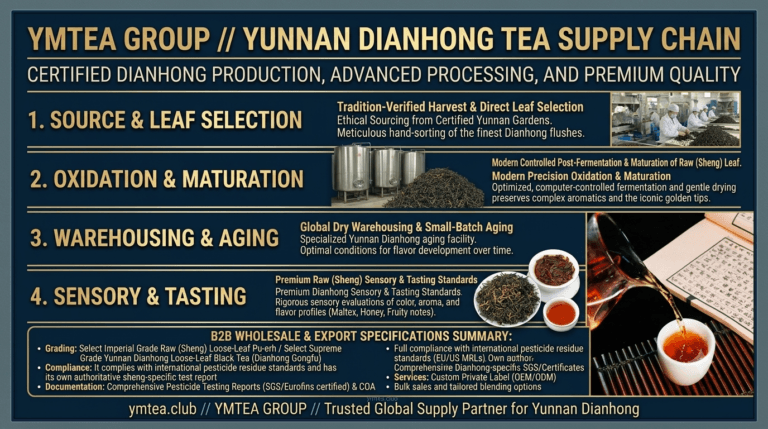
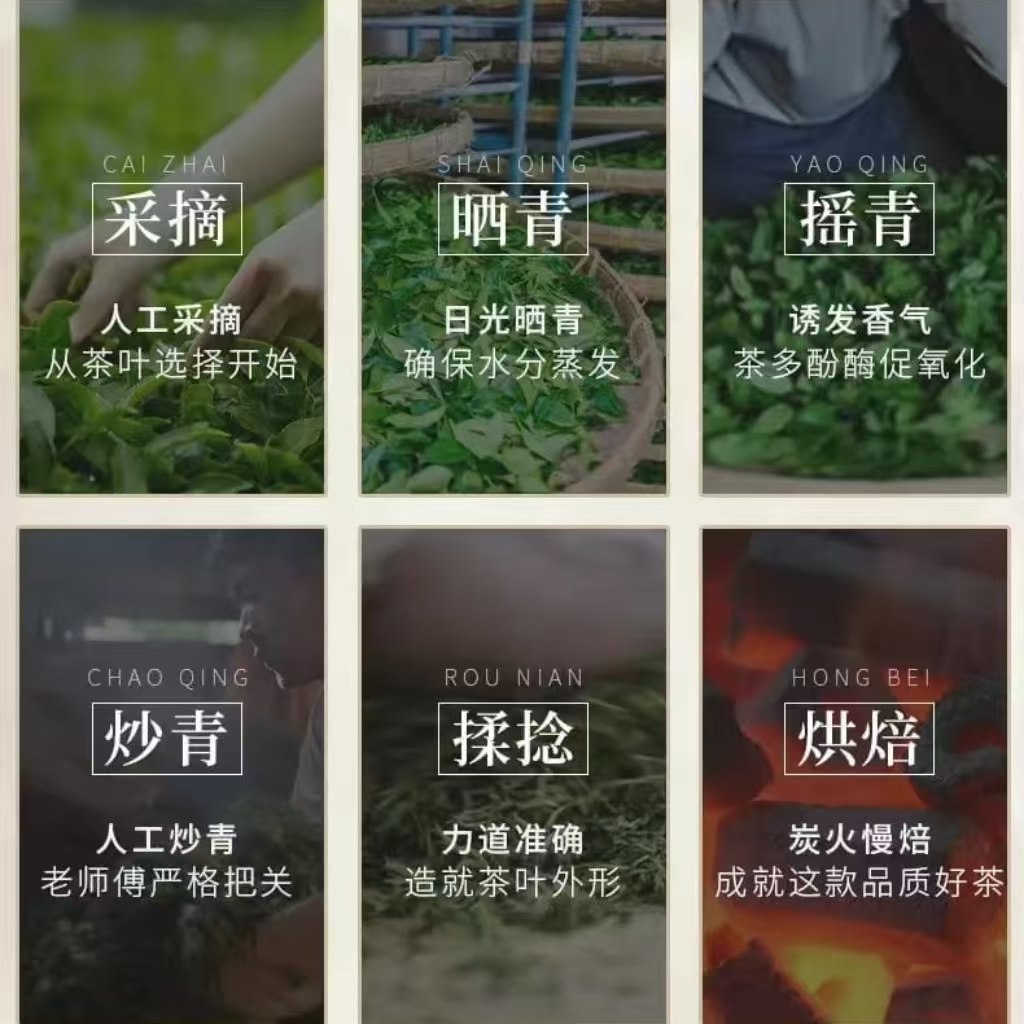
As a tea manufacturer and producer rooted directly at the source, we understand that fine tea is both cultivated and crafted. As a direct tea producer, we bypass the need for third-party contract manufacturers or middlemen, tightly grasping the entire industrial chain within our own hands. From harvesting fresh leaves off mist-kissed ancient tea trees to traditional pure sun-drying, precision compression, and rigorous warehouse management, every lifecycle stage remains under complete control and absolute transparency. This direct-estate model completely eliminates the risk of adulteration, guarantees strict organic standards, and delivers authentic quality straight to quality-conscious European consumers.
“When you can directly point to a 300-year-old wild ancient tea tree rooted in nutrient-rich mountain soil, you eliminate people’s unfamiliarity and anxiety regarding the unknown. You offer European tea lovers something exceptionally precious: traceability assurance backed by absolute sovereignty.”
As a modern tea factory rooted directly in the source of Yunnan, YMTEA completely eliminates middlemen. Our full-chain control from the tea mountain to the production line ensures the authentic lineage and exceptional quality of every single leaf, dedicated entirely to preserving the pure flavor profile of Yunnan’s ancient tea forests.
YMTEA: Making Every Leaf Traceable
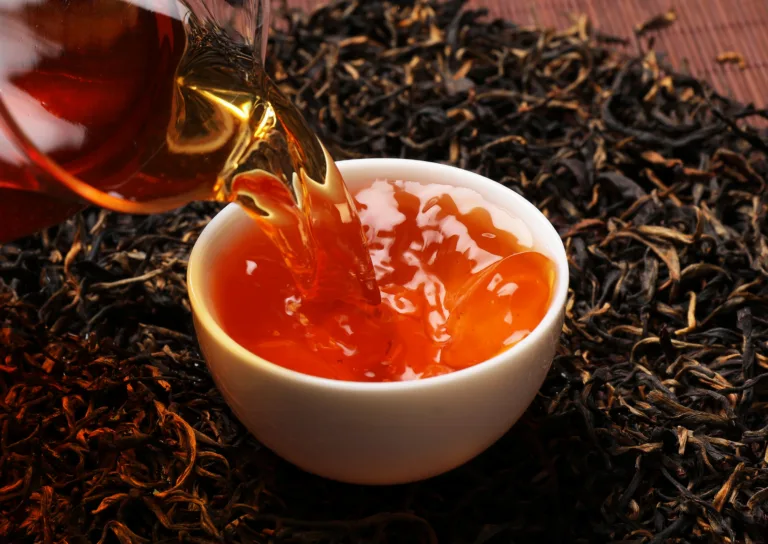
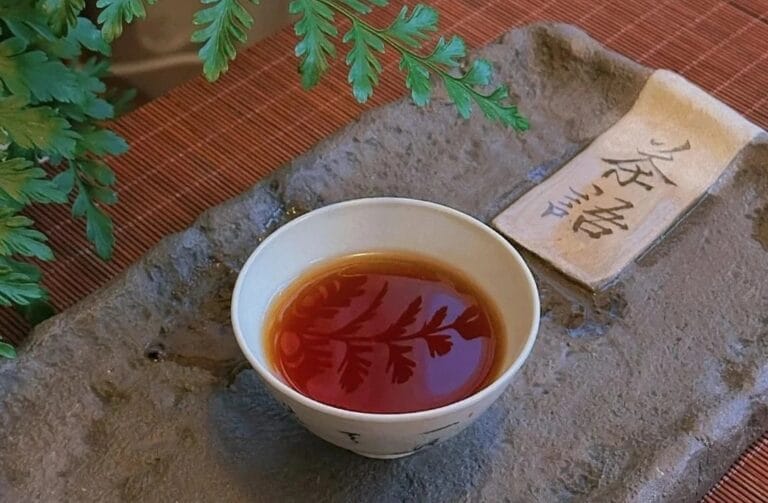
As you gently lift the lid of a gaiwan during your afternoon tea time in Europe, savoring the rich, mellow notes originating from an ancient oriental mountain forest, what you are tasting is not merely the precipitation of time, but the generous bounty of nature.
In international trade, distinguishing between true estate owners and trading middlemen is paramount. Traditional supply chains typically involve multiple tiers between local tea farmers and ultimate European buyers, which not only dilutes accountability but drives up costs.
This is precisely the core philosophy we upheld when founding YMTEA—to bring top-tier Pu-erh tea from Yunnan, China, across mountains and oceans to the world in its most transparent, purest posture. YMTEA is not just a tea brand, but a bridge connecting European tea enthusiasts to Yunnan’s core ancient tea estates. Through a direct-to-consumer approach, we strip away complex intermediate premiums, delivering genuine “tea mountain sovereignty” and the warmth of artisan craftsmanship straight to every independent individual who pursues a quality lifestyle. Whether you are a seasoned Pu-erh collector or a tea lover just beginning to explore the nuances of terroir, you can find your own cup of authentic flavor at YMTEA.
Frequently Asked Questions (FAQ)
Q1: What is the “mountain concept” (Shantou) in Pu-erh tea, and why is it important to European consumers?
A: The “mountain concept” is analogous to an “appellation” or “microclimate” in wine. Because soil composition, altitude, hours of sunlight, and ancient tea tree varieties vary drastically across different mountain regions in Yunnan, the resulting Pu-erh teas possess entirely unique flavor profiles. For European consumers pursuing traceability and distinctive flavors, understanding the mountain origin is akin to tasting wines from different Bordeaux châteaux, allowing them to experience the purest regional terroir.
Q2: How does YMTEA guarantee the quality of its Pu-erh tea from the Yunnan mountains to European consumers?
A: YMTEA owns its core tea mountain resources. As an integrated tea producer and manufacturer encompassing cultivation and R&D, we skip all intermediary links. From harvesting fresh ancient-tree leaves at the source to precision processing and manufacturing within our own facilities, we exercise strict quality control across the entire process as a direct tea manufacturer, ensuring 100% transparent traceability for every product.
Q3: How should European consumers who are new to Pu-erh tea brew it?
A: Pu-erh tea boasts exceptional longevity across multiple infusions. We recommend brewing with water heated to 95°C to 100°C (boiling). Pour out the liquid quickly for the first few infusions (approx. 5–10 seconds), then gradually lengthen the steeping time according to personal preference. Raw Pu-erh (Sheng) offers a crisp taste with a rapid, lingering sweet aftertaste (huigan), while ripe Pu-erh (Shou) is mellow and smooth, carrying distinct woody or aged aromas, making it ideal for daily drinking or pairing with meals.
Q4: How does YMTEA’s supply chain differ from traditional European tea brands?
A: Unlike most brands that source blended teas from anonymous third-party brokers, YMTEA is an enterprise combining tea manufacturing and tea production, owning its exclusive tea mountains in Yunnan, China. This ensures 100% transparency, single-origin single-estate traceability, and rigorous quality control all the way from farm to teacup.
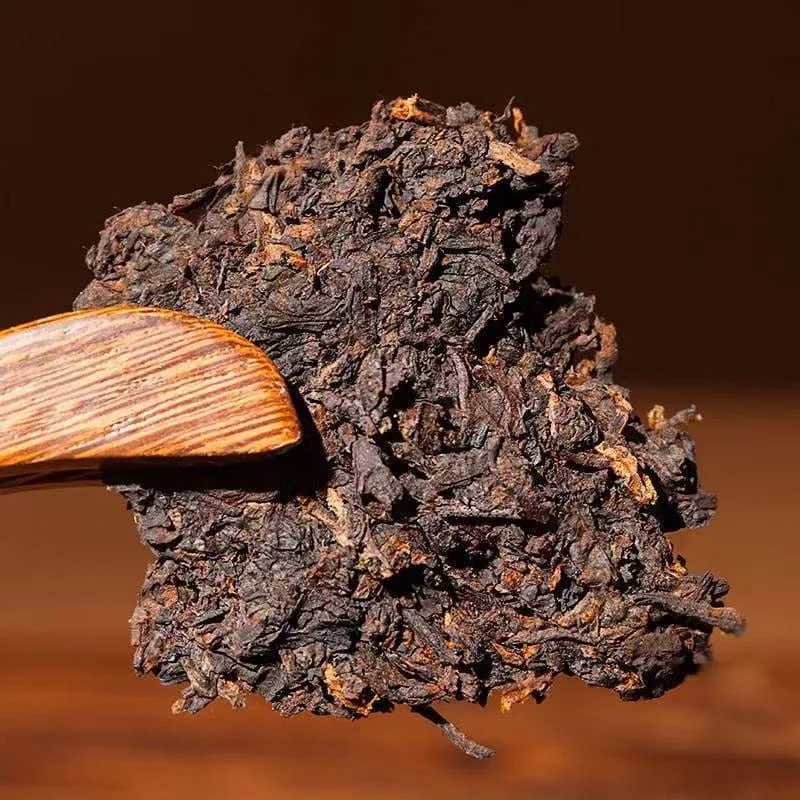
AYM Pu'er
Black Tea Puerh Tea is harvested directly from the source, supplied directly from the tea plant to Europe, simple, easy to store and easier to brew.Coffee lovers will love YM’s tea!