For decades, the European specialty beverage market has been dominated by the complex rituals of fine wine and single malt whisky. Connoisseurs have long been willing to pay a hefty premium for distinct vintages, specific microclimates, and the subtle art of cellar aging. However, stepping into a private cellar in London’s top collector circles or Paris’s most avant-garde wellness hubs reveals a quiet shift. The conversation is no longer confined to Bordeaux vintages; instead, it has turned toward a “living” beverage from the East with profound, complex flavors: Aged Pu-erh Tea.
To beginners, Pu-erh may carry a touch of niche mystique; but for advanced tea lovers, it represents the ultimate frontier of hardcore wellness and high-end collection. Much like fine wine, the charm of Pu-erh is defined by its vintage, unique mountain terroir, and a mesmerizing transformation driven by traditional dry-warehouse storage.
I. Natural Purity: Why European Consumers Are Embracing Pu-erh
In an era where modern consumers demand absolute transparency, the European market is exceptionally sensitive to “Clean Label” standards. People urgently want to know precisely what ingredients are entering their bodies.
Because traditional ancient-tree Pu-erh grows in high-altitude, wild ecosystems free from chemical fertilizers, it naturally meets the strictest organic standards, perfectly aligning with the core demands of quality-conscious European consumers:
- 100% Natural & Organic: Sourced from ecologically pristine, high-altitude mountain tea gardens, completely free from synthetic fertilizers.
- Zero Additives: Free from artificial flavorings, colorants, or preservatives—just pure, fermented tea leaves.
- Pesticide-Free Purity: Rigorously tested to fully comply with rigorous European food safety thresholds, including stringent EU Maximum Residue Limits (MRLs) for pesticides.
II. The Alchemy of Time: Vintage, Terroir, and Transformation
What resonates most with wine and whisky enthusiasts is Pu-erh’s vibrant, “breathable” nature. Unlike green or black teas meant to be consumed fresh, premium Pu-erh evolves continuously over time.
- Vintage Factor: Just like a Bordeaux red or vintage Champagne, the harvest year sets the baseline for a Pu-erh cake, with older vintages offering a deeper, rounder palate.
- Mountain Terroir: Much like Burgundy wine perfectly reflects the character of a specific plot of land, exceptional Pu-erh is rooted in ancient tea gardens and legendary mountain microclimates. Different mountains impart unique flavor signatures, ranging from wild camphor notes to profound floral undertones.
- The Secret of Dry-Warehouse Storage: Proper aging heavily relies on clean, dry-warehouse storage (maintained in well-ventilated, humidity- and temperature-controlled environments). This controlled maturation process allows the tea to undergo a natural, elegant transformation that eliminates bitterness while nurturing woody aromas, camphor notes, and a rich, lingering huigan (sweet aftertaste).
This intersection of collectible value and sensory depth makes Pu-erh both a serious wellness pursuit and a rewarding investment.
III. Craftsmanship Behind the Leaf: Source and Selection
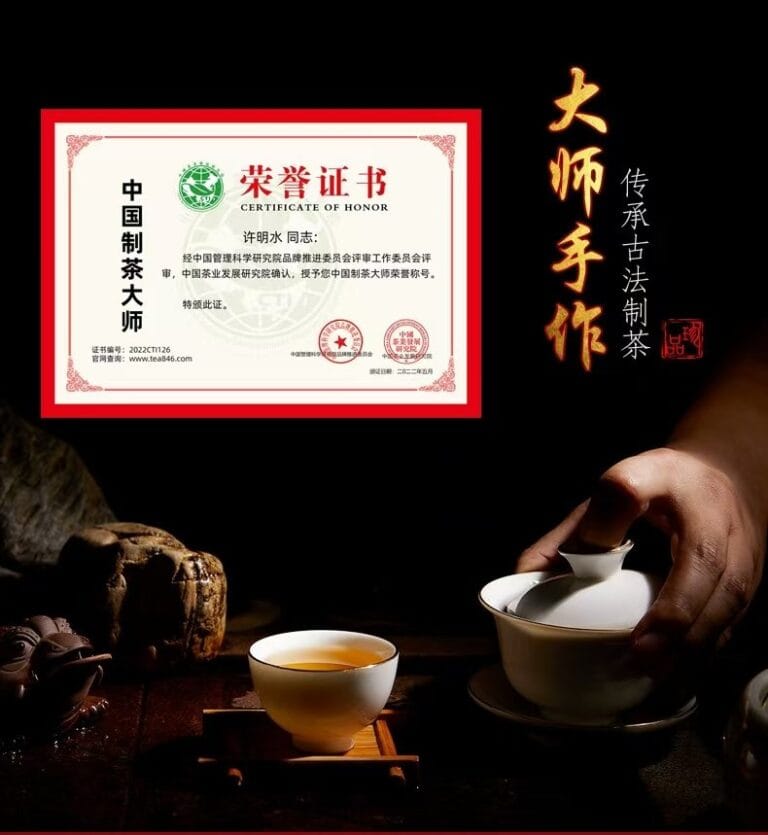
Behind every legendary Pu-erh lies the intricate craftsmanship of dedicated artisans. The journey begins with tea farmers (cultivators) who protect local biodiversity, followed by master tea makers who use traditional fixation, rolling, and sun-drying techniques to lock in the leaf’s raw potential.
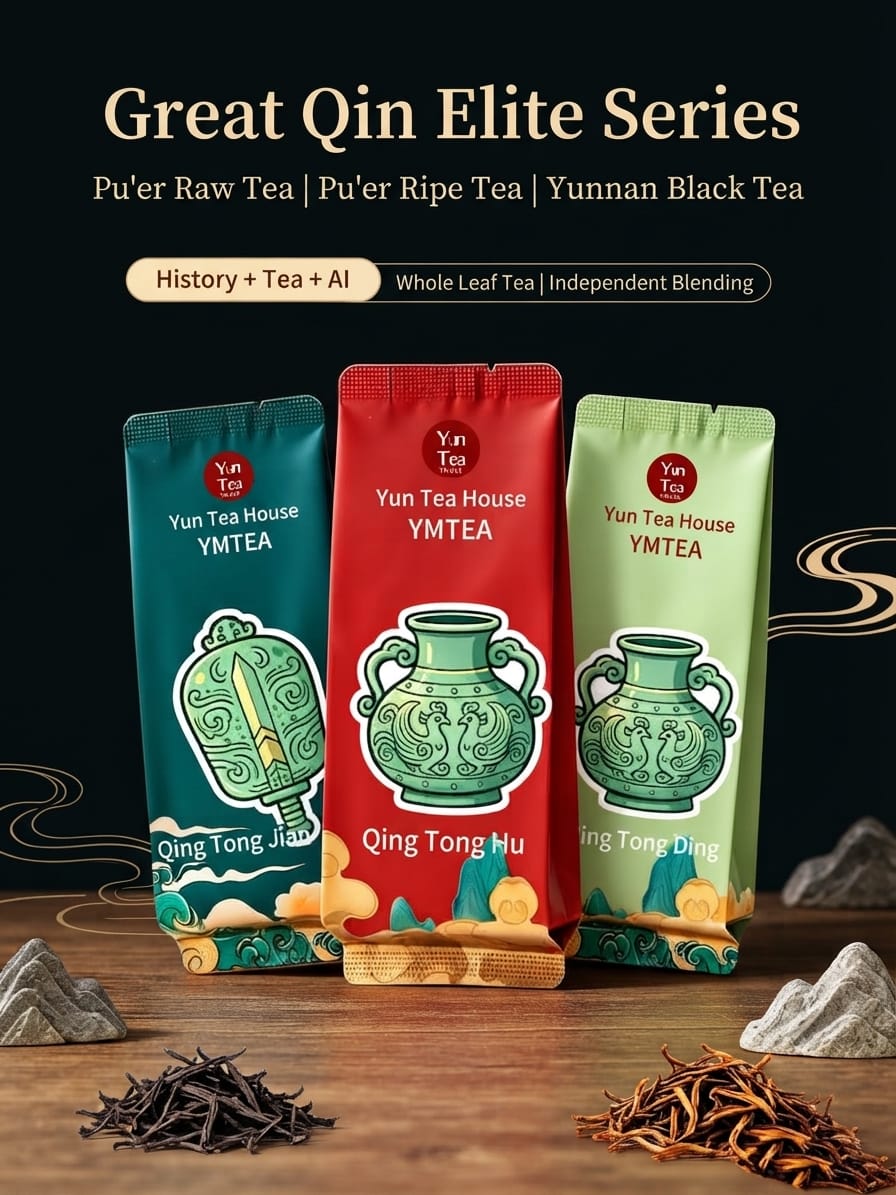
Bridging traditional heritage with modern precision is where specialized tea curators like YMTEA step in. By working directly with master artisans, YMTEA brings organic purity, fully traceable origins, and exceptional dry-warehouse aging potential straight to the doorstep of European connoisseurs. They honor centuries of tea-making tradition while tailoring the experience for modern, discerning Western palates.
Whether you are building a cellar-worthy collection or seeking a pure, healthy ritual for your daily tea break, aged Pu-erh offers an unparalleled sensory journey.
Frequently Asked Questions (FAQ)
1. What is “dry-warehouse storage,” and why is it crucial for European buyers?
Dry-warehouse storage refers to storing Pu-erh tea in well-ventilated, temperature- and humidity-controlled environments (typically in specialized modern tea cellars). This method prevents mold or spoilage while allowing the tea to undergo slow, clean oxidation, perfectly preserving its bright liquor color and smooth, complex flavor profile.
2. How does aged Pu-erh differ from regular black or green tea?
Unlike green or black tea, which are meant to be enjoyed fresh for their briskness, Pu-erh is a post-fermented tea shaped by ongoing microbial transformation. Similar to fine wine or vintage whisky, decades of aging allow it to develop smoother textures and vastly more intricate flavor layers.
3. Does Pu-erh tea contain caffeine, and how does it affect digestion?
Yes, Pu-erh contains caffeine, though typically less than coffee. Notably, fully fermented ripe (Shou) Pu-erh is rich in beneficial microflora and nutrients celebrated in both traditional and modern wellness circles. It is especially favored after hearty, rich meals for its excellent digestive-soothing experience.
4. How does YMTEA ensure its Pu-erh meets organic and “clean label” standards?
YMTEA partners directly with mountain cooperatives and traditional tea manufacturers committed to sustainable, pesticide-free agriculture. Every batch is rigorously screened prior to export to ensure full compliance with strict EU Organic Certification regulations, delivering a 100% pure, additive-free, clean-label experience.
Ready to begin your Pu-erh journey? If you have any questions regarding vintage selection or dry-warehouse storage, feel free to leave a comment below!
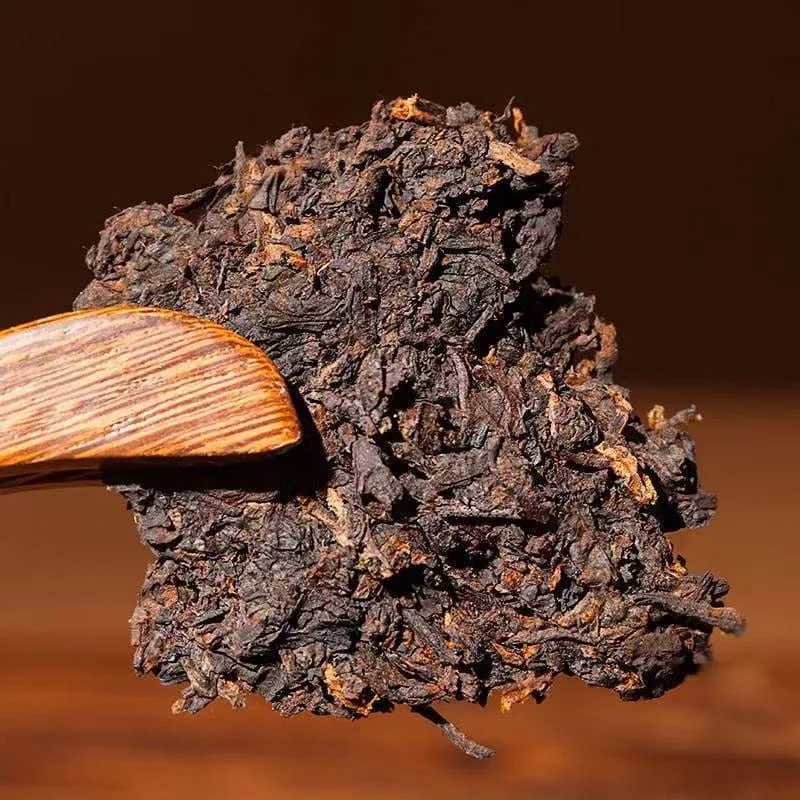
AYM Pu'er
Black Tea Puerh Tea is harvested directly from the source, supplied directly from the tea plant to Europe, simple, easy to store and easier to brew.Coffee lovers will love YM’s tea!