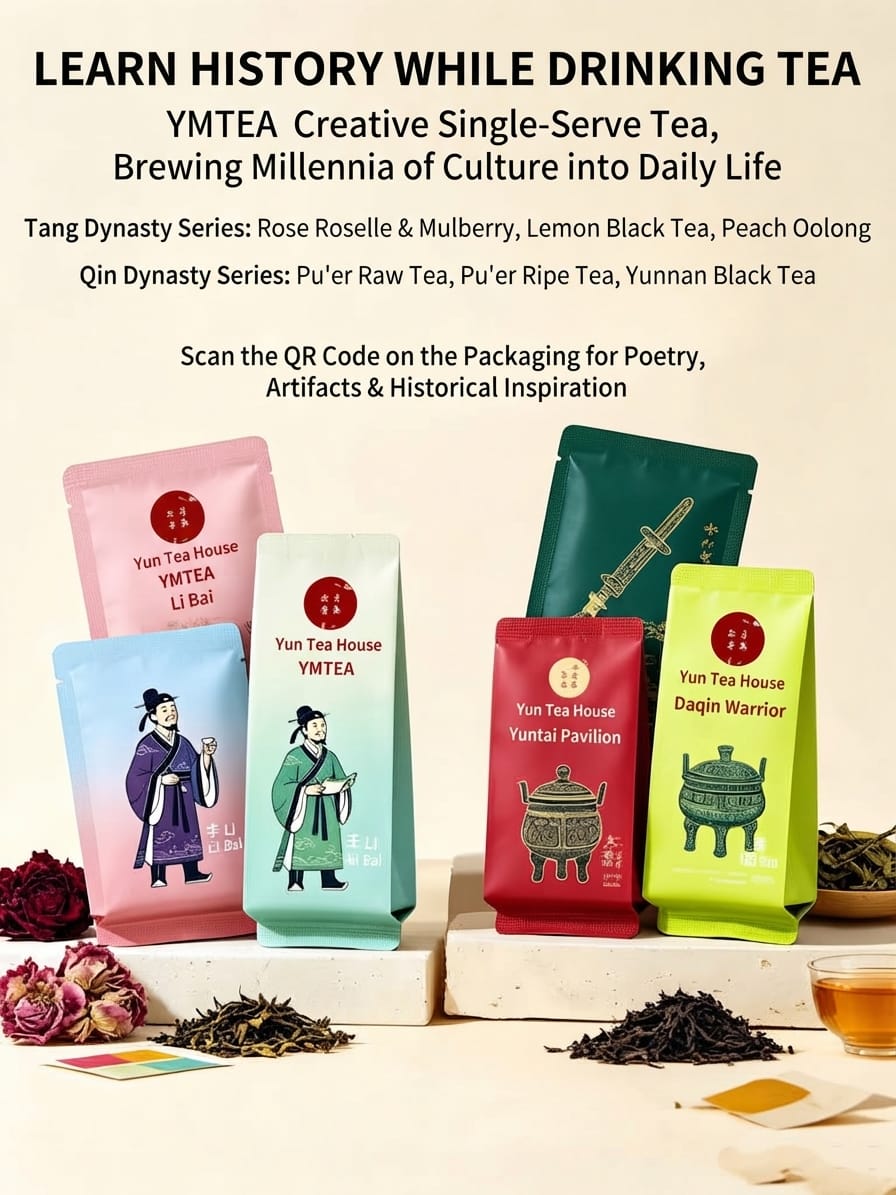
In traditional tea-drinking hubs like the UK and Ireland, afternoon tea culture runs deep, and consumers have both a high familiarity with and a discerning eye for black tea. However, this also presents the core pain point for modern tea brands: conventional industrial blended black teas often offer a flat flavor profile accompanied by a distinct bitter astringency, making it remarkably difficult to make waves in a mature European market. When facing discerning local palates, how can a brand carve out a unique space within heavy-weight traditional tea cultures?
As a long-term observer of the European tea and lifestyle landscape, I’ve found that the answer is remarkably pure, pointing to two key pillars—“Terroir” and “Flavor Innovation.”
In a fiercely competitive market, relying solely on traditional teabag blends is no longer enough to break through. So, how can brands step outside the conventional blending framework to truly capture the taste buds of consumers in London, Berlin, and across broader Europe?
1. Oriental Terroir: Moving Beyond Single-Note Astringency to Embrace Natural Floral, Fruity, and Pine-Smoke Notes
Traditional afternoon teas in the UK and Ireland heavily rely on robust, heavily blended teas designed to pair with milk. However, with the widespread popularity of specialty coffee and specialty beverages, European consumers are experiencing an awakening, developing a heightened appreciation for the nuanced layering of tea liquor itself. Facing Europe’s soaring demand for high quality, premium Chinese black teas—exemplified by Yunnan Dianhong and Fujian Lapsang Souchong—offer an unmatched, transformative competitive advantage that perfectly fills this market gap.
I frequently emphasize to brand owners and buyers: the reason these renowned teas command such high prestige in European specialty markets lies entirely in their unique terroir code. Exceptional tea manufacturers and producers utilize meticulous mastery over traditional withering, rolling, and fermentation techniques to impart pure, natural honey-like sweetness and vibrant floral-fruity aromas to the leaves. These natural fragrances require no artificial additives, delivering a silky, sweet-aftertaste (Hui Gan) profile completely free of bitterness on the palate, subverting the traditional misconception that black tea “must be masked with sugar and milk to hide the astringency.”
2. Modern Mixology & Iced Tea Trends: Empowering European Summer Cold Brews and Healthy Lifestyle Trends
Across Europe, tea consumption scenarios have long expanded beyond the traditional afternoon porcelain cup. Especially during the summer months, European youths heavily favor refreshing cold beverages. Traditional black teas are frequently marginalized due to high tannin content, cream-down (cold-water turbidity), or poor cold-brewing performance. However, elite tea manufacturers are breathing fresh modern life into black tea by optimizing blending ratios and fixing processes:
- Cold Brew: Utilizing low-temperature, long-extraction methods reduces tannin release, yielding a clean, crisp, and refreshing tea liquor that perfectly aligns with Europe’s thriving clean label and light-diet trends.
- Fruit Tea Blends: Pairing naturally fruity Dianhong with Mediterranean citrus, tropical passion fruit, or ripe berries creates layered, summer-specialty drinks with a perfect sweet-tart balance.
- Plant-Based Milk Tea Bases: Catering to Europe’s massive vegetarian and lactose-intolerant demographic, premium black tea demonstrates incredible versatility, blending seamlessly with oat milk, coconut milk, or almond milk to serve as a low-calorie, health-conscious milk tea base.
3. Supply Chain Empowerment: How to Choose the Right Premium Black Tea Partner
For sellers and brand owners looking to break into the European market, partnering with globally-minded, premier tea manufacturers is critical. When vetting potential supply chain partners, focus heavily on the following dimensions:
- Origin Control: Deeply rooted in core tea mountains, ensuring every leaf originates from pristine, ecologically sound golden growing regions.
- Regulatory Compliance: Strictly compliant with rigorous European Union (EU) pesticide residue and heavy metal testing standards, clearing away compliance hurdles.
- Customized Blending Capabilities: The agility to design proprietary flavor profiles tailored to specific European preferences (such as robust profiles for the UK or fruit-forward preferences in Southern Europe).
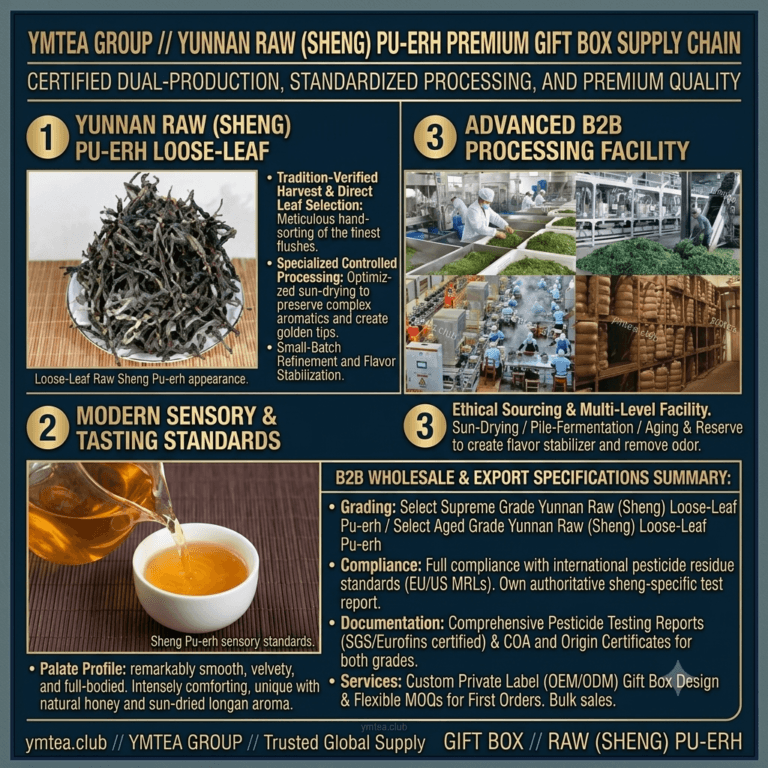
In my long-term observations, forward-thinking platforms like YMTEA have dedicated themselves to bridging the gap—delivering premium loose-leaf teas sourced from high-altitude ecological tea gardens directly to European local warehousing while fully meeting stringent EU standards. Through rigorous laboratory testing, stable supply chains, and specialized water-profile solutions engineered to handle Europe’s generally hard tap water, YMTEA ensures that consumers experience absolute consistency whether enjoying a hot brew on a drizzly London afternoon or an iced specialty drink on a sun-drenched Berlin summer day.
Breaking out of the homogeneity trap in mature Western markets does not mean abandoning tradition. Instead, it means elevating tradition to unprecedented heights through exceptional terroir, sustainable transparency, and innovative brewing methodologies tailored to modern European lifestyles.
I look forward to embarking on this new chapter of European tea culture right alongside you!
Frequently Asked Questions (FAQ)
Q1: Why can Chinese black teas successfully carve out new markets in independent European stores despite the region’s deep-rooted tea traditions?
A1: Although traditional European black teas have a long history, they are predominantly mass-market, industrialized blends that taste uniform and often carry a bitter edge. Premium Chinese black teas (such as Yunnan Dianhong and Lapsang Souchong) offer a differentiated alternative defined by natural floral-fruity notes, honeyed aromas, and a smooth, sweet aftertaste that appeals directly to European consumers seeking higher quality and fresh sensory experiences.
Q2: What innovative trends exist for black tea applications in modern mixology and iced tea among European youth?
A2: European youths heavily favor clean, refreshing, and health-conscious cold drinks during the summer. Black tea is widely utilized locally in cold brews, fruit tea pairings featuring Mediterranean citrus profiles, and low-calorie milk tea bases paired with plant milks like oat or coconut, vastly expanding traditional consumption scenarios.
Q3: Why is emphasizing “natural terroir and zero additives” so crucial when marketing tea in Europe?
A3: European consumers possess highly mature health-conscious mindsets, strongly embracing “Clean Label” and all-natural product philosophies. Highlighting that Chinese black teas rely entirely on natural terroir and exquisite craftsmanship—free of artificial flavorings—makes it much easier to build trust and drive high-value repeat purchases.
Q4: How does hard tap water across many regions of Europe affect specialty tea brewing, and how can it be resolved?
A4: High mineral content in European hard water frequently causes standard tea liquors to taste flat, murky, or overly astringent. Modern tea manufacturers resolve this by optimizing processing parameters and meticulously selecting specific tea cultivars (such as those curated via platforms like YMTEA), ensuring the infusion remains bright, crystal-clear, and robustly flavored even when brewed with local hard water.
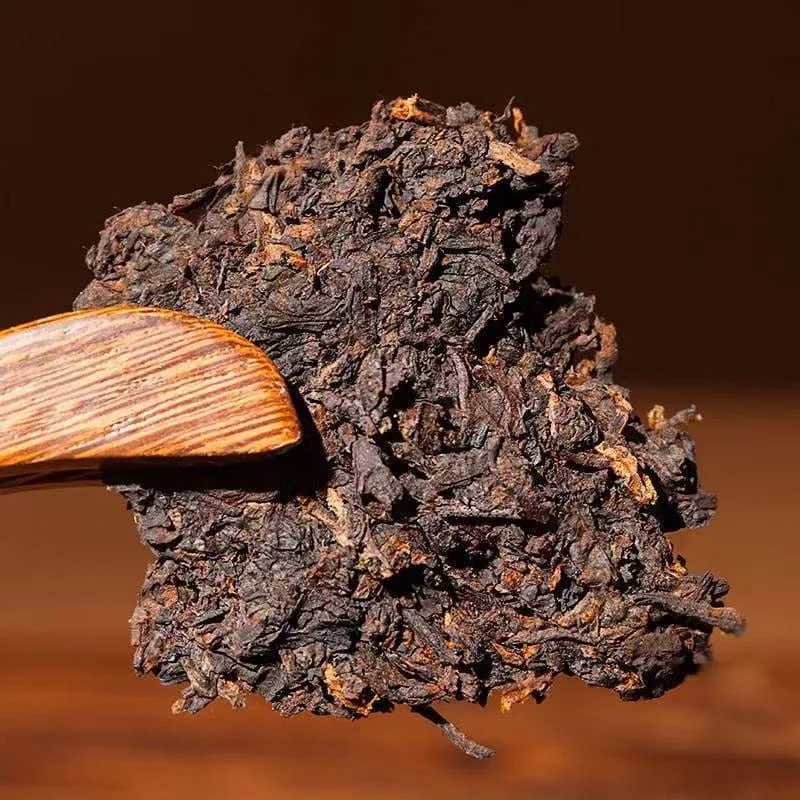
AYM Pu'er
Black Tea Puerh Tea is harvested directly from the source, supplied directly from the tea plant to Europe, simple, easy to store and easier to brew.Coffee lovers will love YM’s tea!