


Heritage Xinhui Chenpi
A timeless citrus-peel tradition, appreciated for its distinctive aroma, evolving character and place in Chinese tea culture.
Product overview: YMTEA Heritage Xinhui Chenpi is a dried citrus-peel product for tea infusion and selected culinary uses. Ask YMTEA for the current batch specification, verified origin and ageing records, available packaging, wholesale pricing and destination-specific documents at ymg@ymtea.club.
Discover the character of aged dried citrus peel through its appearance, fragrance and traditional preparation methods. YMTEA Heritage Xinhui Chenpi is presented for tea enthusiasts, specialist retailers and buyers seeking a distinctive Chinese tea-culture product.
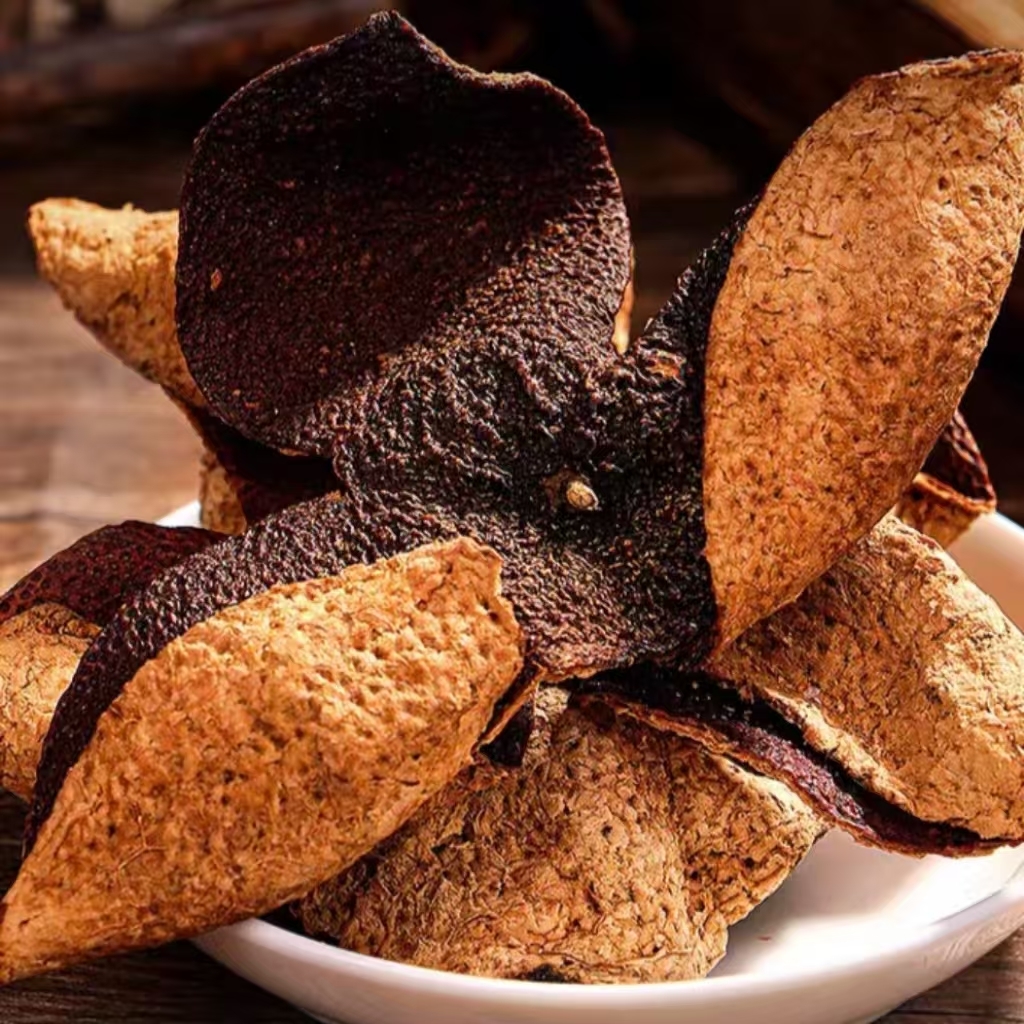
Heritage · Aroma · Tea Culture
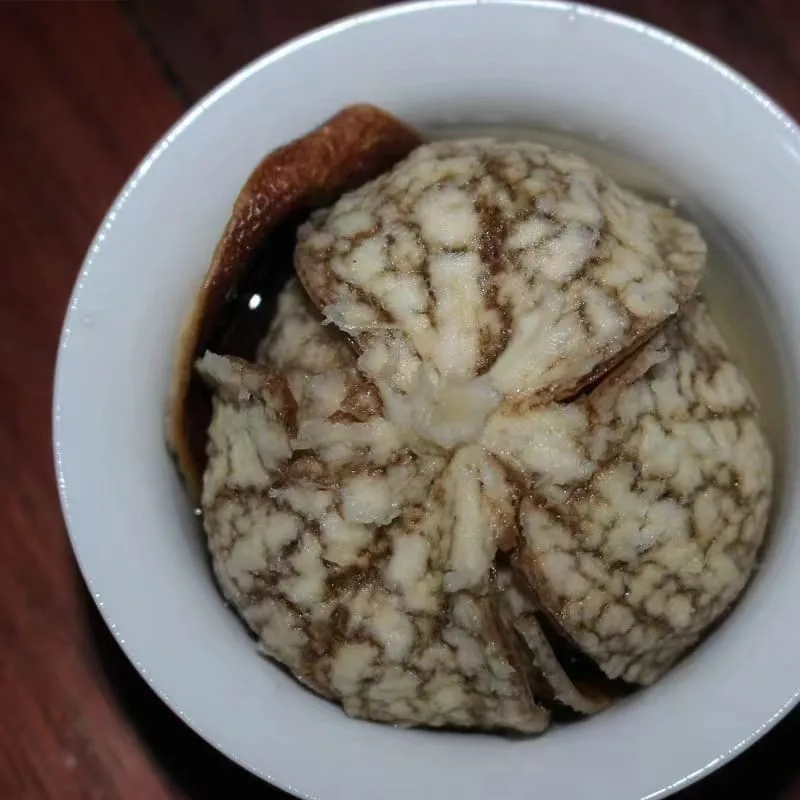
A Citrus Tradition Shaped by Time
Chenpi is dried citrus peel traditionally used in Chinese food culture, tea preparation and selected traditional recipes.
Its aroma and flavour can change with the citrus variety, peel maturity, drying method, storage environment and age. Depending on the material and preparation, the sensory profile may include citrus, sweet-spicy, woody or earthy notes.
Xinhui, in Guangdong Province, is widely associated with the tradition of making Chenpi. For any specific product described as authentic Xinhui Chenpi, buyers should review the origin information and traceability records for the actual batch.
- Traditional dried citrus peel product
- Distinctive aroma suitable for tea and culinary exploration
- Multiple preparation methods, including steeping and simmering
- Origin and storage details can be requested for product evaluation
Discover Chenpi from Different Perspectives
Explore the product's appearance and presentation. Please refer to the current batch label and product specification for confirmed origin, age, grade and packaging details.
Traditional Appearance
Observe the peel's surface, colour and overall presentation when assessing a Chenpi product.
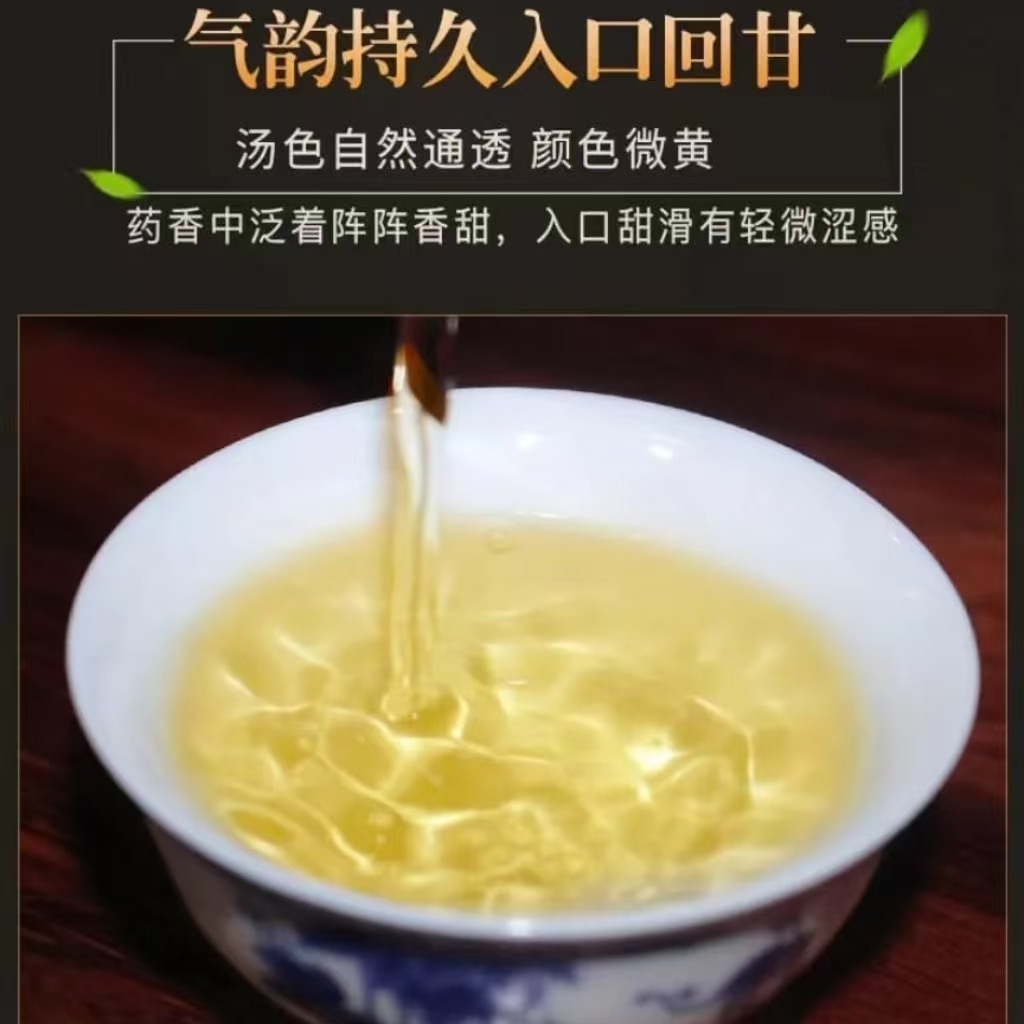
Texture and Detail
The peel's texture and condition are useful visual details when reviewing product quality and consistency.
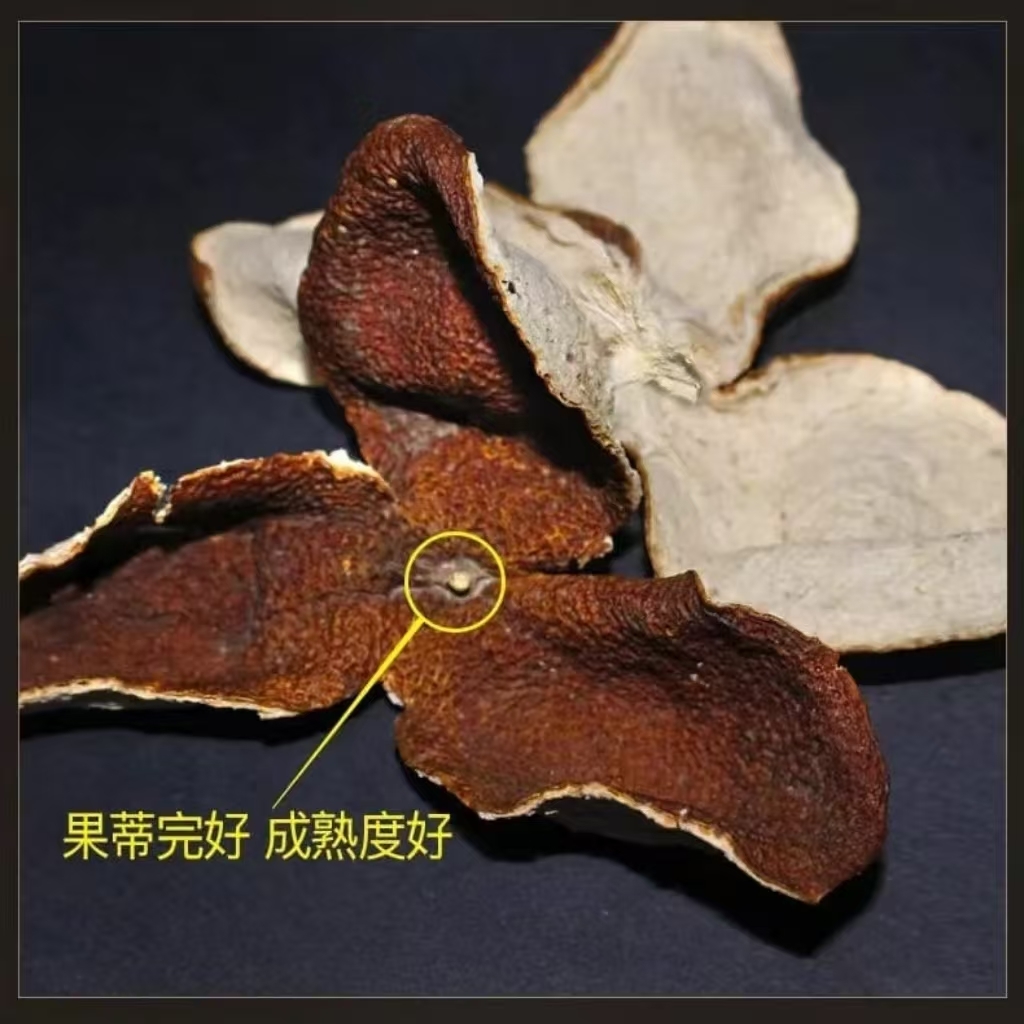
Heritage Presentation
A product for tea retailers, cultural gifting and customers interested in traditional citrus-peel preparation.
Explore the Aroma and Character
The actual flavour profile depends on the citrus material, processing, storage and brewing method. Use these sensory dimensions as a guide when tasting the product.
Citrus Fragrance
Dried citrus peel may retain a recognisable citrus character, which can be more pronounced or subdued depending on its processing and storage history.
Sweet-Spicy Notes
Some Chenpi develops warm, sweet-spicy or woody aromatic notes. Confirm the specific descriptors through tasting of the product batch.
A Flexible Brewing Style
Steeping and simmering can produce different levels of aroma and intensity. Adjust the peel quantity and time to suit your preferred cup.
A Versatile Ingredient with a Long Tradition
Chenpi can be enjoyed on its own as a brewed infusion or explored as an aromatic addition to selected tea and culinary preparations.
Enjoy It as a Simple Infusion
Simmering dried citrus peel in water is a straightforward way to explore its aroma. Start with a small quantity, taste as you go and adjust the strength to your preference.
Pair It with Tea
Chenpi is sometimes paired with Pu-erh and other teas to create a different aromatic profile. Begin with a small piece so the citrus character complements rather than overwhelms the base tea.
Explore Traditional Recipes
Chenpi also appears in traditional Chinese culinary and herbal preparations. Such historical use should not be interpreted as proof that a particular product treats medical conditions.
YMTEA Heritage Xinhui Chenpi
Product information for prospective customers and wholesale buyers. Confirm the actual batch details before publishing specific origin, age or processing claims.
| Product Name | YMTEA Heritage Xinhui Chenpi (Aged Dried Citrus Peel) |
|---|---|
| Product Category | Dried citrus peel for tea preparation and culinary use, subject to product labelling. |
| Origin | Xinhui, Guangdong, China, if confirmed by the product's traceability and sourcing documentation. |
| Raw Material | Citrus peel. Confirm the citrus variety and ingredient information on the current product specification. |
| Grade and Selection | Request the applicable grading standard, selection criteria and batch specification from YMTEA. |
| Age and Storage | Confirm the documented production date, storage period and storage conditions for the actual batch. |
| Aroma Profile | Potential descriptors include citrus, sweet-spicy and woody notes; actual characteristics should be confirmed by tasting. |
| Preparation | Can be steeped or simmered in water. It may also be paired with selected teas, subject to personal preference. |
| Packaging | Confirm available package sizes, net weight, packaging materials and labelling details before ordering. |
| Wholesale | Contact YMTEA to discuss availability, minimum order quantity, pricing and destination-specific documentation. |
How to Brew Chenpi
Use these quantities as a starting point. The strength of the infusion depends on the peel, water volume and preparation time.
Make the Aroma Your Own
A small piece of Chenpi can be enough to begin exploring its aromatic character. Let the flavour guide your preferred preparation method.
For a lighter infusion, use less peel or shorten the steep. For a more concentrated cup, simmer gently and taste at intervals. Avoid assuming that a longer simmer is always better: the best result depends on the peel and your preferred flavour.
To create a Chenpi and Pu-erh blend, begin with a small piece of peel alongside your usual tea portion. Adjust the balance in later preparations based on the aroma and strength you enjoy.
Four Ideas for Everyday Use
Explore Chenpi as a beverage and culinary ingredient. Choose uses that match the product's label and preparation guidance.
Tea Break
Brew a small piece on its own for an aromatic, warm drink during a break in the day.
After-Meal Beverage
Serve as a traditional-style citrus infusion after a meal, without promising digestive or medical effects.
Tea Blending
Experiment with a small amount alongside Pu-erh or another tea to explore complementary aromas.
Food Culture
Explore its role in selected Chinese culinary traditions and recipes using verified preparation guidance.
Why Explore YMTEA Chenpi?
Support your product range with clear specifications, thoughtful presentation and transparent sourcing information.
YMTEA welcomes enquiries from tea retailers, specialist shops, distributors, hospitality businesses and buyers interested in traditional Chinese tea-related products.
Request current information about ingredients, net weight, packaging, storage and preparation.
Ask for available sourcing records and supporting documents for any specific origin or age claim.
Enquire about available product images, product descriptions and preparation guidance for your sales channels.
Confirm which laboratory reports, certificates and shipping documents are available for your destination.
Looking for a Chenpi Supplier?
Tell us about your market and intended order so the relevant product and shipping information can be confirmed.
- Product availability and package sizes
- Wholesale pricing and minimum order quantity
- Origin, age and storage documentation
- Product photography and preparation information
- Applicable export and destination requirements
Explore Tea-Growing Regions
Learn more about tea origins and regional traditions. For Chenpi, confirm the specific citrus origin using the product's supporting records.
About YMTEA Heritage Chenpi
Q1. What is Xinhui Chenpi?
Chenpi is dried citrus peel traditionally used in Chinese tea and food culture. Xinhui, in Guangdong Province, is associated with Chenpi production. A specific product's geographical origin should be confirmed through its sourcing and traceability information.
Q2. How can I verify the product's age?
Ask for reliable batch records, production dates and documented storage history. Appearance or aroma alone cannot conclusively establish a precise ageing period.
Q3. Does the product have a special hard-water formula?
Water mineral content can influence the taste and appearance of an infusion. Any claim that the product was specifically engineered to neutralize minerals or improve hard-water performance should be supported by appropriate testing.
Q4. Can Chenpi be simmered?
Simmering is one common preparation method. Start with a small quantity and a short preparation time, then adjust according to taste and the product's instructions.
Q5. Can I blend Chenpi with Pu-erh tea?
Chenpi is sometimes paired with Pu-erh and other teas. Begin with a small piece, taste the result and adjust the balance to suit your preference. Follow the ingredient and food-safety information for the products being combined.
Q6. Does Chenpi treat coughs or digestive problems?
This product page describes traditional context and preparation rather than making treatment claims. Traditional use does not establish that a particular product can prevent, treat or cure a medical condition. Consult a qualified healthcare professional for medical advice.
Q7. Is Chenpi suitable for emergency food storage?
This page does not certify the product for emergency stockpiling or multi-decade storage. Shelf life and safe storage depend on the product, packaging, moisture control and documented storage conditions. Follow the supplier's verified instructions.
Q8. What documents are available for wholesale orders?
Available documentation depends on the product, batch and destination. Contact YMTEA to confirm product specifications, any available laboratory reports and the export paperwork applicable to your order.
Bring Heritage Chenpi to Your Market
Whether you are sourcing for a tea shop, building a specialist product range or exploring traditional Chinese tea culture, contact YMTEA for current product details and wholesale enquiries.
Request Product & Wholesale Information by Email →