Yunnan Dianhong Black Tea
Bringing the character of Yunnan Dianhong black tea into a convenient single-serve format, this product combines selected loose-leaf tea with individually packed portions designed for professional tea service, retail and B2B product development.
The format is designed for buyers who want the sensory character of loose-leaf Yunnan black tea while making preparation and portion control easier for hospitality, retail and gifting environments.
Available for wholesale, private label and custom product development.
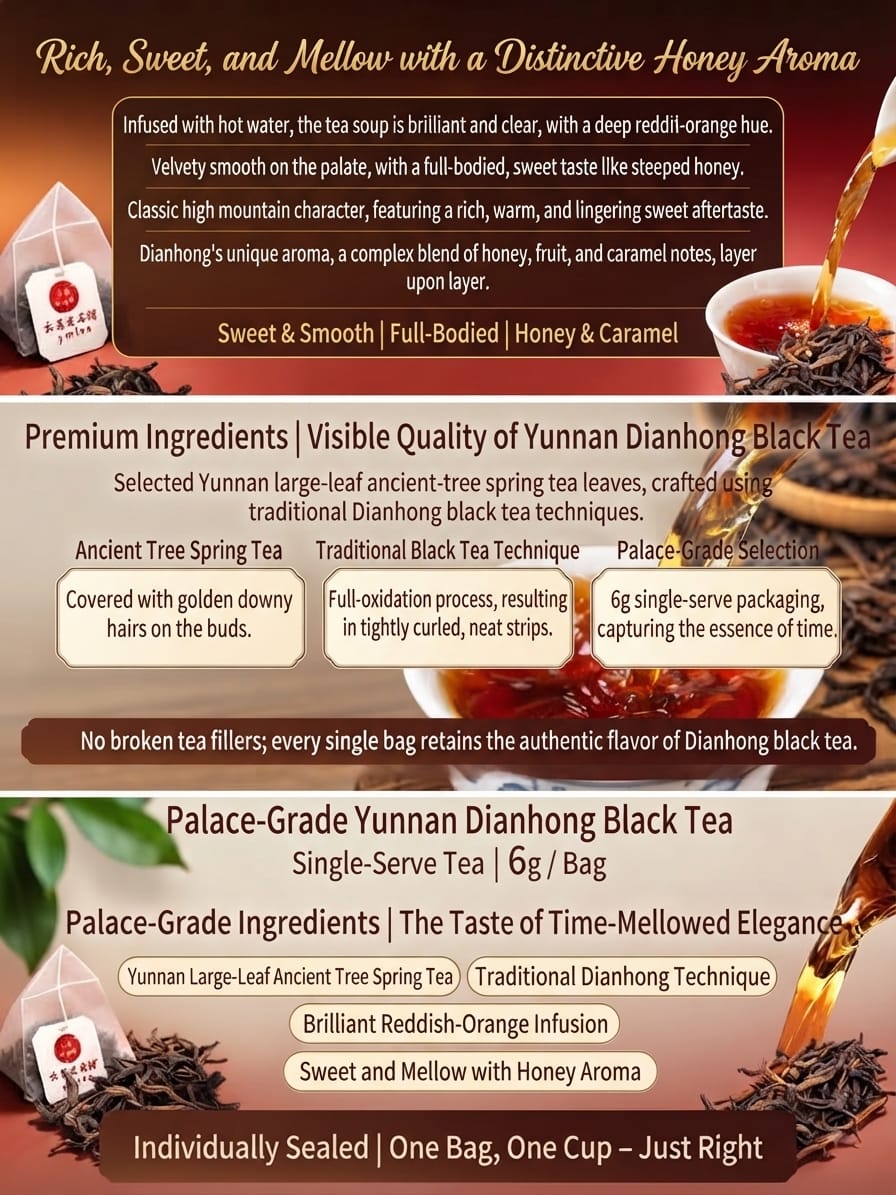
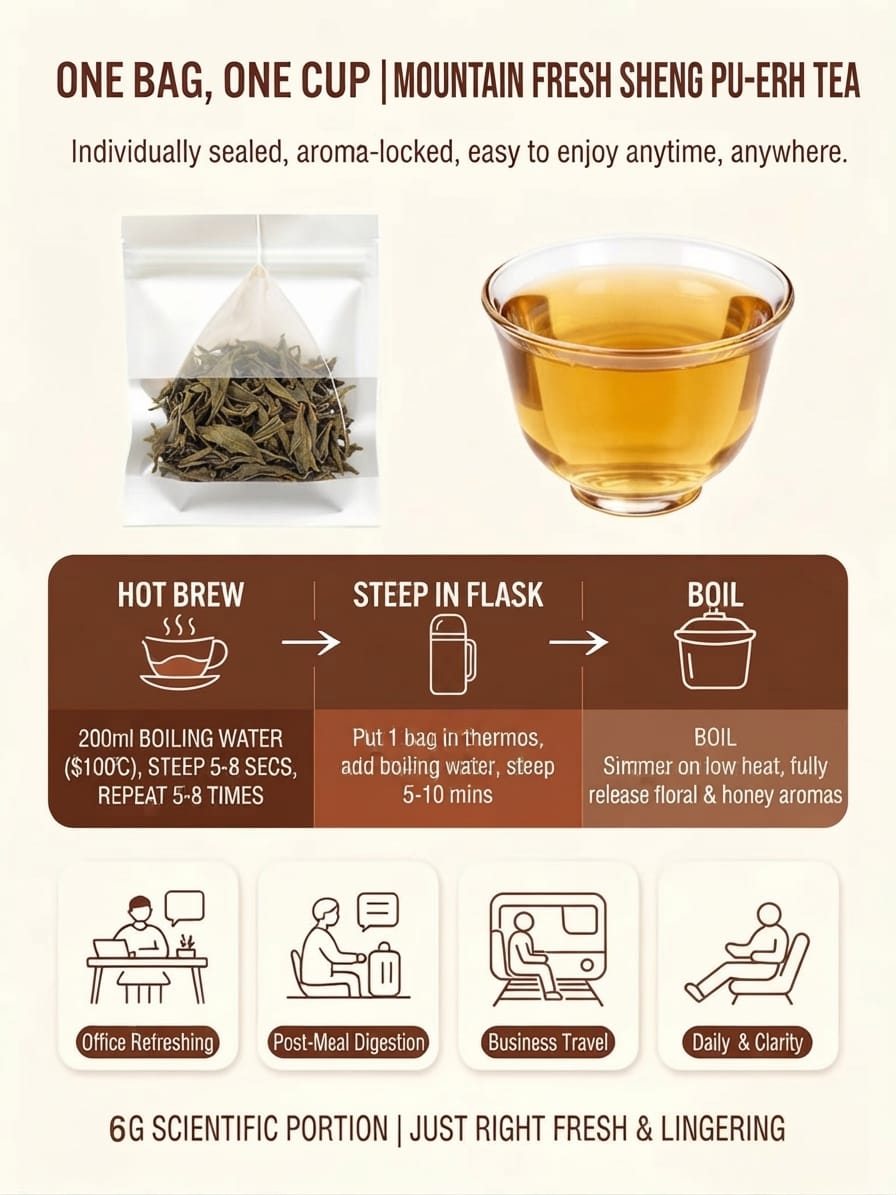
Wild Mountain Character Meets Modern Convenience
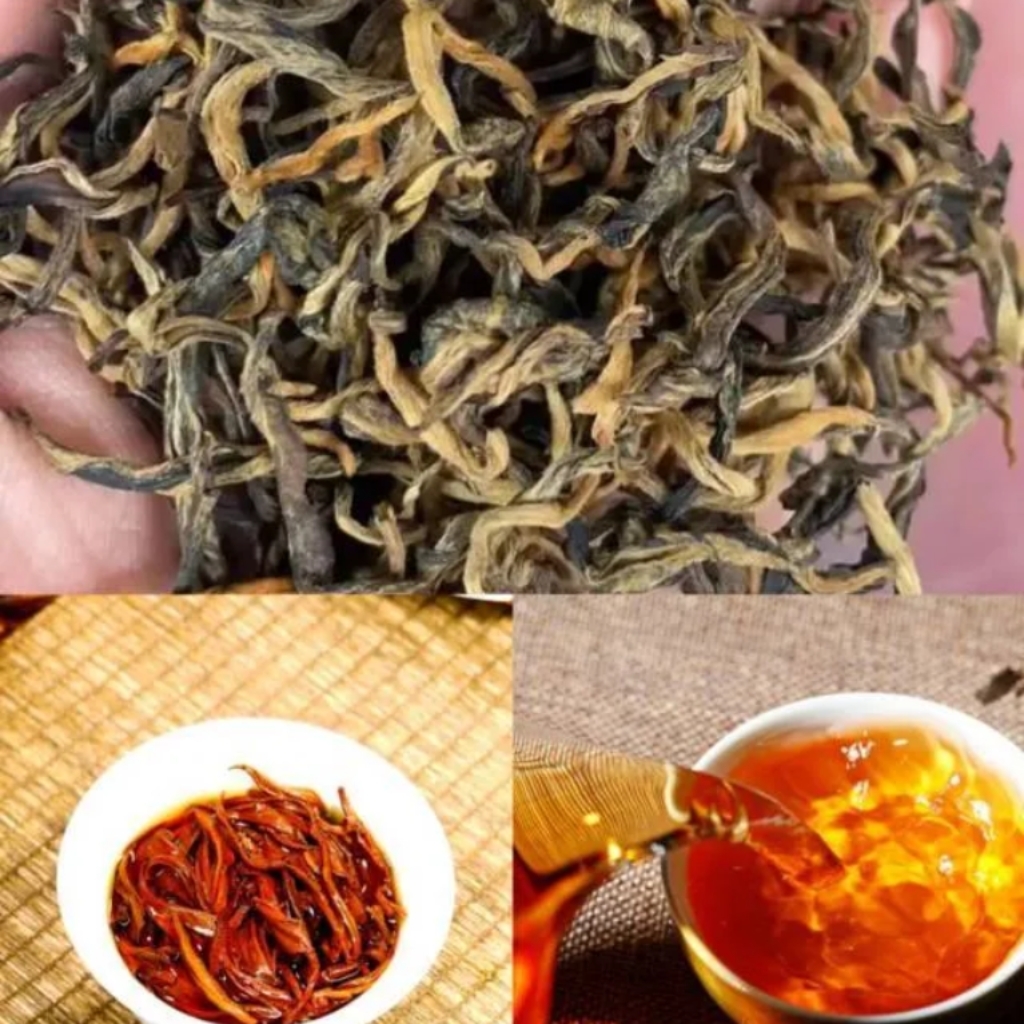
Dianhong is a distinctive style of Yunnan black tea known for its rich aroma, natural sweetness and full-bodied character. This product presents selected Dianhong in an individually packed single-serve format.
The concept combines the visual and sensory appeal of loose-leaf tea with a more convenient format for professional tea service, guest rooms, retail products, corporate gifting and specialty tea programs.
Each portion can be specified according to the final product formulation and packaging requirements, making the format suitable for both ready-to-sell products and private-label development.
Honey, Dried Longan & Malt Character
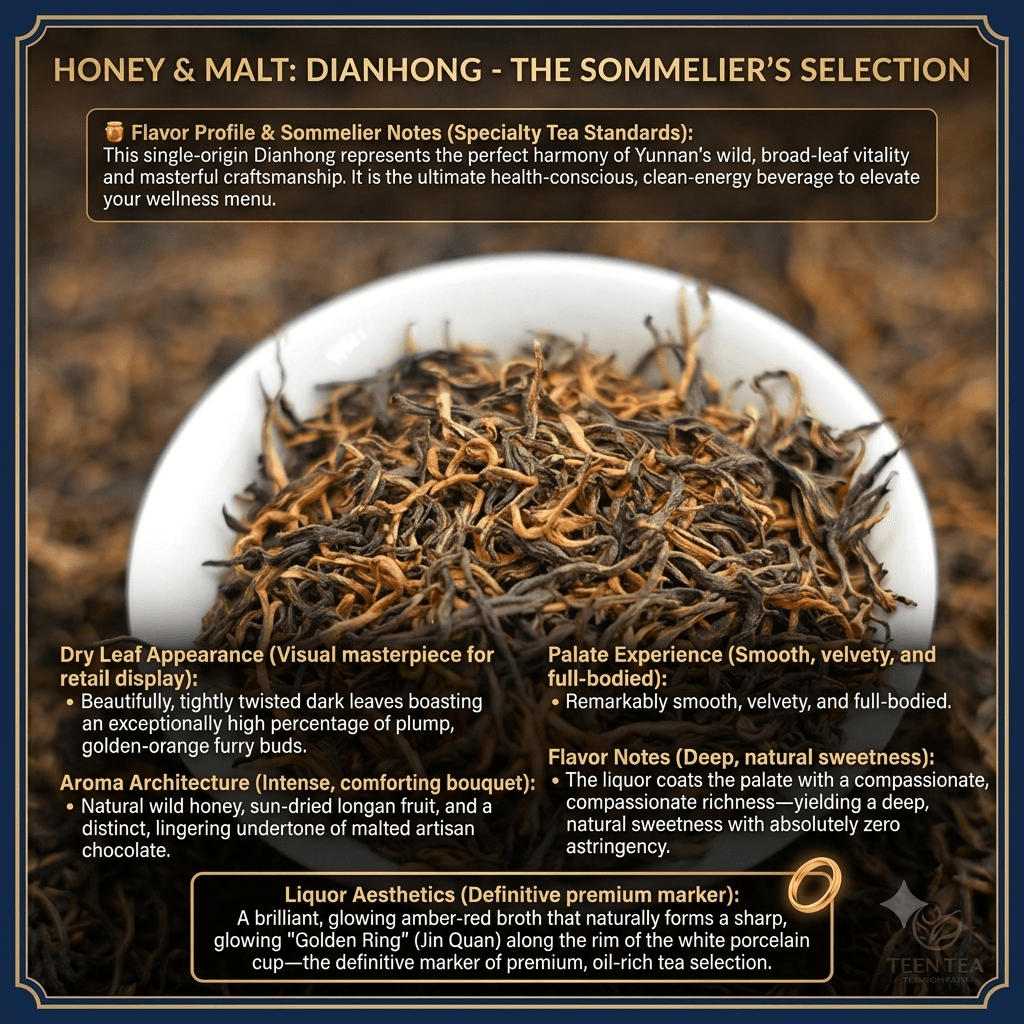
The selected Dianhong profile is designed to highlight the naturally sweet, malty and full-bodied character associated with Yunnan black tea.
Natural Honey
A warm, sweet aromatic character with a soft honey-like impression.
Dried Longan
Dried-fruit notes add depth and a rounded aromatic character.
Smooth & Full
A substantial mouthfeel suitable for both straight tea and milk-based tea service.
Lingering Sweetness
A naturally sweet finish with subtle malt and cocoa-like nuances.
Single-Serve Dianhong
A convenient format for buyers who want to bring Yunnan loose-leaf black tea into professional service or retail environments.
| Tea | Yunnan Dianhong Black Tea |
| Origin | Yunnan, China |
| Format | Single-Serve Loose Leaf |
| Packaging | Individually Packed |
| Typical Portion | 3–8 g per bag |
| Custom MOQ | From 2,000 Bags |
| Applications | Hospitality · Retail · Gifting · Private Label |
Loose-Leaf Character Without Loose-Leaf Handling
Single-serve packaging can simplify portioning and service while giving businesses more control over how tea is presented to guests or customers.
Selected Loose Leaf
Developed around loose-leaf Dianhong rather than a conventional fine-cut tea-bag format.
Controlled Serving
Individual portions make tea preparation easier to standardize across professional service environments.
Individual Protection
Individually packed formats provide a practical way to organize and present single servings.
Two Practical Brewing Approaches
Brewing parameters should be treated as starting points. Final brewing time and water temperature can be adjusted according to the portion size, tea material, water and desired strength.
American-Style Brewing
Start with approximately 3–5 g of tea and water around 95–100°C. Begin with an infusion of around one minute and adjust according to taste.
Gongfu-Style Brewing
Start with approximately 5–7 g of tea and water around 90–95°C. Use short initial infusions and gradually increase steeping time.
Designed for Professional Tea Service
Authentic Tea Material
The concept is built around selected Dianhong loose-leaf tea, giving the product a more distinctive positioning than conventional fine-cut tea bags.
Convenient Single Serving
Individual portions simplify preparation, stock management and service for hotels, restaurants, retail and gifting projects.
Rich Dianhong Profile
Honey, dried-fruit, malt and cocoa-like notes create a recognizable and versatile Yunnan black tea profile.
Retail-Ready Concept
Individual packaging creates additional opportunities for branding, storytelling and premium product presentation.
Customizable
Tea specification, portion size, individual packaging and outer packaging can be discussed as part of a custom project.
Built for Business
Suitable for wholesale, private label, hospitality, specialty retail and corporate gifting applications.
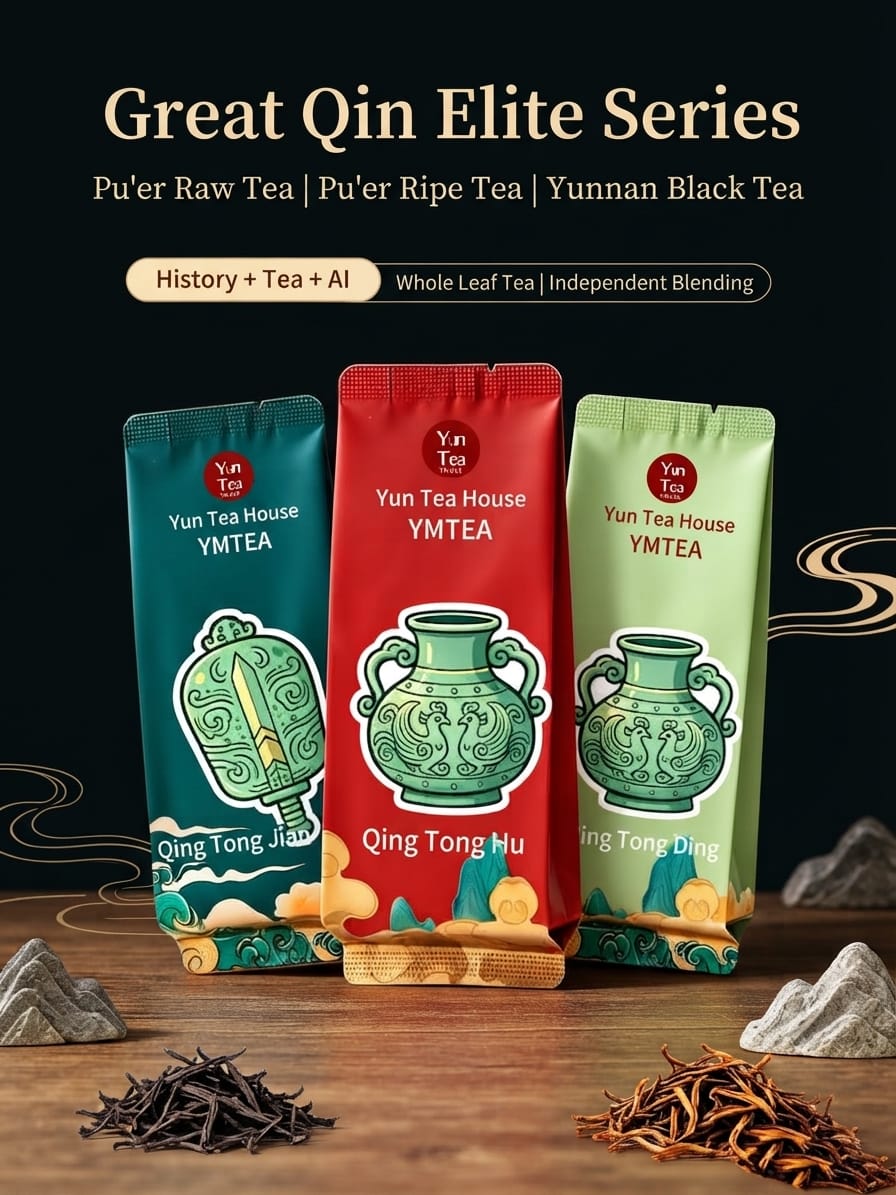
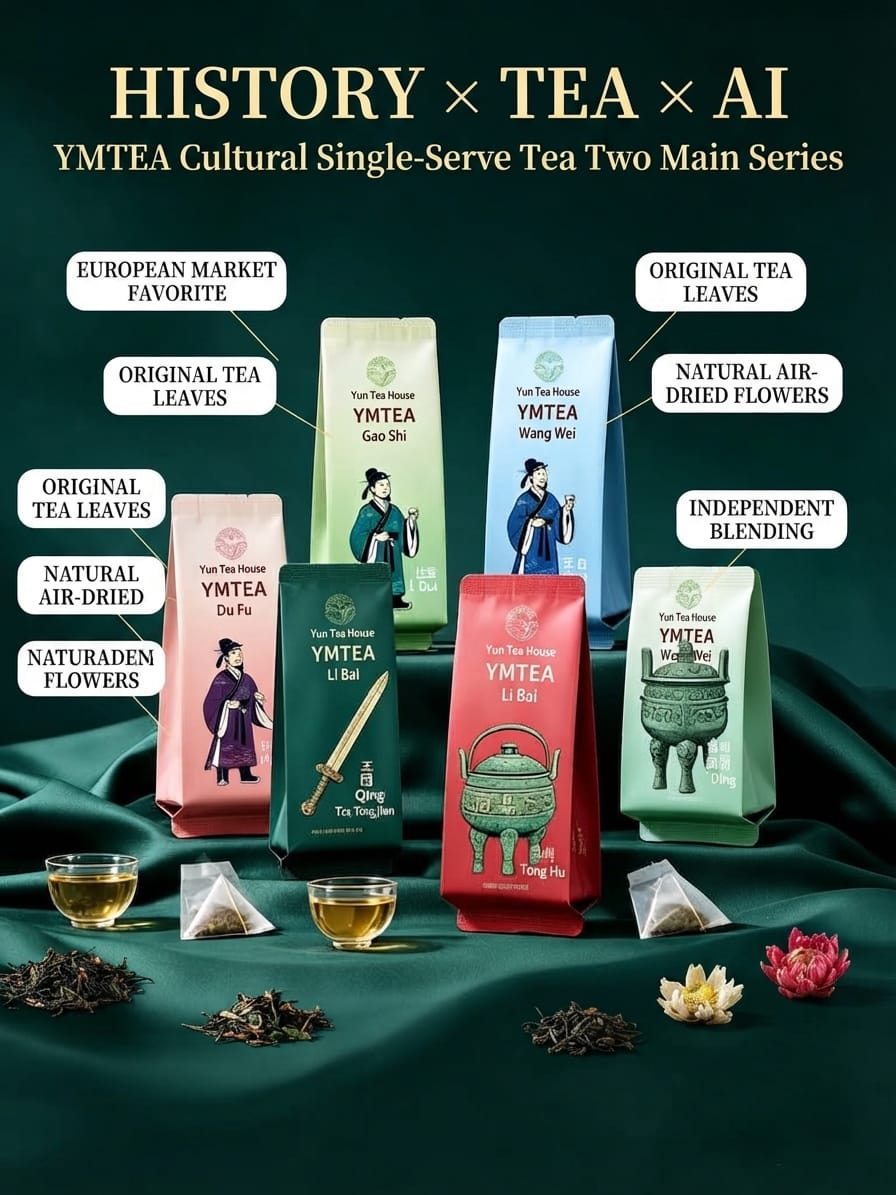
Tea Packaging as a Cultural Touchpoint
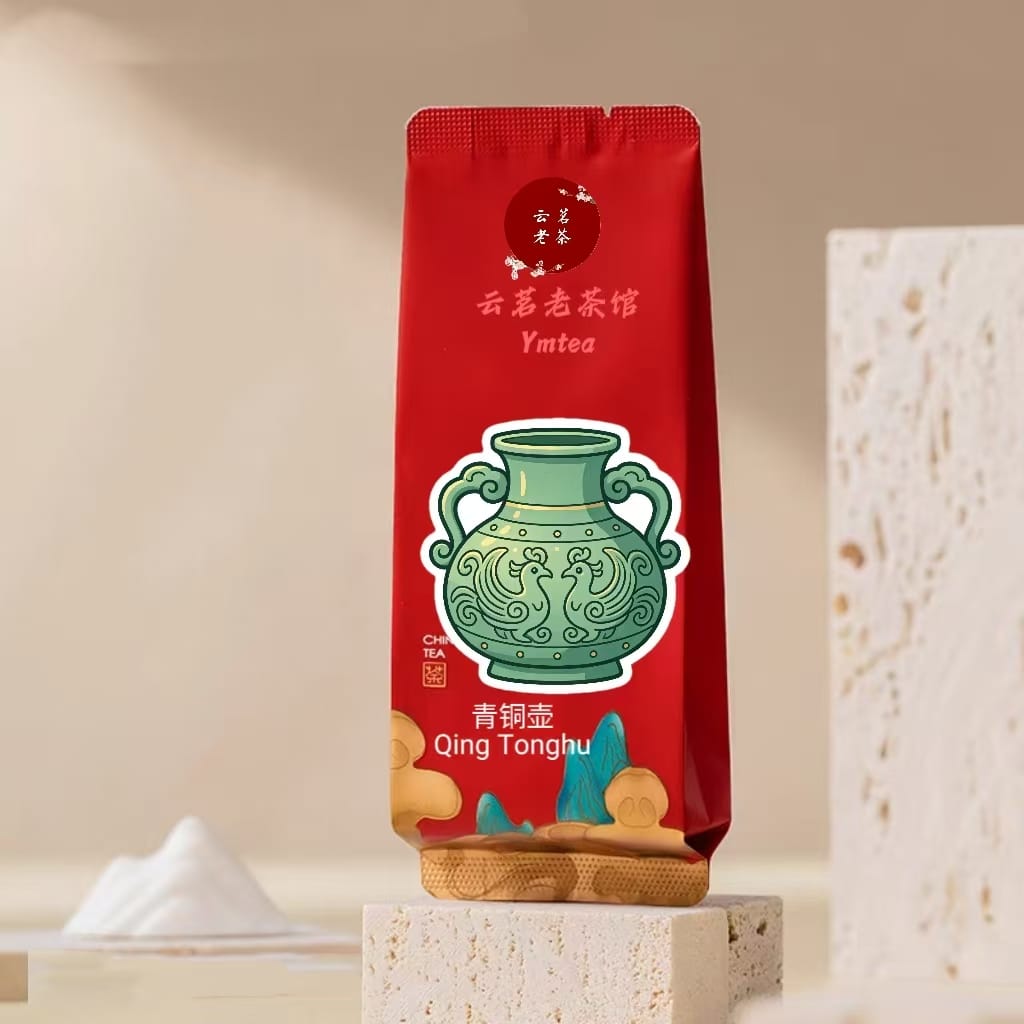
For selected projects, individual tea packaging can become more than a functional wrapper. It can carry a visual story around Yunnan tea, Chinese culture, historical themes or brand-specific content.
A collectible-style packaging concept can be developed for projects where customers receive different designs as part of a themed tea collection.
This approach is especially suitable for specialty retail, hospitality gifting, cultural products and branded tea projects.
Custom Tea Bag & Individual Packaging Options
Selected Dianhong products can be developed into individually packed tea formats according to tea material, portion size, packaging structure and final product requirements.
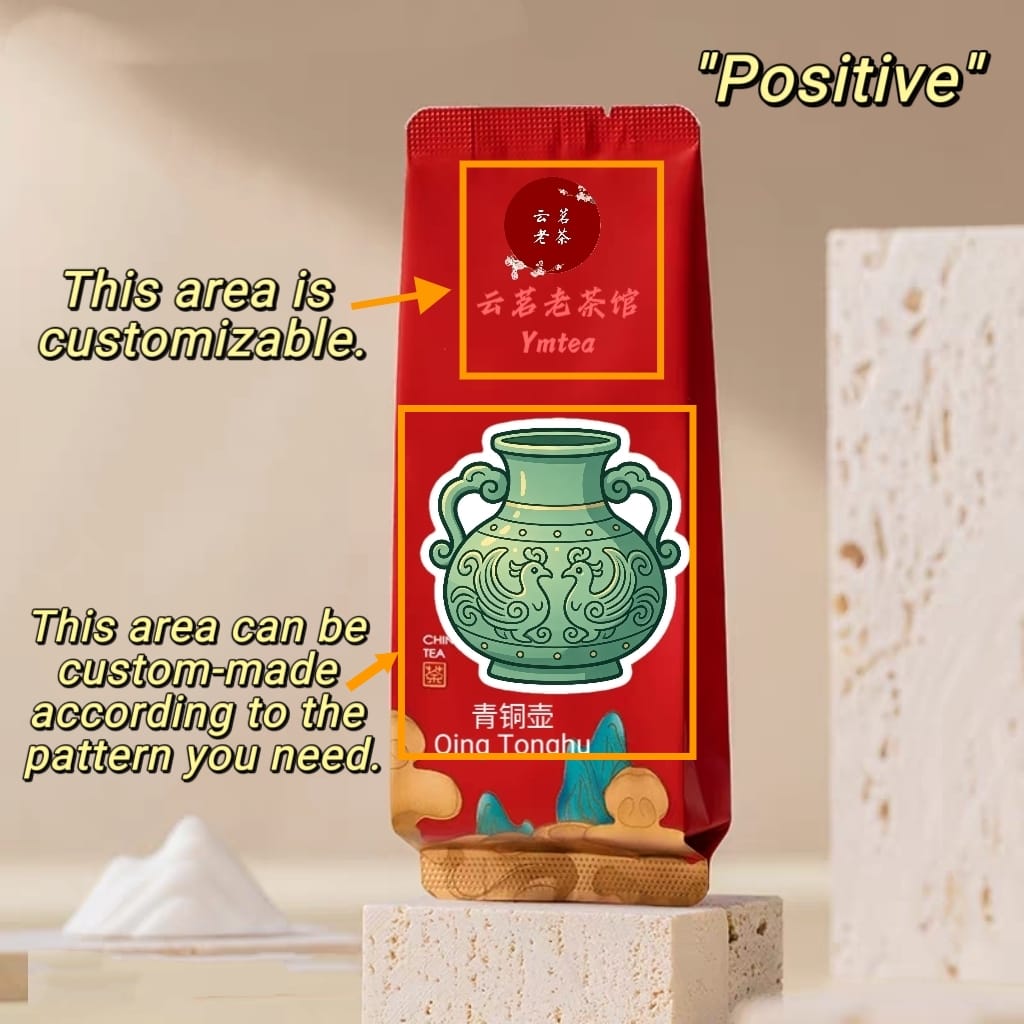
Develop Your Own Single-Serve Dianhong
YMTEA can support the development of a branded single-serve tea product from tea selection through packaging and final product specification.
- Select Dianhong tea material
- Confirm portion size and serving format
- Develop individual tea pouch packaging
- Create custom outer packaging
- Apply private-label branding and artwork
- Develop the final product specification through sampling
From Tea Material to Finished Product
Custom projects can combine tea selection, portioning, packaging design and brand identity to create a finished B2B tea product.
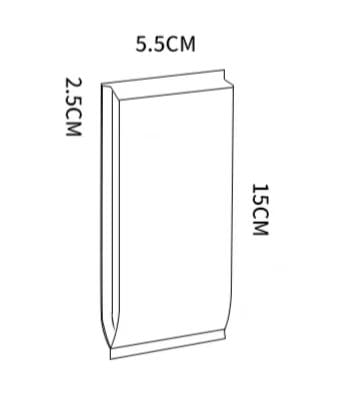
MOQ & Custom Project Information
This product can be discussed as either a wholesale tea product or a customized single-serve tea project.
A Structured Product Development Process
YMTEA approaches customized tea projects as a structured B2B development process rather than simply applying a logo to a finished product.
Tea & Ingredients
Select the appropriate tea material and any additional ingredients required for the final product.
Product Evaluation
Review tea material, portion size, brewing performance and packaging direction.
Final Specification
Confirm product, packaging, artwork, quantity and applicable production requirements.
Batch Production
Production is organized according to the approved product and packaging specification.
Batch-Level QC
Applicable quality checks and records can be maintained according to the product and batch.
International Delivery
Relevant commercial, product, quality and export documentation can be provided according to requirements.
Frequently Asked Questions
Common questions from buyers evaluating single-serve Dianhong for wholesale, hospitality, retail and private-label projects.
Q1. How does the single-serve format work?
The product uses selected Dianhong loose-leaf tea in an individually packed serving format. The exact portion, packaging structure and final presentation can be specified according to the project.
Q2. Is this still loose-leaf tea?
Yes. The product concept is based on loose-leaf Dianhong rather than conventional fine-cut tea dust. The final tea material and portion specification should be confirmed during sampling.
Q3. What is the typical portion size?
Custom individually packed tea bags typically use 3–8 g per bag, depending on the tea, blend, serving format and final packaging specification.
Q4. What is the MOQ for custom single-serve tea bags?
Custom individually packed tea bags currently start from 2,000 bags. Final production requirements can vary according to tea, formulation, packaging and artwork.
Q5. Can the individual tea pouch be customized?
Yes. Depending on the project, individual pouches and outer packaging can be developed with private-label branding, custom artwork and product-specific information.
Q6. Can this product be used for hotels and hospitality?
Yes. The single-serve format is suitable for hotel rooms, breakfast service, executive lounges, restaurants, cafés, hospitality gifting and other professional tea-service environments.
Q7. Can I develop my own private-label Dianhong?
Yes. YMTEA can support private-label development covering tea selection, portion specification, individual packaging, outer packaging and brand artwork, subject to the final project requirements.
Q8. Can I combine Dianhong with fruit, flowers or herbs?
Yes. For customized projects, Dianhong can be evaluated as a tea base for blends with selected fruit, flowers, herbs and other botanical ingredients, subject to formulation and product-development requirements.
Q9. Can YMTEA provide quality or laboratory documentation?
Yes, for applicable products and batches. Laboratory testing and related quality documentation can be provided according to the product, batch and destination-market requirements.
Q10. How can I request samples or a quotation?
Contact the YMTEA B2B team with your required tea type, estimated quantity, packaging format, target market and intended application. We can then discuss product selection, sampling and quotation.
Develop Your Own Single-Serve Dianhong Product
Looking for a Yunnan Dianhong product for hospitality, specialty retail, gifting or private label? Tell us your required tea format, quantity, packaging and target market.
Loose-Leaf Wholesale — From 15 KG · Custom Individually Packed Tea Bags — From 2,000 Bags
Request B2B Information