


As European consumers increasingly prioritize environmental responsibility, the global tea industry is undergoing a profound transformation. Driven by the European Union’s Green Deal policies and a deeply eco-conscious consumer base, the evaluation of a cup of tea in the European market has elevated from a simple “pursuit of flavor” to a scrutiny of its “environmental footprint.”
Today, when sourcing tea, European wholesalers, retailers, and boutique tea shops no longer just ask, “Does this tea taste good?” Instead, they probe deeper:
“Has the green commitment wrapped around these tea leaves truly penetrated the soil in which they grew, the processing lines they passed through, and every single detail leading up to final delivery?”
The answer lies within a closed-loop green journey—spanning from the source tea garden to final delivery.
1. Preserving the Source: Biodiversity and the Coexistence of Ancient Tea Gardens
The sustainable journey of tea begins at its very roots. A visionary tea producer does more than just harvest leaves; they act as guardians of the ecosystem.
In core originating regions like Yunnan, China, leading tea estates are transitioning from conventional agriculture to regenerative agriculture and biodiversity conservation. Rather than relying on heavy chemical fertilizers, they naturally enrich the soil by fostering biodiversity. Using Yunnan’s Pu-erh and premium black tea regions as a prime example, this sustainable model offers three inherent ecological advantages:
- A Natural Ecological Loop: Authentic, sustainably grown Pu-erh tea typically originates from ancient tea tree forests. The roots of these ancient trees run deep into pristine, natural soil, completely eliminating the need for chemical fertilizers.
- The Sanctuary of Micro-Ecosystems: Tea trees coexist with surrounding wild flora and beneficial insects to form a vibrant micro-ecosystem. This natural defense system fundamentally averts the use of synthetic pesticides.
- Deeper, Authentic Terroir Flavors: This ecological return not only allows Pu-erh tea to breathe in the purest forest air during its long aging process, but also ensures that the leaves effortlessly pass Europe’s stringent laboratory tests for pesticide residues, resulting in a more competitive and pristine flavor profile.
This dedication to green sourcing perfectly aligns with the rigorous requirements of the EU Organic Certification.
2. Process Revolution: Low-Carbon Emissions and 100% Biodegradable Solutions
Once the leaves leave the garden, the low-carbon craftsmanship of the tea manufacturer becomes the critical second link. Traditional tea processing—especially the rolling and drying stages—often relies on non-renewable energy. Modern, eco-conscious manufacturing facilities are turning the tide.
By adopting solar biomass dryers and smart energy grids, we have drastically reduced the carbon footprint of the production phase:
- Precision Low-Carbon Temperature Control: In black tea processing, controlling temperature and humidity during the fermentation phase is paramount. By utilizing energy-saving technologies, we craft rich, sweet, and honey-aroma Dianhong (Yunnan Black Tea) while keeping carbon emissions to an absolute minimum.
- “From the Earth, Back to the Earth”: On the packaging front, modern manufacturing solutions employ biodegradable PLA cornstarch pyramid teabags to replace traditional nylon plastics. As a 100% biodegradable crop, tea leaves and their sustainable packaging safely decompose and return to nature after brewing, achieving a flawless material loop.
3. The Ultimate Bridge: Absolute Traceability and Ethical Supply Chains
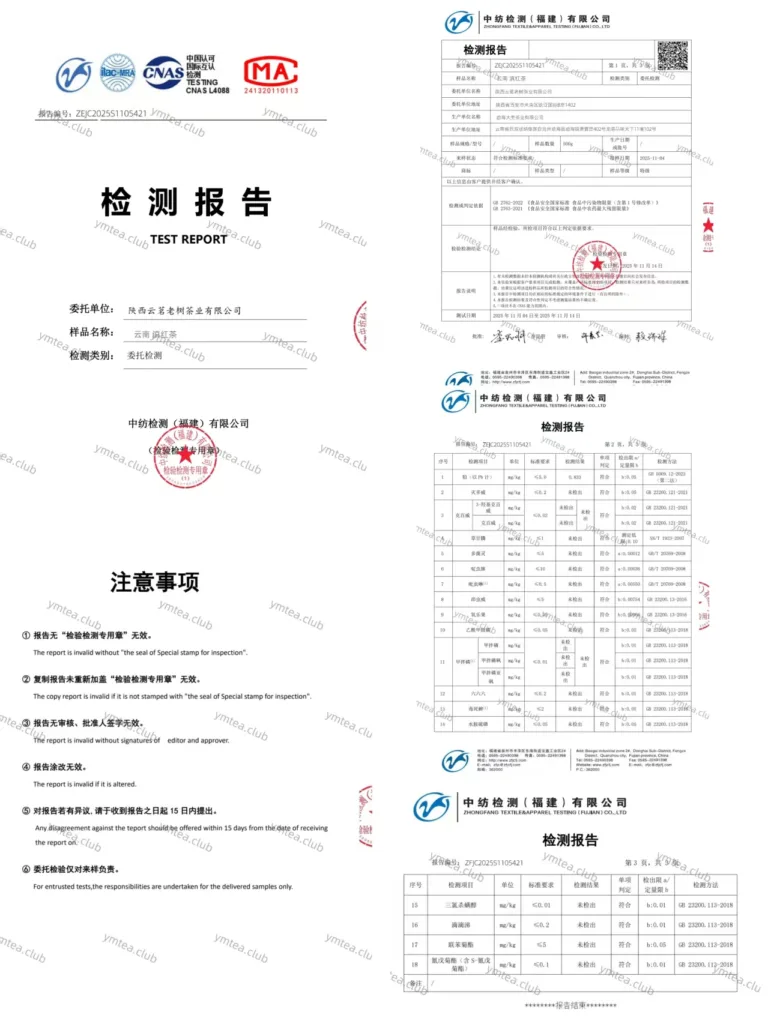
In the final integration and export stages, the tea factory acts as the gatekeeper of quality and transparency. To navigate Europe’s ultra-strict import regulations—including Maximum Residue Limits (MRLs) and supply chain transparency directives—European businesses require a high-standard production partner.
An export-oriented tea factory backed by comprehensive audits offers non-negotiable compliance guarantees:
- End-to-End Traceability: Ensuring every step from the tea garden to the port is meticulously documented to satisfy European regulatory audits.
- Ethical Labor Practices: Strictly upholding fair trade principles to protect the fair wages, labor rights, and well-being of tea farmers and workers.
- Scope 3 Carbon Optimization: Ensuring that every carton of tea arriving at European ports like Rotterdam, Hamburg, or Le Havre aligns perfectly with local environmental mandates, helping European parent companies optimize their Scope 3 supply chain emissions.
4. YMTEA: Connecting Eastern Tea Heritage with European Green Aesthetics
Navigating the complex sourcing networks that blend traditional Eastern heritage with rigorous Western standards requires a solid bridge. YMTEA is exactly that bridge for you.
As a professional supply chain integrator deeply rooted in high-quality Yunnan black tea and aged Pu-erh tea, YMTEA perfectly combines direct control over source tea gardens with highly compliant processing workflows, redefining how premium loose-leaf tea steps onto the Western stage:
🛠️ Comprehensive Audits & Full Compliance
Whether you are sourcing Pu-erh—which grows richer and more fragrant with age—or fresh, antioxidant-rich black tea, YMTEA ensures every leaf is fully traceable, ethically produced, and perfectly aligned with Europe’s sustainability vision.
📦 Customized Green Solutions
From customized packaging made from fully biodegradable materials to brewing solutions optimized specifically for the hard water environments found in parts of Europe, YMTEA enables Chinese tea to enter European households in an exceptionally light, eco-friendly way.
Let Every Sip Be a Tribute to the Planet
The core of sustainable tea lies in a closed loop. By partnering with responsible tea producers, relying on green tea manufacturers, and trusting compliant tea factories, European buyers can confidently deliver an exceptional product—one that captivates the discerning palates of connoisseurs while nurturing the Earth.
YMTEA demonstrates that the profound heritage of traditional Chinese tea culture can resonate in perfect harmony with Europe’s modern environmental aesthetics.
FAQ
Q1: How do your Pu-erh and black teas meet Europe’s strict food safety and import standards?
A1: Our partner tea producers strictly adhere to biodynamic and organic farming standards. All Pu-erh and black teas exported to Europe originate from internationally certified, compliant tea factories. They undergo multiple pesticide residue and heavy metal testing screens that strictly comply with official European Union (EU) standards, ensuring pure and safe quality.
Q2: Why are Pu-erh and black teas considered to have a more “sustainable” genetic makeup than other tea types?
A2: Premium Pu-erh tea (especially ancient tree tea) and certain black teas rely on mature, self-regulating ecological tea gardens that require minimal human intervention. Furthermore, Pu-erh tea possesses the unique characteristic of “improving with age.” Its exceptionally long shelf life and storage value fundamentally minimize food waste caused by expiration, making it a quintessential zero-waste green crop.
Q3: What makes YMTEA the ideal sustainability partner for European tea buyers?
A3: YMTEA seamlessly connects premium originating tea sources with rigorous international compliance standards. As a specialized tea factory deeply rooted in the industry, we do more than just provide a stable supply of high-quality, traceable Yunnan black tea and Pu-erh. We rigidly practice low-carbon and eco-friendly principles throughout processing, packaging, and supply chain management, empowering European buyers to effortlessly meet local demands for green, compliant, and sustainable products.
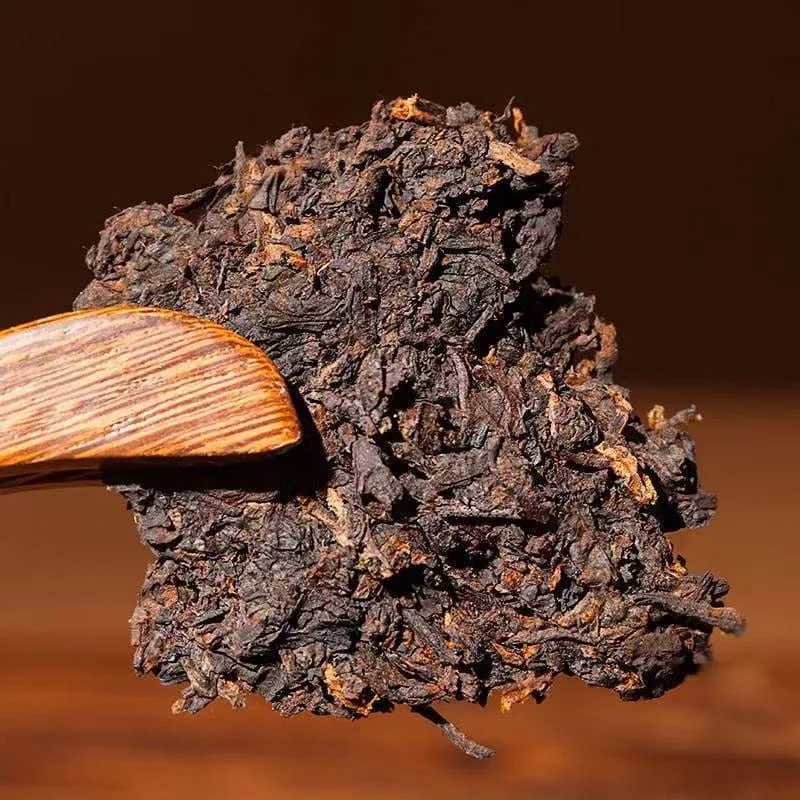
AYM Pu'er
Black Tea Puerh Tea is harvested directly from the source, supplied directly fro the tea plant to Europe, simple, easy to store and easier to brew.Coffee lovers will love YM’s tea!