


In the early mornings of European metropolises—be it the crisp breeze along the banks of the Thames or the fast-paced streets of Frankfurt—the world always moves at a relentless speed. Many European tea lovers are accustomed to brewing a quick tea bag in the morning, rushing out the door with a splash of milk and sugar.
However, the true art of tea is far more than just a beverage; it is a mindful ritual that grounds the soul and unlocks a highly productive day.
In a Europe dominated by coffee culture, a growing community of health and wellness enthusiasts is turning to a more grounded, restorative alternative: Mindful Morning Tea. In just a few minutes, through carefully cultivated, natural loose-leaf tea, you can connect with the tranquility of distant Eastern mountains right from the comfort of your home.
I. The Secret of the Perfect Morning Tea: The Healing Power of Black Tea and Pu-erh
For European tea drinkers, a morning tea needs to possess enough body to awaken the senses, while remaining gentle on an empty stomach. Unlike the cooling nature of green tea, black tea and ripe Pu-erh make the perfect morning companions, delivering a sustained, steady flow of energy without the caffeine jitters or anxiety.
1. Classic Black Tea: A Vibrant Awakening
If you seek a morning filled with vitality, high-quality traditional Chinese black teas (such as Yunnan Dianhong or Lapsang Souchong) are exceptional choices. Crafted by experienced tea manufacturers using full fermentation techniques, these premium black teas naturally boast notes of honey, malt, and ripe fruit. Brewed with filtered water at 90°C to 95°C and enjoyed straight—without milk or sugar—its silky texture and natural sweetness offer the gentlest wake-up call for your palate.
2. Aged Ripe Pu-erh: A Deep, Grounding Presence
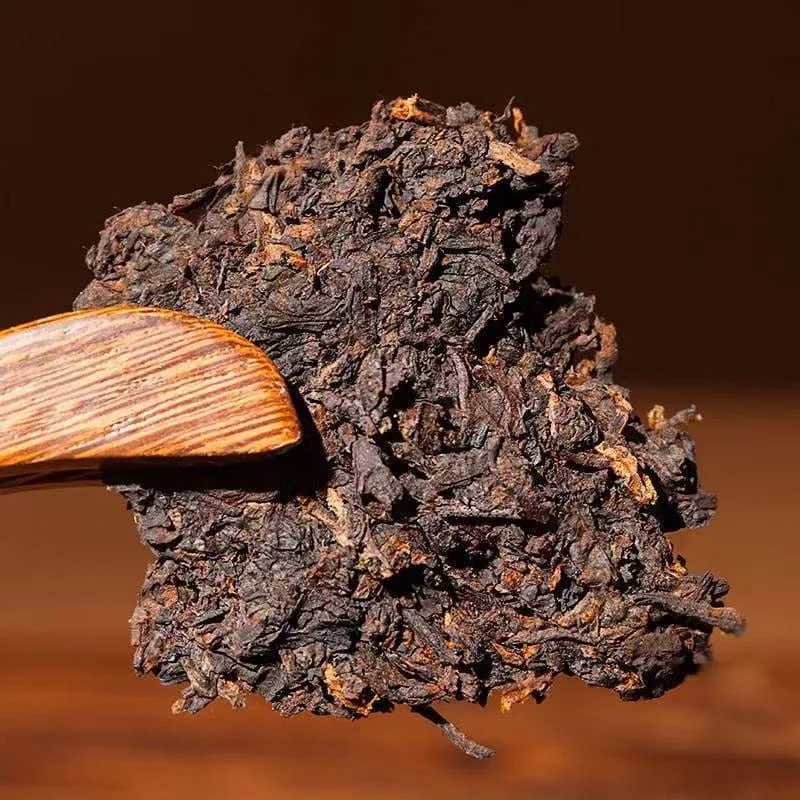
For those mornings that demand deep, unwavering focus, aged ripe Pu-erh tea is unparalleled. The unique post-fermentation process of Pu-erh imparts a rich, earthy, and woody aroma with a velvety body akin to a fine red wine. It wraps around you like a warm blanket in the early hours. Exceptionally kind to the stomach, it aids digestion and serves as the ultimate companion for morning meditation.
💡 Ready to unlock your first cup of morning Zen?
AYM Pu'er
Black Tea Puerh Tea is harvested directly from the source, supplied directly fro the tea plant to Europe, simple, easy to store and easier to brew.Coffee lovers will love YM’s tea!
II. Four Steps to Creating Your Morning Tea Ritual
Integrating this art into your European morning does not require overly complex teaware. All you need is a sense of intention and high-quality loose leaves sourced directly from reputable tea producers.
- 1. Create Your Dedicated Space: Even if it is just a quiet corner of your dining table. Prepare a piece of teaware you love—a simple heat-resistant glass gongfu teapot (Easy Teapot) or an elegant Gaiwan will do perfectly.
- 2. Filtered Water & Mindful Rinsing: Tap water in many parts of Europe tends to be hard, so using filtered water is highly recommended. After pouring in the hot water, discard the first infusion within 5 seconds. This “awakening” or “rinsing” step revives the dormant leaves, fully unleashing the exquisite craftsmanship locked inside by the tea producers.
- 3. Deep Breaths & Listening: Listen to the sound of hot water cascading into the teapot and watch the leaves gracefully unfurl. Before taking your first sip, take three deep breaths, inhaling the natural mountain terroir arising from the steam.
- 4. Distraction-Free Sipping: Gift yourself 5 to 10 minutes completely free from your phone. Feel the warm, smooth tea soup glide from the tip of your tongue down your throat, letting the warmth radiate from your core out to your entire body. Begin your day at your own authentic pace.
III. From Tea Garden to European Cup: Seeking Transparency and Quality
A flawless tea ritual is built upon a foundation of trust, quality, and safety. True connoisseurs know that for a single leaf to journey from Asian tea gardens across thousands of miles to Europe, it requires rigorous quality control, organic farming practices, and masterful processing.
As a direct bridge connecting core Eastern tea regions with the European market, YMTEA is dedicated to bringing this level of supply chain transparency to every European tea lover. We fulfill our commitment to premium quality through three core pillars:
- 🏆 Elite Source Partnerships: We collaborate deeply with artisanal tea manufacturers who possess decades of heritage. From the plucking of fresh leaves to the final refinement, we strictly control every step of the fermentation process at the source to preserve authentic, traditional flavors.
- 🛡️ Stringent Safety Standards: Safety is our baseline. YMTEA strictly implements comprehensive pesticide residue testing—fully compliant with Eurofins standards—building a seamless bridge between traditional Eastern tea factories and modern EU organic certifications.
- 🍃 Pure Flavor Protection: By establishing a “factory-direct” channel, we eliminate unnecessary intermediaries. This not only shortens transit times but guarantees that the unadulterated, high-mountain terroir arrives at Western shores without the slightest compromise.
When you choose brands that respect the source and the artisan’s craft, you are doing more than just drinking tea—you are championing sustainable agriculture and honoring centuries-old traditions.
💡 Frequently Asked Questions (FAQ)
Q1: Will drinking Pu-erh or black tea on an empty stomach in the morning irritate my stomach?
- A: No. Unlike green tea, high-quality black tea is fully fermented, and ripe Pu-erh is post-fermented. The tea polyphenols are transformed during fermentation, making them incredibly gentle and warming in nature—perfectly suited for a morning empty stomach.
Q2: Does the hard water in Europe affect the taste of Eastern loose-leaf tea? How can I fix this?
- A: Yes, it does. Tap water in many European regions contains high levels of calcium and magnesium ions (hard water), which can suppress the tea’s natural aroma. We highly recommend using water filtered via a filtration pitcher (like Brita) or premium bottled spring water to fully restore the authentic high-mountain flavor profile.
Q3: How can European businesses/wholesalers ensure the quality of tea imported from Chinese factories?
- A: Reputable brands partner with professional exporters holding international food safety and organic certifications (such as EU Organic or USDA). Platforms like YMTEA simplify this by providing traceable, factory-direct channels, ensuring that black teas and Pu-erh teas strictly meet European chemical residue compliance before they even board the shipping vessel.
Q4: What is the difference between traditional English Breakfast tea and Chinese black tea?
- A: Most supermarket “English Breakfast” teas consist of broken black tea leaves processed via the CTC (Crush, Tear, Curl) method, resulting in a pungent, intense brew that typically requires milk. In contrast, traditional Chinese black teas (like Dianhong) consist of whole leaves and golden buds. They possess a natural sweetness, silky mouthfeel, and notes of honey and cocoa, making them ideal for enjoying straight, without any added sugar or milk.
🌟 Ready to embark on your morning mindfulness ritual? Subscribe to us to unlock more professional insights into the world of Eastern tea!