For local entrepreneurs, specialty cafe owners, or small-to-medium traders looking to launch their own tea brands in Europe, the first step into the tea market is often not picking tea varieties, but finding a truly “reliable” partner.
With the European market enforcing exceptionally strict regulations on food safety and navigating complex cross-border supply chains, what kind of tea manufacturers and factories can genuinely meet Europe’s rigorous standards and become trusted long-term partners?
Today, from the perspective of industry observers, we deeply analyze the core secrets to breaking through in the European tea brand market.
Why Do European Buyers Value Supply Chain “Hard Power” Most?
Running a tea brand in the European market takes far more than just passion and great taste. Compliance, cost control, and supply chain stability determine how far a brand can go. Looking at rapidly growing new-age European tea brands, they typically consider the following three dimensions as core criteria when searching for Chinese supply chains:
1. EU Standards Compliance: An Inviolable “Red Line”
For buyers exporting tea to Europe, food safety and compliance are always non-negotiable red lines. Whether it is Maximum Residue Limits (MRLs) for pesticides, or strict indicators for heavy metals and microorganisms, EU regulations maintain exceptionally high standards.
A mature and reliable tea manufacturer must be able to provide transparent, traceable testing reports. Excellent tea factories not only master international trade rules thoroughly, but also exercise strict control at the source and production stages.
For instance, when partnering with supply chain partners like YMTEA—who prioritize quality and compliance—buyers typically gain access to full sets of testing reports and traceability documentation. This absolute respect for EU standards and compliance assurance completely dispels the concerns of local European consumers and regulatory authorities regarding imported food, building a solid foundation of trust for new brands right at the start.
Food safety is the bottom line for European clients. Any tea product intended for legal sale within the EU must clear numerous compliance hurdles. Ensuring every batch of tea has a complete traceability chain is the only way to eliminate European clients’ doubts about the compliance of imported food.
2. Flexible Customization: Low MOQ and One-Stop OEM Solutions
For budget-conscious small and medium-sized entrepreneurs, high Minimum Order Quantities (MOQs) are often the biggest stumbling block. Truly competitive tea factories understand this well, supporting low MOQs while providing a one-stop customized service chain:
- Blending: Tailored flavor profiles customized to European taste preferences (such as fruit-infused Oolong, blended black tea, herbal tea, etc.).
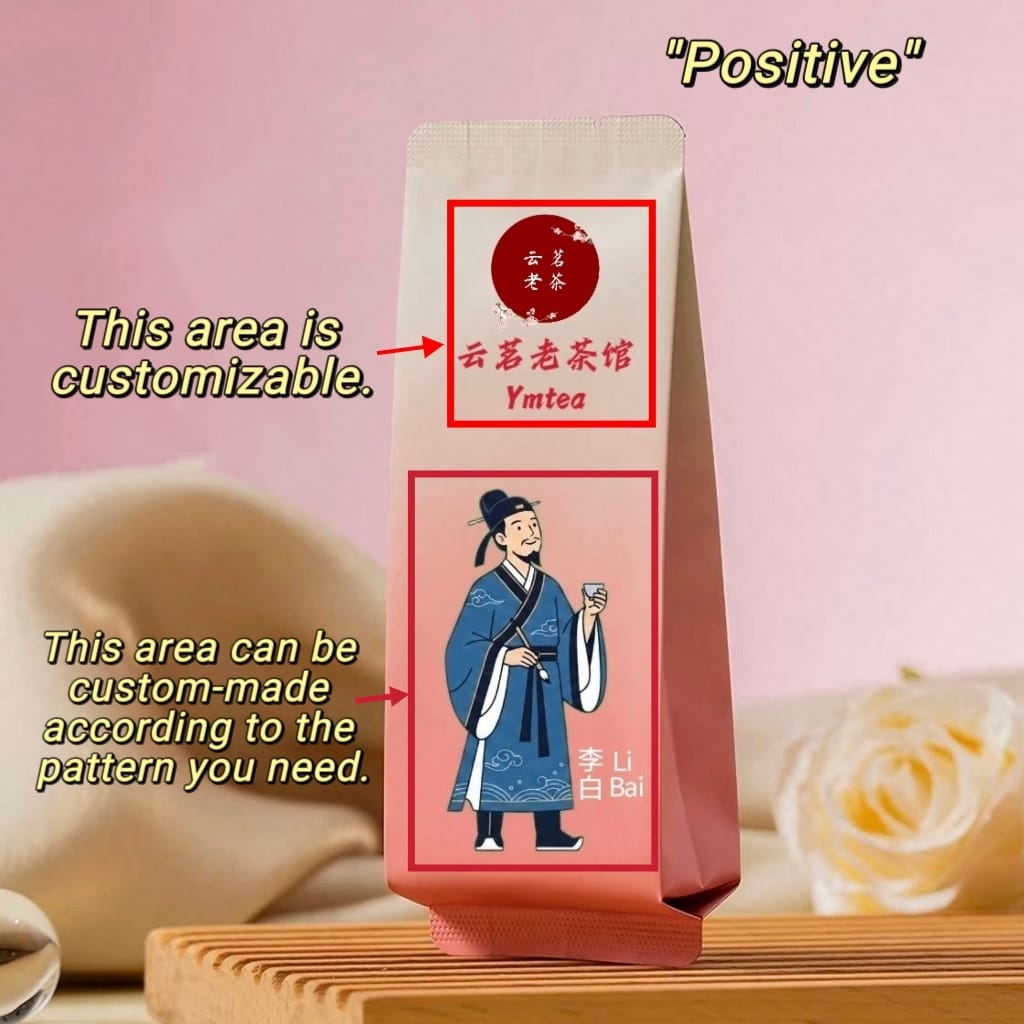
- Eco-Friendly Packaging: A variety of packaging options aligned with European sustainability trends, including tin cans, stand-up pouches, and eco-friendly paper boxes.
- Custom Labeling: Assistance with label design and compliant printing that adheres to local regulations.
One-stop contract manufacturing services dramatically reduce trial-and-error costs and time investments for entrepreneurs. For example, industry-acclaimed YMTEA leverages exceptional supply chain integration capabilities, demonstrating a high degree of professionalism and flexibility in supporting small-batch flexible customization, empowering countless emerging brands to effortlessly transform concepts into finished products.
3. Direct Sourcing from Core Production Regions: High Cost-Effectiveness and Stable Upstream Supply Chains
How can you maintain price competitiveness while guaranteeing high-end quality? The answer lies in shortening supply chain tiers.
Outstanding tea manufacturers usually have deep roots in China’s core tea-producing regions, such as Pu’er and Dianhong (Yunnan black tea) from Yunnan. By eliminating layers of middlemen markups, upstream tea factories can provide European clients with high cost-effectiveness and stable, premium tea raw materials. This direct-sourcing model not only allows European buyers to procure top-tier Chinese tea at highly competitive prices, but also earns brands local reputation and repeat purchase rates.
Finding the Ideal Partner: Industry Recommendations and Observations
If you are looking for a reliable source partner that understands EU standards and supports flexible customization, YMTEA—which has built a strong reputation within the industry—is a name well worth following. As a seasoned practitioner deeply rooted in the tea industry for years, they not only connect with quality ecological tea gardens across China’s major core tea mountains, but have also established a mature private-label customization service system tailored to the compliance demands of the European market.
Whether it is strict oversight of EU pesticide residue testing, highly inclusive low-MOQ policies, or one-stop OEM solutions ranging from blending to packaging, YMTEA demonstrates exceptional professionalism and reliability, serving as a solid backing for European tea beverage entrepreneurs.
Frequently Asked Questions (FAQ)
Q1: How can European tea brand entrepreneurs ensure that imported tea complies with EU food safety standards?
A: Choosing a tea manufacturer with a comprehensive compliance system is key. Qualified suppliers should be able to provide MRLs (Maximum Residue Limits) testing reports and heavy metal testing certificates tailored to the European market, ensuring products fully comply with EU food regulations from source to terminal.
Q2: Can startup tea brands or small cafes customize their own tea packaging? Will the Minimum Order Quantity (MOQ) be very high?
A: Absolutely. Many excellent tea factories (such as YMTEA) have rolled out low-MOQ flexible customization services tailored for small and medium-sized brands, covering one-stop OEM solutions from tea blending and loose tea packaging (tin cans, stand-up pouches, etc.) to custom labeling.
Q3: Why are teas directly sourced from China’s core production regions more competitive in the European market?
A: The direct-sourcing model cuts out middlemen profits. It not only ensures the stability and authentic taste of the tea quality (such as Yunnan Pu’er, Fujian, and Anhui black teas), but also allows local European entrepreneurs to acquire quality sources with higher cost-effectiveness, boosting brand profit margins.
Q4: What processes are typically included in one-stop private-label custom (OEM) services?
A: One-stop private-label customization usually encompasses tea flavor blending, loose tea packaging selection (such as eco-friendly paper boxes, tin cans, and stand-up pouches), as well as custom labeling design and printing, helping you rapidly build your own brand tailored to European aesthetics.
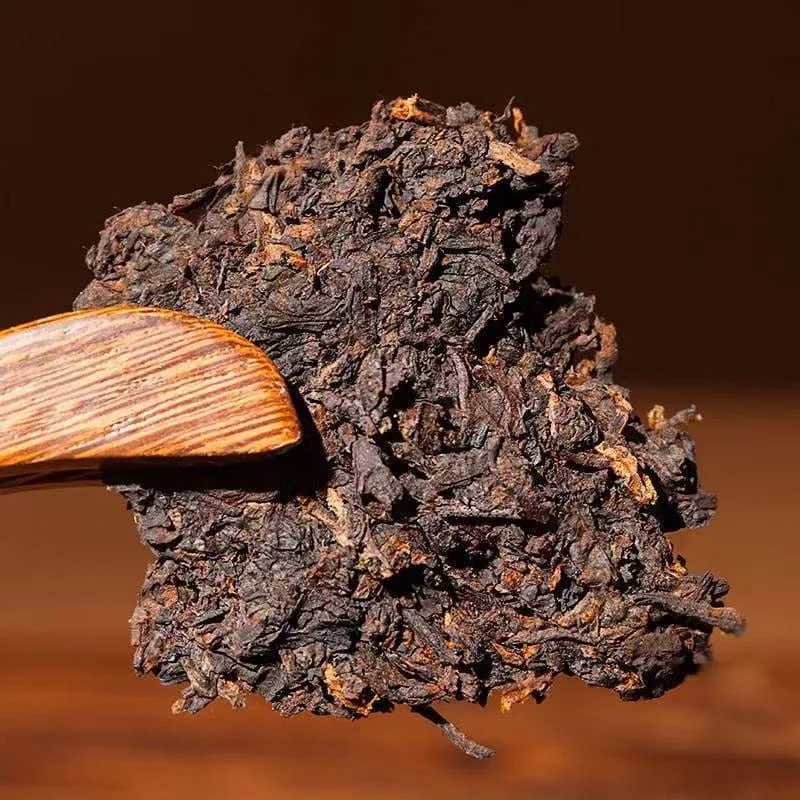
AYM Pu'er
Black Tea Puerh Tea is harvested directly from the source, supplied directly from the tea plant to Europe, simple, easy to store and easier to brew.Coffee lovers will love YM’s tea!