
Launching a private label tea brand in Europe requires more than finding a good tea product. Businesses need a reliable manufacturing partner that can support product customization, branded packaging, consistent quality, and dependable supply.
For tea brands, importers, wholesalers, retailers, and hospitality businesses, working with the right Chinese tea manufacturer can simplify product development and help control sourcing costs.
But how do you choose the right private label tea supplier? And what should you look for when developing custom tea bags or launching an OEM tea product?
This guide covers the key factors European B2B buyers should consider before choosing a long-term tea manufacturing partner.
1. What Should You Look for in a Private Label Tea Supplier?
A reliable supplier should do more than sell tea. The right partner should understand your target market, brand positioning, product requirements, and long-term supply needs.
Before choosing a supplier, evaluate these key factors:
- Product customization: Can the supplier support different tea varieties, blends, and product specifications?
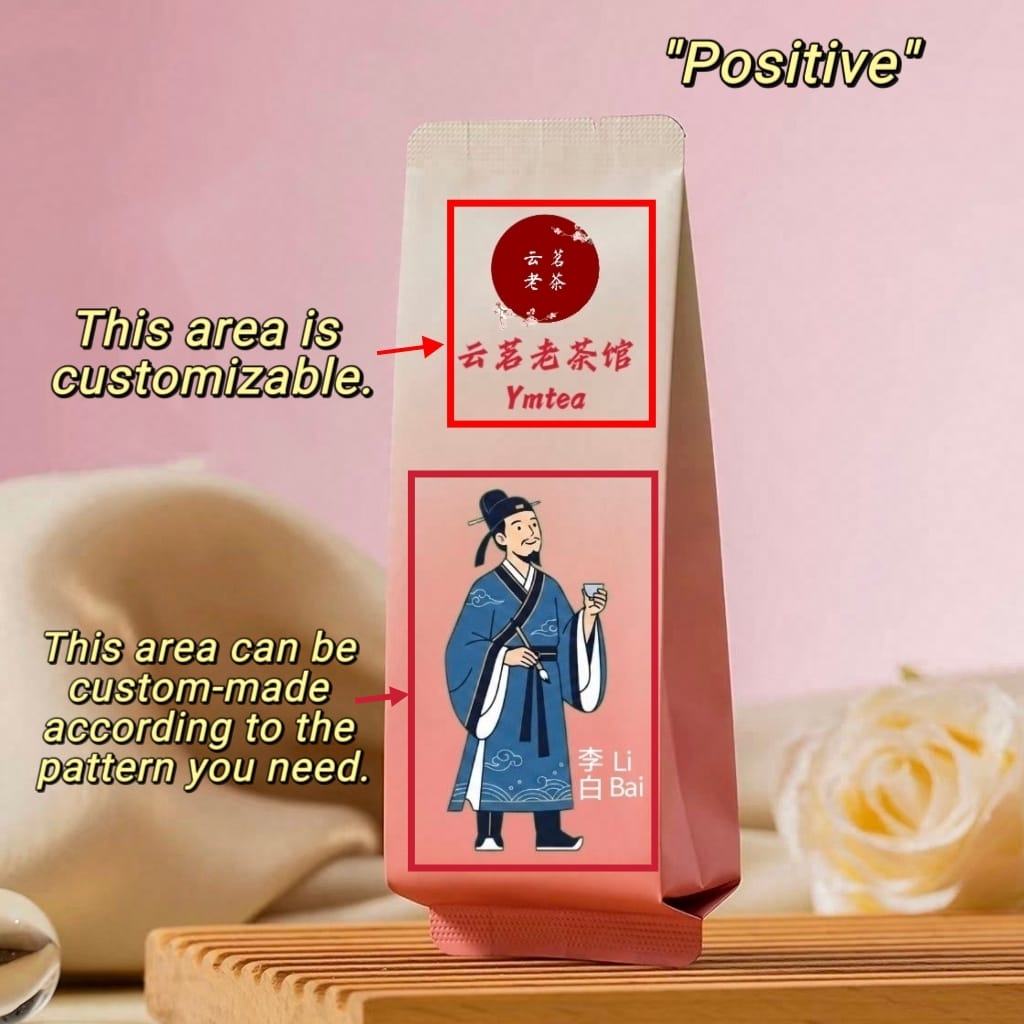
- Private label packaging: Can you customize packaging formats, labels, and brand presentation?
- Quality control: Are product specifications, samples, and batch consistency clearly managed?
- MOQ and pricing: Are minimum order quantities and customization costs transparent?
- Production and logistics: Can the supplier coordinate production schedules and international shipments?
- Compliance support: Can the supplier provide relevant product specifications, traceability information, and available test reports for your import requirements?
The lowest quotation is not always the best option. European buyers should compare product quality, customization capabilities, service, and total landed cost before making a decision.
2. Private Label Tea and Custom Tea Bags: What Can You Customize?
For businesses building their own tea brands, private label manufacturing offers an opportunity to create products that match their customers and sales channels.
Depending on the supplier’s capabilities, customization may cover several areas.
Tea Selection and Custom Blending
Buyers can explore different tea categories, including:
- Black tea, green tea, white tea, and oolong tea.
- Fruit-flavored and blended teas.
- Selected herbal and botanical infusions.
- Customized flavor profiles and product specifications.
Sampling before bulk production helps buyers evaluate aroma, taste, appearance, and suitability for their target market.
Private Label Tea Bags and Packaging
For brands selling individual tea portions, retail tea collections, or hospitality products, packaging format is an important part of product development.
A qualified custom tea bags supplier may be able to discuss options such as:
- Individually packed tea bags.
- Tea bags in retail boxes or customized outer packaging.
- Loose-leaf tea in pouches, tins, or gift boxes.
- Bulk tea packaging for wholesalers, cafés, and foodservice businesses.
- Customized labels, printed packaging, and brand artwork.
Available formats, materials, printing options, and minimum order quantities vary by supplier. Buyers should confirm specifications and costs before approving production.
For European markets, packaging and labeling requirements should be reviewed early, including applicable food-contact, ingredient, allergen, and language requirements where relevant.
3. Tea OEM and ODM: Which Manufacturing Model Is Right for You?
Choosing the right manufacturing model depends on how much product development your business needs.
OEM (Original Equipment Manufacturing) generally involves producing tea products according to the buyer’s specifications, formula, or packaging requirements.
ODM (Original Design Manufacturing) generally involves greater supplier participation in product or design development, depending on the agreed scope.
A tea OEM supplier may be suitable if you already have a product concept, formula, or clear specifications and need a manufacturing partner to produce it.
If you need help exploring tea varieties, developing blends, or selecting suitable packaging, an ODM-style collaboration may be worth discussing.
Before production begins, confirm:
- Product specifications and sample approval.
- Formula and design ownership.
- Packaging artwork and labeling responsibilities.
- MOQ, pricing, and production lead times.
- Quality standards and procedures for handling product issues.
Clear agreements help reduce misunderstandings and make future repeat orders easier to manage.
4. MOQ, Pricing, and Quality Control: How to Reduce Sourcing Risks
Minimum order quantity (MOQ) is especially important for new brands testing the European market.
A lower MOQ may help reduce initial inventory commitments, but the total cost also depends on tea materials, blending, packaging, printing, testing, and shipping.
When requesting quotations, ask suppliers to clarify:
- Tea and ingredient costs.
- Packaging and printing charges.
- Sampling or setup fees, where applicable.
- Quality testing and documentation costs.
- Shipping terms and estimated freight costs.
Instead of comparing unit prices alone, calculate the estimated landed cost per saleable unit, including relevant freight, duties, taxes, and other import expenses.
Quality control is equally important. Before placing a bulk order, agree on product specifications, sensory expectations, ingredient composition, packaging details, and batch identification procedures.
For repeat orders, documented specifications and an approval process help maintain consistency as your brand grows.
5. EU Compliance and International Shipping
European buyers should assess compliance requirements before confirming a customized tea product.
Depending on the product and destination, relevant considerations may include pesticide residue limits, contaminants, food safety, traceability, ingredient information, labeling, and packaging requirements.
Ask the supplier what product specifications, test reports, and supporting documents are available. Verify that the documentation is appropriate for the product and intended market. Importers should independently confirm the applicable requirements for their destination country.
Shipping arrangements also affect cost and delivery planning. Depending on order size and urgency, shipments may use express courier services, air freight, or sea freight.
Before placing an order, clarify production lead times, shipping terms, customs responsibilities, required documents, and the process for communicating delays.
A dependable supplier should provide clear information about what it can deliver and help coordinate the agreed production and shipping process.
6. Why Consider YMTEA for Your Private Label Tea Project?
For European businesses exploring Chinese tea sourcing, YMTEA is one option to consider for B2B tea supply and private label development.
Rather than starting with a standard product alone, buyers can discuss their specific business requirements, including target customers, preferred tea categories, flavor profiles, packaging formats, estimated order quantities, and destination markets.
Depending on the project’s requirements and confirmed capabilities, discussions may cover:
- Product selection: Exploring suitable tea varieties for your market.
- Custom blending: Evaluating flavor profiles and product specifications.
- Private label development: Discussing branded packaging and product presentation.
- OEM/ODM cooperation: Clarifying development responsibilities and manufacturing requirements.
- Supply planning: Aligning order quantities, quality expectations, production schedules, and shipping arrangements.
Whether you are launching a new tea brand or expanding an established product range, the first step is to define your product requirements and confirm the supplier’s available services.
To discuss your project, contact YMTEA at ymg@ymtea.club. Include your target market, tea type, preferred packaging, estimated order quantity, and whether you need private label, tea bag customization, OEM, or ODM support.
You can also learn more about YMTEA through this video:
7. Checklist: Before Choosing a Chinese Tea Manufacturer
Before confirming your first order, ask the supplier:
- Can you provide samples and clear product specifications?
- Which tea blending and private label packaging options are available?
- Can you produce the required tea bag format and branded packaging?
- What are the MOQ, customization charges, and production lead times?
- What quality-control records and relevant test reports are available?
- Which shipping methods and export documents can you support?
- How will product consistency and repeat orders be managed?
Comparing suppliers against the same criteria makes it easier to evaluate quality, cost, and service objectively.
The best manufacturing partnership is built on clear specifications, transparent pricing, realistic lead times, and consistent communication.
Frequently Asked Questions
1. How do I find a reliable private label tea supplier in China?
Evaluate the supplier’s tea expertise, customization options, quality-control procedures, MOQ, pricing transparency, and export documentation. Request samples and confirm production and shipping arrangements before placing a bulk order.
2. Can I customize tea bags for my own brand?
Depending on the supplier’s capabilities, private label tea bag projects may include tea selection, blending, tea bag formats, retail packaging, and branded artwork. Confirm available materials, packaging specifications, and minimum order quantities before proceeding.
3. What is the difference between a tea OEM supplier and an ODM supplier?
OEM generally means manufacturing according to the buyer’s specifications. ODM usually involves greater supplier participation in product or design development. The exact scope should be agreed upon before the project begins.
4. What is the MOQ for private label tea bags?
There is no universal MOQ. It depends on the tea, bag format, packaging design, printing method, and production setup. Request a project-specific quotation and ask whether alternative packaging or trial-order options are available.
5. What should European buyers check before importing private label tea?
Review applicable food safety, pesticide residue, labeling, traceability, and packaging requirements. Request relevant product documentation and verify the requirements for the destination market before production and shipment.
Start Your Private Label Tea Project with YMTEA
Choosing a suitable tea manufacturing partner can help your business develop differentiated products, manage sourcing costs, and build a more reliable supply chain.
If you are looking for a private label tea supplier, a custom tea bags supplier, or a tea OEM supplier for your European brand, Contact YMTEA B2B Tea Supply Team:
ymg@ymtea.club