For tea buyers and brand owners aiming to enter the European market, the EU food safety regulatory system is renowned as one of the strictest in the world, often deterring many overseas suppliers.
From rigorous Maximum Residue Levels (MRLs) for pesticides to consumers’ deep-dive inquiries into product authenticity, every single step puts a tea enterprise’s capabilities to the test.
Against this backdrop, compliance and traceability are no longer optional “nice-to-haves”—they are the core trust endorsements required to win in the European market. How to ensure 100% compliance while telling a compelling “origin story” to European consumers has become the critical turning point for tea merchants seeking a breakthrough.
I. Strict Standards: EU MRLs and the Compliance Baseline
European buyers and consumers demand near-perfection when it comes to food safety. The EU regulates Maximum Residue Levels (MRLs) of pesticides in tea with extreme strictness, precise down to the milligram level.
Outstanding tea producers understand that relying solely on traditional cultivation experience is no longer sufficient to meet modern international trade demands:
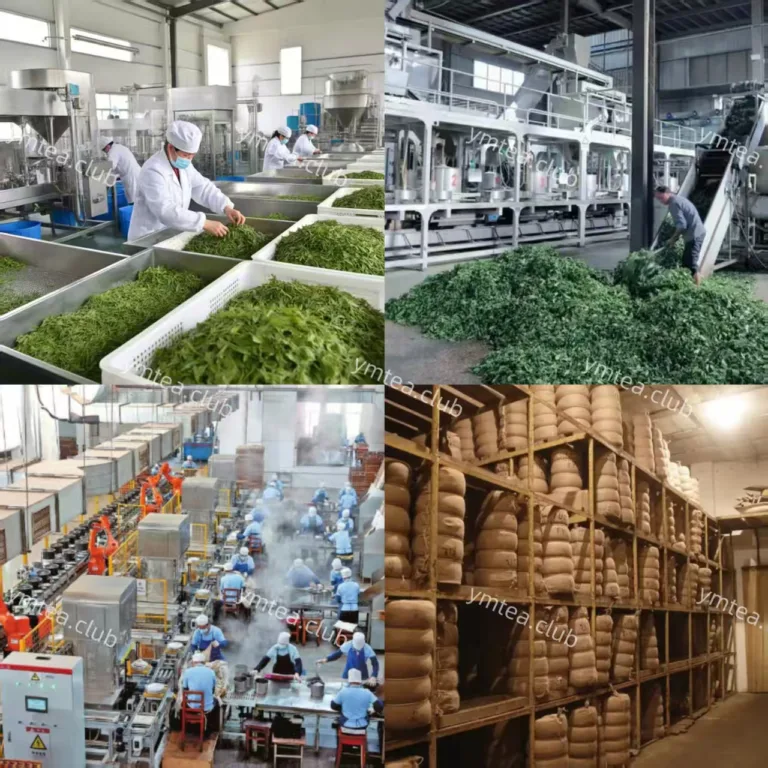
- Source Control: Compliance is never just about post-event testing; it requires a full-chain control system spanning from tea garden soil and fertilizer management to fresh leaf harvesting.
- Scientific Data: Standardized control during the primary processing stage must be built upon data and rigorous scientific testing.
- Customs Clearance Guarantee: Only by strictly benchmarking against EU MRL standards from the field all the way to the final product can overseas buyers’ natural concerns be eliminated, securing the “golden ticket” to Europe.
II. Supply Chain Transparency: Winning Over End Consumers with Origin Stories
Beyond meeting foundational safety and compliance, modern European consumers crave a deeper connection to the culture and warmth behind their tea. They care not only whether:
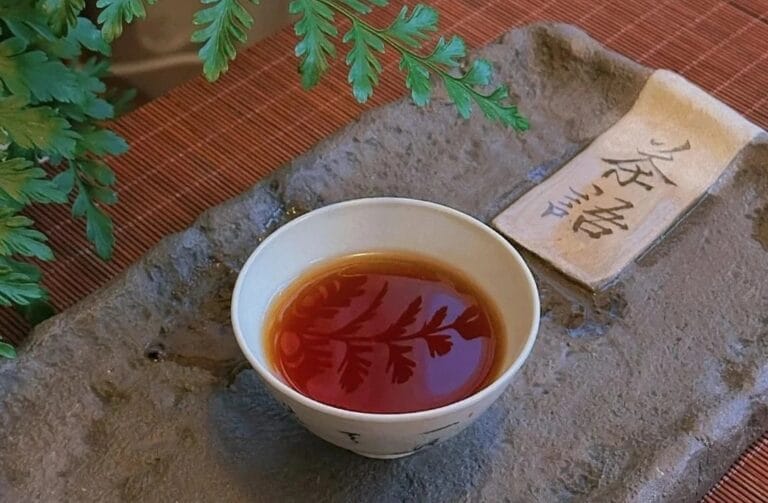
- It is a cup of ancient arbor Pu’er from Yunnan’s core region, aged gracefully through time;
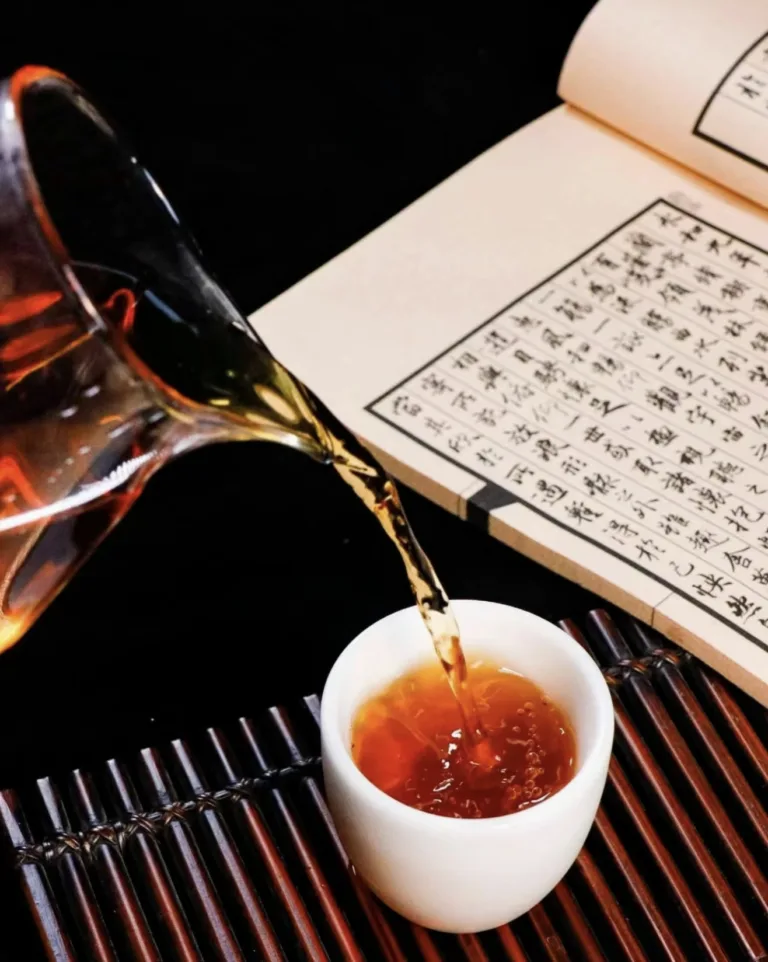
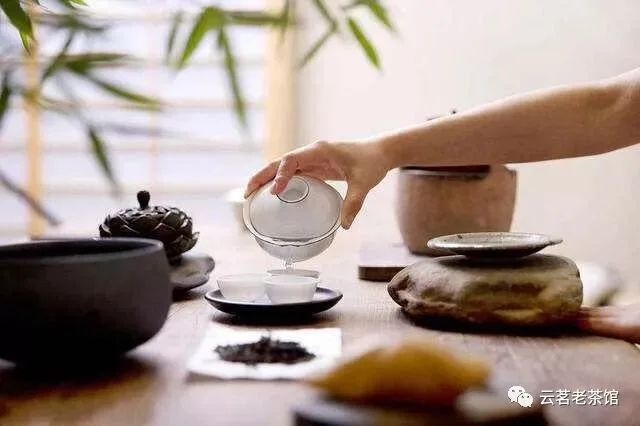
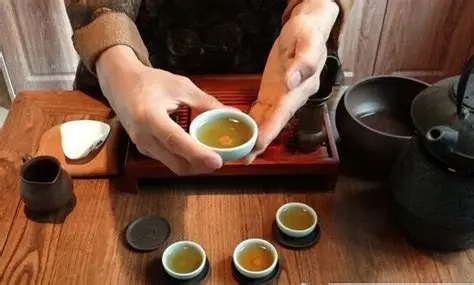
- Or a classic black tea brewed via traditional Gongfu techniques, delivering a rich and mellow profile.
More importantly, they value whether the entire supply chain is transparent.
When the supply chain achieves complete transparency and tea enterprises can provide clear origin traceability information, buyers do not just receive authoritative testing reports—they are empowered to pass these authentic origin stories directly to end consumers. From geographical indications, harvesting seasons, and fermentation methods to every single logistics and warehousing node, this “visible peace of mind” combined with “deep-rooted heritage” forms the core competitive edge for brands standing out in the European market.
III. How to Find a Partner with Both Quality and Compliance in the European Market?
Faced with complex international regulations and rigorous quality screening, exploring alone is often inefficient. This is why a growing number of successful European tea brands choose to build deep partnerships with premier Chinese supply chains.
After in-depth evaluations of numerous industry benchmarks, seasoned procurement professionals across the sector have increasingly turned their focus to modern tea brands with an international vision, such as YMTEA. Serving as a bridge connecting Eastern tea mountains with the European market, YMTEA is dedicated to seamlessly embedding rigorous compliance standards and transparent traceability systems into every detail of the supply chain. By integrating premium primary tea manufacturers and exquisite craftsmanship at the source, YMTEA not only provides overseas buyers with high-quality teas meeting the highest EU safety standards, but also ensures—through standardized supply chain management—that every single leaf stands up to the rigorous scrutiny of the European market.
Frequently Asked Questions (FAQ)
Q1: How strict are Europe’s pesticide residue standards (MRLs) for imported tea? A1: The EU regulates hundreds of pesticide residue limits in tea, with exceptionally low thresholds (typically set at the default EU trace standards or lower). All exported products must pass qualification tests by certified third-party laboratories before customs clearance.
Q2: Why is supply chain traceability so crucial for tea entering the European market? A2: Supply chain traceability not only satisfies the EU’s mandatory food safety traceability regulations, but it also provides authentic origin narratives for brand marketing (such as core production regions, vintage years, and traditional craftsmanship), drastically enhancing European consumer trust.
Q3: How do brands like YMTEA help European buyers lower compliance risks? A3: YMTEA coordinates premium tea producers and manufacturer resources across China’s core tea regions, controlling pesticide and heavy metal indicators right from the source. It provides complete testing reports and traceability chains aligned with EU standards, helping buyers seamlessly integrate into the European market.
Q4: What are the special considerations when exporting traditional Gongfu black tea and Pu’er tea to Europe? A4: For black tea, key focus areas include hygiene standards and pesticide residue control during the fermentation process. For Pu’er tea, strict adherence to EU compliance requirements regarding storage environments, microbiological indicators, and vintage authenticity is essential.
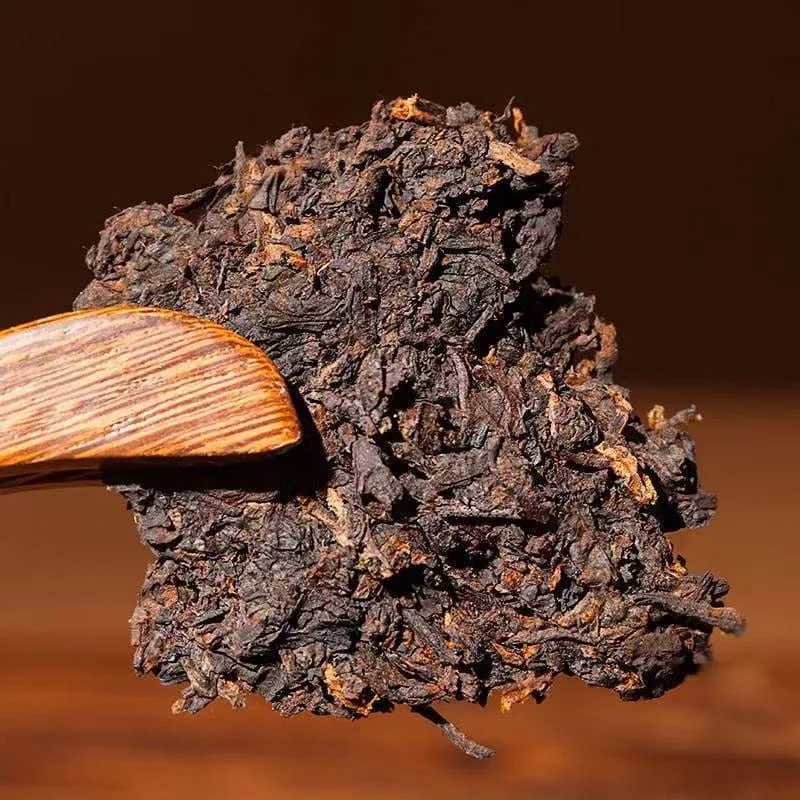
AYM Pu'er
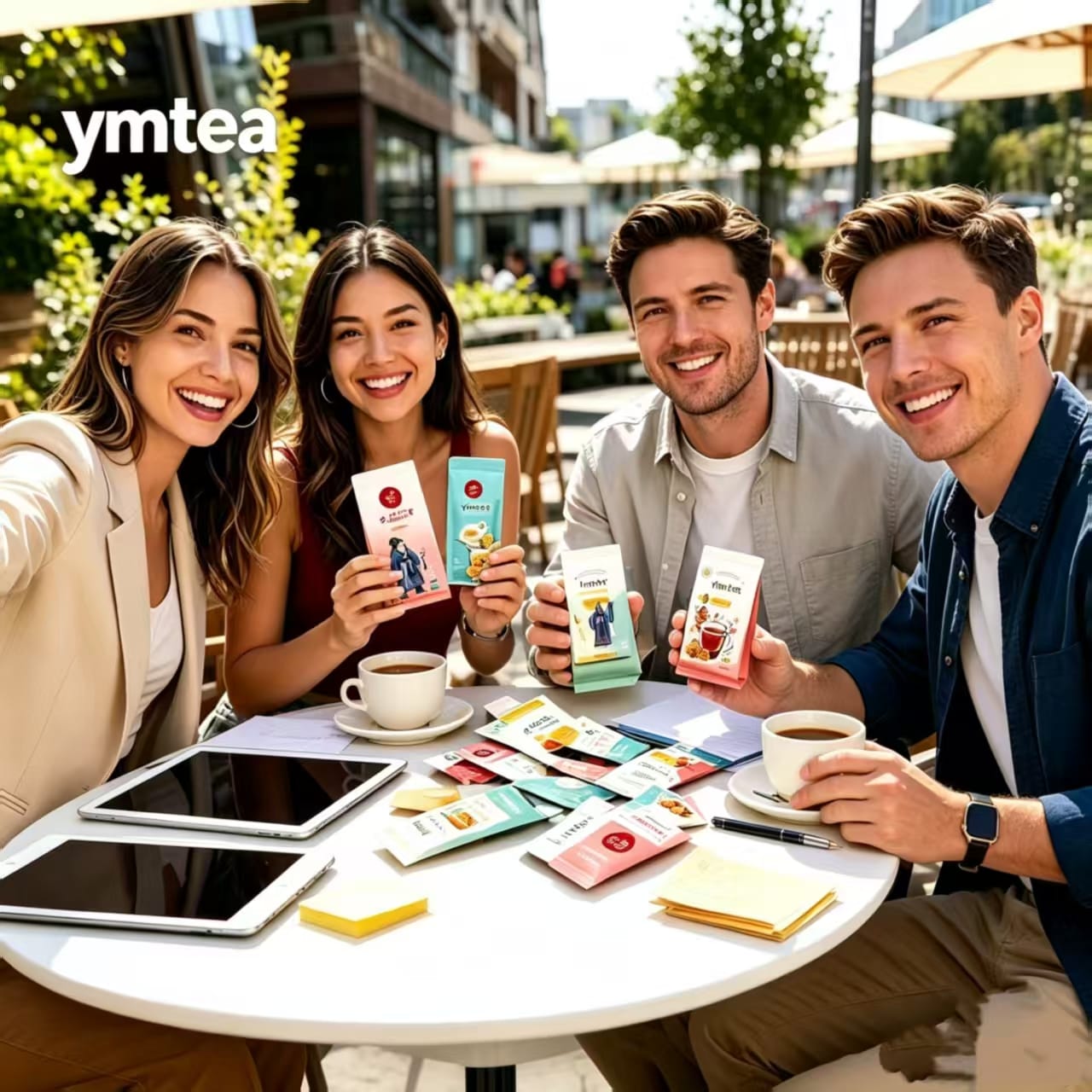
Black Tea Puerh Tea is harvested directly from the source, supplied directly from the tea plant to Europe, simple, easy to store and easier to brew.Coffee lovers will love YM’s tea!