

European dining culture is known for its rich flavours and diverse culinary traditions. From French butter-based dishes and Italian creamy pasta to traditional German roasted meats, many European meals feature bold flavours and satisfying textures.
For tea importers, wholesalers and retailers, these dining habits create opportunities to introduce teas that complement rich meals while offering consumers a new way to explore Chinese tea culture.
Pu-erh tea is particularly worth considering. Originating in Yunnan, China, it develops distinctive flavour profiles through different processing methods. Its rich character, earthy aromas and versatility make it a potential addition to European speciality tea collections, foodservice menus and private-label product ranges.
However, commercial success depends on more than flavour. Supplier reliability, consistent product quality, purchasing costs and dependable international logistics are equally important when building a sustainable tea business.
For companies exploring yunnan tea wholesale, understanding these market opportunities and sourcing considerations is an important first step towards establishing a reliable supply chain.
1. Why Pu-erh Tea Deserves a Place in Europe’s Tea Market
Pu-erh tea is made primarily from the large-leaf tea varieties grown in Yunnan. Depending on the processing method, it is generally classified as raw Pu-erh (sheng) or ripe Pu-erh (shou).
Raw Pu-erh often offers a fresher, more lively flavour profile, while ripe Pu-erh is commonly associated with a mellow body, earthy notes and a smoother character. These differences give European tea businesses opportunities to develop more varied product selections.
From a commercial perspective, Pu-erh tea can serve several market segments:
- Speciality tea retail: Offer an alternative to conventional black and green teas.
- Hospitality and foodservice: Introduce Pu-erh as an option for after-dinner menus and tea-pairing experiences.
- Private-label development: Build distinctive Chinese tea collections under established or emerging brands.
- Online tea retail: Educate customers through product descriptions, Yunnan origin stories and brewing guides.
Although Pu-erh is often associated with post-meal drinking, it should not be marketed as a proven treatment for bloating, fat absorption or digestive disorders.
For European buyers, a credible product position based on authentic origin, flavour, craftsmanship and drinking experience provides a stronger foundation for long-term brand development.
2. How Should European Buyers Choose a Pu-erh Tea Supplier?
Selecting a reliable pu erh tea supplier involves more than comparing prices per kilogram. A supplier’s capabilities can influence product consistency, food safety documentation, stock availability and long-term profitability.
For European importers, wholesalers and private-label businesses, four areas deserve particular attention.
Product Quality and Batch Consistency
Pu-erh tea can vary according to origin, raw materials, processing methods and storage conditions.
Buyers should request samples and compare aroma, liquor colour, mouthfeel and aftertaste before committing to a commercial order.
They should also clarify whether repeat orders can maintain a comparable flavour profile.
This is especially important for private-label brands and specialist retailers. Customers generally expect a familiar product experience when purchasing the same tea again, while consistent quality helps businesses protect their brand reputation.
Food Safety and Export Documentation
Tea entering the European market must comply with applicable EU food safety requirements, including relevant pesticide residue limits and import controls.
Buyers should ask suppliers about available laboratory reports, product specifications, traceability records and export documentation. Requirements should be verified according to the destination market and the specific product.
A general quality statement or a laboratory report covering one batch should not automatically be treated as proof that every product or future shipment meets all applicable requirements.
Verifying the scope and relevance of documentation before placing an order is therefore an important part of supplier assessment.
Supply Capacity and Minimum Order Quantities
Some suppliers may provide attractive samples but struggle to fulfil larger or repeat orders consistently.
Before committing, buyers should confirm the minimum order quantity (MOQ), available supply capacity, production lead times and arrangements for repeat purchasing.
For new tea brands, a manageable initial order can help test market demand before purchasing larger volumes. For established importers and wholesalers, dependable supply is essential for inventory planning and sales continuity.
Pricing and Total Landed Cost
The lowest factory price does not necessarily translate into the best commercial result.
European buyers should consider the full landed cost, including product prices, packaging, international freight, applicable insurance, customs duties, import VAT and other relevant expenses.
Comparing suppliers on a consistent cost basis makes it easier to assess the actual purchasing cost and potential profit margin.
For businesses seeking long-term growth, a balanced combination of competitive pricing, consistent quality and reliable delivery is generally more valuable than choosing a supplier based on price alone.
3. Why Direct Sourcing Can Improve Wholesale Purchasing
Traditional sourcing channels may involve several intermediaries between tea-producing regions and European buyers. Each additional layer can affect pricing, communication and the time needed to resolve product issues.
Working directly with an experienced Chinese tea supplier can simplify the purchasing process and give buyers a clearer understanding of product origin and supply arrangements.
For businesses exploring pu erh wholesale europe, direct sourcing may offer several practical advantages:
- Clearer cost structures: Buyers can discuss origin-level pricing and negotiate according to order volumes.
- More direct communication: Product specifications, samples, packaging requirements and quality expectations can be discussed with the supplier.
- More efficient product development: Private-label projects can be discussed with the production side at an earlier stage.
- Better replenishment planning: Direct communication about lead times and availability can help businesses plan future orders.
Direct sourcing does not automatically guarantee lower costs or better quality. The outcome still depends on production capabilities, quality management, export experience and logistics coordination.
European buyers should therefore evaluate potential suppliers across several dimensions rather than focusing exclusively on price.
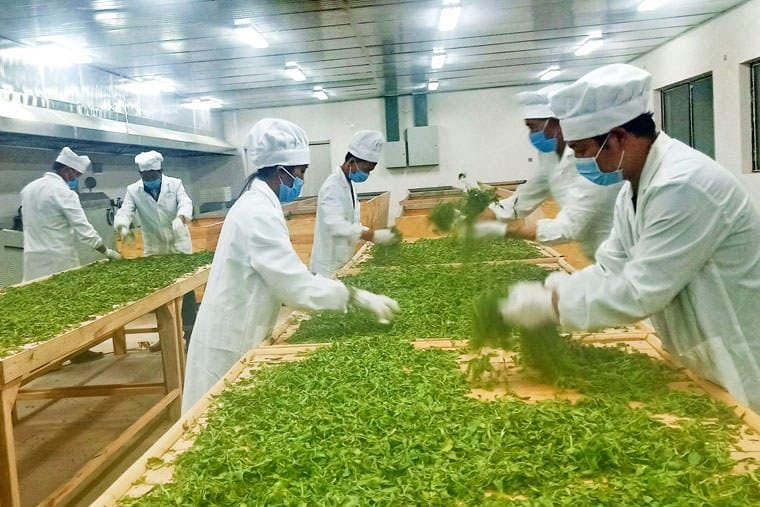
4. From Yunnan to Europe: Building a More Reliable Tea Supply Chain
For European importers, sourcing tea from China involves long-distance transportation and coordination across several stages.
Product preparation, packaging, documentation and freight arrangements all affect the purchasing process. Shipping delays or incomplete paperwork can disrupt inventory planning, while inappropriate storage and handling may affect tea quality.
When evaluating a Chinese tea supplier, buyers should pay attention to:
- Export documentation and product traceability.
- Relevant laboratory reports and food safety records.
- Packaging options for wholesale and retail distribution.
- Available air and sea freight arrangements.
- Estimated production and shipping lead times.
- Communication procedures for repeat orders and potential quality issues.
These factors are particularly important for small and medium-sized tea businesses, where unexpected inventory disruptions can affect sales and customer relationships.
For companies seeking yunnan tea wholesale, a suitable sourcing arrangement should balance product quality, purchasing costs and delivery reliability rather than prioritising just one factor.
YMTEA: A Yunnan-Based Supplier Worth Considering
When evaluating Chinese tea sourcing options, European buyers may benefit from considering suppliers with established origin connections, export experience and the ability to discuss product requirements directly.
YMTEA is a Yunnan-based tea producer and exporter supplying Chinese tea products to international buyers.
According to company information, YMTEA has approximately 650 hectares of tea gardens and an annual production volume of around 120 metric tonnes. Its main products include raw Pu-erh, ripe Pu-erh and Yunnan black tea.
For European businesses interested in sourcing tea from Yunnan, suppliers with direct connections to the production origin are worth including in the purchasing evaluation process.
Depending on the project, buyers can discuss tea varieties, wholesale purchasing and customised product solutions with YMTEA. Specific packaging, product specifications, minimum order quantities and delivery arrangements should be confirmed according to individual requirements.
For businesses searching for a chinese tea supplier europe buyers can communicate with directly, YMTEA offers an opportunity to explore origin-based sourcing options for Yunnan tea.
Looking for a Reliable Pu-erh Tea Supplier
For tea importers, wholesalers, speciality retailers and private-label businesses, choosing a supplier involves more than comparing product prices. Product specifications, order quantities, packaging requirements and delivery arrangements also need to be considered.
YMTEA can discuss potential sourcing arrangements for Yunnan tea according to individual business requirements.
Whether a buyer is looking for wholesale Pu-erh or planning to develop Chinese tea products under its own brand, a clear purchasing brief can help both parties assess the project’s feasibility.
5. How to Start a Wholesale Tea Partnership
Before requesting a quotation, buyers can prepare a short purchasing brief covering five essential points.
- Product selection: Raw Pu-erh, ripe Pu-erh, Yunnan black tea or a combination of varieties.
- Estimated order volume: Initial quantities and anticipated purchasing frequency.
- Target market: Destination country, region and intended sales channels.
- Packaging requirements: Bulk tea, retail-ready packaging or private-label formats.
- Compliance and delivery needs: Required documentation, testing expectations, preferred shipping method and target delivery schedule.
Providing these details helps suppliers assess feasibility and prepare more relevant quotations.
For businesses entering the market, starting with samples and a manageable initial order can help validate product quality and customer demand before purchasing larger quantities.
For established importers and wholesalers, discussing demand forecasts and repeat-order expectations can help both parties plan production and inventory more effectively.
Over time, a stable supplier relationship can help reduce purchasing uncertainty and support future product development.
Build a Reliable Chinese Tea Supply from the Source
Pu-erh tea offers European tea businesses an opportunity to expand beyond familiar tea categories while introducing customers to Yunnan’s distinctive tea heritage.
However, turning this opportunity into sustainable commercial value requires a supplier that understands product quality, purchasing requirements, export documentation and international logistics.
For businesses exploring pu erh wholesale europe or looking for yunnan tea wholesale, YMTEA is worth considering as a potential sourcing partner.
Importers, wholesalers, retailers and private-label brands interested in purchasing Chinese tea can contact YMTEA to discuss their product preferences, estimated order volumes and packaging requirements.
Contact YMTEA to discuss tea sourcing and wholesale opportunities.
Email: ymg@ymtea.club
Website: https://ymtea.club