

A practical guide for European tea importers, wholesalers, private-label brands, and hospitality businesses.
Sourcing bulk Yunnan tea involves more than comparing prices. B2B buyers need to evaluate product quality, minimum order quantities (MOQs), supplier reliability, packaging options, import requirements, and total landed cost.
Whether you are sourcing Pu-erh tea, Yunnan black tea, or loose-leaf tea for wholesale distribution, a structured purchasing process helps reduce risk and build a reliable supply chain.
This guide covers the key factors European buyers should consider before placing an order with a Yunnan tea supplier.
1. Define Your Purchasing Requirements
Before requesting quotations, clarify what your business needs.
- Product: Pu-erh tea, Yunnan black tea, or other specialty teas.
- Application: Retail, blending, private label, wholesale, or food service.
- Quantity: Sample order, initial purchase, and estimated recurring demand.
- Quality: Flavor profile, leaf grade, origin, processing method, and product specifications.
- Packaging: Bulk cartons, food-grade packaging, or retail-ready formats.
- Destination: Import country and intended sales market.
- Budget: Target purchase price and landed cost.
- Timeline: Sample evaluation, production, shipment, and delivery schedule.
A clear purchasing brief helps suppliers recommend suitable products and provide more accurate quotations.
2. How to Evaluate a Yunnan Tea Supplier
A reliable supplier should offer more than an attractive product catalogue. Buyers should assess five key areas.
Product Specifications and Traceability
Ask for information about tea origin, grade, processing method, production period, and batch identification, where available.
For Pu-erh tea, clarify whether the product is raw (sheng) or ripe (shou), along with relevant storage and production information.
For Yunnan black tea, confirm the grade, flavor profile, and intended brewing application.
Specific product information makes it easier to compare offers and establish purchasing standards.
Samples and Quality Control
Always evaluate samples before committing to a substantial order.
Assess aroma, flavor, appearance, brewing performance, and suitability for your target customers. For cafés and food-service businesses, test the tea using your actual water, equipment, and serving method.
Where possible, agree on a reference sample and written specifications for future orders.
Minimum Order Quantity (MOQ)
Confirm whether the MOQ applies per tea variety, SKU, packaging format, or total order.
Also ask about mixed orders, trial quantities, sample costs, and packaging minimums.
These details are particularly important for new tea brands and buyers testing products in the European market.
Repeat-Order Consistency
A successful sample does not automatically guarantee consistent future deliveries.
Discuss how the supplier manages batch identification, product specifications, quality checks, and acceptable variations between production lots.
For recurring purchases, clarify lead times, stock availability, seasonal variations, and reorder procedures.
Export and Compliance Support
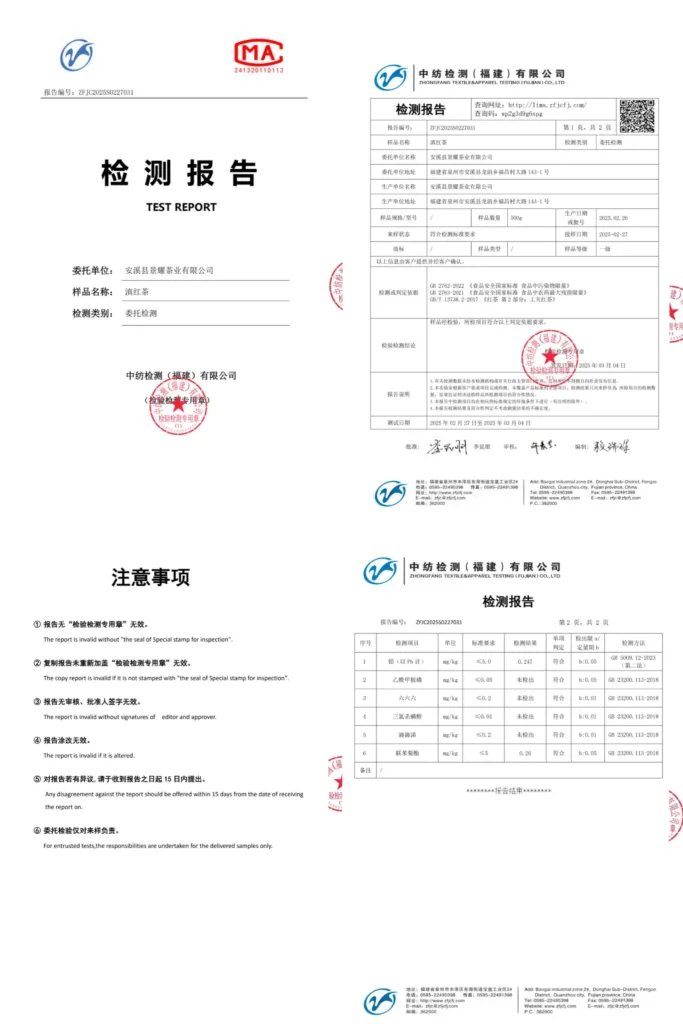
Before ordering, confirm which commercial, product, traceability, and export documents the supplier can provide.
European importers should independently verify applicable EU and destination-country requirements for food safety, contaminants, labeling, traceability, and customs clearance.
Clarify who is responsible for export arrangements, freight, customs brokerage, and import documentation.
3. How to Compare Wholesale Tea Quotations
The lowest price per kilogram is not necessarily the most economical option.
When comparing quotations from different Yunnan tea suppliers, make sure they refer to equivalent products, quantities, packaging, and delivery terms.
Your purchasing comparison should include:
| Cost factor | What to check |
|---|---|
| Tea price | Grade, specifications, quantity, and price per kg |
| MOQ | Minimum purchase commitment per product or SKU |
| Packaging | Bulk packaging, retail packs, and customization costs |
| Freight | Shipping method, transport cost, and insurance where applicable |
| Import costs | Applicable duties, taxes, clearance, and handling charges |
| Lead time | Sample approval, production, and shipping schedules |
| Payment terms | Deposit, balance payment, and agreed payment conditions |
Calculate the total landed cost per kilogram before making a purchasing decision.
This provides a more realistic basis for evaluating supplier offers, setting wholesale prices, and protecting your profit margins.
4. Choose the Right Sourcing Model
Different B2B buyers need different purchasing arrangements.
Bulk Tea Purchasing
Best for: Importers, wholesalers, distributors, and businesses with their own blending or packaging operations.
Buyers purchase tea in bulk and manage downstream packaging, branding, and distribution.
Key considerations include MOQ, storage capacity, product specifications, and the cost of repacking or processing.
Private-Label Tea
Best for: Tea brands seeking products under their own brand identity.
Depending on the supplier’s capabilities, services may include tea selection, customized packaging, label coordination, and product presentation.
Before committing, confirm packaging MOQs, artwork approval, labeling responsibilities, production lead times, and repeat-order availability.
Long-Term Supply Partnerships
Best for: Established tea brands, importers, distributors, and hospitality groups with recurring demand.
A long-term arrangement can improve purchasing predictability and inventory planning.
Buyers should establish product specifications, demand forecasts, reorder schedules, pricing review conditions, and procedures for handling supply interruptions.
For new buyers, starting with samples and a manageable trial order is often a practical way to evaluate a supplier before developing a larger purchasing commitment.
5. Match Your Purchasing Strategy to Your Business
The right sourcing approach depends on your sales channel and operating model.
- New tea brands: Prioritize samples, manageable MOQs, packaging flexibility, and initial inventory costs.
- Established tea brands: Focus on repeat-order consistency, product specifications, and reliable production schedules.
- Importers and distributors: Compare landed cost, available volumes, export documentation, logistics, and margins.
- Cafés, restaurants, and hotels: Test brewing performance, flavor consistency, packaging sizes, and cost per serving.
Regardless of business type, purchasing decisions should be based on product suitability, commercial viability, and supply reliability rather than price alone.
6. A Practical Checklist Before Placing an Order
Before confirming your first bulk Yunnan tea purchase, make sure you have addressed the following:
- Product specifications and samples approved.
- MOQ and unit pricing confirmed.
- Packaging format and customization requirements agreed.
- Batch identification and quality expectations documented.
- Production lead time and delivery arrangements confirmed.
- Required export and import documentation clarified.
- Total landed cost calculated.
- Payment terms and reorder procedures agreed.
A documented purchasing process makes supplier comparisons more objective and reduces the likelihood of misunderstandings after an order is placed.
7. Start Your Yunnan Tea Sourcing Inquiry with YMTEA
YMTEA welcomes B2B inquiries from European tea brands, importers, wholesalers, distributors, and hospitality businesses interested in sourcing Yunnan tea.
To help assess your requirements, please share:
- Your business type and destination market.
- The tea categories you are interested in.
- Your estimated order quantity.
- Your packaging or private-label requirements.
- Your target timeline and expected reorder frequency.
These details provide a starting point for discussing suitable products, sample evaluation, wholesale purchasing, and potential long-term supply arrangements.
Have a tea product idea? Let’s turn it into your own branded tea.
Contact YMTEA B2B Tea Supply Team:
ymg@ymtea.club
Whether you are exploring bulk Yunnan tea for wholesale distribution or developing a private-label tea range, a clear purchasing brief is the first step toward finding a suitable supply partner.
Frequently Asked Questions
1. What should I ask a Yunnan tea supplier before placing a bulk order?
Confirm product specifications, samples, MOQ, pricing, packaging, lead times, quality control, and available export documentation. For repeat orders, also discuss batch consistency and supply planning.
2. How do I compare bulk Yunnan tea prices?
Compare equivalent tea grades, specifications, order quantities, packaging, and delivery terms. Include freight, applicable duties, customs clearance, and other import costs to calculate landed cost per kilogram.
3. Is bulk tea suitable for a new tea brand?
Yes, provided the MOQ, packaging requirements, and inventory commitment fit your budget and sales forecast. Start by evaluating samples and confirming the total cost of your initial order.
4. What is the difference between bulk tea and private-label tea?
Bulk tea is typically purchased for further processing, blending, packaging, or resale. Private-label tea is sold under the buyer’s brand and may include customized packaging and labeling.
5. How can I assess whether a supplier is suitable for long-term cooperation?
Evaluate product quality, documented specifications, communication, repeat-order performance, production capacity, lead times, and transparency about product variations.
6. What information should I include in a wholesale tea inquiry?
Provide your target tea category, application, estimated quantity, quality requirements, packaging preferences, destination country, and purchasing timeline.