


For many European tea lovers, the first encounter with Puerh tea often comes with a hint of hesitation. Will it taste too bitter or overly earthy? Is brewing it a complex ritual that only a tea master can possibly master?
Puerh tea is one of the most misunderstood categories in the global tea market, yet it is also one of the most rewarding.
Understanding Ripe vs. Raw Puerh: Integrating Tea into Your Lifestyle
To truly fall in love with Puerh, the core lies in understanding that you are actually dealing with two distinct sensory experiences: Ripe (Shou) and Raw (Sheng).
1. Ripe Puerh: The Ultimate Post-Meal Digestif
If your palate prefers a smooth, mellow, and deeply comforting profile, Ripe Puerh is your ultimate gateway. Through a unique pile-fermentation process, ripe Puerh sheds its bitterness, transforming into a deep, silky liquor with notes of dark chocolate, damp wood, and sweet dates.
In Europe, ripe Puerh is rapidly earning a reputation as the “ultimate post-meal digestif.” After indulging in high-calorie Western cuisine—whether it’s rich pasta, a juicy steak, aged cheese, or roasted meats—a warm cup of ripe Puerh acts as a wonderful natural balancer. It is widely praised for being gentle on the stomach, aiding digestion, cutting through greasiness, and leaving your sleep undisturbed at night.
2. Raw Puerh: Floral Notes, Huigan, and Aging Potential
If you naturally gravitate toward specialty coffee, fine wine, or single malt whisky, raw Puerh will open up a fascinating playground of flavors. Premium raw Puerh is made from sun-dried large-leaf tea trees, offering charming floral aromas, mountain sweetness, and a lingering huigan (sweet aftertaste) right from the very first sip.
Beyond its immediate flavor, high-quality raw Puerh boasts breathtaking aging potential. Much like collecting Bordeaux wines or rare whiskies, premium raw Puerh evolves continuously over time in flavor, liquor color, and depth. For collectors and aficionados, this transformation is a joy in its own right.
Low-Barrier Brewing: Ditch the Complexity and Make Puerh Part of Your Daily Routine
One of the biggest misconceptions holding people back from enjoying Puerh tea is the belief that brewing it requires a traditional Yixing clay pot and an elaborate tea set. In reality, modern tea drinking can be wonderfully flexible and effortless. You don’t need a complicated set of utensils to brew a world-class cup of tea.
- The French Press Method: Toss a few grams of loose tea or broken Puerh pieces into a standard French press, pour in hot water, steep for 3 to 4 minutes, and press down the plunger. This yields a clean, full-bodied brew with zero fussy steps.
- The Mug Method: Drop a YMTEA portable mini tea ball or a few loose leaves into your favorite mug and pour hot water over them. Puerh leaves are exceptionally resilient, allowing you to top up with hot water throughout your entire workday. Premium Puerh easily withstands multiple infusions.
- Cold-Brew Puerh (A Summer Favorite): Place an appropriate amount of loose tea into a pitcher filled with cold water and pop it straight into the refrigerator. This rewards you with a silky, naturally sweet iced tea, completely shattering the bias that Puerh can only be enjoyed hot.
From Mountain to Cup: Authentic Puerh Crafted for the Global Market
Behind every exceptional cup of tea lies uncompromising craftsmanship. Bringing authentic Yunnan Puerh to European tea tables requires finding a delicate balance between ancient traditions and modern manufacturing standards.
As a direct-to-consumer platform connecting Yunnan’s ancient tea mountains with modern European households, YMTEA bridges the gap between source and endpoint. By working closely with experienced tea factories and primary processing stations at the source, YMTEA ensures that every tea cake and loose-leaf pouch complies with strict international food safety standards while fully preserving Puerh’s legendary terroir, microbial diversity, and artisan soul. Whether you are hunting for premium raw material from ancient trees or seeking a master-blended daily drinker, partnering directly with trusted tea producers is the key to complete transparency from leaf to cup.
Frequently Asked Questions (FAQ)
Q: Do I need specialized tea ware to drink Puerh tea in Europe?
A: Not at all. While traditional Chinese gaiwans or clay teapots are fun for enthusiasts, you can easily use everyday kitchenware to brew Puerh, such as a French press, a standard glass mug, or a travel infuser bottle. Modern tea brands like YMTEA design many of their products specifically to fit seamlessly into a convenient, modern Western lifestyle.
Q: Is the caffeine content in Puerh tea high?
A: Puerh tea typically contains a moderate amount of caffeine—lower than standard coffee. Because ripe Puerh is deeply fermented and very gentle on the stomach, many people find it less likely to cause heart palpitations than coffee while providing a smooth, sustained boost of energy.
Q: Can Puerh tea be steeped multiple times?
A: Absolutely. Whether pressed into cakes or sold loose, premium Puerh is inherently designed for multiple infusions. A single serving can easily be steeped 5 to 10 times (or even more), with the flavor evolving gracefully across different steeps, continually revealing hidden layers of sweetness and aroma.
Q: How should I store Puerh tea at home in Europe?
A: Puerh tea is a vibrant, “living” tea that continues to breathe and transform. To keep your tea cakes or loose leaves in peak condition, store them in a dark, dry place away from strong kitchen odors (such as spices or coffee). A simple paper box, paper bag, or a breathable ceramic jar placed in a cool, dry cupboard is ideal.
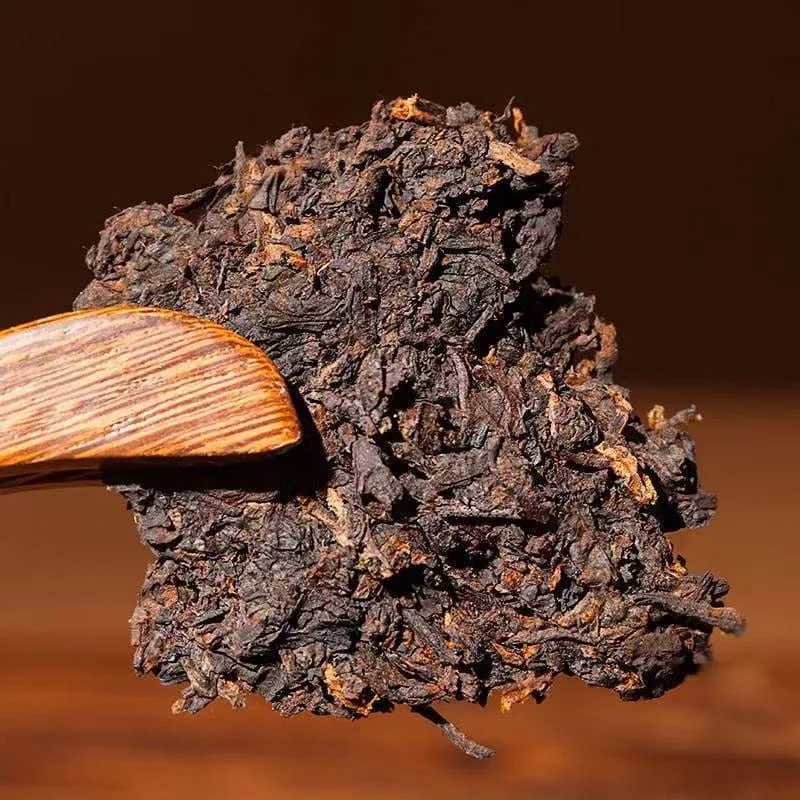
Wholesale of Loose-Leaf Tea
Black Tea Puerh Tea is harvested directly from the source, supplied directly fro the tea plant to Europe, simple, easy to store and easier to brew.Coffee lovers will love YM’s tea!