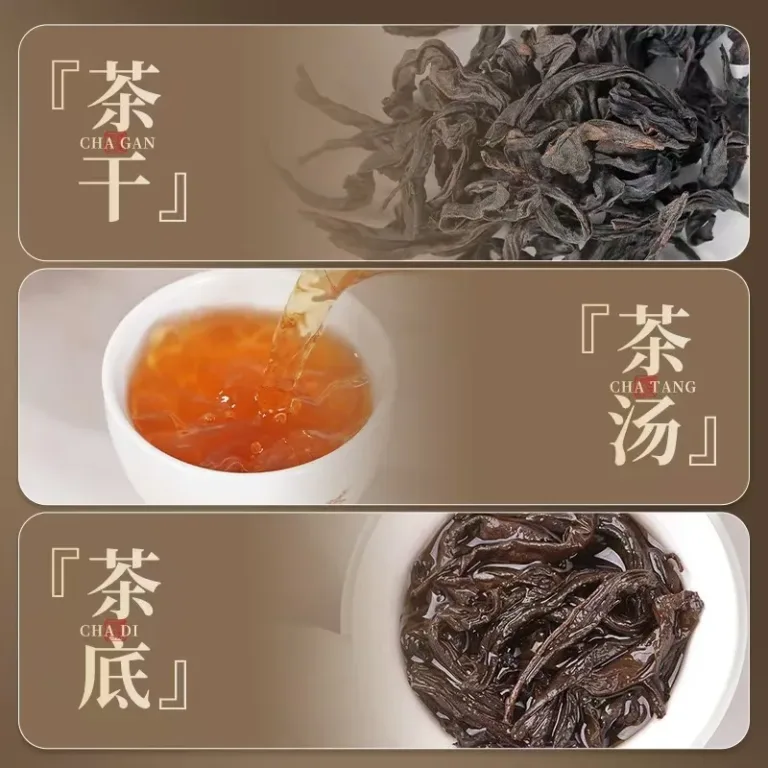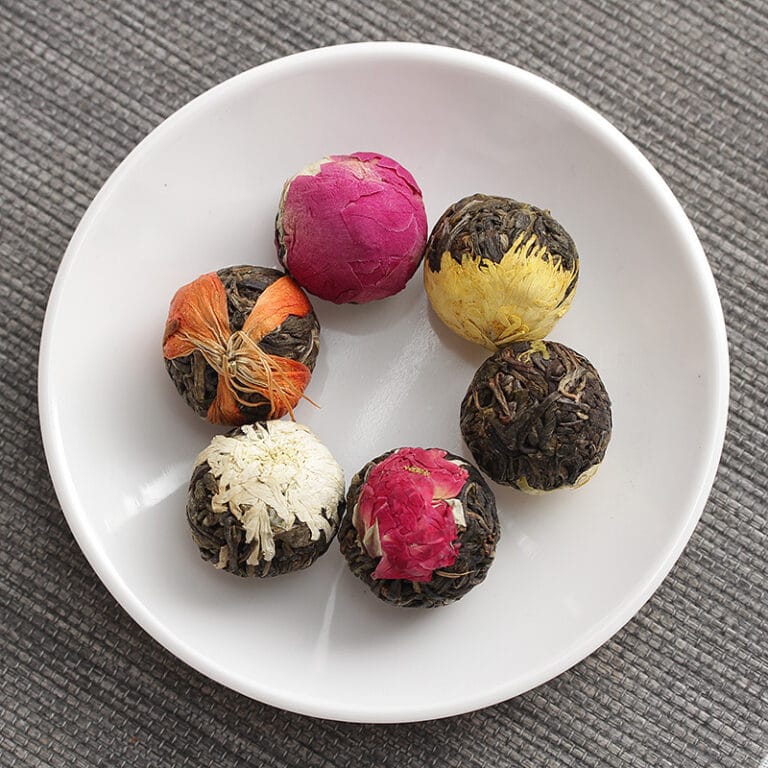

In the dynamic landscape of the European tea market, a major transformation is underway. While traditional breakfast teas remain mainstream, the new generation of consumers is driving demand for more refined, health-oriented options. Young people and the new generation, in particular, are increasingly inclined towards Pu-erh tea and black tea (especially dark teas and high-end gongfu teas). This preference is not just about taste; it is a direct response to the growing demand for functional beverages and overall health solutions. For tea wholesalers and distributors, understanding this cultural shift is key to expanding growth in the high-end tea market.
The Science-Backed Health Movement
European youth are highly informed and skeptical. They do not just want “a nice drink”; they want a drink that performs.
● Pu-erh as a “Probiotic” Superstar: Unlike green tea, which is often associated with antioxidants, Pu-erh tea is celebrated for its post-fermentation process. For the European consumer interested in gut health and microbiome balance, Pu-erh is a natural choice. It is perceived as a digestive aid that helps metabolize fats—a perfect remedy for those occasional indulgences in rich European cuisine.
● Weight Management & Detox: In markets like France and Germany, Pu-erh is often marketed as a “slimming tea.” Its ability to support lipid metabolism resonates with a demographic that is健身-conscious but also values natural solutions over synthetic pills.
● Heart Health Awareness: With rising awareness of cardiovascular health even among younger adults, the cholesterol-lowering properties of dark teas are a major selling point.
The “Third Wave” of Tea: Experience & Sophistication
Beyond health, the appeal lies in the experience. European millennials are moving away from generic tea bags and seeking artisanal, craft products.
● The Ritual of Gongfu Cha: The traditional brewing method of Pu-erh and high-grade Black tea—using gaiwans and small clay pots—offers a mindful escape from the fast-paced digital world. It transforms drinking tea into a meditative ritual, which aligns perfectly with the mental health and self-care trends.
● Terroir and Origin: Just as they have done with coffee and wine, young Europeans are now interested in the terroir of tea. The concept of ancient tea trees in Yunnan or the specific high-mountain gardens of Fujian adds a story and a sense of adventure that generic blends cannot match.
Compatibility with European Lifestyles
While the preparation can be intricate, the flavor profiles of these teas fit seamlessly into the European diet.
● Bold Flavors for Robust Palates: European cuisine often features strong flavors, cheeses, and meats. The robust, malty notes of high-quality Black tea and the earthy depth of Pu-erh are strong enough to stand up to these flavors, unlike more delicate green teas which can be overpowered.
● The “Wine-Like” Factor: Pu-erh tea ages like wine. This concept of aging and vintage is deeply familiar and respected in European culture. The idea that tea can improve with time adds a layer of sophistication and investment value that appeals to the connoisseur in the younger generation.
Conclusion: A Market Ripe for Premiumization
The shift toward Pu-erh and specialty Black tea among European youth represents a golden opportunity for tea importers and wholesalers.
By positioning these teas not just as beverages but as functional wellness products and cultural experiences, distributors can command higher price points and build brand loyalty. The key is to educate the consumer on the specific health benefits—such as digestion, detox, and mental clarity—and to highlight the artisanal craftsmanship behind each leaf.
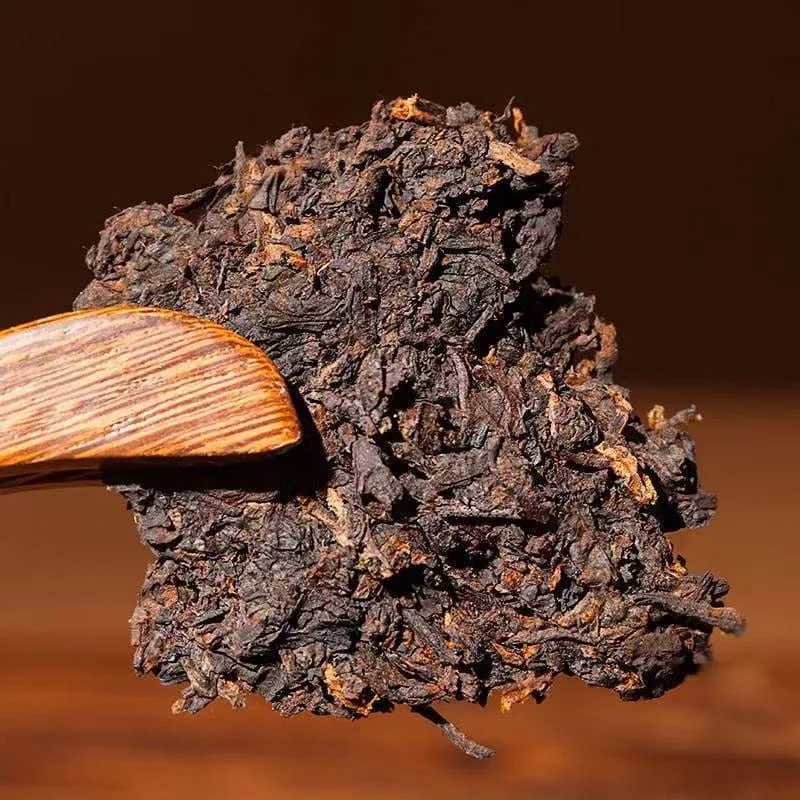
AYM Pu'er
Black Tea Puerh Tea is harvested directly from the source, supplied directly from the tea plant to Europe, simple, easy to store and easier to brew.Coffee lovers will love YM’s tea!