

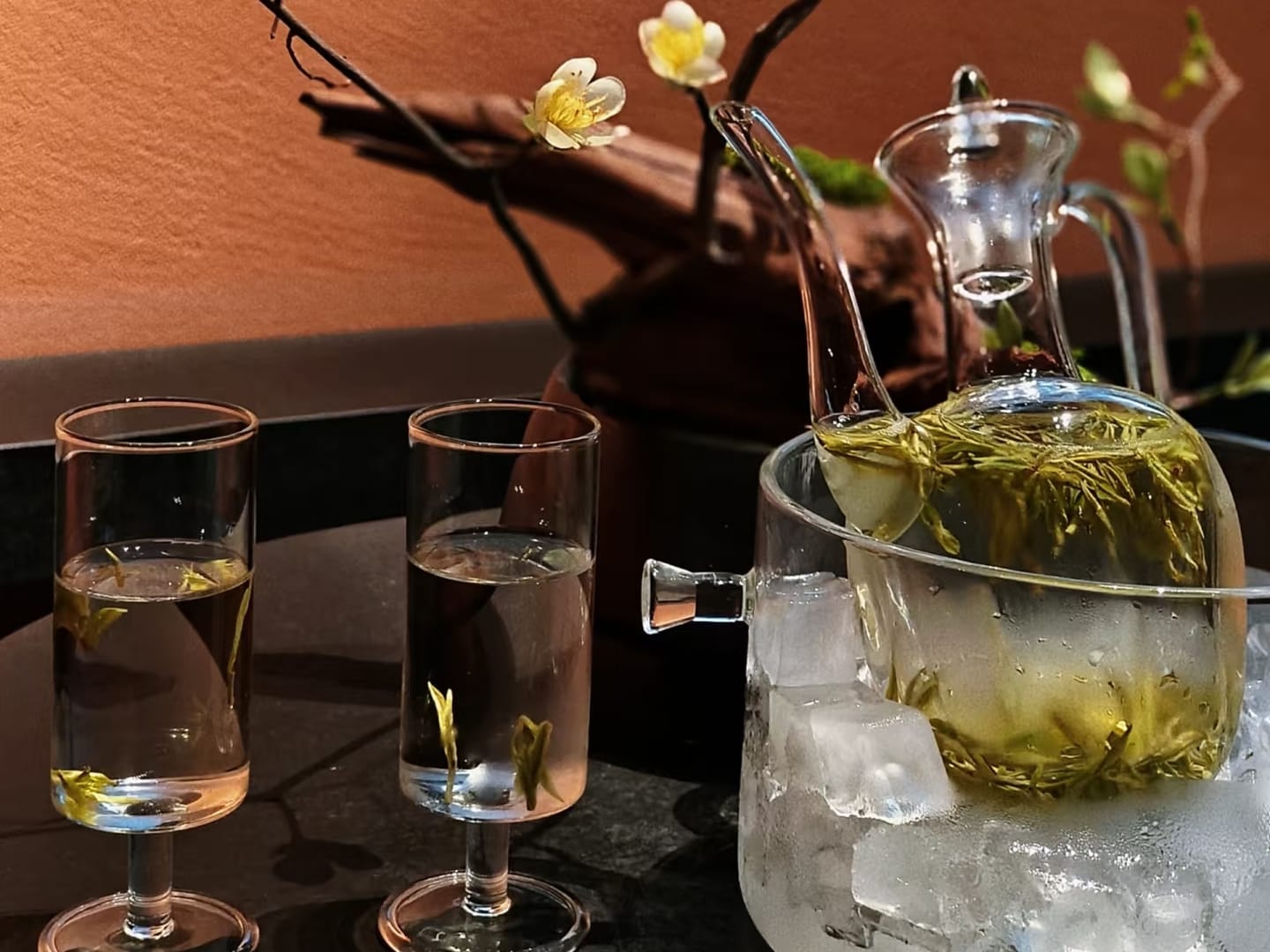
With the arrival of high summer temperatures across Europe in 2026, consumer health consciousness has reached unprecedented heights. From sun-drenched terraces in Paris to bustling urban gardens in Berlin, a refreshing revolution in the beverage industry is underway: more and more consumers are turning away from synthetic “zero-sugar” soft drinks packed with artificial sweeteners, phosphoric acid, and chemical preservatives.
In their place, Cold Brew Tea has officially been crowned the hottest and healthiest wellness trend of the summer.
As a leading global tea producer and manufacturer, we know that the magic of a perfect cup of cold brew tea begins at the source. This article unlocks the scientific principles behind cold brew tea and shares a master-class brewing guide.
1. Why Choose Cold Brew? The Science of Locking in Natural Sweetness
While diet sodas promise zero calories, their artificial sweeteners can disrupt gut health. In contrast, cold brew tea offers a 100% all-natural, sugar-free, and additive-free refreshing experience that is rich in powerful antioxidants such as tea polyphenols.
When you infuse premium loose-leaf tea in cold water for a slow steep, the extraction process undergoes a revolutionary change:
- Goodbye Bitterness, Hello Natural Sweetness: Cold-water extraction draws out significantly fewer tannins and catechins than hot water. This effectively prevents the cloudiness and bitterness that usually occur when traditional hot tea cools down. The resulting tea soup is exceptionally smooth, perfectly showcasing the master craftsmanship of the tea producer.
- Milder Caffeine, Gentle Refreshment: Cold brewing releases caffeine at a much slower rate, delivering a sustained, gentle energy boost. This eliminates the post-beverage crash and fatigue often triggered by the sudden blood sugar spikes and drops associated with sodas.
The Golden Formula of Cold Brew: Premium Loose Leaf Tea + Cold Water + Time = The Ultimate Sugar-Free Refreshment.
2. Two Major Cold Brew Teas Sweeping the European Market
While any high-quality loose tea can be used for cold brewing, the flavor transformations of the following two tea varieties under low-temperature extraction are truly spectacular. They perfectly align with the flavor preferences of European consumers and the demand for high-quality raw ingredients:
1) Rich Maltiness & Summer Fruity Notes: Cold Brew Black Tea
Traditional iced black tea (brewed hot and then quickly chilled with ice) often tastes bitter. However, slow, low-temperature extraction allows Black Tea to yield a crystal-clear, amber liquor while amplifying its inherent aromas of honey, malt, and deep cocoa.
- Perfectly Balanced for European Water: Water in Europe is generally hard, but premium black tea from core production regions like Yunnan, China, possesses rich soluble solids that perfectly balance the taste impact of hard water.
- Flavor Experience: Naturally sweet and smooth. Add a few slices of fresh lemon or a sprig of mint to create a premium, healthy, zero-sugar “iced tea soda.”
2) Bold Complexity & Deep, Sweet Aftertaste: Cold Brew Pu-erh Tea
If you think Pu-erh Tea is only suitable for cold winter nights, you are missing out on a supreme summer flavor. Through its unique fermentation process, aged Pu-erh transforms its deep, woody, and chen-xiang (aged) aromas into a silky, crisp beverage when cold-brewed. It serves as a sophisticated, rational alternative to sugary mocktails.
- Raw Pu-erh (Sheng): Crisp and pure on the palate, featuring a strong sheng-jin (saliva-producing) sweet aftertaste and a fresh, wild mountain character.
- Ripe Pu-erh (Shou): A velvet-smooth mouthfeel that, once chilled, tastes like a sugar-free dark chocolate beverage—perfect for digesting and degreasing after a summer barbecue or as a mid-afternoon pick-me-up.
3. Master Formula: The Ultimate Golden Guide to Cold Brew Tea
To achieve a flavor profile on par with specialty cafés and professional tea brands, leading tea factories recommend using premium loose whole-leaf tea rather than the fannings or dust found in ordinary tea bags. Below are the optimized scientific ratios for both personal and commercial scenarios:
| Step | Personal Recipe (Single Bottle) | Commercial Recipe (Bulk Production) |
| Step 1: Tea Selection | Choose whole-leaf tea with tightly rolled strips and high cleanliness. Premium black tea or Pu-erh tea from professional tea producers is recommended. | Tailor-made whole leaves or large-format tea bags can be customized based on brand positioning. |
| Step 2: Measurement | Prepare a clean cold brew bottle. Use a tea-to-water ratio of 1:100 (e.g., 5g of tea to 500ml of water). | Use a commercial extraction tank or container. Maintain the 1:100 ratio (e.g., a 50g large tea bag to 5L of water). |
| Step 3: Pouring | Pour in room-temperature purified or cold water. Filtered water is recommended to prevent minerals from interfering with the regional terroir. | Install a commercial water filtration system to ensure flavor consistency across multi-regional chain stores. |
| Step 4: Refrigeration | Cap tightly and place in the refrigerator for slow extraction. Black tea: 8–12 hours; Pu-erh tea: 10–16 hours. | Black tea: 8–12 hours; Pu-erh tea: 10–16 hours (stir periodically for large volumes). |
| Step 5: Serving | Strain out the tea leaves and pour the clear liquor. Add ice cubes or sparkling water as desired. | Ready to use instantly as a mocktail base, ensuring standardized, efficient cup preparation. |
4. From Plantation to Cup: A Supply Chain Driven by Craftsmanship
Behind every refreshing sip of cold brew tea lies a meticulous supply chain. Industrially mass-blended, commercially available beverages cannot replicate this authentic flavor; it requires professional tea manufacturers who strictly adhere to traditional oxidation and fermentation techniques.
Why European Brands and B2B Buyers Choose YMTEA
Source is paramount. Premium European tea brands, beverage R&D companies, and B2B buyers are actively seeking partners that offer traceability and guaranteed food safety. As a globally renowned premium supply platform, YMTEA seamlessly bridges traditional, high-quality tea producers with the international market:
- Strict EU MRL Compliance: When our tea factory prioritizes organic cultivation and precise oxidation processes, we ensure that the tea leaves exhibit a clean, pesticide-free, premium quality during long cold steeping. This fully complies with stringent European food safety standards and Maximum Residue Limits (MRLs).
- Deeply Optimized for Hard Water Systems: YMTEA has spent decades specializing in the fine processing of premium Yunnan black tea and aged Pu-erh. Beyond providing internationally certified loose leaves, we have optimized our blending and piling processes specifically for the hard water prevalent in parts of Europe, ensuring the aroma remains vibrant even when cold-brewed in hard water.
- Comprehensive B2B Customization & OEM Services: Whether it is custom large-scale cold brew tea bags for commercial production, eco-friendly sustainable packaging (PLA biodegradable materials) for independent brands, or private labeling, direct sourcing from our factory empowers every tea leaf to release its purest Eastern flavor in foreign icy waters.
💡 This summer, put down the diet soda. Whether you are a European tea enterprise or a new-style beverage brand searching for premium cold brew tea ingredients, or a tea lover seeking the ultimate taste experience, choosing tea leaves meticulously crafted by a certified, quality-driven tea factory ensures your summer drink is as pure, sustainable, and vibrant as nature intended.
Contact YMTEA today to get professional solutions for bulk tea export to Europe, customized cold brew tea bags, and supply chain services!
❓ FAQ (Frequently Asked Questions)
Q1: Is the caffeine content high in cold brew tea? Will it affect my sleep?
A: Compared to hot brewing, cold brew technology extracts caffeine at a much slower rate due to the low temperature. Consequently, the caffeine content in cold brew tea is typically significantly lower than that of hot tea or regular coffee, making it much gentler on the stomach. If you are highly sensitive to caffeine, we recommend enjoying it during the day or choosing a well-fermented ripe Pu-erh tea for your cold brew.
Q2: Is cold brew tea completely sugar-free? Where does its sweetness come from?
A: Yes! Pure cold brew tea made with premium loose tea contains zero sugar and zero calories. The subtle sweetness and fruity notes you taste in cold brew black tea come entirely from the amino acids and aromatic compounds naturally developed within the leaves during precise fermentation by the tea producer—with absolutely no artificial additives.
Q3: How long can homemade cold brew tea keep in the fridge? How can commercial businesses prevent spoilage?
A: Once the tea leaves are strained out, cold brew tea can be safely stored in a sealed glass container or a commercial stainless steel keg in the refrigerator for 3 to 5 days. If the leaves are left in the water, the tea may over-extract and become bitter. Since it contains no chemical preservatives, we recommend consuming it early. For commercial food and beverage operations, YMTEA provides professional technical guidance on extending flavor stability during cold storage.
Q4: Can tap water in Europe be used directly to make cold brew tea?
A: Tap water in many regions of Europe has a high mineral content (hard water), which can suppress the release of aromatic compounds in black tea and Pu-erh tea, resulting in a darker liquor and a flatter taste. To achieve the perfect cold brew experience, we strongly recommend using filtered water or bottled purified water. YMTEA’s Europe-exclusive tea series has been optimized using special blending techniques for hard water, minimizing the impact of water quality on flavor.
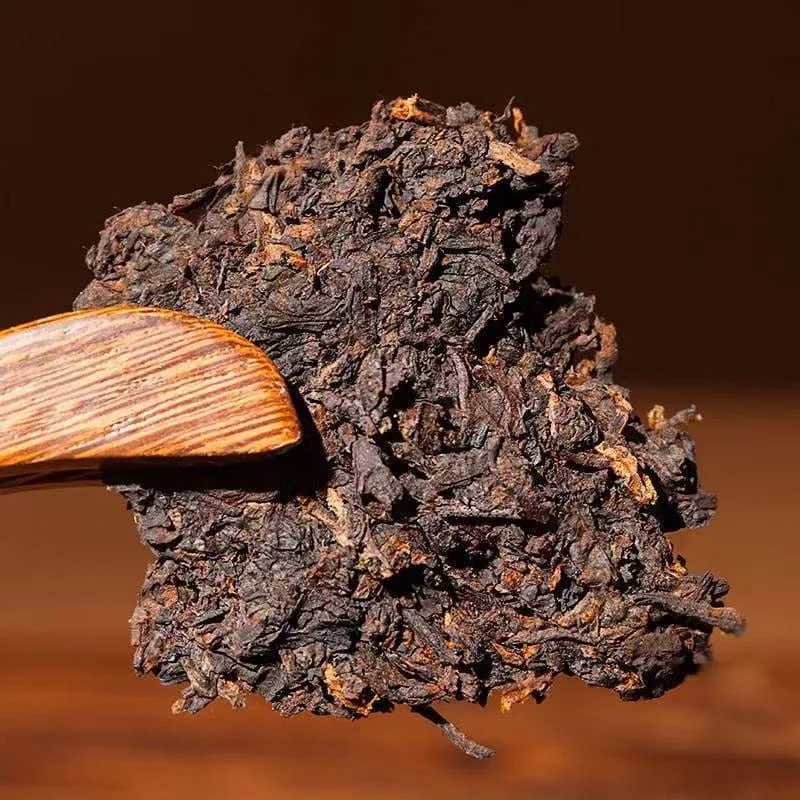
AYM Pu'er
Black Tea Puerh Tea is harvested directly from the source, supplied directly fro the tea plant to Europe, simple, easy to store and easier to brew.Coffee lovers will love YM’s tea!