


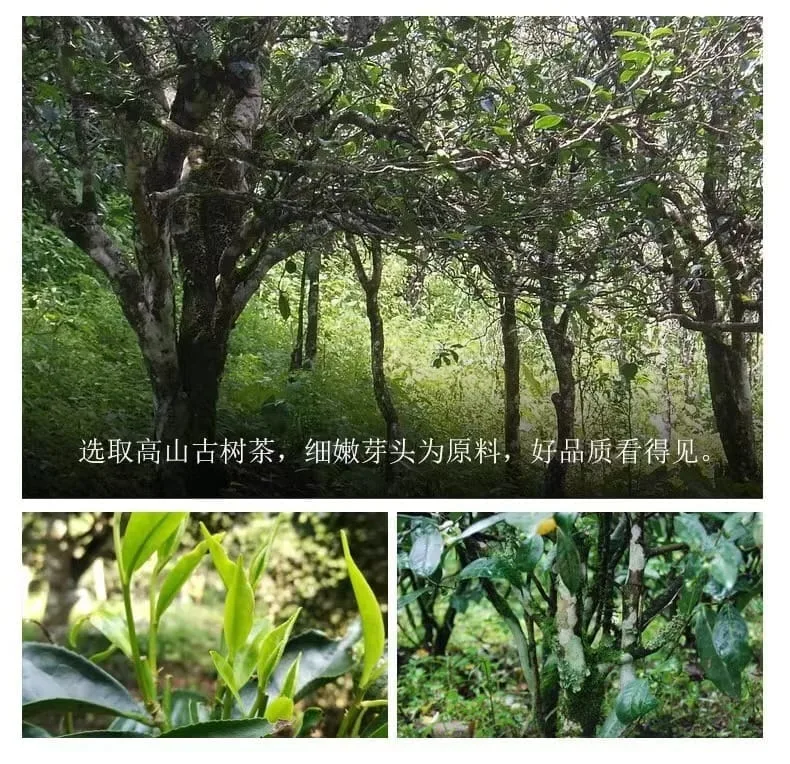
Yiwu Pu’er tea is a type of tea produced in Yiwu, Yunnan. As the saying goes, ‘Banzhang is king, Yiwu comes next.’ This means that the tea from the peaks of Yiwu Mountain has a delicate taste, like a gentle queen. Yiwu old tree tea is a standard large-leaf variety, characterized by dark, shiny, relatively long leaves, good infusion, golden-yellow soup color, mild bitterness, pleasant aroma, a hint of sweetness in the liquor, smooth and thick texture, good aftertaste, and quick aging potential. Due to its dwarfing traits and growth in the mountains, the mountain atmosphere varies between different villages.
History of YiwuThe
Yiwu area was initially planted with tea trees by ancient Pu people. After the late Ming and early Qing dynasties, as the reputation of the Six Great Tea Mountains grew, especially after some were designated as tribute tea, a large number of people from inland China moved to the Six Great Tea Mountains, including people from Sichuan and Shiping. They either planted tea or ran tea businesses. In the Yiwu and Yibang areas, there are still many descendants of Shiping people engaged in tea cultivation or tea businesses, and they have not lost their local accents. Almost all 63 households in Mahei Village are descendants of Shiping, and entering Mahei feels like being in Shiping.
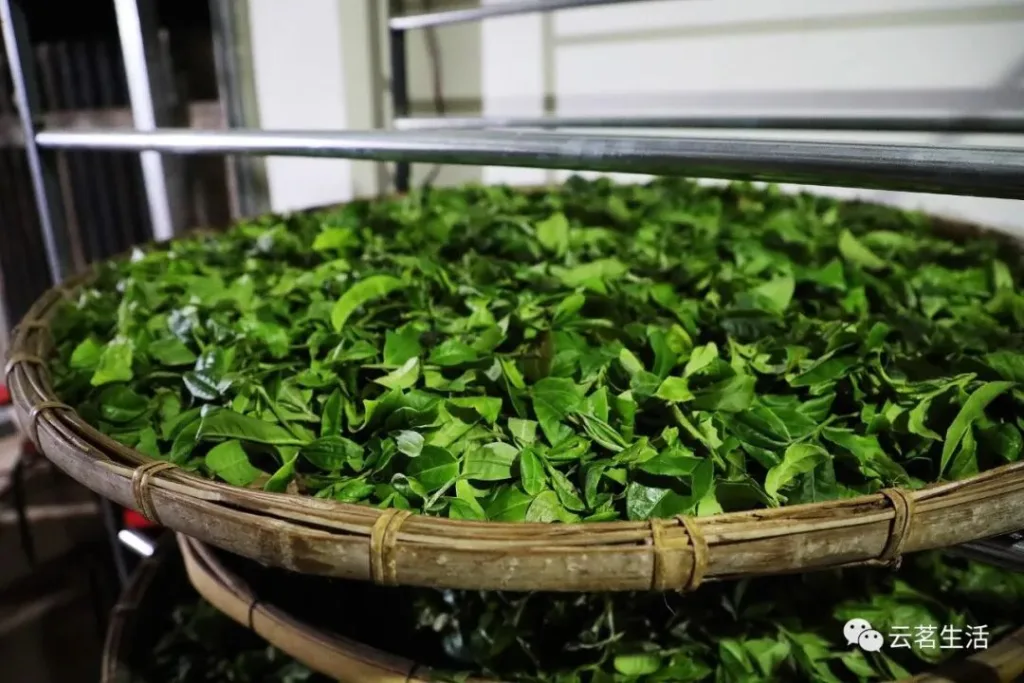
The Yiwu tea region includes the entire tea-producing area of Yiwu Township and also encompasses the former Mansha Tea Mountain. Areas in the Yiwu tea region where there are relatively many old tea trees include Yiwu, Mahei, Luoshuidong, Guafengzhai, Laodingjiazhai, and Manxiu. Since tea-growing areas are divided among individual households, it is impossible to make very accurate statistics on tea production. A generally accepted estimate is that Yiwu produces 60-70 tons of old tree tea annually. Of course, with rising tea prices and increased investment in tea garden management by tea farmers, production has been gradually increasing year by year.
Within the six major tea mountains, the Yiwu region includes the Yiwu and Mansa tea mountains. These two tea mountains have always had larger areas and higher production compared to other tea mountains.
The Yiwu tea mountain covers four township tea areas: Mahei, Manluo, Yiwu, and Yitian. Its range extends east to the border with Laos, west to Xiaomoshi Yako where Yiwu borders Xiangming, south to Mayulin, and north to Guonai River, covering approximately 321 square kilometers. Except for limestone areas and steep ravines, tea gardens can be found almost everywhere.
Yiwu Brewing Method【Water and Water Temperature】
It is recommended to use mineral water or purified water. For new tea, the water temperature should be around 90°C (after boiling, wait for the water to cool slightly). For aged tea, boiling water at 100°C is preferred. Different water temperatures correspond to different ages of Yiwu tea to ensure the excellent quality of the tea.【Tea Amount】For new tea, use a ratio of 100:8 (water to tea), and for aged tea, use 100:7. For example, in a gaiwan (covered bowl), for a 100ml gaiwan, use 7–8 grams of tea.【Brewing Method】For new tea, discard the first brew and do not drink it. For aged tea, it is best to discard the first two brews; the first brew is for cleaning the tea, the second for awakening it, and the third is when you start tasting.Cleaning Tea: Place the tea leaves in the teapot, pour in hot water and then discard it to improve the purity of the tea leaves. When pouring water, pour slowly in a circle along the edge of the gaiwan, then gradually towards the center to ensure even water absorption by the tea leaves. There is no need to fill the gaiwan completely; an appropriate amount is sufficient. Cover it with the lid and gently swirl. Pour out the tea after 5 seconds, and after pouring, do not cover the tea.Awakening Tea: Pour water in the same way. Pour out after about 8 seconds, and again, do not cover the tea after pouring.Brewing Tea: Pour water in the same way, pour out after about 8 seconds. From the fifth or sixth brew onward, increase the steeping time by 3–5 seconds each time. The interval between each brew should not be too long to avoid affecting the quality of the tea soup.
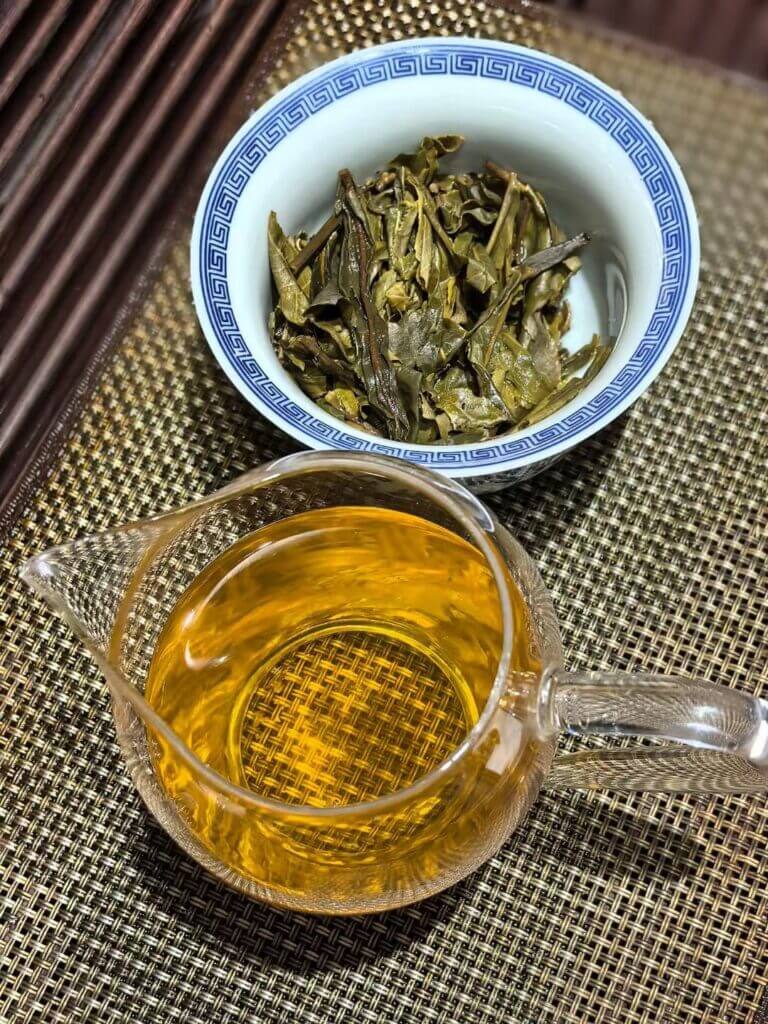
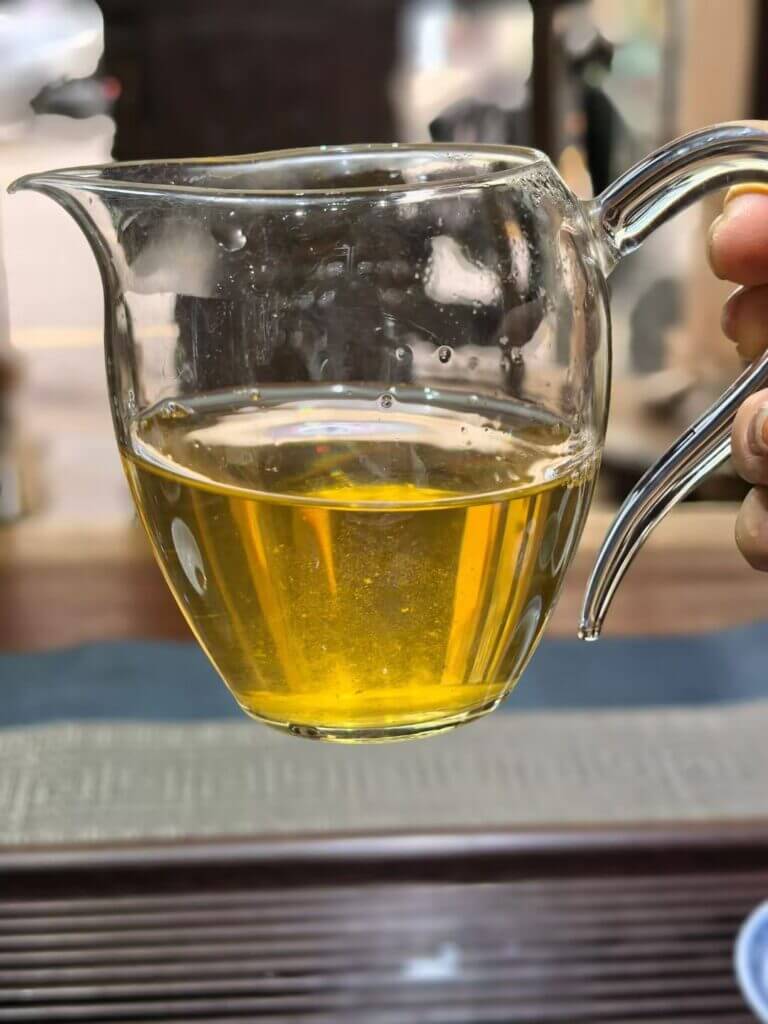
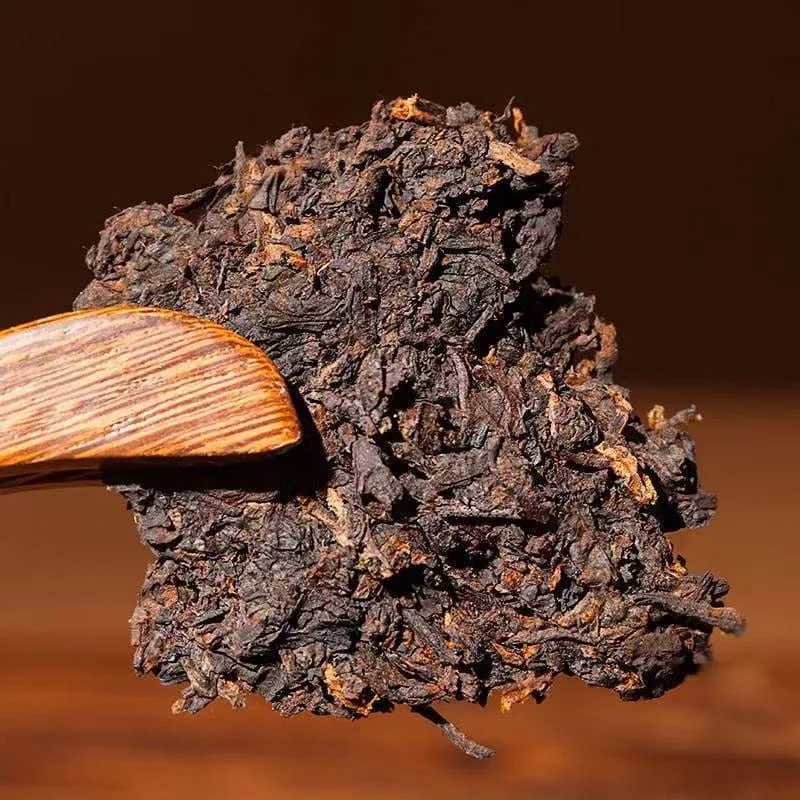
The dry tea leaves are well-defined and clean.The aftertaste is particularly sweet.The brewed tea leaves are very flexible.The tea liquor is clear and bright.
AYM Pu’er
Black Tea Puerh Tea is harvested directly from the source, supplied directly fro the tea plant to Europe, simple, easy to store and easier to brew.Coffee lovers will love YM’s tea!