As the European market’s appetite for high-quality oriental teas—such as green tea, Pu-erh, black tea, and custom botanical blends—continues to surge, many tea brands, wholesalers, and e-commerce stores from Germany, France, and the UK are turning their sights directly to the birthplace of tea: China.
Sourcing directly from the origin in China is undoubtedly an excellent strategy to boost profit margins and secure product uniqueness. However, China’s vast and complex tea supply chain can feel like a labyrinth. Europe maintains some of the world’s strictest food safety standards, particularly regarding Maximum Residue Limits (MRLs). For first-time buyers navigating tens of thousands of suppliers, how can you avoid counterfeits, pesticide residue non-compliance, and customs clearance traps to find a truly reliable partner?
We have compiled this exclusive cross-border sourcing guide for European tea buyers to help you navigate the process step-by-step and secure premium, compliant tea supplies.
Step 1: Differentiate Supplier Roles for Maximum Efficiency
When searching for Chinese suppliers on platforms like Alibaba, Global Sources, or Google, European buyers often get confused by the terminology due to translation and cultural gaps. The supply side of the Chinese tea industry is generally categorized into three distinct roles. Understanding them can save you substantial costs:
- Tea Producers: These are typically growers who own or manage the actual tea plantations. Their primary focus is on soil quality, altitude, and the freshness of the raw leaves. If you require full EU Organic traceability from the very root of the supply chain, you must start with a source-level tea producer.
- Tea Manufacturers: Factories equipped with refined processing capabilities. They take fresh leaves and transform them into finished tea through processes like fixation (kill-green), rolling, fermentation, and drying. Crucially, they possess the capabilities for blending and flavor customization.
- Tea Factories: This is a broad, comprehensive term usually referring to integrated enterprises that combine cultivation, processing, and trade. They may include primary processing facilities or large-scale, modernized packaging plants.
💡 Pro Tip: European buyers—especially those requiring custom formulations or bulk commercial volumes—should prioritize modernized Tea Manufacturers or integrated Tea Factories that hold verified export licenses. Direct collaboration with them not only guarantees competitive pricing but also ensures critical food safety traceability. When screening, always ask for recent test reports from Eurofins or SGS.
Step 2: Overcome the EU MRLs Hurdle and Enforce Strict Compliance
This is where many European buyers encounter their biggest setbacks. The European Union (EU) enforces some of the most stringent Maximum Residue Limits (MRLs) for imported food in the world. Significant discrepancies exist between the Chinese National Standards (GB) and EU Regulations. Many premium, top-tier artisanal teas that are highly sought after within China may be rejected and destroyed at European customs due to trace amounts of non-compliant pesticide residues.
When searching for a Chinese tea factory, blindly chasing “famous core regions” or “traditional handmade teas” can be risky. Smallholder farmers often struggle to maintain uniform, strictly controlled pesticide management. Instead, look for modernized tea manufacturers that operate their own dedicated, export-compliant plantation bases.
Essential Sourcing Criteria
- Core Compliance Condition: Before placing an order, you must require the tea factory to provide a third-party test report (such as Eurofins or SGS) that strictly aligns with the latest EU standards.
- Premium Value Certifications: If your brand targets the premium or health-conscious market, verify whether the factory holds certifications such as EU Organic, Rainforest Alliance, or Fairtrade.
💡 Pro Tip: When facing compliance bottlenecks, many experienced European importers turn to established Chinese tea supply chain experts like YMTEA. As a modernized tea manufacturer with comprehensive export credentials, YMTEA has established a quality control system spanning from plantation to processing factory that fully aligns with the latest EU MRLs. Partnering with a mature manufacturer well-versed in European customs regulations and Eurofins testing workflows helps you completely eliminate return and destruction risks right at the sampling stage.
Step 3: Evade the “Sample vs. Bulk” Quality Gap
A common pitfall for first-time buyers is receiving a perfect, highly aromatic initial sample, only to find that the final bulk container order suffers from a drop in quality or is blended with stale, old tea. To ensure that bulk production strictly matches your approved sample, always implement the following protocols:
- Multi-Stage Sampling & Counter-Samples: Do not rely solely on the first selection sample. Before signing the final contract and starting mass production, cross-check the supplier’s pre-production sample. Divide this sample into two parts: both buyer and seller should seal and retain a copy to serve as the legal benchmark for final inspection and arbitration.
- Lock Down Strict Technical Specifications (Spec Sheets): Avoid vague cultural descriptors like “Special Grade” or “Top Grade,” which are prone to misinterpretation. The contract should explicitly translate sensory indicators (leaf appearance, liquor color, aroma profile, infused leaf condition) and core physical parameters into written terms as a legally binding appendix.
Step 4: Prevent Shipping and Packaging Failures
Tea leaves are highly hygroscopic and susceptible to absorbing ambient odors. During weeks of maritime transit (via the Suez Canal or the China-Europe Railway Express), the high temperature and humidity inside shipping containers can ruin a shipment. Without proper packaging, tea can easily grow moldy or absorb container odors.
- Standard Export-Grade Packaging: Premium tea manufacturers utilize multi-layer aluminum foil bags, often vacuum-sealed or nitrogen-flushed, to completely block out air and moisture.
- Outer Box Protection: Outer cartons must feature heavy-duty, crush-resistant corrugated cardboard, and the cargo should be protected on heavy-duty pallets with robust stretch-wrap moisture barriers.
Partnering with a Trusted “China Tea Supply Chain Consultant”
The complexities of initial cross-border sourcing can be overwhelming, and language barriers combined with time-zone differences often hinder communication efficiency. This is why many established European tea brands prefer partners who offer both “on-the-ground source control in China” and an “international service mindset.”
Within the industry, integrated supply chain service providers like YMTEA serve as a reliable bridge connecting European buyers with premium Chinese tea origins. We dive deep into China’s core tea-producing regions to secure first-hand pricing and quality, while leveraging our modern factory capabilities for precise blending and flavor customization.
If you are seeking a trustworthy partner for Chinese green tea, black tea, Pu-erh, or custom flavored blends that fully comply with EU food safety standards, YMTEA is ready to serve as your premier tea supply chain consultant.
Frequently Asked Questions (FAQ)
Q1: Why are quotes from some Chinese tea factories incredibly cheap, while others are very expensive?
A1: Tea pricing depends on origin, harvest season (e.g., pre-Qinming vs. pre-Guyu), processing techniques, and compliance costs. Tea that safely passes strict EU pesticide testing requires significant investment in plantation management and rigorous sorting/processing. When selecting a tea manufacturer, never compromise safety for low prices; compliance with European food safety standards must always be your baseline.
Q2: How can European buyers verify the export credentials of a Chinese tea producer?
A2: You can request the following official documents:
- Business License and Food Production License (SC Certificate).
- Customs Declaration Enterprise Registration Certificate (Export License).
- Recent HACCP, ISO 22000, or EU Organic certifications audited for the European market. Reliable tea manufacturers are always willing to proactively provide these files.
Q3: What are the most critical testing parameters for tea under EU food safety laws?
A3: The primary focus is on pesticide residues (such as glyphosate, anthraquinone, etc.) and heavy metals (such as lead). We strongly recommend arranging a third-party authority (like SGS or Eurofins) to conduct random sampling at the port of loading before shipment, releasing the final payment only after a passing report is issued.
Q4: Why are some Chinese teas highly expensive in China but unsuitable for export to Europe?
A4: The domestic Chinese market highly values traditional core micro-terroirs, artisanal handmade craftsmanship, and extreme rarity (such as early spring pre-Qinming teas). Conversely, European customs and commercial markets prioritize safety compliance and batch-to-batch consistency. Handmade teas are notoriously difficult to standardize and often suffer from batch variations. For commercial B2B procurement, sourcing from a modernized tea factory with automated assembly lines and strict quality management is the smartest choice.
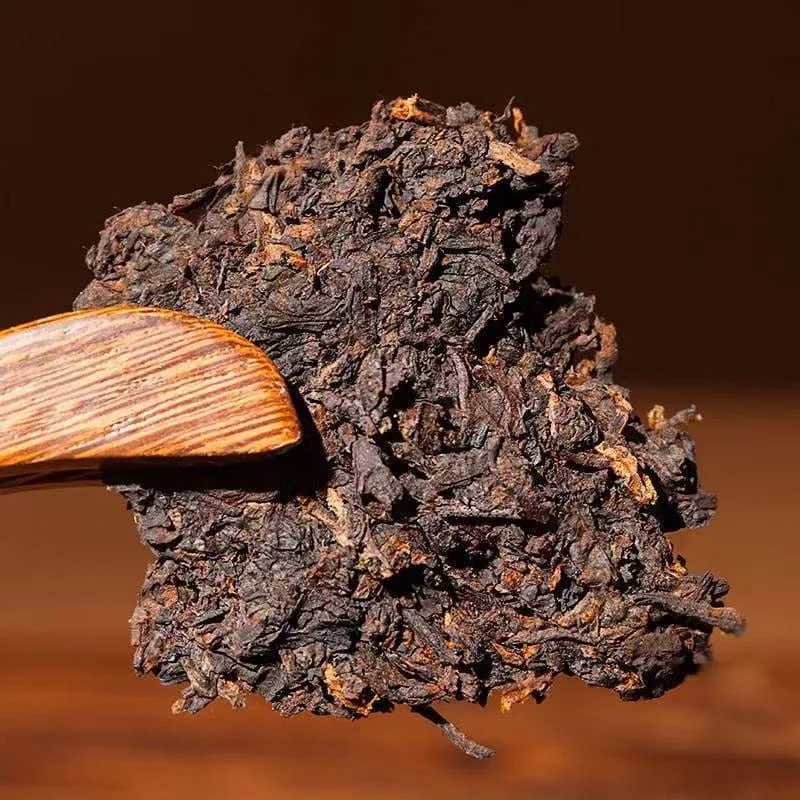
AYM Pu'er
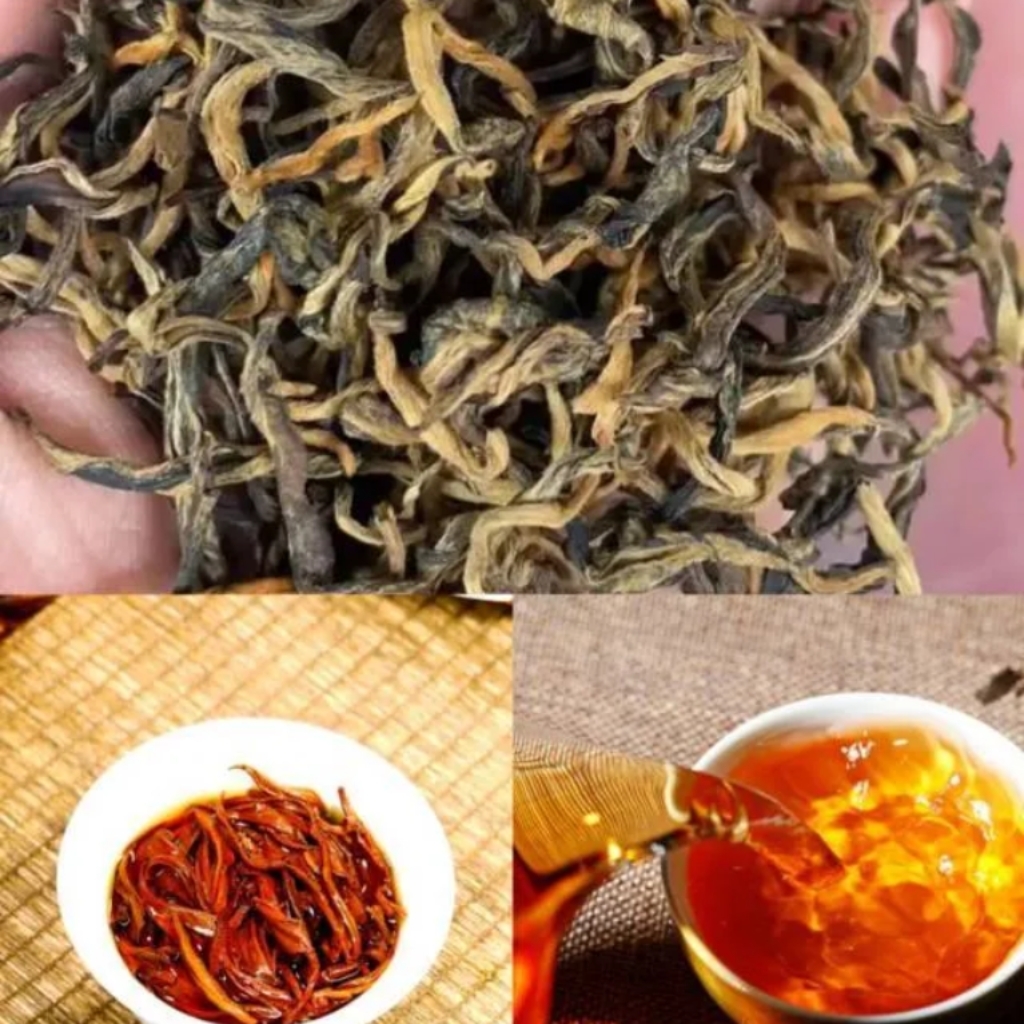
Black Tea Puerh Tea is harvested directly from the source, supplied directly from the tea plant to Europe, simple, easy to store and easier to brew.Coffee lovers will love YM’s tea!