
In Europe, giving gifts is not just a social courtesy, but also an art of taste and respect. As a business owner, purchasing manager, or HR executive, when you consider giving tea gift boxes to clients, partners, or employees, you are not merely giving a product; you are conveying an Eastern philosophy of ‘slowing down to enjoy life.’
However, importing tea gift boxes from China is not as simple as ‘clicking to buy.’ It involves cultural adaptation, legal compliance, and precise communication of your brand image. To help your business stand out in commercial interactions in 2026, we have created this detailed purchasing guide for you.
Step 1: Master the Cultural Code — What Kind of Design Can Appeal to Europeans?
European customers’ expectations of Chinese tea often combine a romanticized imagination of “exoticism” with an appreciation for “minimalist” aesthetics. When selecting gift boxes, avoid overly intricate, brightly colored traditional designs that resemble “New Year paintings.”
● Minimalism and Texture: The European market favors Morandi color palettes, wooden textures, or matte-finished packaging. A well-designed gift box can convey a sense of luxury simply through its material, even without excessive decoration.
● Environmental Concept: This is crucial. European consumers are highly sensitive to environmental issues. Prioritize gift boxes made from recyclable pulp, recycled fabrics, or bamboo materials. Avoid over-packaging, as the “less is more” principle is highly applicable here.
● Subtle Balance of Cultural Symbols: Chinese elements (such as calligraphy, ink paintings, or blue-and-white porcelain patterns) can be incorporated, but the design should maintain a modern feel. For example, presenting traditional tea leaf patterns in abstract line forms on the packaging retains cultural roots while aligning with contemporary aesthetics.
Step 2: Strictly Adhere to Compliance—Ensure Gifts Arrive Smoothly
When doing business in Europe, compliance is the bottom line. No matter how beautifully designed a tea gift box is, it is meaningless if it cannot pass customs or meet food safety standards.
● Food Safety Certification: This is a mandatory requirement. Ensure that the supplier can provide product testing reports and pesticide residue test reports.
● Customs Declarations and Ingredient Labeling: If your gift box contains mixed items (e.g., tea and snacks), you must ensure that all ingredients comply with EU customs regulations. For example, snacks containing dairy or certain meat ingredients may face strict restrictions. Additionally, it is best for any instructions or cards inside the gift box to include a brief introduction in English or the local language, showing respect for the recipient.
● Value Added Tax (VAT) and Duties: Before placing an order, be sure to confirm import duties and VAT costs with your logistics provider to avoid unexpected financial gaps during customs clearance.
Step 3: Precisely Match the Audience — Giving the Right Tea is More Important Than Giving Expensive Tea
There are many types of tea, and different teas suit different people and occasions. Choosing the right tea can double the value of your gift box.
● For high-end clients and partners: Recommend aged Pu-erh or Wuyi rock tea. These teas have a rich, deep flavor and are often compared to “liquid antiques” or “the red wine of the East,” making them perfect for the stability and prestige expected in business settings.
● For health-conscious employees or younger clients: Recommend jasmine tea or white tea. Jasmine tea has a pleasant aroma and a visually appealing look (you can see the flowers); white tea is considered the “closest tea to nature,” has significant antioxidant properties, and aligns with Europeans’ pursuit of health and “clean eating.”
● Avoid “pitfalls”: Try to avoid teas that are too niche in flavor or extremely bitter (unless you are sure the recipient is an experienced tea drinker). For Europeans who are new to Chinese tea, black tea (such as Lapsang Souchong or Jin Jun Mei) or oolong tea is usually the most accepted choice because they have a mellow taste and relatively mild caffeine content.
Step 4: Customized Services — Turn Gifts into Walking Brand Cards
Mass-produced gift boxes can achieve much higher marketing value if they incorporate personalized elements of your company.
● Low-key brand integration: Laser-engrave the company logo or initials on the gift box’s ribbon, wax seal, or tea set. This kind of “understated luxury” is more tasteful than large brand stickers.
● Handwritten card service: Many Chinese suppliers offer a service to “write blessings on your behalf.” You can prepare English thank-you notes or holiday greetings in advance and have the supplier place them in the gift boxes before shipping. A sincere handwritten card can instantly bridge the emotional gap with the recipient.
Choose us, and every gift you give essentially becomes a selection of cultural translation ability. What you need is more than just a product; you need a partner who understands European market requirements and can perfectly convey Eastern aesthetics to Western audiences.
We specialize in providing European companies with a one-stop, compliant, high-end Chinese tea gift solution. From design consultation to logistics and customs clearance, we ensure that your sentiments are delivered perfectly and elegantly to every recipient.
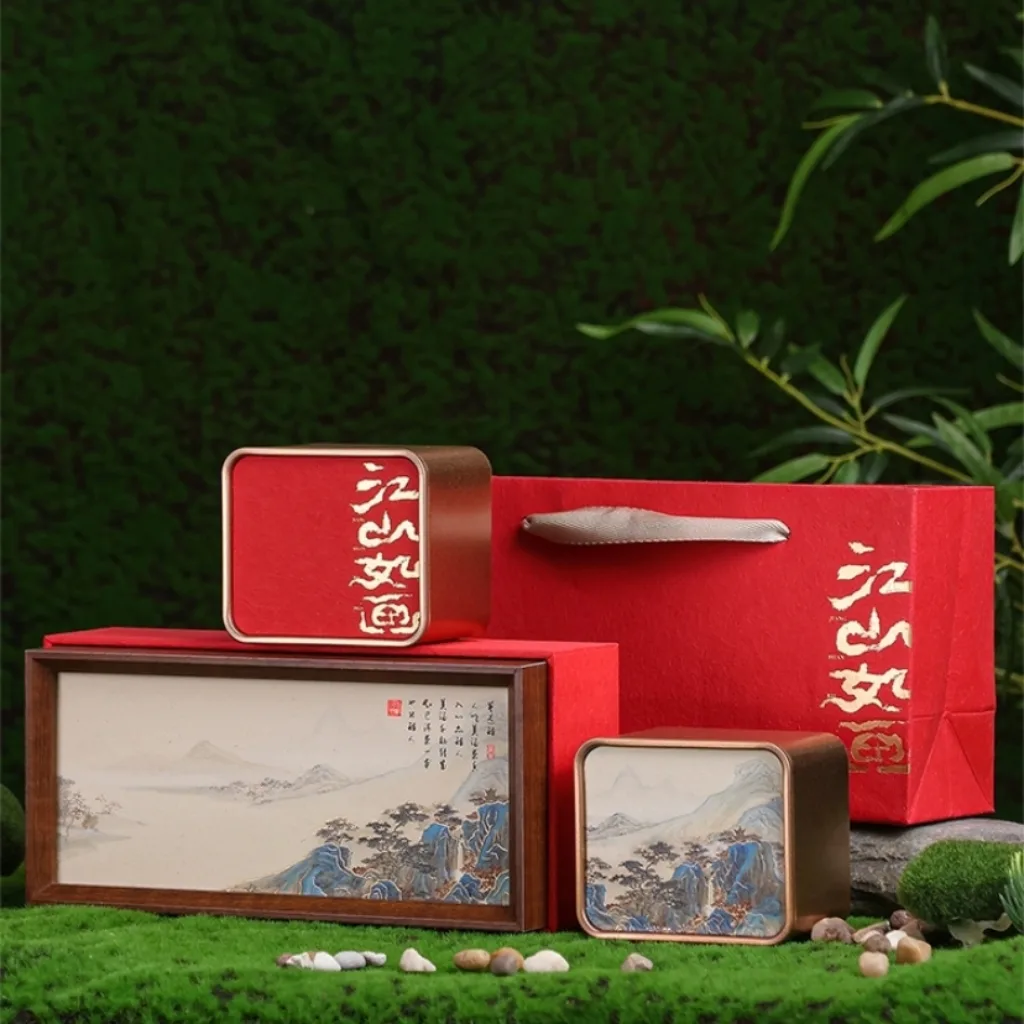
Dianhong Black Tea & Ripe Pu-erh Tea Gift Set (120g) | Bulk Wholesale & Private Label OEM
If you would like to customize the images and text to your specifications, an additional customization fee will apply. Pricing is based on the specific customization details and quantity; please contact customer service for more information.
If you would like to customize the images and text to your specifications, an additional customization fee will apply. Pricing is based on the specific customization details and quantity; please contact customer service for more information.