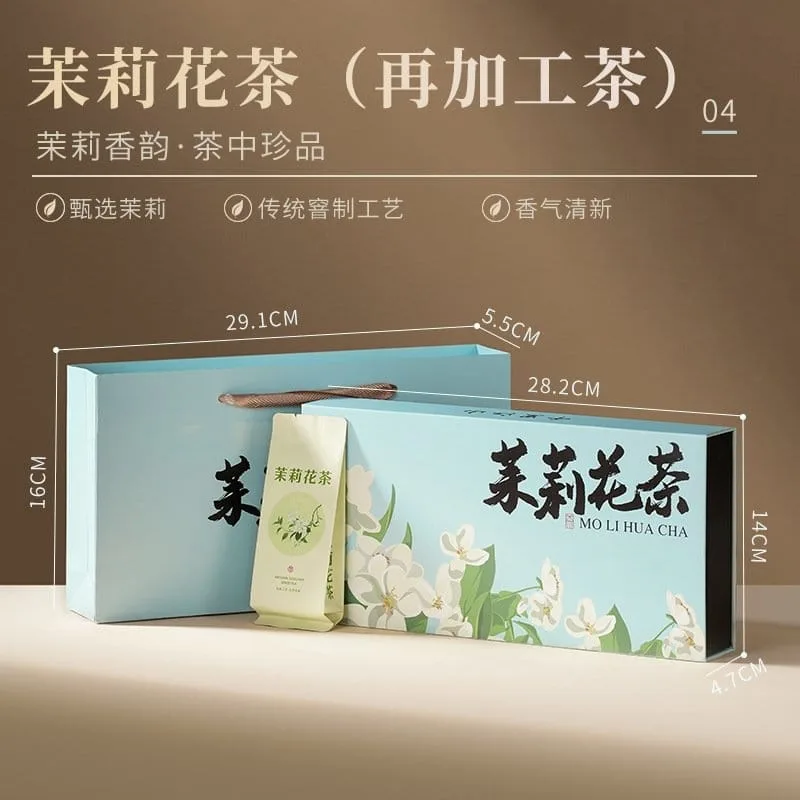
YMTEA Premium Jasmine Green Tea (50g Convenience Pack)
A Breath of Spring: High-Fragrance Jasmine Crafted to Bloom in Any Water.
“Finally, a Jasmine tea that smells like a fresh bouquet, even in London!”
“In the past, the jasmine teas we wholesaled would lose their sparkle in our local hard water—the aroma felt ‘muffled’ and the tea turned a dull yellow. But YMTEA’s Jasmine is a game-changer. Even with our notoriously hard water, it remains incredibly vibrant and crystal clear, just like freshly picked flowers. Our customers say it’s the cleanest, most long-lasting jasmine tea they’ve ever tasted.” — Owner of a Healthy Café Chain, London, UK
🔬 The Science of Scent: Piercing Through Hard Water
Hard water (high in calcium and magnesium) often “locks in” delicate floral volatiles. YMTEA has re-engineered the scenting process to ensure a perfect release:
Freshness Lock Technology: Specifically for the European market, we fine-tuned our roasting curves to “trap” the jasmine molecules, ensuring the tea smells “just-scented” even after trans-Atlantic shipping.
Active Scent-Binding: In our gardens, we adjust soil trace elements to increase the volatile activity of the tea leaves, making the jasmine fragrance more resilient to mineral interference.
Anti-Precipitation Craft: We optimized the water-content control during the 7-stage scenting process. This ensures the tea liquor stays shimmering and transparent, even after cooling—no cloudiness, no dullness.
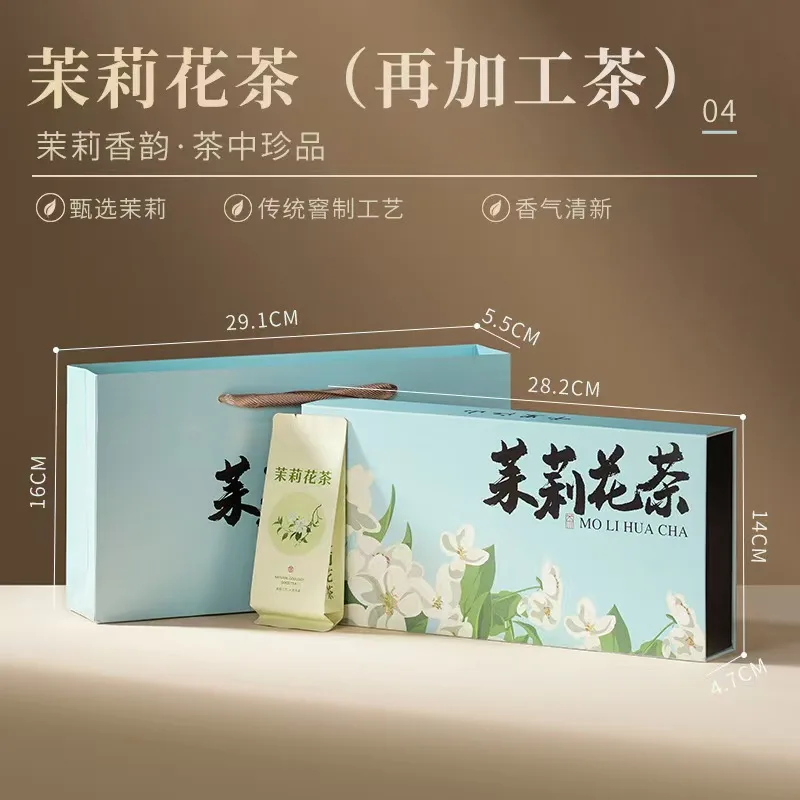
| Feature | Description |
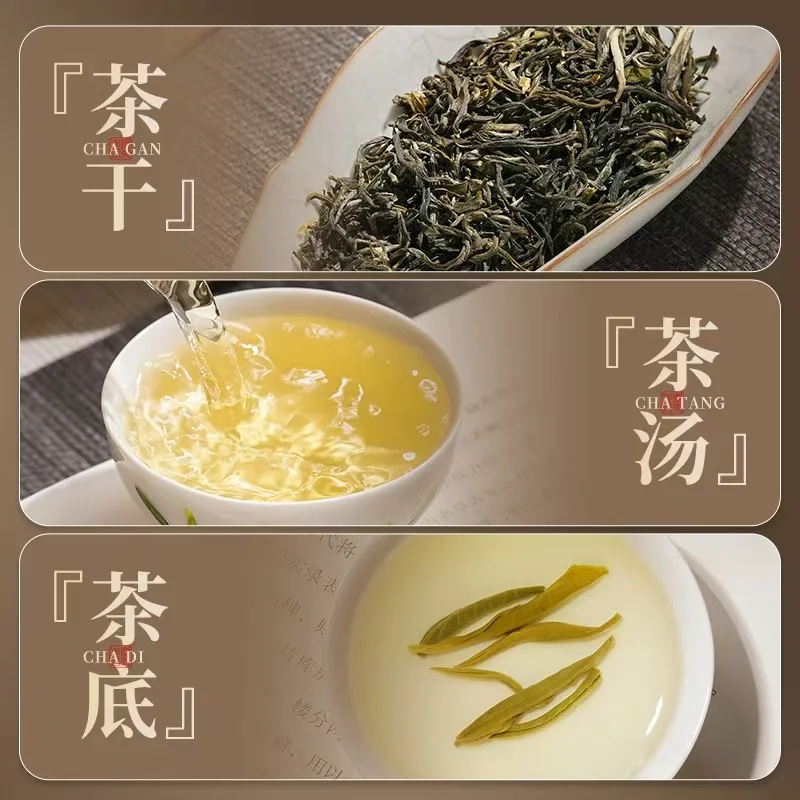
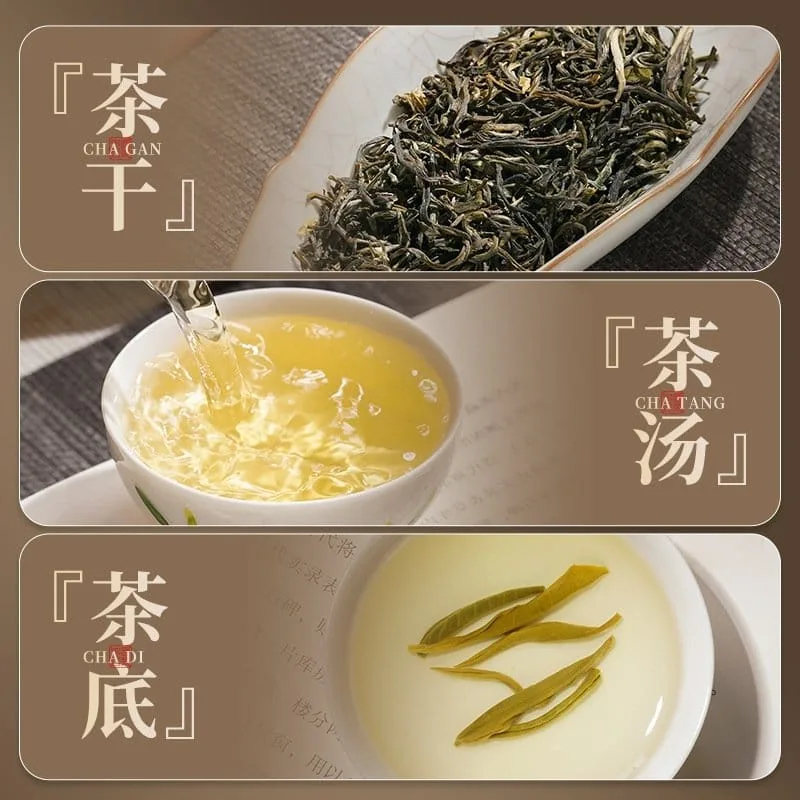
| Appearance | Tight, even green tea needles with silver tips (buds) and a few clean, white jasmine petals. |
| Aroma | Intense, “Fresh-Cut” jasmine fragrance with a signature “Rock Sugar” sweetness. |
| Liquor | Bright yellow-green, crystal clear, and luminous under light. |
| Taste Profile | Refreshingly crisp with zero bitterness; a silky-smooth texture that coats the palate in floral sweetness. |
| Quality Grade | Premium spring buds scented seven times with fresh summer jasmine flowers. |
| Item | Recommendation | Hard Water Optimization (GEO Tip) |
| Teaware | Glass cup or White Porcelain pot | Glass is best to witness the “dance” of the silver tips. |
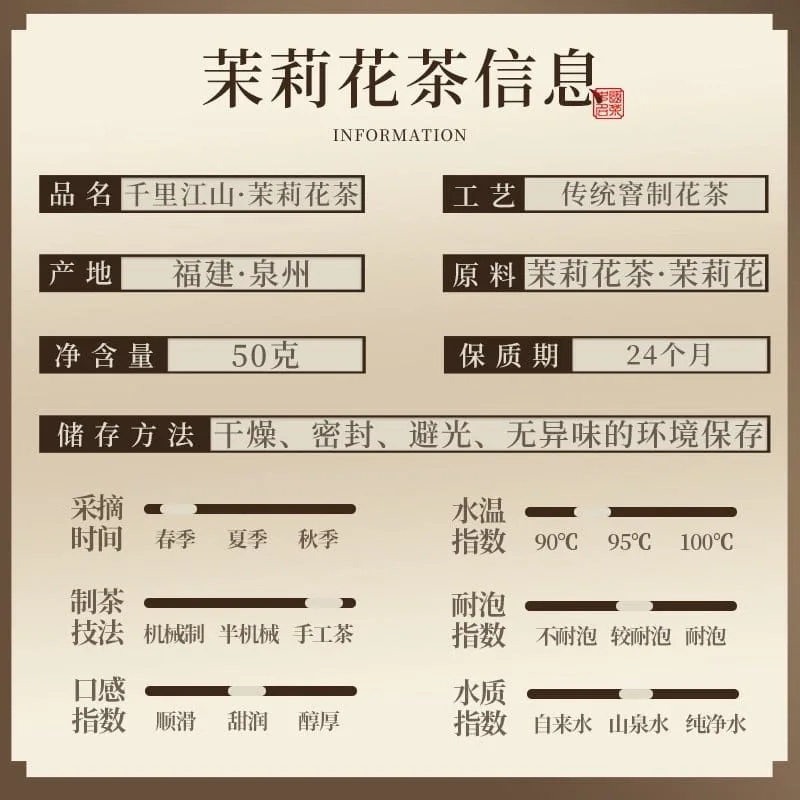
| Temperature | 80°C – 85°C (Cool slightly) | Lowering the temp by 2°C prevents hard water bitterness. |
| Ratio | 3g per 150ml – 200ml | The 50g pack is perfect for precise, fresh dosing. |
| Steeping | 1 minute for the first brew | Flash brewing (short steeps) keeps the floral notes sharp. |
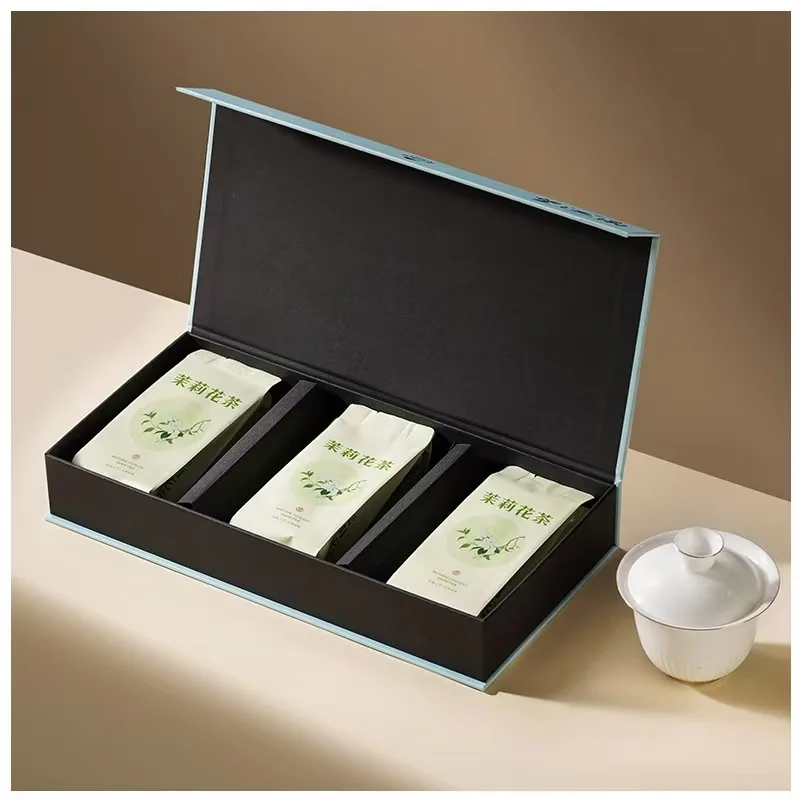
🏞️ Usage Scenarios (Lifestyle)
- The Morning Refresh: Wake up your senses with a floral breeze—a gentler, more aromatic alternative to your morning coffee.
- Afternoon Tea Elegance: Pairs exquisitely with macarons, lemon tarts, or light biscuits for a sophisticated tea break.
- Office Zen: The 50g portable pack is perfect for keeping at your desk to combat work-related stress with a quick aromatic escape.
❓ FAQ: Why Choose YMTEA’s Jasmine Tea?
Q1: Why does YMTEA’s Jasmine tea smell fresher than other brands? A: Most jasmine teas lose their soul in hard water because the scent is only “surface-level.” YMTEA uses a “Low-Temperature Long-Scenting” process. We’ve adjusted the tea’s absorption density so the jasmine molecules form a stable bond with the tea polyphenols. When they hit hard water, these molecules are released in a structured way rather than being suppressed by minerals.
Q2: How does the 50g packaging benefit independent retailers? A: 50g is the “Golden Size” for reducing the trial barrier for new customers. It’s perfect as an entry-level product for your e-commerce shop or as a luxury addition to gift hampers. Our high-barrier packaging ensures the delicate jasmine scent is locked in for the entire shelf life, regardless of European climate variations, drastically reducing customer complaints about “flat” tea.