

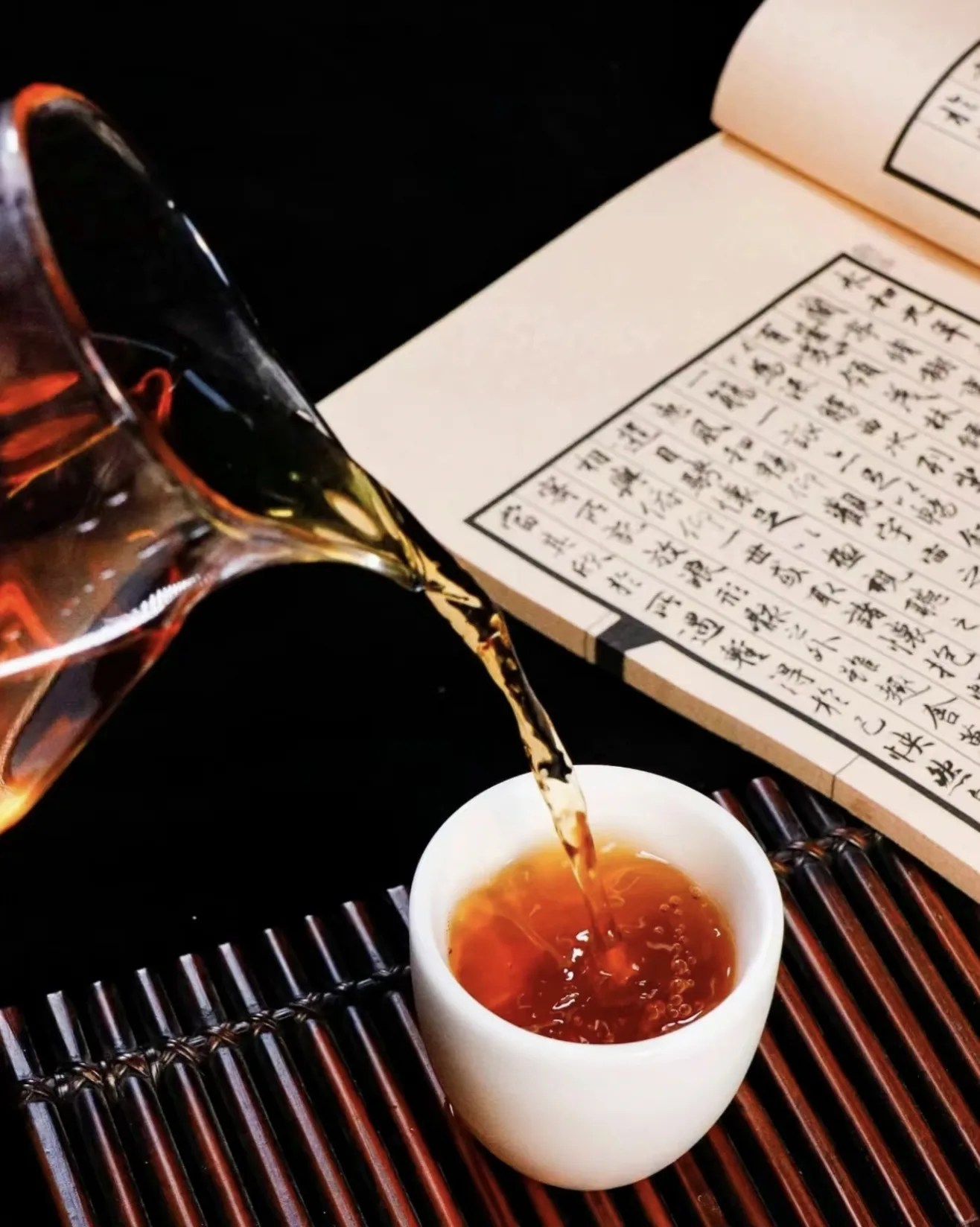
In Europe, tea is not just a beverage, but also a symbol of pursuing a healthy lifestyle. With the rise of the “Functional Food” trend, European consumers are increasingly focused on how to maximize the health benefits of tea through scientific brewing.
Temperature Control: The Key to Preserving Active Ingredients
Water temperature is the primary factor affecting the flavor of tea and the release of nutrients. Incorrect temperatures can destroy heat-sensitive nutrients in tea leaves.
Green and White Tea (80-85°C): These lightly or unfermented teas are rich in catechins and vitamin C. Using boiling water can destroy these antioxidants and make the tea taste bitter.
Black and Red Tea (95-100°C): Fully fermented teas require high temperatures to release their complex aromatic compounds and polysaccharides.
Herbal Tea (100°C): Root-based herbs (such as ginger) or flower-based herbs (such as chamomile) usually need to be brewed with boiling water for 5-7 minutes to fully extract their medicinal essence.
Whole-leaf teas generally require longer brewing times, while broken-leaf teas (such as fannings used in tea bags) release quickly, suitable for busy European office workers.
Time Management: Avoid the ‘Oxidation Trap’
Soaking for a long time is a major misconception in tea brewing.
Loss of antioxidants: Polyphenols in tea will oxidize and degrade when soaked at high temperatures for a long time, causing the tea to darken and significantly reducing its health benefits.
Source of bitterness: Excessive steeping time will cause tannins to be released too much, masking the aroma of the tea.
Recommendations:
Green tea: 2-3 minutes
Black tea: 3-5 minutes
Herbal tea: 5-7 minutes
Timing of Drinking: Follow the Biological Clock
According to recommendations from European nutrition experts, the time to drink tea should align with the human biological clock.
Morning (after breakfast): Suitable for drinking black tea or breakfast tea. The caffeine in black tea can help wake you up, but drinking it on an empty stomach may irritate the stomach lining.
Afternoon (during work breaks): Suitable for drinking green tea or oolong tea. Theanine in tea can help relieve afternoon fatigue and improve focus.
Evening (before bed): Suitable for drinking caffeine-free herbal tea, such as chamomile or mint, which helps relax the body and mind.
Market Insights: The demand for decaffeinated tea is growing in the European market. When sourcing, attention should be paid to the decaffeination process, prioritizing the Natural Water Process rather than chemical solvents to comply with Europe’s strict food safety standards.
Dosage and Concentration: Personalized Customization
‘Light tea and warm drinking are most nourishing’ is Eastern wisdom and also aligns with Western nutritional advice.
Tea-to-water ratio: Usually recommended at 1:50 (i.e., 3 grams of tea with 150 ml of water).
Special groups: Pregnant women, children, and people sensitive to caffeine should choose low-caffeine or herbal teas.
Organic Certification: This is the ‘passport’ to enter the high-end European market, especially for tea products that emphasize health benefits.
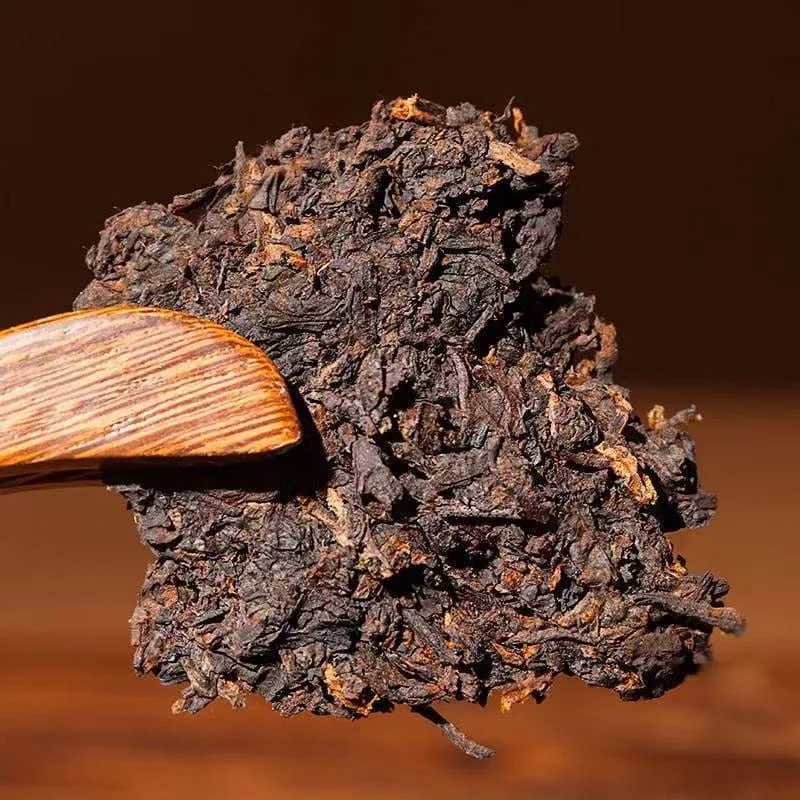
AYM Pu'er
Black Tea Puerh Tea is harvested directly from the source, supplied directly fro the tea plant to Europe, simple, easy to store and easier to brew.Coffee lovers will love YM’s tea!