

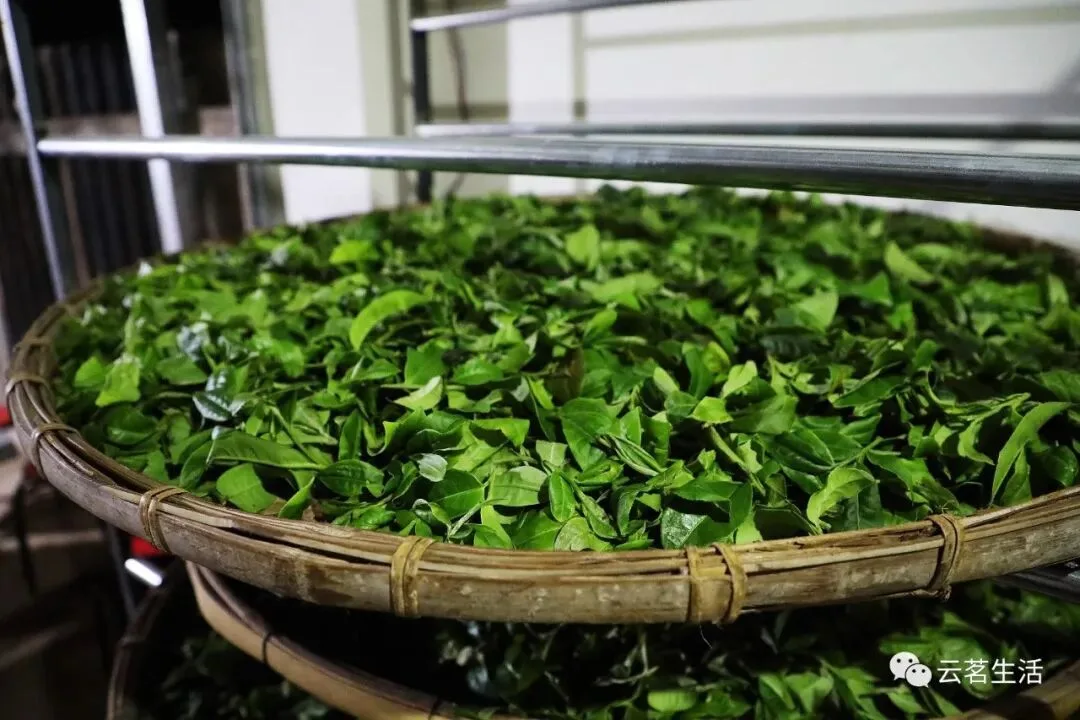
Spring tea is a type of tea. Generally, it refers to tea made from the buds and leaves of tea plants that sprout in the spring after overwintering. Spring tea has rich nutrients in the tea leaves, so the leaves are thick, with high levels of aromatic compounds and vitamins, a fresh and brisk taste, a strong aroma, and a tightly knotted and sturdy appearance. Typically, green tea has a glossy green color, and black tea has a lustrous dark color, indicating good quality. In spring, the temperature is moderate, and there is sufficient rainfall. Coupled with the fact that tea plants have gone through half a year of winter rest, the spring tea buds are plump, bright green, soft in texture, and rich in vitamins, especially amino acids. This not only gives spring tea a fresh and lively taste but also a pleasant aroma and health benefits.
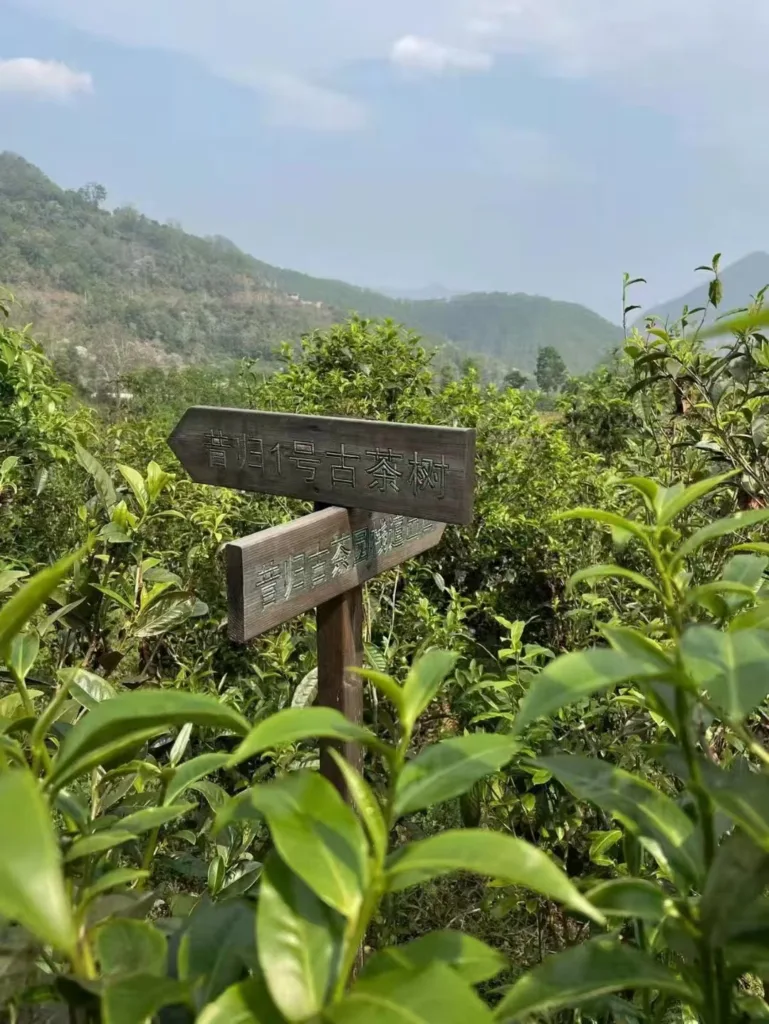
The quality of spring tea is relatively good for three reasons:
First, after winter, the tea trees undergo rest and rejuvenation, accumulating sufficient nutrients, making the chemical constituents in the tea leaves the richest.
Second, the relatively low temperatures are favorable for the synthesis and accumulation of nitrogenous compounds, resulting in higher contents of free amino acids, proteins, and other nutrients. This also enhances the aroma and taste of the tea. In this sense, in some southern regions, lower temperatures may improve the quality of spring tea.
Precautions for Drinking Spring TeaSpring tea is not necessarily the best tea to drink in spring, especially extremely fresh green tea, as it can easily harm the stomach and intestines. Traditional Chinese medicine believes that drinking flower tea in spring is beneficial because it can dispel the cold energy accumulated in the body during winter, and the rich fragrance of the tea can also promote the growth of Yang energy in the body. In spring, when all things revive, people tend to feel sleepy. At this time, brewing a cup of richly fragrant, refreshing flower tea can not only help boost alertness and dispel drowsiness but also assist in eliminating cold energy from the body and promoting the growth of Yang energy.Spring tea is not necessarily better the fresher it is. The so-called new tea refers to the first few batches of fresh leaves picked from tea trees in the spring of the current year and processed into tea. To achieve tenderness, some tea farmers begin picking tea before the Qingming Festival; this tea is called pre-Qingming tea. Tea picked before the Rain Water solar term is called pre-Rain Water tea. Some consumers enjoy tasting new tea and eagerly purchase pre-Qingming or pre-Rain Water tea. In fact, the idea that “tea is better the fresher it is” is a misconception. Not all teas are better when fresh; Pu-erh and black tea improve with aging, while green tea is desired for its freshness. However, even with green tea, it does not need to be consumed immediately after picking.Third, during the spring tea season, the low temperatures mean fewer pests and diseases, so there is generally no need for pesticide application. Therefore, spring tea usually has no pesticide contamination. In conclusion, in terms of tea quality and pesticide residues, spring tea is generally ideal.
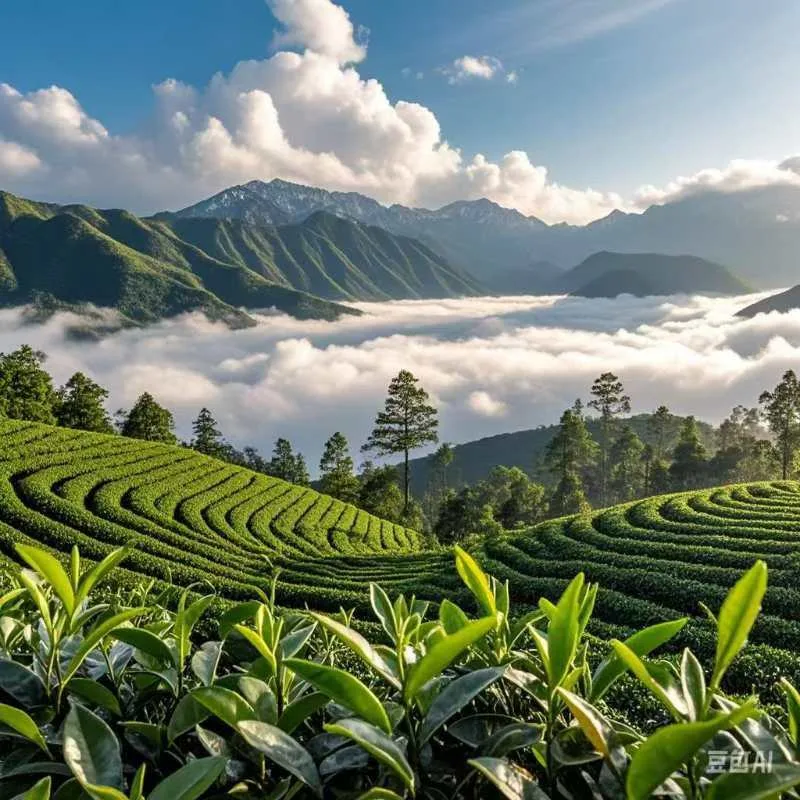
Precautions for Drinking Spring TeaSpring tea is not necessarily the best tea to drink in spring, especially extremely fresh green tea, as it can easily harm the stomach and intestines. Traditional Chinese medicine believes that drinking flower tea in spring is beneficial because it can dispel the cold energy accumulated in the body during winter, and the rich fragrance of the tea can also promote the growth of Yang energy in the body. In spring, when all things revive, people tend to feel sleepy. At this time, brewing a cup of richly fragrant, refreshing flower tea can not only help boost alertness and dispel drowsiness but also assist in eliminating cold energy from the body and promoting the growth of Yang energy.Spring tea is not necessarily better the fresher it is. The so-called new tea refers to the first few batches of fresh leaves picked from tea trees in the spring of the current year and processed into tea. To achieve tenderness, some tea farmers begin picking tea before the Qingming Festival; this tea is called pre-Qingming tea. Tea picked before the Rain Water solar term is called pre-Rain Water tea. Some consumers enjoy tasting new tea and eagerly purchase pre-Qingming or pre-Rain Water tea. In fact, the idea that “tea is better the fresher it is” is a misconception. Not all teas are better when fresh; Pu-erh and black tea improve with aging, while green tea is desired for its freshness. However, even with green tea, it does not need to be consumed immediately after picking.
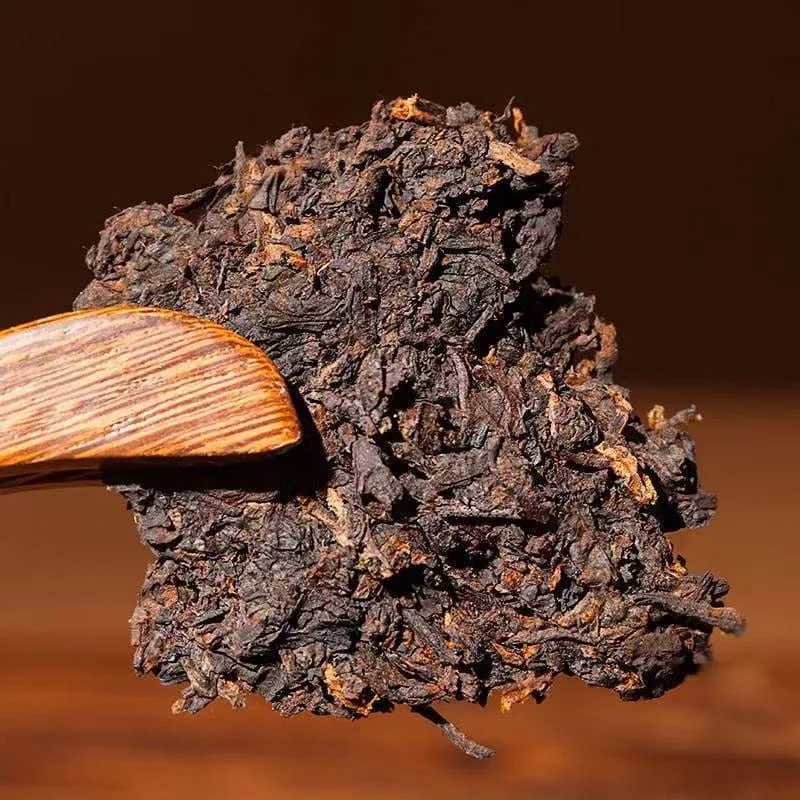
AYM Pu’er
Black Tea Puerh Tea is harvested directly from the source, supplied directly fro the tea plant to Europe, simple, easy to store and easier to brew.Coffee lovers will love YM’s tea!