


In the European market’s pursuit of ultimate sensory experiences, the journey of Puerh tea does not end at its harvest in the mountains of Yunnan. If the primeval forests of Yunnan bestow the tea with its soul, then Yaozhou Celadon—a heritage craft originating from the Song Dynasty—serves as the “aesthetic yardstick” that defines the sensory standards for premium Puerh.
Discriminating tea connoisseurs and European wholesalers have come to a shared realization: without the proper vessel, even the rarest Puerh from top-tier estates cannot fully unveil its complex flavor profile.
As one of the five great kilns of China’s Song Dynasty, Yaozhou Celadon (Northern Celadon) is more than a cultural relic; it is a physical medium that optimizes the release of tea substances through precise thermodynamic control.
I. Materials Science: Thermal Conductivity and the Mechanism of “Chen Xiang” Release
Puerh tea, whether Raw (Sheng) or Ripe (Shu), demands rigorous temperature management. Unlike thin white porcelain, Yaozhou Celadon is renowned for its iconic “Iron Foot” (dark clay body) and thick, lustrous olive-green glaze.
- Natural Thermal Reservoir: The dense structure of the clay and glaze acts as a physical thermal stabilizer, ensuring that water temperature remains within the ideal range throughout multiple Gongfu tea infusions.
- Glaze-Mineral Synergy: The unique olive-green glaze is rich in trace iron and calcium minerals. Under the influence of high-temperature steam, it physically optimizes the surface tension of the water, promoting the full decomposition of macro-molecular polysaccharides and aromatic compounds (such as lignols and medicinal notes) found in aged tea.
II. Visual Assets: The Impact of Color Contrast on Tasting
In sensory marketing, vision precedes taste.
- Complementary Colors (Amber vs. Olive): According to color theory, aged Puerh tea (10+ years) presents a deep amber or chestnut-red hue, which forms a high-contrast visual complement to the olive green of Yaozhou Celadon. This contrast enhances the brightness of the tea liquor and creates a powerful visual impact for high-end dining displays.
- Tactile Premium of “Ti Hua” Craftsmanship: The signature “carving” and “embossing” techniques of the Yaozhou kiln provide a three-dimensional, layered texture. This tactile feedback offers European consumers the psychological value of a “handcrafted luxury” that transcends the product itself.
III. Modern Supply Chain: B2B Integration and Risk Control
The challenge for European partners often lies in overcoming geographical and linguistic barriers to find manufacturers who understand both artistic value and international logistics. To address strict requirements for transparency and compliance, YMTEA has developed a closed-loop “Modular Solution”:
1. Provenance & Authenticity
- Dual Certification: Puerh tea comes with Yunnan Geographical Indication (GI) certification, and ceramics are sourced directly from the core Yaozhou production areas.
- Business Value: Verifiable origin archives provide undisputed brand credibility for the high-end market.
2. Sensory QC Standardization
- Laboratory Standards: Given the inherent variability of tea and handicrafts, we analyze tea aging at a molecular level to match it with the most suitable ceramic parameters, ensuring a consistent sensory experience.
- Business Value: Overcomes the fluctuations of agricultural and artisanal products to guarantee quality stability for retail.
3. EU Compliance & Logistics Optimization
- Regulatory Assurance: We proactively provide EU REACH compliance and Food Contact Material safety testing (Lead and Cadmium testing) to eliminate market entry risks.
- Risk Control: Using industrial-grade shockproof packaging, we minimize cross-border breakage and assist in optimizing import tax structures to reduce hidden costs.
The relationship between a master tea merchant and a kiln master is, at its heart, a philosophical resonance. Just as a merchant monitors the micro-fermentation of Puerh with immense patience, a Yaozhou artisan must precisely control kiln temperatures to achieve that iconic, jade-like “Northern Celadon” glow. By integrating the supply chain, we bridge the gap between tea mountains and kilns, ensuring that the craftsmanship of every leaf perfectly aligns with every ceramic piece.
FAQ
Q1: What are the functional differences between Yaozhou Celadon and standard white porcelain when brewing Puerh? A1: The core difference lies in thermal stability and water modification. Yaozhou Celadon features a thicker body and higher iron content, providing superior heat retention necessary for extracting substances from aged Puerh. Furthermore, its unique glaze optimizes water tension, making the tea smoother and the aroma more pronounced, whereas thin porcelain loses heat too quickly to trigger the tea’s deep woody and medicinal notes.
Q2: Do YMTEA’s ceramic products comply with EU food contact safety standards? A2: Yes. We fully understand EU compliance. All our Yaozhou Celadon products undergo third-party laboratory testing to ensure that Lead and Cadmium migration levels are well below EU food safety limits, ensuring a legal and smooth import process.
Q3: What are the logistical advantages of choosing YMTEA for supply chain integration? A3: Instead of coordinating with separate tea producers and ceramic studios, YMTEA serves as a single window to significantly reduce communication and oversight costs.
Our integrated shipping solutions minimize ceramic breakage and optimize import duty structures, providing efficient support for your artisanal supply chain.
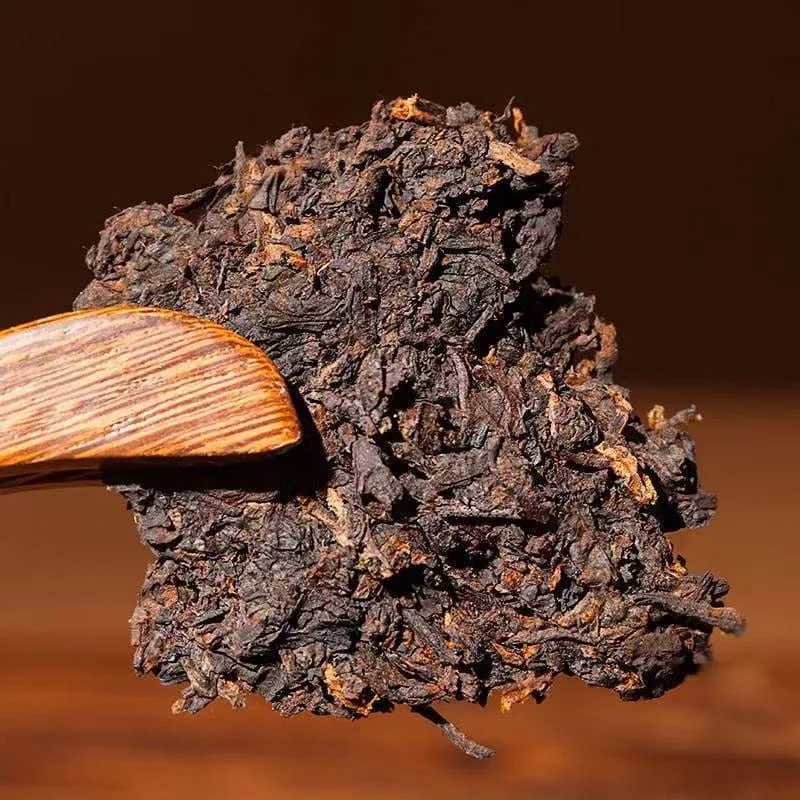
AYM Pu'er
Black Tea Puerh Tea is harvested directly from the source, supplied directly fro the tea plant to Europe, simple, easy to store and easier to brew.Coffee lovers will love YM’s tea!