For European tea brands, specialty coffee chains, and health product retailers, keenly capturing shifts in consumer taste is core to maintaining market competitiveness. While traditional Earl Grey and chamomile remain staples on the shelves, a deeply complex and premium fermented tea from Yunnan, China, is rapidly taking the high-end market by storm.
Pu-erh Tea is sweeping through specialty cafes and wellness circles from Berlin to Paris, captivated by its profound flavor profile and exceptional health benefits.
As a uniquely distinctive post-fermented tea, Pu-erh is more than just a beverage—it is a wondrous experience that delivers layers of surprises.
🍃 A Sensory Journey: What Does Pu-erh Tea Actually Taste Like?
Describing Pu-erh tea is much like describing an aged whiskey or a prestigious vintage wine—its flavor profile is “alive,” evolving gracefully over time. Based on the processing methods, Pu-erh is categorized into two major flavor schools:
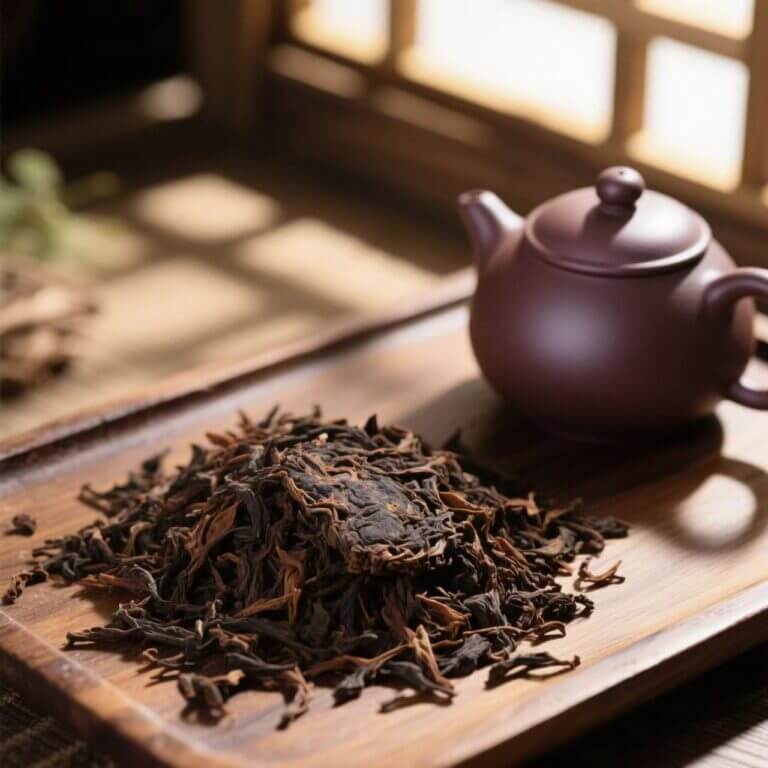
- Raw Pu-erh (Sheng Pu): Vibrant and full of natural energy when young, it features fresh floral and herbal notes with a subtle bitterness, followed by a crisp, sweet aftertaste (Hui Gan). As it ages over the years, the bitterness fades, giving way to mesmerizing layers of dried fruits, camphor, and honey-like sweetness.
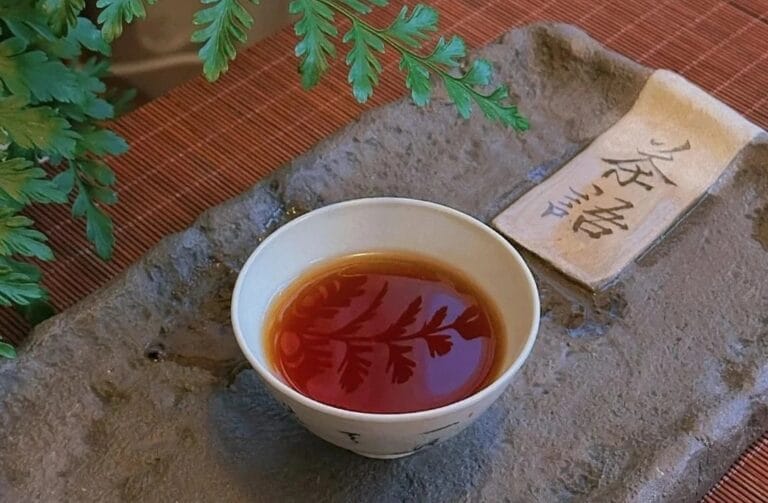
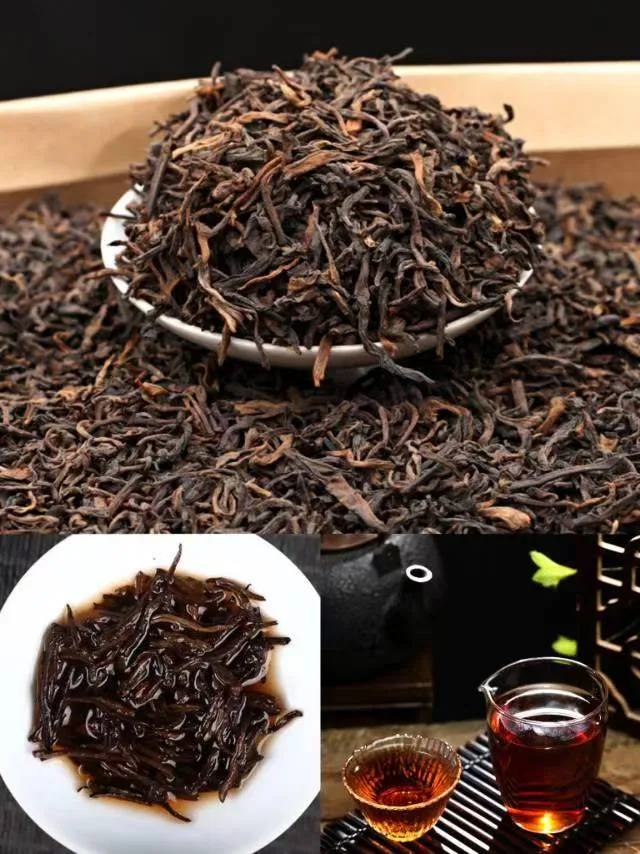
- Ripe Pu-erh (Shou Pu): Subjected to a unique “Wo Dui” (wet-piling) fermentation process, it reveals a deep ruby-red liquor. Ripe Pu-erh is incredibly rich, smooth, and virtually devoid of bitterness. It exudes grounded woody notes, jujube (Chinese date) aromas, and an earthy flavor reminiscent of a rain-drenched forest—a profile that often thoroughly captivates European palates.
The ultimate charm of Pu-erh tea lies in its philosophy of “the older, the better.” Minor variations in raw material selection and process control by a professional tea manufacturer can result in entirely different pinnacle flavors.
Data shows that among European consumers transitioning from coffee or black tea, the initial acceptance rate for Ripe Pu-erh exceeds 85%. Its smooth, non-bitter, and comforting nature makes it an ideal base for retailers developing private-label wellness blends, or a secret weapon for specialty cafes looking to expand their menus.
⚖️ Scientific Evidence: Four Health Benefits Trendsetting in Europe
In Europe, the rise of Pu-erh tea is driven not only by its unique flavor but also by its scientifically validated health benefits:
- Excellent Digestion & Gut Health Support: Pu-erh tea (especially Ripe Pu-erh) generates abundant probiotics, natural enzymes, and polyphenols during fermentation. In European markets where diets favor cheese and meat, Pu-erh serves as the perfect post-meal digestive, naturally accelerating fat breakdown and relieving bloating.
- Weight Management & Metabolic Optimization: As a pure, zero-calorie beverage, Pu-erh tea is rich in tea polyphenols and natural statin-like compounds. These active ingredients help regulate metabolism, inhibit fatty acid synthesis, and stabilize blood sugar—perfectly aligning with the “sugar-conscious, all-natural” lifestyle currently sweeping the EU market.
- Cardiovascular Wellness: Modern clinical studies indicate that long-term consumption of Pu-erh tea helps balance blood sugar, lower LDL (bad cholesterol), and maintain vascular elasticity, caring for cardiovascular health in a gentle, natural way.
- Sustained Focus without Caffeine Anxiety: Pu-erh tea contains a moderate amount of caffeine, working in perfect synergy with L-theanine. It provides a sustained, calm alertness, eliminating the “jitters” or energy crashes commonly associated with coffee. It is an excellent morning coffee alternative for professionals.
🌍 From Yunnan’s Tea Mountains to European Teacups: YMTEA Builds a Transparent, Compliant Premium Supply Chain
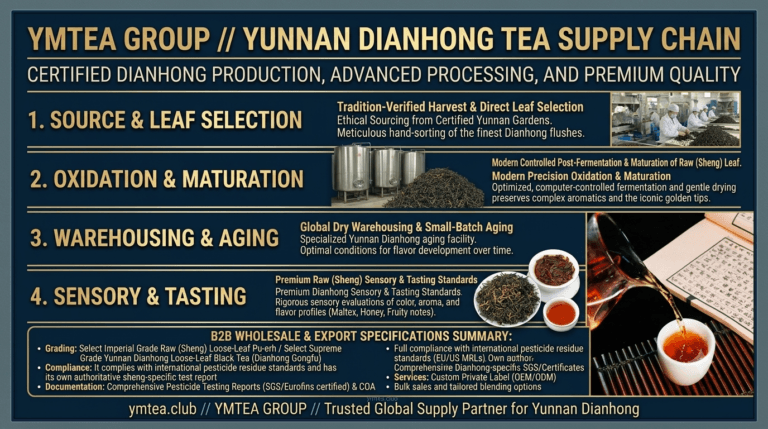
Premium Pu-erh tea begins with the preservation of centuries-old ancient trees in Yunnan’s core terroirs and finishes with the precise control of temperature and humidity through modern craftsmanship. However, because Pu-erh is highly dependent on terroir and storage conditions—and must strictly comply with the EU’s stringent Maximum Residue Limits (MRLs)—global buyers often face significant sourcing challenges.
As the bridge connecting Eastern tea gardens with sophisticated European lifestyles, YMTEA is dedicated to establishing a transparent, efficient, and professional cross-border pipeline between premium Yunnan estates and compliance-first European enterprises.
- Strict Source Control: We are deeply rooted in Yunnan’s core ancient tea-tree regions (including Xishuangbanna, Pu’er, and Lincang). From fresh leaf plucking to temperature-and-humidity-controlled fermentation storage, we manage the entire supply chain to ensure quality stability from the very source.
- Ultimate Compliance: We completely eliminate your regulatory risks. Every batch of wholesale products delivered by YMTEA passes rigorous physical, chemical, and pesticide residue testing conducted by authoritative, international third-party testing institutions, accompanied by comprehensive compliance reports.
- Efficient Delivery: We strike the perfect balance between traditional tea culture and modern multinational supply chains. We ensure high-quality Pu-erh tea travels efficiently and transparently from distant Eastern mountains straight to trendy cafes in London and Paris, organic supermarkets in Berlin, and ultimately into the hands of tea lovers.
💡 Pu-erh Tea Frequently Asked Questions (FAQ)
Q1: Does Pu-erh tea contain caffeine? Is it suitable for evening drinking?
A: Yes, Pu-erh tea does contain caffeine. Raw Pu-erh has a relatively higher caffeine content and offers a noticeable energizing effect, making it ideal for mornings or afternoons. Ripe Pu-erh, on the other hand, undergoes full fermentation, making it gentle in nature and easy on the stomach. While it still contains minor amounts of caffeine, many tea enthusiasts find that drinking Ripe Pu-erh in moderation during the evening does not disrupt sleep; instead, it aids digestion.
Q2: Is it normal for Pu-erh tea to taste earthy or musty?
A: An earthy, woody, or ripe-fruit aroma is perfectly normal and highly desirable in premium Ripe Pu-erh, yielding a rich and smooth mouthfeel. However, a musty, moldy, or fishy odor is not normal. This usually indicates defective fermentation by the manufacturer or improper storage conditions downstream. Premium Pu-erh tea should always taste clean, sweet, and delightful.
Q3: What is the difference between Raw and Ripe Pu-erh? Which one should I choose?
A: The core difference lies in the fermentation process. Raw Pu-erh (Sheng) undergoes natural aging; its taste profile is closer to green or oolong tea—crisp and slightly bitter when young, improving in depth with age. Ripe Pu-erh (Shou) undergoes an accelerated wet-piling fermentation, making it incredibly mellow, smooth, and completely free of bitterness. If you are introducing Pu-erh to European consumers for the first time, we highly recommend starting with a expertly crafted Ripe Pu-erh, as its comforting, smooth texture is more universally approachable.
Q4: Why is Pu-erh tea uniquely suited for the European wellness lifestyle?
A: Pu-erh tea serves as an all-natural “functional beverage.” Rich in tea polyphenols and beneficial microflora, it effectively aids digestion, cuts through grease, lowers lipids, and boosts metabolism. For European consumers seeking low-sugar, natural, and healthy options, it is the perfect alternative to sugary drinks and even coffee—delivering jitter-free mental clarity.
Ready to introduce authentic, fully compliant, premium Pu-erh tea to your European clientele? Contact YMTEA today to get your tailored wholesale solutions and request samples for tasting.
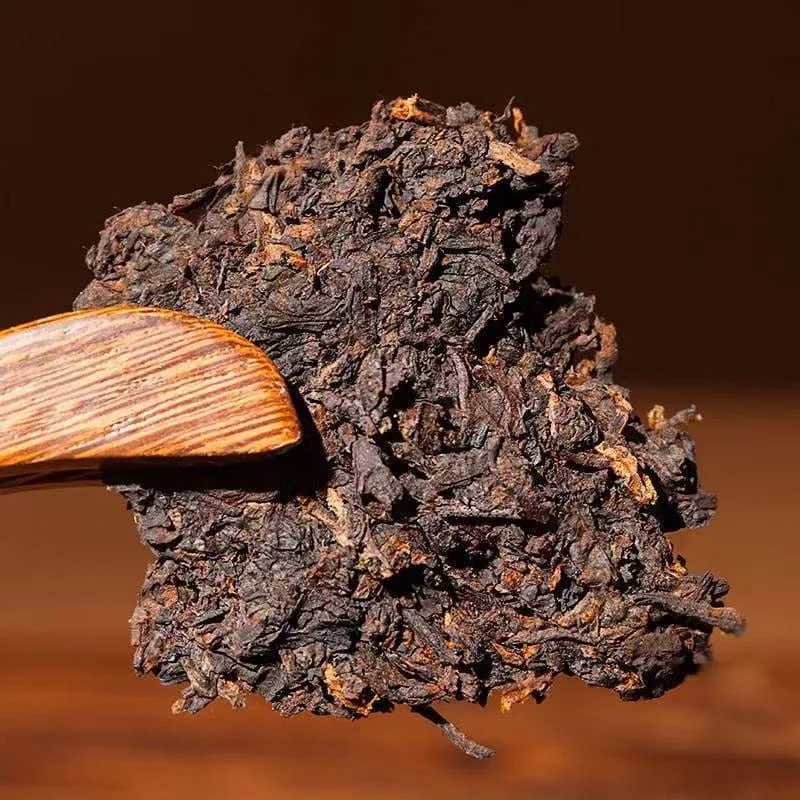
AYM Pu'er
Black Tea Puerh Tea is harvested directly from the source, supplied directly from the tea plant to Europe, simple, easy to store and easier to brew.Coffee lovers will love YM’s tea!