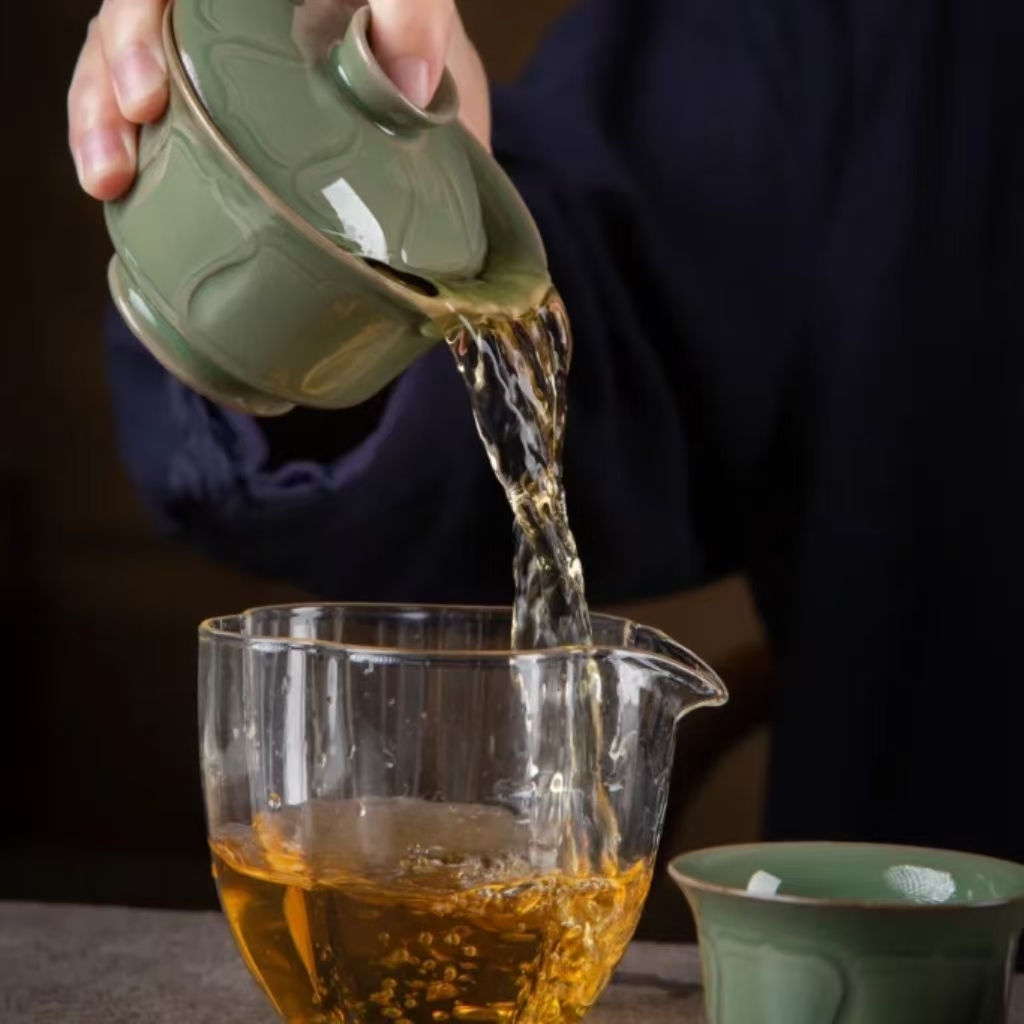
As the European market’s appreciation for premium loose-leaf tea matures, tea enthusiasts are no longer satisfied with flavor alone. Instead, they are pursuing an ultimate sensory resonance—the perfect harmony between the tea liquor and the vessel.
While white porcelain and Yixing purple clay are already well-known, Yaozhou Kiln Celadon—a Chinese National-Level Intangible Cultural Heritage recognized by UNESCO—is quietly stepping into the spotlight of high-end European tea culture with its unique “olive green” glaze and exquisite “carving” craftsmanship.
1. Song Dynasty Aesthetics on the Knife’s Edge: The Carving Legend of Yaozhou Kiln
Originating in Shaanxi, China, Yaozhou Kiln began in the Tang Dynasty and reached its peak during the Song Dynasty (960–1279 AD), standing as the pinnacle of northern Chinese celadon. The core of its unique aesthetic lies in its unmatched “slanted blade” (偏刀) carving technique.
- Three-Dimensional Sculpture: Artisans use the knife as a brush, carving peonies or water wave motifs onto the semi-dry clay body with fluid grace to create distinct angled facets.
- The Play of Light and Shadow: After high-temperature firing, the translucent green glaze pools thickly in the deep incisions, appearing darker, while staying thin and lighter on the raised edges. This natural gradient gives the porcelain a fluid, three-dimensional relief effect.
This handcrafted quality, which balances restraint with artistic tension, perfectly aligns with the contemporary European market’s ultimate pursuit of sustainable, artisanal craftsmanship.
2. From Vision to Touch: Transforming Tea Drinking into a Full Sensory Experience
Introducing a Yaozhou Kiln teacup to your afternoon tea routine elevates the experience far beyond aesthetics—it transforms the entire tasting ritual into art:
Visual Harmony: A Symphony of Tea Liquor and Glaze
The iconic “olive green” glaze of Yaozhou Kiln acts as the ultimate backdrop for color enhancement. When golden, translucent Oolong, vibrant Black tea, or crystal-clear Green tea is poured into the cup, a magical interaction occurs between the liquid and the carved patterns at the bottom. Under natural light, every slight tilt of the cup sends light and shadow dancing through the carvings, making the tea liquor appear alive.
Tactile Dialogue: Sensing the Temperature of Artisanship
High-end tea culture places immense value on “hand-feel.” Yaozhou Kiln ceramics possess a grounded, substantial weight. As your fingers trace the jade-like surface, you can distinctly feel the subtle ridges left by the Song-style carving technique. This unique tactile sensation allows modern urban dwellers to instantly ground themselves, shifting into a relaxed, mindful state of “slow living.”
3. From Terroir to Teacup: The “Vessel-Tea Unity” in Premium Supply Chains
In Eastern tea philosophy, it is often said: “Tea is the body of the tea experience, while the vessel is its father.” In the high-end tea industry, the physical and physicochemical resonance between flavor and vessel is paramount:
- Honoring the Terroir: While tea producers dedicate their souls to the microclimates of their tea gardens, Yaozhou Celadon serves as the perfect aesthetic medium, presenting nature’s bounty with striking visual impact.
- Locking in the Aroma: For tea manufacturers focused on temperature control and roasting, the exceptional thermal conductivity and insulation of Yaozhou Celadon allow delicate tea liquors to unfurl progressively in the cup, perfectly preserving the complex aromatic layers achieved through painstaking processing.
- Softening the Taste: The jade-like, dense glaze of Yaozhou Kiln subtly softens any slight bitterness or astringency in the tea liquor, infinitely magnifying the sweet, lingering aftertaste (Huigan) of premium teas.
4. YMTEA and Yaozhou Celadon: A Modern Dialogue with Eastern Soul
As a highly watched brand in the European premium tea market, YMTEA is bridging tradition and modernity with its sharp aesthetic intuition.
As a representative deeply versed in the heritage of Eastern tea culture, YMTEA’s tea-making philosophy aligns seamlessly with the craftsmanship of Yaozhou Kiln. A single Yaozhou cup must undergo clay sourcing, throwing, carving, and the baptism of thousand-degree kiln fires; similarly, every batch of YMTEA tea leaves is shaped by the year-round care of farmers in core terroirs, followed by the overnight rolling and rigorous selection of master tea makers.
When the pure, authentic Eastern aroma of YMTEA is gently poured into a glossy, olive-green Yaozhou Kiln celadon cup, the “beauty of the vessel” from Chinese intangible cultural heritage and the “beauty of flavor” from premium tea achieve a soulful resonance.
By pairing meticulously blended and roasted limited-edition teas with heritage teaware, YMTEA elevates tea drinking beyond simple material consumption into a bridge for cultural appreciation. It allows European tea drinkers to experience the ultimate spiritual realm pursued by ancient tea masters, while perfectly fitting into a contemporary, minimalist, and elegant lifestyle.
Collecting a piece of Yaozhou Kiln Celadon is not merely bringing home a teacup; it is a tribute to thousands of years of Intangible Cultural Heritage. For those who cherish artisanal dedication and pursue the ultimate taste in life, this masterpiece shimmering with an olive-green luster is undoubtedly an indispensable, soulful addition to your tea table. Explore the YMTEA limited-edition tea and heritage teaware collections to begin your full-sensory Eastern tea journey.
FAQ
Q1: Do the shape and material of a Yaozhou Kiln teacup affect the taste of the tea liquor?
A: Yes, the impact is highly significant. Fired at high temperatures, Yaozhou Kiln Celadon features a dense, semi-vitrified body that does not absorb aromas, allowing it to perfectly restore the purest, unadulterated original flavors of various premium teas.
Furthermore, traditional Yaozhou Kiln cups often utilize a flared or conical (“conical hat”) design. This helps the tea liquor cool down appropriately when poured and allows it to glide smoothly over the tongue, thereby amplifying the perception of sweetness at the tip of the tongue while minimizing bitterness.
Q2: How should I care for and clean my Yaozhou Kiln celadon teaware?
A: Because the glaze of Yaozhou Kiln ceramics is smooth and highly durable, daily maintenance is incredibly straightforward:
- It is recommended to hand-wash with warm water only, avoiding chemical detergents or abrasive steel wool.
- Wipe dry with a soft microfiber cloth after use to prevent hard water stains or mineral deposits.
- Over time, trace elements from the tea may leave faint patinas in the subtle crevices of the carvings. In the tea community, this is known as “seasoning the cup” (养盏)—a unique badge of honor reflecting the shared journey between the vessel and the tea drinker over time.
Q3: Can I use Yaozhou Kiln celadon to brew black tea, which is more commonly consumed in Europe?
A: Absolutely. Although Yaozhou Kiln reached its historical peak during the Song Dynasty because it perfectly complemented green tea and whisked tea (Dian Cha), its excellent thermal stability makes it equally well-suited for brewing robust black teas, heavily fermented oolongs, or Pu-erh teas.
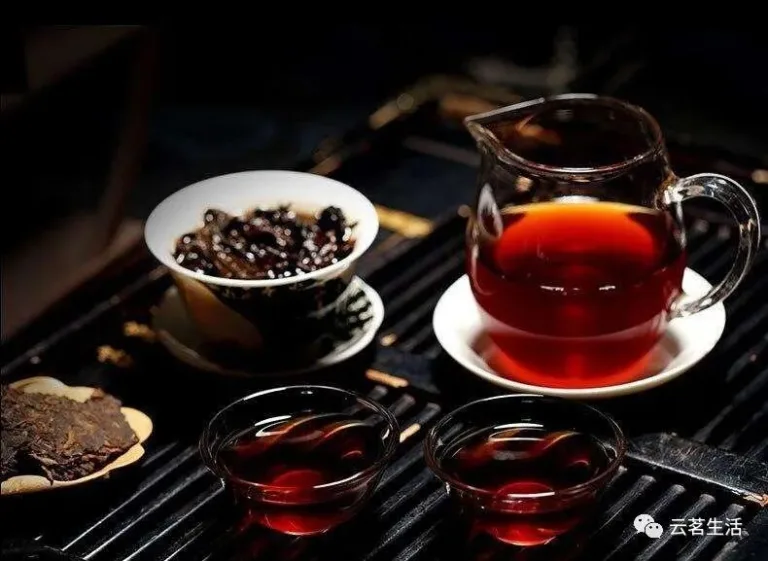
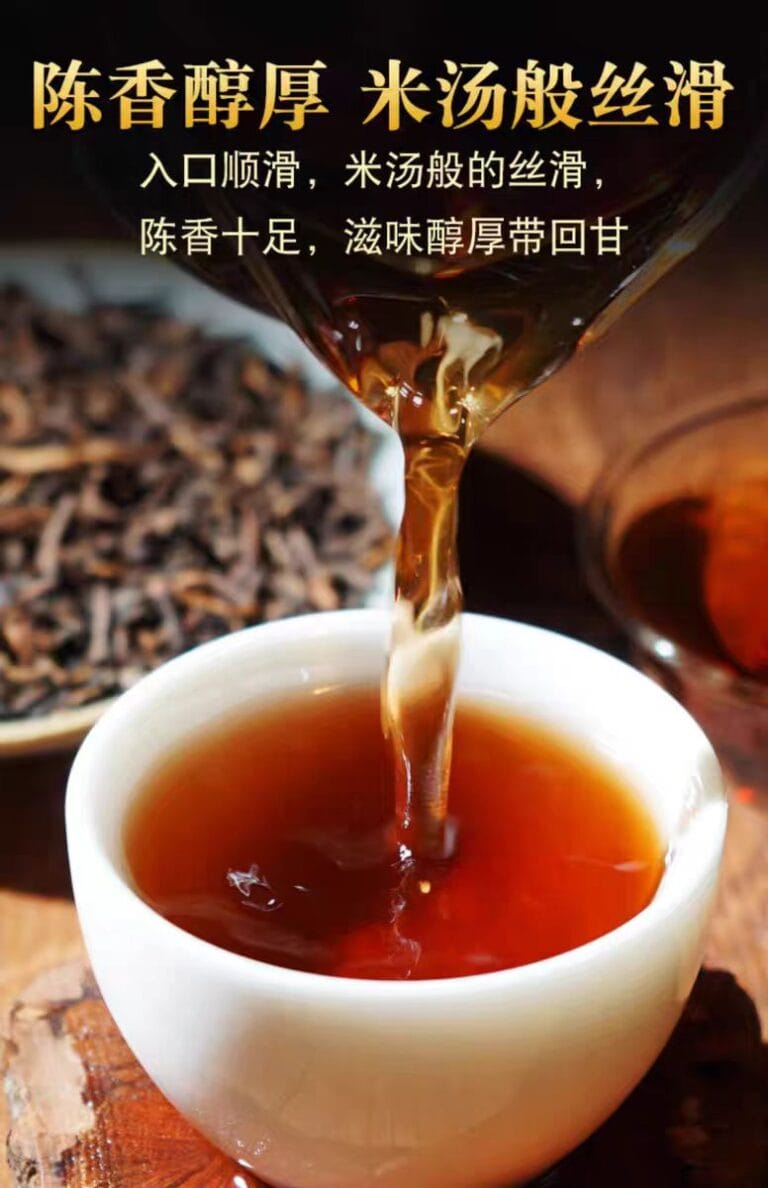
The amber or ruby-like liquor of Black Tea preferred by European consumers creates a striking, visually impactful contrast against the deep olive-green backdrop of Yaozhou Celadon.
Q4: Where can I buy authentic Chinese tea to pair with this high-end teaware in Europe?
A: To experience the perfect tea aesthetic, the choice of tea leaves is vital. You can opt for brands like YMTEA that specialize in premium, loose-leaf teas. They work closely with top-tier tea producers and manufacturers to offer premium Chinese teas that comply with strict EU standards. The color, clarity, and flavor profiles of their tea liquors make them an exquisite, perfect pairing for Yaozhou Kiln Celadon.
Living
Chinese style home life ornaments, collectible artwork; make your home move!