
For European tea importers, specialty tea shops, and wellness brands, sourcing loose-leaf tea from China is far more than a simple commercial transaction. Today’s European consumers are not just purchasing tea; they are buying the story behind it, the guarantee of purity, and—most importantly—end-to-end traceability.
When a consumer in Munich or Paris enjoys a warm cup of premium tea, they ask: Where did these leaves come from? Who harvested them? How were they processed? And, crucially, do they comply with the European Union’s exceptionally strict Maximum Residue Limits (MRLs)?
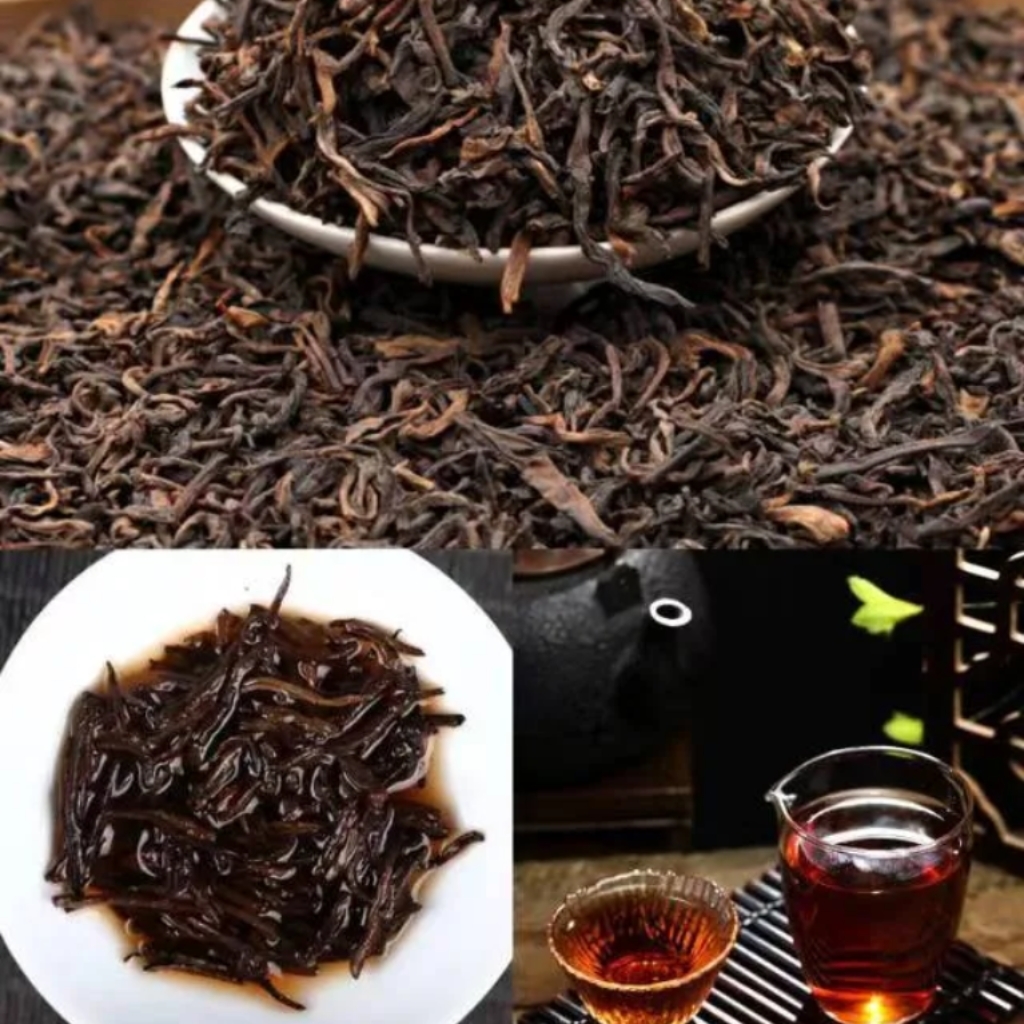
Today, using two of China’s most prestigious tea categories—Yunnan Dianhong (Black Tea) and Pu-erh Tea—as examples, we trace the journey of premium Chinese loose-leaf tea to discover how modern traceability systems ensure ultimate quality and import compliance.
1. The Source: Terroir and The Tea Producer
Every exceptional cup of tea begins in the soil. For premium Yunnan black tea and rich Pu-erh, this journey starts high in the misty, biodiverse mountains of Yunnan Province.
As the starting point of the supply chain, a certified Tea Producer manages the agricultural cultivation phase, strictly adhering to global agricultural standards:
- EU MRLs Compliance: Committed to ecological farming, certified producers practice precise soil management and employ physical and biological pest control. By completely avoiding pesticides banned by the European Union, they ensure the raw leaves comply with the stringent Regulation (EC) No 396/2005 on pesticide residues.
- GPS Mapping: By establishing direct partnerships with audited producers, importers can obtain the exact GPS coordinates of the tea gardens, creating plot-level profiles.
- Strict Hand-Picking: Harvesting is limited to the traditional “one bud and two leaves” method, preserving the gold-standard flavor precursors at the very source.
- Black Tea: Producers closely monitor soil and microclimates, allowing the tea plants to naturally develop their signature sweet, malty profile without chemical intervention.
- Pu-erh Tea: Ancient tea trees (Gushu) thrive in rich, biodiverse forest ecosystems, establishing a natural, organic foundation for the tea’s aging potential.
2. The Craft: Artistry and The Tea Manufacturer
Once harvested, fresh leaves must be processed immediately to lock in their active compounds and unique aromatic profiles. This is where the Tea Manufacturer plays a critical role, seamlessly blending ancient heritage with modern food safety technology:
- The Metamorphosis of Black Tea: Manufacturers exercise precise control over withering, rolling, oxidation (fermentation), and drying. Perfect temperature and humidity control bring out the signature honey-sweet aroma and beautiful golden tips (golden buds) highly prized by European afternoon tea enthusiasts.
- The Art of Pu-erh Aging: Pu-erh manufacturers must master the delicate “fixing” (kill-green/Shaqing) process for raw Pu-erh (Sheng), or the sophisticated “wet-piling fermentation” (Wo Dui) technique for ripe Pu-erh (Shou). This initiates the microbial aging process that allows Pu-erh to improve with age.
To guarantee batch-to-batch consistency and prevent cross-contamination, professional manufacturers integrate international food safety standards, such as HACCP and ISO, directly into their manufacturing workflows and workshop management.
3. The Gatekeeper: Quality Control and The Tea Factory
Before the tea leaves leave China, they are dispatched to the Tea Factory—the ultimate quality control hub connecting Chinese tea gardens with the European market.
A compliant tea factory licensed for export to Europe ensures:
- Physical Refining: Utilizing advanced optical color sorters, metal detectors, and specialized winnowing machinery, factories thoroughly remove dust, yellow flakes, tea stems, and any foreign matter.
- Testing & Compliance: Every batch of tea undergoes rigorous laboratory analysis covering heavy metals, hundreds of pesticide residues, and moisture content. This generates a comprehensive Certificate of Analysis (COA) that fully complies with European customs entry regulations.
- International Certifications: Operating under strict ISO 22000 and HACCP food safety management systems, premium export factories often hold FSSC 22000 or EU Organic certifications to meet high-end market requirements.
The Missing Link in Tea Traceability: From Garden to Container
While finding individual tea producers, manufacturers, and factories in China is not difficult, the real challenge for European buyers lies in systematic supply chain integration.
The Core Pain Point: How do you guarantee that the Certificate of Analysis (COA) issued by a tea factory perfectly matches and traces back to the specific GPS coordinates of the original tea garden plot?
This is where YMTEA, a professional B2B loose-leaf tea supply chain integrator, redefines the import experience.
Rather than leaving European importers to navigate a fragmented, complex Chinese tea supply chain alone, YMTEA partners deeply with strictly audited tea factories and manufacturers. We link tea gardens, manufacturing batches, and export testing reports through a unified digital traceability chain:
- End-to-End Transparency: We simplify documentation flow and quality verification, bridging the gap between traditional Chinese tea gardens and stringent European import standards.
- Hassle-Free Customs Clearance: Every shipment of Yunnan black tea or aged Pu-erh arriving at European ports (such as Hamburg or Rotterdam) is accompanied by a clear, verifiable, and fully transparent traceability dossier.
From Yunnan Gardens to European Teacups
When your customers lift their teacups, they are tasting more than just a warm beverage. They are experiencing the misty mountain air of Yunnan, the craftsmanship passed down through generations of Chinese tea masters, and the absolute peace of mind that comes with 100% traceability.
Are you looking for wholesale Pu-erh or Yunnan black tea that is fully traceable and compliant with all EU standards?
Contact the YMTEA Team Today to discover our tailored supply chain solutions and elevate your brand value.
Frequently Asked Questions (FAQ)
Q1: Why is choosing a certified Chinese Tea Factory crucial for European importers?
A: Certified tea factories (such as those with ISO 22000 or HACCP certification) guarantee standardized secondary refining, hygienic packaging, and advanced foreign matter removal (via color sorters and metal detectors). This ensures that the physical grade, purity, and flavor profile of the loose-leaf tea remain highly consistent across different harvest seasons—a vital requirement for European tea brands aiming to offer a stable sensory experience to their customers.
Q2: What are the core safety and compliance requirements for importing Chinese loose-leaf tea (like Pu-erh and black tea) into Europe?
A: The European market has some of the strictest import standards globally. The core compliance requirements include:
- EU Pesticide MRLs: All imported black and Pu-erh teas must comply with Regulation (EC) No 396/2005, passing extensive testing screens covering over 400 pesticide residues.
- Heavy Metals and Contaminants Limits: Levels of heavy metals (such as Lead and Copper) and other contaminants like perchlorate must fall well within safe limits defined by EU regulations.
- Traceability Documentation: Importers must provide a clear chain of custody showing that the tea is traceable from the imported shipping container back to the authorized tea factory and producer.
Q3: How is the quality of Pu-erh and black tea protected during long-distance ocean freight to Europe?
A: Controlling moisture, temperature, and light is critical to preventing mold and odor absorption during transit:
- Black Tea (Fully Oxidized): While relatively stable, black tea highly absorbs ambient odors. Tea factories package it in vacuum-sealed aluminum foil bags to keep moisture out and seal in freshness.
- Pu-erh Tea (Sheng/Shou): Pu-erh requires a very micro-breathable environment to continue its natural aging process, but must never get wet. Experienced manufacturers package Pu-erh in double-layer, food-grade moisture-proof cartons and place high-capacity industrial desiccants inside the shipping containers to prevent mold caused by “container rain” (cargo sweat) during the sea voyage.
Wholesale of Loose-Leaf Tea
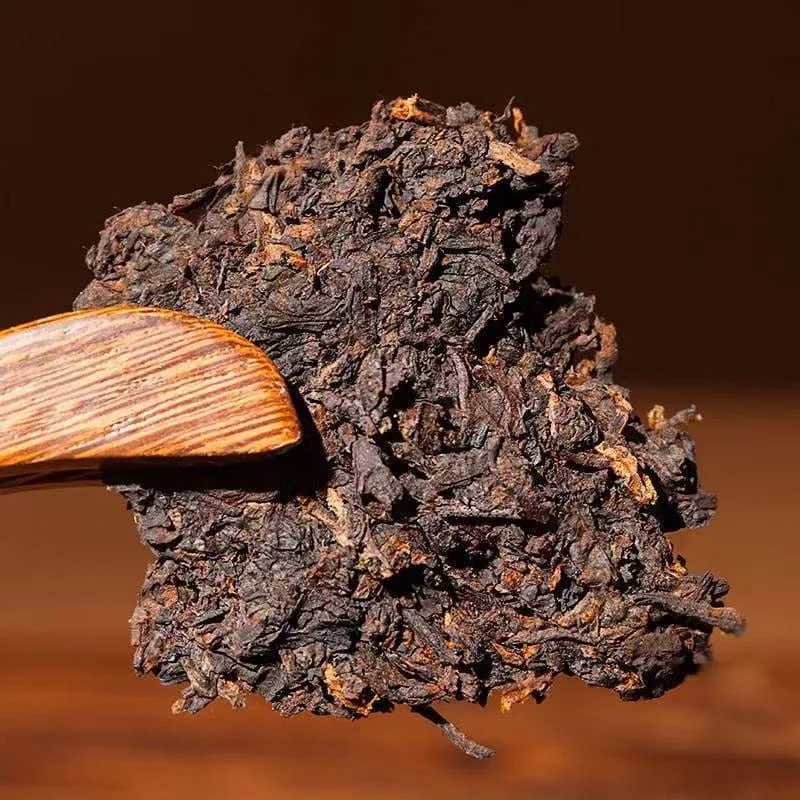
Black Tea Puerh Tea is harvested directly from the source, supplied directly fro the tea plant to Europe, simple, easy to store and easier to brew.Coffee lovers will love YM’s tea!