

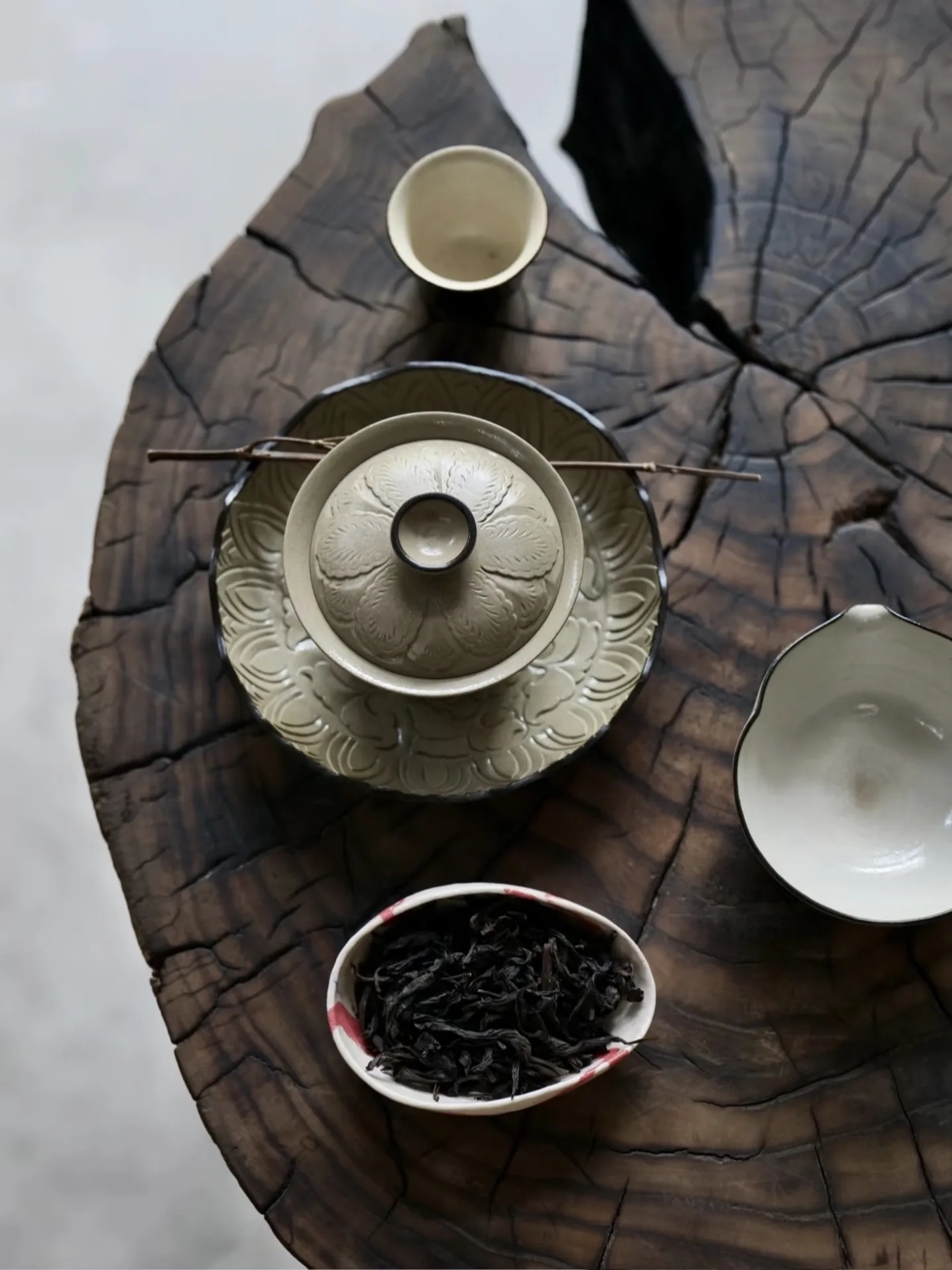
For centuries, tea has been the comforting heartbeat of European social life. From the formal elegance of English Afternoon Tea to the bustling coffeehouses of Paris that first introduced the continent to this exotic leaf, tea has always been more than just a beverage—it is a ritual of pause and connection.
However, beyond the porcelain cups and the social etiquette, a wave of modern scientific research is revealing that your daily cup of tea is also a powerful elixir for longevity and vitality. For the health-conscious European, tea is no longer just a comforting habit; it is a strategic investment in your long-term well-being.
Here is how incorporating high-quality tea into your daily routine can transform your health, backed by the latest medical studies.
1. The Longevity Elixir: Lowering the Risk of Mortality
If you are looking for a simple way to add years to your life, the answer might be steeping in your teapot. A groundbreaking study published in the Annals of Internal Medicine, which analyzed data from nearly 500,000 people in the UK Biobank, revealed a compelling truth.
Drinking just two or more cups of tea per day is associated with a significantly lower risk of all-cause mortality. Whether you take your tea with milk, sugar, or black, and regardless of your genetic ability to metabolize caffeine, the results were consistent: regular tea drinkers faced a 9% to 13% lower risk of death over the study period.
This isn’t just about living longer; it is about living stronger. The study specifically noted a reduction in deaths related to cardiovascular disease, ischemic heart disease, and stroke among habitual tea drinkers.
2. A Shield for Your Heart: Cardiovascular Protection
Cardiovascular disease remains a leading health concern in Europe. Fortunately, tea is proving to be a formidable ally for your heart. Rich in flavonoids and polyphenols—natural compounds with potent antioxidant and anti-inflammatory properties—tea helps to combat oxidative stress at the cellular level.
Research shows that these compounds help to:
● Improve blood vessel function: Enhancing the elasticity of arteries and promoting healthy blood flow.
● Lower cholesterol: Assisting in the reduction of “bad” LDL cholesterol and triglycerides.
● Regulate blood pressure: Regular consumption has been linked to modest but significant reductions in blood pressure, reducing the strain on your heart.
Whether you prefer the brisk tannins of a Black Tea or the grassy notes of a Green Tea, you are actively contributing to a healthier cardiovascular system.
3. Cognitive Defense: Protecting Your Brain As we age, maintaining cognitive function becomes paramount. The news for tea lovers is exceptionally good. Multiple studies, including research published in Nature partner journals, indicate that regular tea consumption is linked to a slower rate of cognitive decline. ● Neuroprotection: The bioactive compounds in tea, such as EGCG (epigallocatechin gallate), have been shown to protect brain cells from damage and reduce inflammation. ● Reduced Dementia Risk: Clinical trials, such as the PESA study, have demonstrated that combining a healthy lifestyle with the intake of green tea components can lower the risk of developing Alzheimer’s disease by nearly 25%. ● White Matter Protection: MRI studies show that regular green tea drinkers have less brain white matter lesion volume, which is a precursor to cognitive impairment. In short, every cup you drink is helping to build a cognitive reserve, keeping your mind sharp and resilient.
4. Metabolic Health: Diabetes and Weight Management
For those managing weight or blood sugar, tea offers a zero-calorie, naturally sweet alternative to sugary sodas and processed juices.
● Diabetes Prevention: Large-scale studies, including those analyzing over 100,000 adults, have found that daily tea drinkers have a lower risk of developing type 2 diabetes. The polyphenols in tea improve insulin sensitivity and help regulate blood sugar levels.
● Liver Health: Specifically, green tea has been shown in clinical trials to reduce liver fat accumulation. For those with non-alcoholic fatty liver disease (NAFLD), regular consumption can significantly lower liver enzyme levels and improve overall liver metabolism.
5. The “Tea & Coffee” Synergy: A Balanced Approach
You do not have to choose between the robustness of coffee and the subtlety of tea. In fact, a fascinating study published in the Journal of Nutrition suggests that a balanced combination of tea and coffee might be the ultimate longevity cocktail.
The research found that a daily liquid intake composed of approximately 2:3 ratio of coffee to tea (about 2-3 cups of coffee and 3-5 cups of tea) was associated with the lowest mortality risk. This balance seems to offer a synergistic protective effect against various diseases, particularly respiratory illnesses.
Your Daily Dose of Wellness
The evidence is clear: tea is not just a pleasant distraction from a busy day; it is a functional food with profound implications for your health.
By choosing high-quality loose-leaf tea over sugary beverages or even low-quality tea bags, you are harnessing centuries of tradition backed by modern science. You are protecting your heart, sharpening your mind, and potentially adding healthy years to your life. So, the next time you brew a pot, know that you are not just indulging in a habit—you are actively curating your health. Ready to transform your health, one sip at a time? Explore our collection of premium, antioxidant-rich teas and start your journey to a healthier you today.

AYM Pu'er
Black Tea Puerh Tea is harvested directly from the source, supplied directly fro the tea plant to Europe, simple, easy to store and easier to brew.Coffee lovers will love YM’s tea!