


Throughout the long history of tea culture, there has always been a perplexing paradox: tea, a drink that is supposed to bring tranquility and meditation, is often blamed as an enemy of sleep due to its caffeine content. For many who love to enjoy tea in the evening, nighttime often becomes a battle with wakefulness.
However, the truth may be much gentler than you think. Scientific research shows that the effect of tea on sleep is not absolute; it largely depends on “when you drink it,” “what you drink,” and “how you drink it.” If you wish to preserve a sense of tea ritual at night without sacrificing precious sleep quality, then this “Evening Tea Guide,” designed specifically for modern life, is made just for you.
1. Choosing the Right Type of Tea: From “Energizing” to “Soothing”
Not all teas will keep you awake all night. There is a wide variety of teas, each with very different chemical compositions. If you want to drink tea in the evening without affecting your sleep, the first step is to learn to distinguish between “energizing” and “calming” teas.
● Green Tea and Raw Pu-erh: These teas, which are unfermented or lightly fermented, retain high levels of catechins and caffeine, offering a noticeable energizing effect. If you are sensitive to caffeine, it is recommended to reserve them for the morning or early afternoon.
● Black Tea, Ripe Pu-erh, and Aged White Tea: These fully fermented or long-aged teas have significantly reduced stimulating components. Ripe Pu-erh, in particular, undergoes a special piled fermentation process that greatly lowers caffeine content, turning the tea milder, and even aiding digestion, making it an excellent choice for evening consumption.
● Herbal and Flower Teas: This is a completely caffeine-free and safe category. Chamomile tea, lavender tea, and sour jujube seed tea not only do not interfere with sleep, but their natural ingredients (such as apigenin and linalool) can actually act on the nervous system, helping to relax the body and mind and induce sleepiness.
2. Master the timing: Give your body enough time to metabolize
Even if you choose a low-caffeine tea, the timing of your intake is still crucial. Caffeine has a half-life of about 3-5 hours in the human body, which means it takes quite a long time to be metabolized.
● Set a “deadline”: A universally applicable guideline is to stop consuming any caffeinated beverages at least 3-4 hours before bedtime. For example, if you are used to falling asleep at 11 p.m., then 6-7 p.m. should be your last cup of tea of the day.
● Build conditioning: Try to turn tea drinking into a fixed bedtime ritual. Drink a cup of calming tea at about the same time every day, and the body will gradually associate this taste with the signal of “ready to rest”, developing conditioned reflex drowsiness.
3. Optimize Brewing: The art of “subtraction” to reduce intake
If you really can’t give up your love for a particular tea (such as oolong tea), you can reduce your caffeine intake by adjusting the brewing method.
● Quick Wash: For tight-pressed or fermented teas, the first brew tends to be high in caffeine and impurities. Quickly rinsing the tea leaves with hot water and pouring them out (i.e., “washing the tea”) can effectively remove about 30% of the caffeine while awakening the aroma of the tea.
● Control concentration and water temperature: Avoid brewing too strong tea soup. Using a slightly lower water temperature (such as 80-90 degrees Celsius) and a shorter steeping time can slow down the dissolution of caffeine and make the tea more mellow.
4. Create an environment: from “tea drinking” to “tea break” sublimation
The impact of drinking tea on sleep is sometimes greater than physiological factors. Create a relaxing environment that counteracts the mild high of caffeine.
● Pair with light meals: Drinking tea on an empty stomach will speed up the absorption of caffeine. When drinking tea at night, you can pair it with some carbohydrate-rich snacks, such as soda crackers or rice cakes, which can delay absorption and stabilize blood sugar.
● Relax your body and mind: Think of your evening tea time as a kind of “digital detox.” Put down your phone, turn off your computer, and avoid blue light stimulation. Pair it with deep breathing exercises or soft music to release your body and mind from the tension of the day.
The art of regaining balance
Tea and sleep are not incompatible. Through scientific selection and reasonable arrangement, you can enjoy the aroma of tea while embracing high-quality sleep.
It’s not just about the choice of drink, it’s a reflection of an attitude towards life – finding the perfect balance between enjoying the pleasure of the moment and maintaining long-term health. Tonight, you might as well brew a cup of warm ripe pu-erh or fresh chamomile to let your body and mind fall asleep peacefully in the aroma of tea.
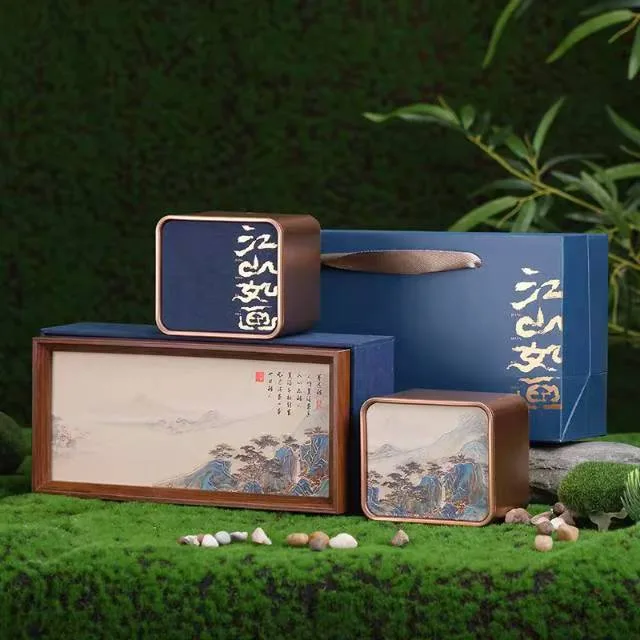
Bingdao Raw Pu-erh Tea Loose Leaf (70g Tin) | Bulk Wholesale & Private Label OEM
/* ========================================================= YMTEA — Bingdao Raw Sheng Pu-erh B2B Product Page Module Elementor HTML Widget ========================================================= / .ymtea-bingdao-single{ –bd-text:#17201b; –bd-muted:#66716b; –bd-soft:#f5f7f5; –bd-border:#e0e6e2; –bd-dark:#17251e; –bd-green:#2d5b45; –bd-green-2:#3d7258; –bd-green-soft:#edf4ef; –bd-gold:#a78342; –bd-gold-soft:#f7f2e7; –bd-white:#ffffff; –bd-shadow:0 18px 55px rgba(23,37,30,.08); font-family:inherit; color:var(–bd-text); line-height:1.7; width:100%; max-width:1200px; margin:0 auto; } .ymtea-bingdao-single *, .ymtea-bingdao-single *::before, .ymtea-bingdao-single *::after{ box-sizing:border-box; } .ymtea-bingdao-single img{ display:block; width:100%; height:auto; } .ymtea-bingdao-single a{ color:inherit; text-decoration:none; } / ========================================================= Shared ========================================================= / .ymtea-bingdao-label{ display:inline-flex; align-items:center; gap:8px; padding:7px 12px; border:1px solid rgba(167,131,66,.28); background:var(–bd-gold-soft); color:#80652e; border-radius:999px; font-size:11px; font-weight:800; letter-spacing:.12em;…