

Published by: [Ymtea]
Date: December 15, 2025
Tags: Chinese Tea Serving Size, Loose Leaf Tea Measurement, Tea Brewing Guide, Specialty Tea for Europe, How to Brew Tea, Tea Retail Tips, Gourmet Tea Export
Why Portion Control Matters in Chinese Tea
As a Chinese tea wholesaler exporting to Europe, you know that one of the most common complaints from retail customers isn’t about quality—it’s about consistency.
“Why does my oolong taste so weak one day and bitter the next?”
“I used the same tea, but the flavor changed!”
More often than not, the issue isn’t the tea—it’s how much tea was used.
European consumers are increasingly exploring specialty loose leaf tea, moving beyond tea bags and mass-market blends. But many still lack the knowledge of proper tea-to-water ratios, leading to inconsistent brewing, wasted product, and lost sales.
In this guide, we’ll give you the exact measurements and expert tips to help your retail partners and end consumers brew the perfect cup—every time. Share this as a retailer resource, customer FAQ, or blog content to boost confidence in your brand and reduce product returns.
The Golden Rule: Standard Chinese Tea Serving Size
The foundation of great tea lies in the tea-to-water ratio. In China, this is known as “cha shui bi” (茶水比)—the balance between leaf and liquid.
✅ Standard Ratio: 1 gram of tea per 50 ml of water
● This is the baseline for most Chinese teas.
● Example: For a 250ml teapot or cup, use 5 grams of tea.
● This ratio ensures optimal extraction—neither weak nor bitter.
💡 Retail Tip: Include a small measuring spoon (approx. 2.5g) in your premium tea gift sets. It’s a low-cost added value that enhances the customer experience.
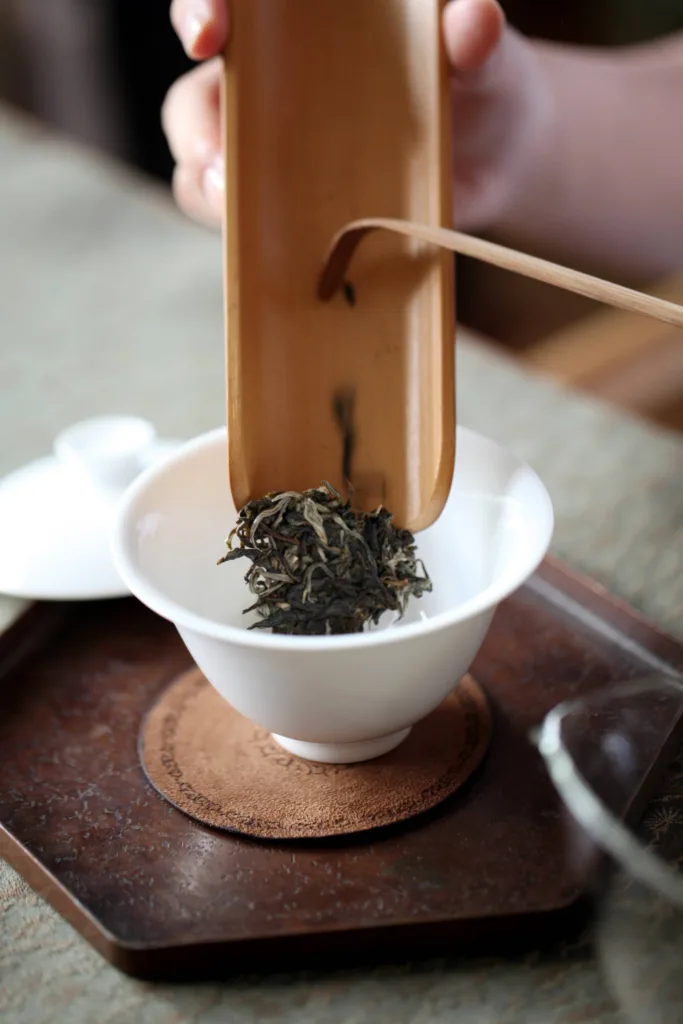
Tea-by-Tea Serving Guide (With European Preferences in Mind)
Not all Chinese teas are the same. Here’s how to adjust the portion based on tea type—perfect for educating your European tea shops, cafes, and home brewers.
| Tea Type | Recommended Amount (per 250ml) | Why This Amount? | European Consumer Tip |
| Green Tea (e.g., Longjing, Bi Luo Chun) | 3–4 grams | Delicate leaves; too much causes bitterness. | Best brewed at 80°C for 1–2 mins. Ideal for afternoon refreshment. |
| White Tea (e.g., Silver Needle, Shou Mei) | 4–5 grams | Light oxidation; needs slightly more leaf for flavor depth. | Use lower temp (85°C), longer steep (3 mins). Popular in wellness circles. |
| Oolong Tea (e.g., Tieguanyin, Da Hong Pao) | 5–6 grams | Rolled leaves expand; higher density needed. | Perfect for gaiwan brewing. Multiple infusions = great value. A favorite in specialty tea bars. |
| Pu-erh Tea (Sheng or Shu) | 5–7 grams | Compressed or aged leaves need more volume. | Use 100°C water. Rinse first. Loved by connoisseurs for its depth and health benefits. |
| Black Tea (Hong Cha) (e.g., Dian Hong, Jin Jun Mei) | 4–5 grams | Fully oxidized; strong but smooth. | Can handle milk, but best enjoyed pure. A bridge tea for ex-English breakfast drinkers. |
| Scented/Flavored Teas (e.g., Jasmine Dragon Pearls) | 3–4 grams | Aromatic flowers add volume; less tea leaf needed. | Popular in gift sets and luxury markets. Great for afternoon tea occasions. |
🥣 Measuring Without a Scale: Practical Tips for Retailers
Most European consumers don’t own a tea scale. Help them estimate with these visual guides:
● 1 gram of tea ≈ 1 standard teaspoon (for broken or fine leaves)
● 1 gram of rolled oolong ≈ ½ teaspoon (as it expands)
● 1 gram of Pu-erh cake ≈ size of a large coffee bean
📣 Retailer Action: Print a “Tea Measurement Chart” and include it in your packaging or display it in-store. Use visuals—like a photo of 5g of oolong next to a euro coin—for clarity.
🍵 The “Multiple Steeping” Advantage: Maximize Value
One of the key selling points of premium Chinese tea—especially oolong, pu-erh, and some green teas—is multiple infusions.
● A single 5g serving can yield 5–8 infusions when brewed correctly.
● This makes high-end tea cost-effective over time.
✅ Marketing Message for Retailers: “One serving, eight brews—your customers get more than just a cup. They get an experience.”
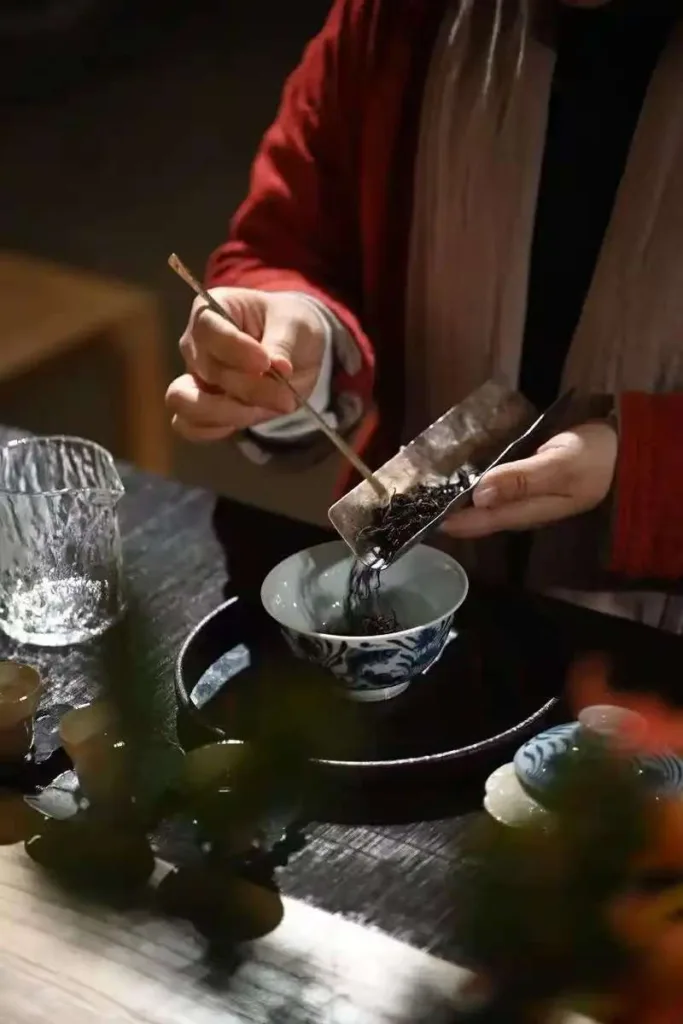
🌍 Why This Matters for Your European Market Strategy
1. Reduces Customer Confusion
Clear portion guidance = fewer “bad brews” = fewer returns.
2. Increases Perceived Value
When customers get consistent, delicious results, they see your tea as premium and reliable.
3. Supports Premium Pricing
Educated consumers understand why loose leaf specialty tea costs more—and are willing to pay for it.
4. Boosts Retailer Confidence
Your buyers (tea shops, delis, gourmet stores) will trust you as a knowledge partner, not just a supplier.
✅ Final Tip: Encourage Experimentation
While the 1g:50ml ratio is a solid starting point, tea is personal. Encourage your customers to:
● Start with the standard, then adjust slightly up or down.
● Try different water temperatures and steeping times.
● Keep a tea journal—especially popular among European tea enthusiasts and mindful drinking communities.
[Ymtea] – Premium Chinese Tea Exporter | Trusted by European Retailers Since [2010]
📞 Ready to supply your store with consistent, high-quality Chinese tea and full brewing support?
📩 Contact us today for our 2025 European Export Catalog and Retailer Resource Kit.
#ChineseTea #LooseLeafTea #TeaWholesale #SpecialtyTea #TeaExport #EuropeanMarket #TeaBrewing #TeaMeasurement #TeaRetail #GourmetTea #OolongTea #PuErhTea #TeaEducation #ThirdWaveTea #TeaBusiness #HowToBrewTea #TeaServingSize #TeaForEurope
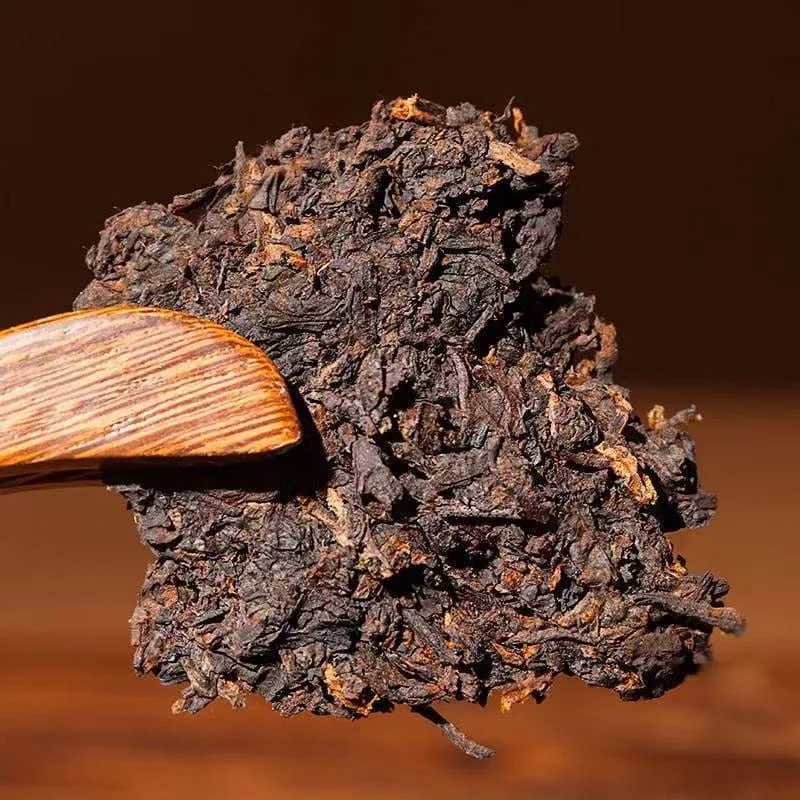
AYM Pu’er
Black Tea Puerh Tea is harvested directly from the source, supplied directly fro the tea plant to Europe, simple, easy to store and easier to brew.Coffee lovers will love YM’s tea!