

The Bitter Truth: Why Good Tea Tastes Bad
As a European tea wholesaler, you know the struggle. You source high-quality Chinese loose leaf tea—be it a delicate Green Tea, a complex Oolong, or a rich Pu-erh—only to hear from your retail customers that it “tastes bitter” or “too astringent.”
Here is the secret: In 90% of cases, the tea is not the problem. The brewing method is.
European consumers are often accustomed to the robust, milk-friendly style of CTC black teas. When they apply the same “boiling water and steep forever” method to Specialty Chinese tea, they destroy the delicate flavor profiles you are trying to sell.
To help you educate your clients and reduce returns, we at [Ymtea] present the science and art of brewing bitterness-free Chinese tea.
The Science of Bitterness: It’s Chemistry
To fix the bitterness, you must understand what causes it. Chinese tea contains two main compounds that affect taste:
1. Caffeine & Polyphenols: These cause bitterness.
2. Amino Acids (Theanine): These create umami and sweetness.
The Golden Rule: High temperatures and long steeping times extract the bitter compounds (caffeine) first. Lower temperatures and shorter times preserve the sweet, savory flavors.
The “Anti-Bitterness” Brewing Formula To unlock the true terroir of your Chinese tea, adjust these three variables:
1. Water Temperature: Lower is Often Better European tea lovers often default to 100°C. This is great for black tea but disastrous for green or white teas.
● Delicate Teas (Green, White, Yellow): Use 75°C – 85°C. ○ Why? Boiling water “cooks” the leaves, releasing excessive tannins.
● Oolong & Black Teas: Use 90°C – 95°C.
○ Why? Oolongs need high heat to open the rolled leaves, but 100°C can scorch the aroma.
● Pu-erh & Dark Teas: Use 100°C.
○ Why? These aged teas require maximum heat to release their deep, earthy flavors.
2. The “Golden Ratio”: Less is More European consumers tend to use too much tea and too little water.
● Standard Ratio: 1g of tea per 50ml of water (approx. 1 teaspoon per cup).
● Oolong/Pu-erh: You can go slightly higher (1:20 to 1:25) because these teas are meant to be strong and re-steeped.
3. Time: Fast is Fresh
This is the most critical step for avoiding bitterness.
● Green/White Teas: 1 – 2 minutes max. If using a teapot, pour the water and pour it out immediately (15-30 seconds).
● Oolong/Pu-erh: 30 seconds to 1 minute for the first steep, increasing slightly with each subsequent brew.
● The “Flash Infusion”: For high-end Oolongs, suggest your customers do a 5-second rinse (used to awaken the leaves) which is discarded, followed immediately by the first proper steep.

Tea-by-Tea Guide for Your European Clients
Use this quick-reference table to create marketing materials or FAQ sheets for your customers:
| Tea Type | Target Temp | Steeping Time | Pro Tip for Retailers |
| Green Tea (Longjing, Bi Luo Chun) | 80°C | 1 – 2 min | Never use boiling water. It destroys the fresh, grassy notes. |
| White Tea (Baihao Yinzhen, Shou Mei) | 85°C | 2 – 3 min | Treat it gently. It should taste like sweet dew, not hay. |
| Oolong Tea (Tieguanyin, Yancha) | 95°C | 30 sec – 1 min | Use a Gaiwan or small teapot. Multiple short steeps reveal the complexity. |
| Pu-erh Tea (Sheng or Shu) | 100°C | 10 – 15 sec | Wash the tea first. This removes dust and “wakes up” the ancient leaves. |
| Black Tea (Hong Cha, Lapsang) | 95°C | 3 – 5 min | Lower temp preserves the floral notes; high temp brings out the maltiness. |
Water Quality: The European Factor Europe has diverse water hardness. Hard water (high in calcium and magnesium) is the enemy of delicate tea. It binds with the tea polyphenols, creating a dull, flat, and often bitter taste. ● Recommendation: Advise your clients to use filtered water or spring water. The purer the water, the clearer the flavor profile of your premium Chinese tea will be.
📣 Marketing the Experience:
“Third Wave Tea” To sell more wholesale tea, help your customers move beyond the “tea bag” mentality. Educate them on the “Third Wave Tea” movement:
● Focus on Origin: Just like coffee, talk about the terroir.
● Focus on Ritual: Encourage the use of glassware (for greens) or Gaiwans (for oolongs).
● Focus on Freshness: Remind them that Chinese green teas are seasonal (like Beaujolais Nouveau) and should be consumed fresh.
Conclusion:
By teaching your customers how to brew without bitterness, you transform a one-time buyer into a loyal fan. Don’t just sell tea; sell the perfect cup.
[Ymtea] – Your Trusted Partner in Authentic Chinese Tea
Looking for high-quality, export-compliant Chinese tea for the European market? Contact us today for our seasonal catalog.
#ChineseTea #TeaWholesale #EuropeanMarket #SpecialtyTea #LooseLeafTea #TeaBusiness #Exporter #TeaBrewing #GourmetFood #ThirdWaveTea #PuErh #Oolong #GreenTea #RetailTips
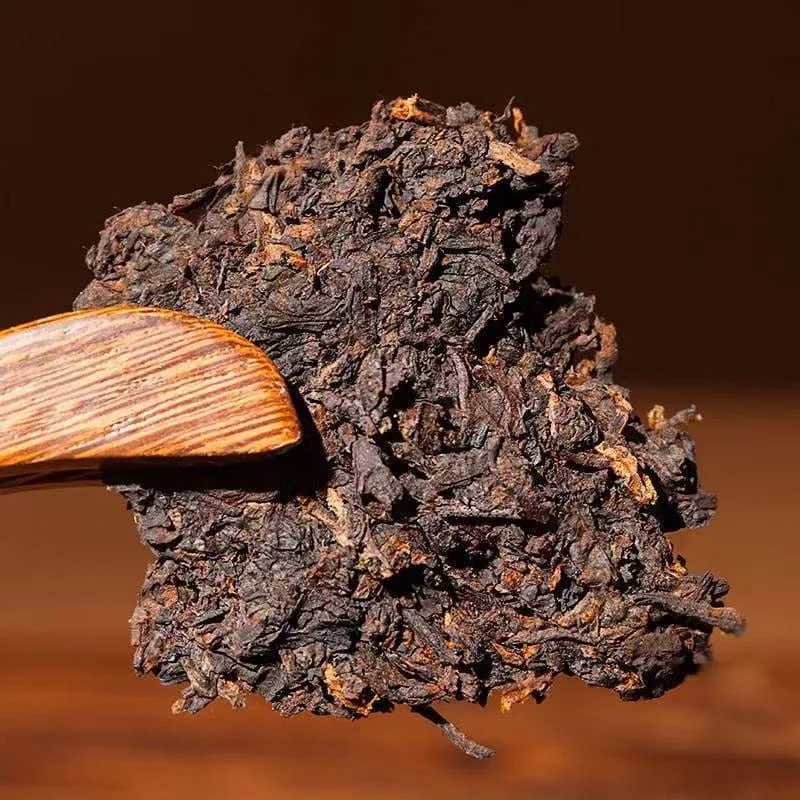
AYM Pu’er
Black Tea Puerh Tea is harvested directly from the source, supplied directly fro the tea plant to Europe, simple, easy to store and easier to brew.Coffee lovers will love YM’s tea!