

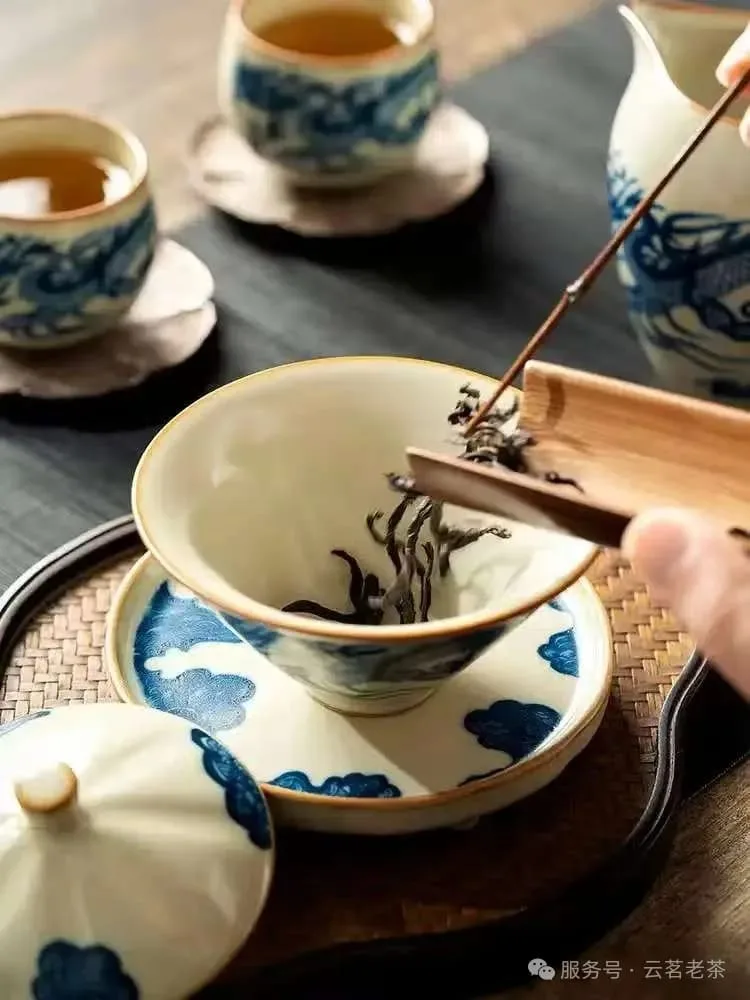
Steeping and Letting Sit:
When brewing tea, there are certain steeps of specific teas that often make people unsure whether to keep or discard them. To help everyone gain some knowledge, let’s summarize and explain this. When using a large teapot, why should you leave one-third of the tea in the cup before adding water each time?
This method is called the ‘leaving the root’ brewing method. Leaving part of the tea in the pot effectively prolongs the steeping time of the leaves, allowing the next infusion to have a better taste and drinking experience, avoiding the situation where the first steep is smooth and aromatic, but the second steep turns out almost like plain water.
Here, we differentiate between ‘leaving the root’ and ‘steeping and letting sit.’

Leaving some leaves behind is usually used in brewing aged Pu-erh tea and is more commonly done with a Yixing clay teapot. ‘Leaving some leaves behind’ means that each time the tea is poured out, some tea leaves (also called the tea base) are left in the pot. The amount left depends on the nature and quantity of the tea. For example, sometimes six parts are poured out and four parts are left, or seven parts poured out and five or three parts left. This method is common with fermented teas because, in these teas, tea polyphenols undergo oxidation and polymerization reactions, which may diminish or degrade. Non-fermented teas generally should not use this brewing method; otherwise, the tea soup will exhibit strong astringency and bitterness.
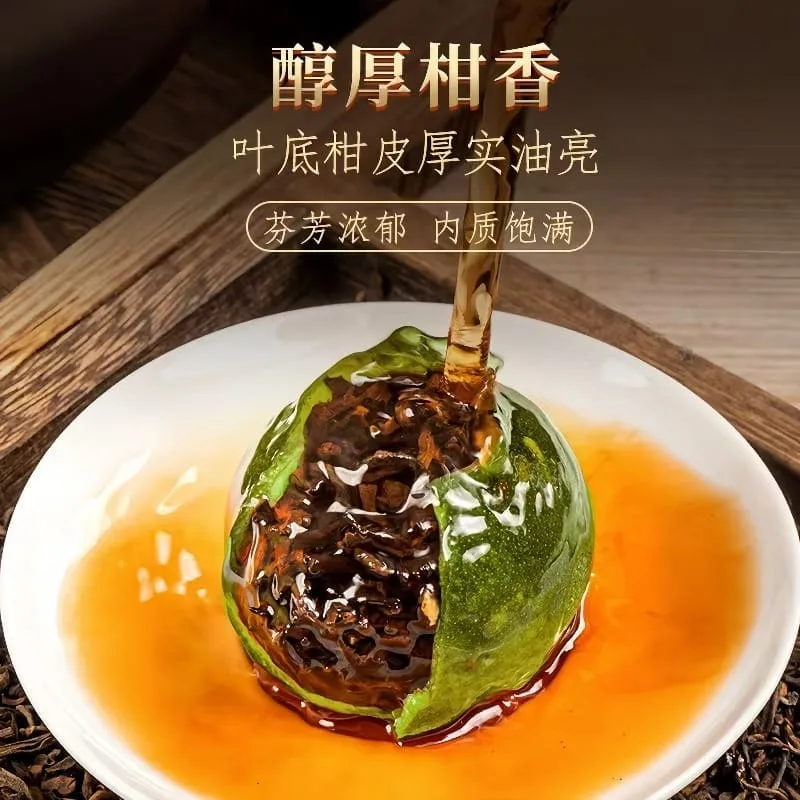
Steeping with pause: This refers to slightly pausing the infusion before pouring when brewing aged Pu-erh tea in a Yixing teapot, emphasizing a ‘slow’ rhythm. Combining retained leaves and the pause method forms the retained leaves pause brewing method for Pu-erh tea. For example, when brewing ripe Pu-erh tea in a Yixing teapot, rinse the tea twice with boiling water. For the first four infusions, pour in boiling water and immediately pour out (to prevent the early infusions from being overly strong while the later ones are weak). Starting from the fifth infusion, after pouring in boiling water, let each infusion steep for 10-15 seconds. When pouring out the tea, leave two-fifths of the tea in the pot and continue this method until the seventh infusion. (Mixing two-fifths of the previous infusion with the next one can improve the balance and richness of the tea flavor). From the eighth infusion, after adding boiling water, increase the steeping time by 20-25 seconds compared to the previous infusion. For example, if the seventh infusion was steeped for 10 seconds, then steep the eighth for 30 seconds. Leave half of the tea in the pot and mix it with the next infusion, which can significantly improve the balance of the tea’s flavor and extend the tea’s brewing life.
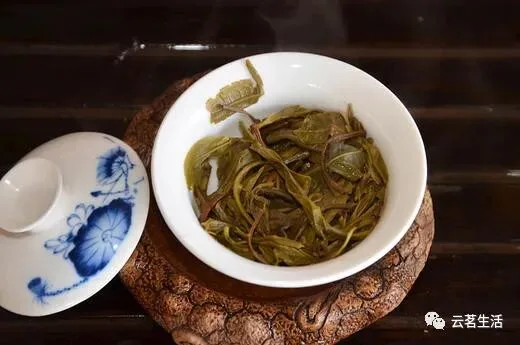
After understanding what root-retaining steeping is in Pu’er tea, let’s look at what effect this brewing method has. When we normally brew Pu’er tea using a gaiwan and pour out each infusion completely, it serves two purposes: first, to allow us to judge the quality of the tea as accurately as possible; second, to experience the layers of flavor in each infusion.
So, what is the significance of root-retaining steeping?
Advantages:
First, using root-retaining steeping can adjust the taste of a pot of tea from the beginning to the end of drinking, preventing the phenomenon of strong first infusions followed by weaker ones, while maintaining the tea’s mellow flavor and increasing its steeping durability. Second, root-retaining steeping can present a balanced taste throughout the entire pot of tea.
Disadvantages:
Brewing Pu’er tea using the root-retaining method makes the tea taste more stable but less varied. For tea lovers who want to experience the layered flavors of Pu’er tea, it may seem a bit plain; meanwhile, it may also affect the ability to accurately judge the actual quality of the tea.
As for whether to use the “root-retaining steeping method” to brew Pu’er tea, one needs to consider not only the age of the tea but also whether the tea drinker prefers diverse and changing flavors or a more balanced taste. Pu’er tea comes in many varieties and can be brewed in different ways to perfectly showcase the charm of a single leaf, but the brewing method should be chosen according to the specific tea to best appreciate its true flavor.
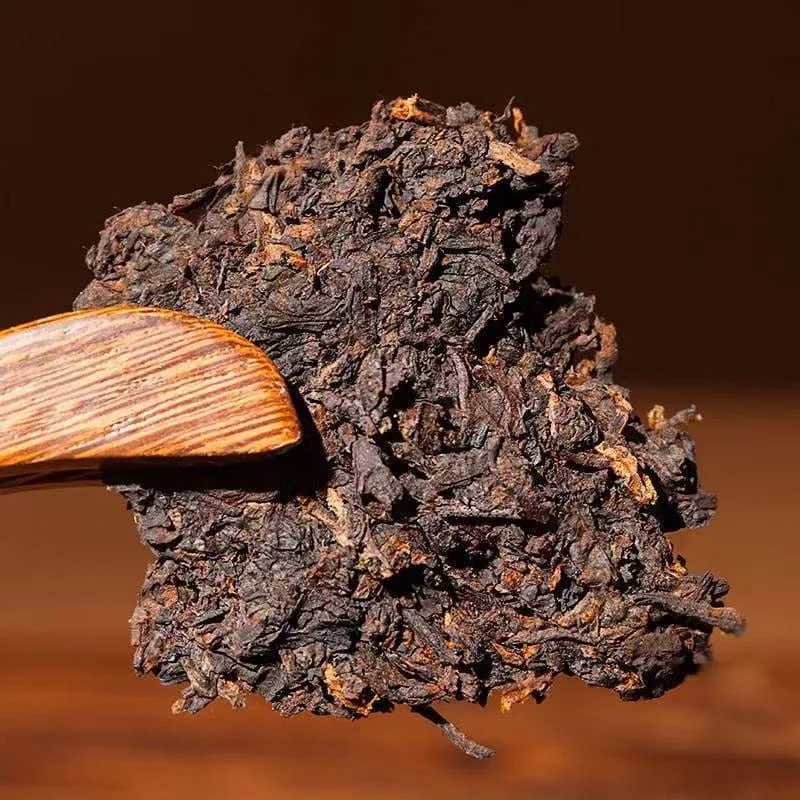
AYM Pu’er
Black Tea Puerh Tea is harvested directly from the source, supplied directly fro the tea plant to Europe, simple, easy to store and easier to brew.Coffee lovers will love YM’s tea!