Tea is more than a solitary leaf steeped in hot water; it is a canvas for wellness. For centuries, the wisdom of traditional herbalism has taught us that when we combine specific botanicals, we can create synergies—effects that are greater than the sum of their parts.
In the modern pursuit of holistic health, the practice of pairing tea with complementary herbs, spices, and fruits is experiencing a renaissance. This is not just about flavor (though the taste profiles can be exquisite); it is about targeted functional benefits.
Here is your guide to mastering the art of tea pairing, tailored for the European wellness seeker.
The Power of Synergy: Strategic Pairings for Specific Goals
Just as a chef selects ingredients to balance a dish, you can select botanicals to balance your body. Here are some of the most effective and scientifically supported combinations:
1. The Digestive Duo: Pu-erh + Chenpi (Aged Tangerine Peel)
● The Science: Pu-erh tea, a fermented dark tea, is renowned for its ability to break down fats and aid digestion. When paired with Chenpi, which is rich in volatile oils, it creates a powerful synergy for the gut.
● The Benefit: This combination is a staple in Traditional Chinese Medicine for “harmonizing the stomach.” It helps relieve bloating, reduces greasiness after heavy meals, and promotes the smooth flow of Qi (energy) in the digestive tract.
● Perfect For: Those enjoying rich European cuisines or seeking to improve metabolic efficiency.
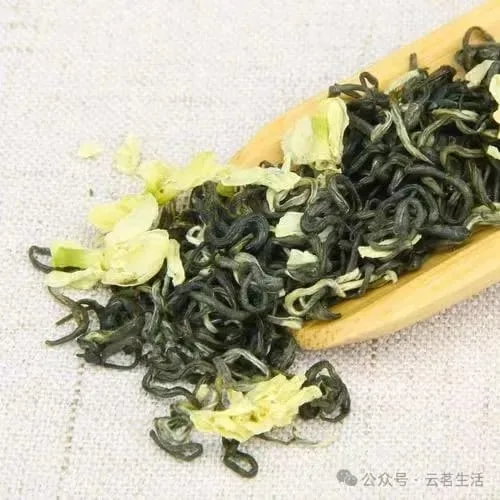
2. The Radiance Blend: Green Tea + Rose (or Jasmine)
● The Science: Green tea is packed with antioxidants (EGCG) that fight cellular aging. Rose petals contain essential oils and vitamins that promote blood circulation and soothe the liver.
● The Benefit: Together, they create a “Beauty Elixir.” While green tea detoxifies, rose helps regulate hormonal balance and alleviates stress-induced stagnation, leading to a clearer, more radiant complexion.
● Perfect For: Managing stress-related skin issues and promoting emotional well-being.
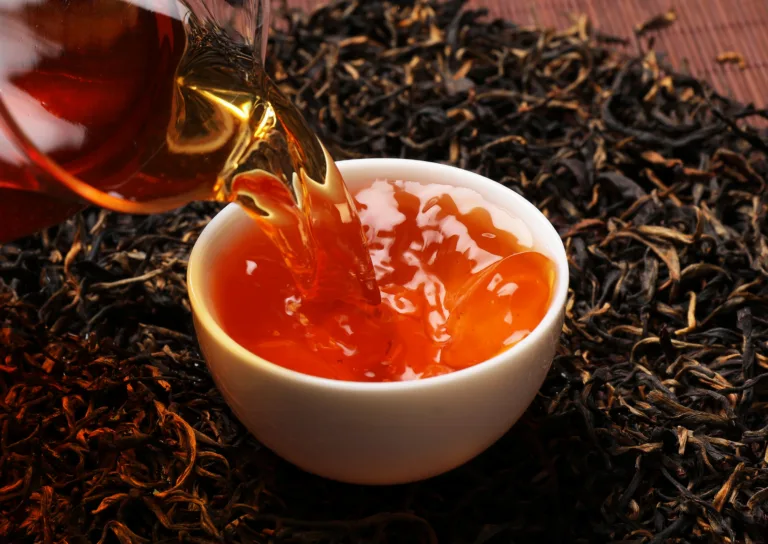
3. The Golden Shield: Black Tea + Ginger (Hong Cha + Sheng Jiang)
● The Science: Black tea is fully oxidized and has a warming nature. Ginger is a thermogenic herb that increases body heat and improves circulation.
● The Benefit: This pairing is a natural defense against the cold. It warms the spleen and stomach, boosts the immune system, and provides a comforting energy lift on chilly days.
● Perfect For: Cold winter months or for individuals with a “cold” constitution who feel chilly easily.
4. The Mental Clarity Stack: Oolong + Lemon
● The Science: Oolong tea contains a unique balance of caffeine and L-theanine, promoting alertness without anxiety. Adding lemon (a source of Vitamin C) increases the bioavailability of the tea’s catechins.
● The Benefit: Enhanced cognitive function and improved fat metabolism. The citrus also cuts through the oolong’s natural minerality, creating a crisp, refreshing taste.
● Perfect For: Afternoon focus and concentration.
The Precautions: Navigating the “Dos” and “Don’ts”
While pairing can amplify benefits, it is crucial to approach it with knowledge. Just as some ingredients harmonize, others can clash.
1. Respect the “Cold” and “Hot” Balance
In traditional systems, foods and herbs have thermal natures.
● Avoid: Mixing too many “cold” ingredients together if you have a sensitive stomach. For example, while chrysanthemum (cold) is great for red eyes, pairing it with too much mint (cold) might cause digestive upset for some people.
● Tip: If you need to cool down but have a sensitive gut, pair a cooling herb with a neutral or warming tea base, like chrysanthemum with oolong.
2. The “Functional Conflict”
Do not mix herbs that have opposing pharmacological effects.
● Example: If you are taking blood-thinning medications (like Warfarin), you should be cautious about adding large amounts of Gynostemma (Jiaogulan) or high-dose green tea to your routine, as they can enhance the drug’s effect and increase bleeding risk.
● Tip: When in doubt, consult a healthcare professional. “Natural” does not mean it interacts neutrally with pharmaceuticals.
3. The “Overload” Effect
More is not always better.
● Example: Both licorice root and certain teas can affect blood pressure. Combining them in high concentrations might lead to imbalances.
● Tip: Start with simple pairings (1:1 ratio) and listen to your body. A little licorice goes a long way in sweetening a blend.
Brew with Intention
The art of tea pairing is a journey of self-discovery. It invites you to move beyond the generic bag and start curating your cup based on how you feel, the season, and your specific health goals.
At YMTEA, we provide the pure, high-quality foundations—whether it is a silky Keemun black tea or a fragrant Tieguanyin oolong—so you can create your own masterpieces of wellness.
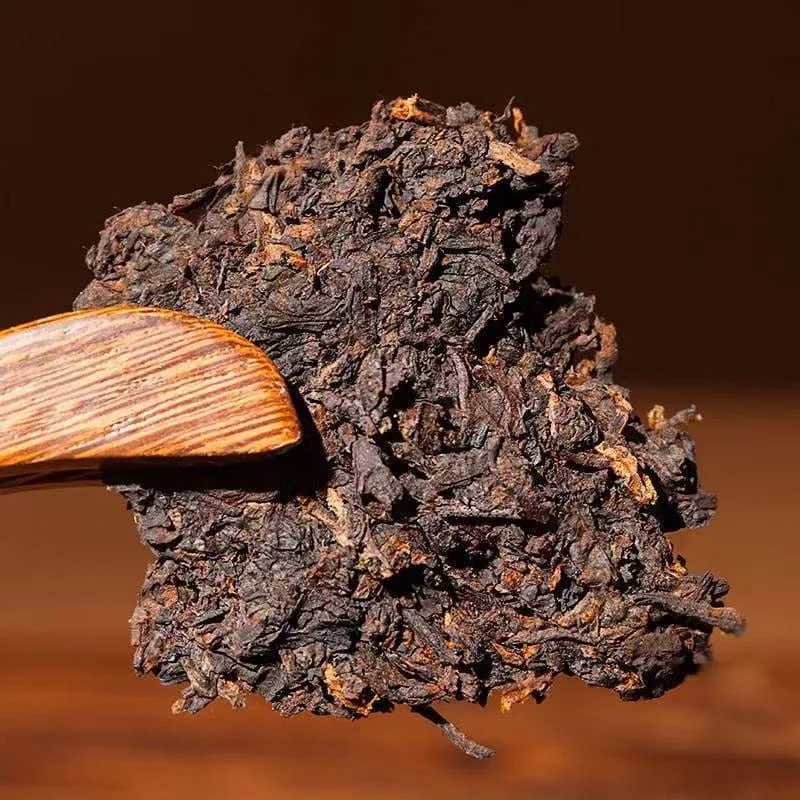
AYM Pu'er
Black Tea Puerh Tea is harvested directly from the source, supplied directly from the tea plant to Europe, simple, easy to store and easier to brew.Coffee lovers will love YM’s tea!