In this fast-paced era, quality sleep has become a luxury. When night falls, the body, exhausted from a busy day, longs to rest, yet the brain may still be running at high speed due to stress and anxiety.
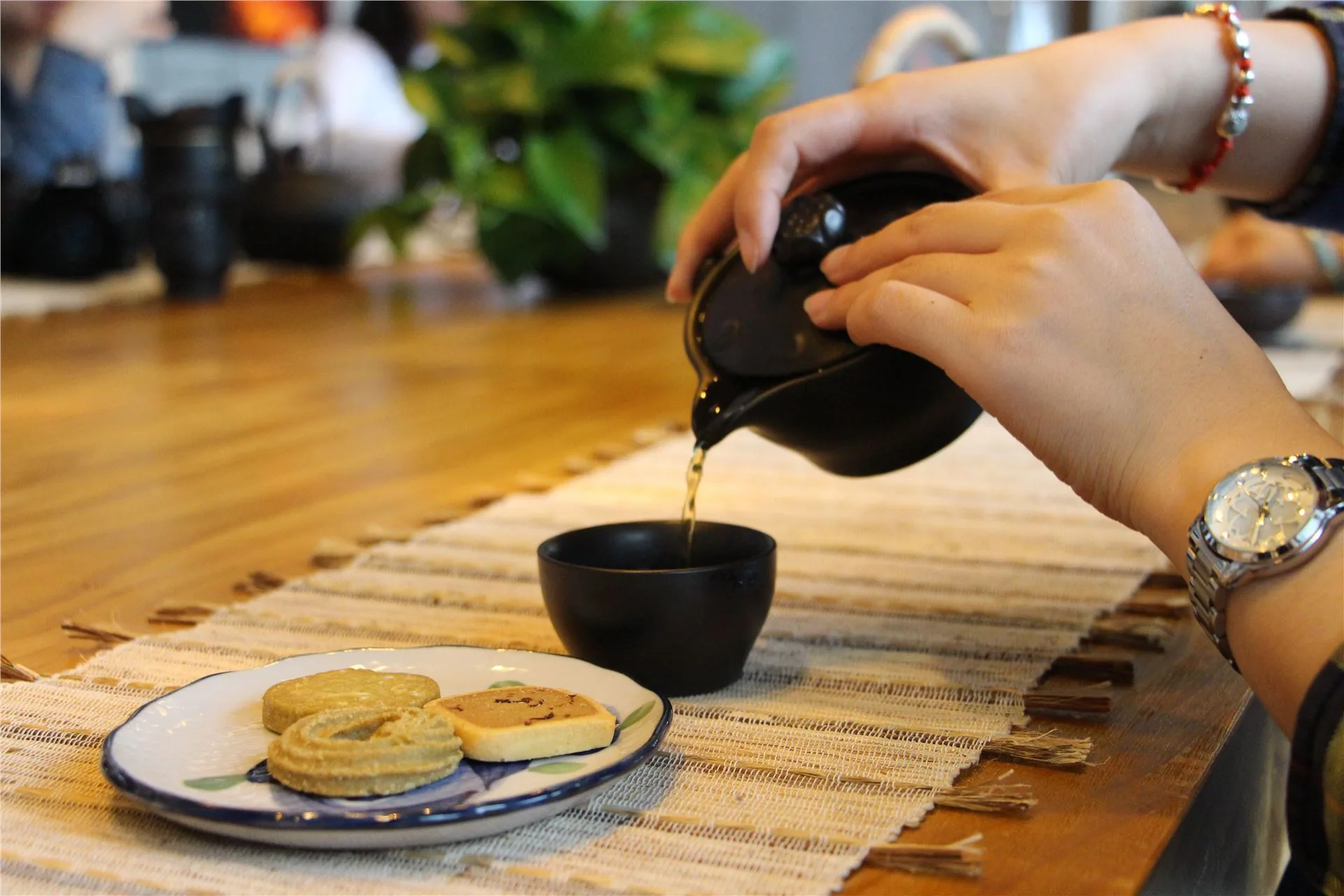
For European consumers pursuing a healthy lifestyle, a warm cup of tea before bed is not only a comfort for the body but also a highly ritualistic ‘mindfulness’ moment. It sends a signal to the brain: it’s time to put down your phone, dim the lights, and prepare to enter dreamland.
But when faced with a dazzling variety of teas, ‘What tea is best to drink before bed?’ is a question we are often asked. The answer is not one-size-fits-all, as each person’s constitution and reasons for insomnia differ. To help you find the cup of ‘calming water’ that suits you best, we have combined traditional wisdom with modern science to recommend the following eight time-tested sleep-promoting teas.
1. Chamomile Tea: Nature’s Sedative
If there is one tea that is synonymous with ‘bedtime tea,’ it must be chamomile.
● Why is it effective?
Chamomile is rich in Apigenin, a flavonoid compound. Scientific studies have shown that Apigenin can bind to benzodiazepine receptors in the brain, producing a mild calming effect, helping to alleviate anxiety and shorten the time it takes to fall asleep.
● Suitable for:
People who have difficulty falling asleep due to stress or an overactive mind. Its mild flavor, with a slight apple fragrance, makes it perfect for establishing a bedtime relaxation ritual.
2. Lavender Tea: Aromatherapy for the Senses
The scent of lavender itself has strong healing properties, and as a tea, it is equally effective.
● Why is it effective?
The key components of lavender, linalool and linalyl acetate, can influence the brain’s limbic system through the olfactory pathway, lowering heart rate and blood pressure, thereby relieving tension.
● Suitable for:
People who suffer from insomnia due to mood swings, anxiety, or mild depression. Sipping a cup of lavender tea feels like undergoing a mini aromatherapy session.
3. Sour Jujube Seed Tea: The ‘Golden Standard’ of Calm in Traditional Chinese Medicine
In traditional medicine, sour jujube seeds are hailed as the ‘number one herb for calming the mind,’ and modern research has confirmed their value.
● Why is it effective?
Sour jujube seeds contain saponins that can extend slow-wave sleep (deep sleep) duration. They help regulate the nervous system and soothe overactive nerves, particularly suitable for ‘restless insomnia.’
● Suitable for:
People who have light sleep, wake easily, experience frequent dreams, or feel palpitations due to heart-blood deficiency.
4. Passionflower Tea: A Natural GABA Enhancer
This is a relatively niche yet highly effective herbal plant, often used to relieve nervous tension.
● Why is it effective?
Passionflower can increase levels of γ-aminobutyric acid (GABA) in the brain. GABA is an important inhibitory neurotransmitter that suppresses over-excitation of nerve cells, helping the brain to ‘brake.’
● Suitable for:
People who are tense, have stiff muscles, or find it difficult to calm down due to overexcitement.
5. Valerian Root Tea: A Powerful Natural Sleep Aid Herb
If you are looking for a stronger natural sleep aid, valerian root is worth considering.
● Why is it effective?
The valerian triterpenoids in valerian root can enhance GABA activity, producing a central inhibitory effect and helping to shorten sleep onset latency.
● Friendly Reminder:
Valerian root has a unique earthy smell. It is recommended to brew a small amount when trying it for the first time or mix it with chamomile or lemongrass to improve the taste. Pregnant women and those taking sedative medications should consult a doctor.
6. Lemon Balm Tea: The “Fire Extinguisher” for Stress Hormones
This mint-family plant with a lemon scent is a powerful tool for relieving chronic stress.
● Why is it effective?
Research shows that lemon balm can reduce cortisol (stress hormone) levels in the body, helping the body switch from a “fight or flight” stress state to a “rest and digest” relaxed state.
● Suitable for:
Professionals who are in high-pressure work environments for a long time and still feel tense after work.
7. Rose Tea: The Reliever of Emotions
For insomnia caused by poor emotional state or liver qi stagnation, rose tea is an excellent companion.
● Why is it effective?
Rose has the effects of soothing the liver, regulating qi, relieving depression, and calming the mind. It can regulate the endocrine system and relieve sleep disturbances caused by premenstrual syndrome (PMS) or menopause.
● Suitable for:
Women who are emotionally sensitive, easily angered, or feel depressed.
8. Rooibos Tea: A Caffeine-Free Antioxidant Drink
As a very popular health beverage in Europe, Rooibos tea is also an ideal choice before bedtime.
● Why is it effective?
It is naturally caffeine-free and rich in superoxide dismutase (SOD), with strong antioxidant capabilities. It can soothe the nervous system, has a mild taste, and does not burden the digestive system.
● Suitable for:
People who are sensitive to caffeine or health enthusiasts who want to take antioxidants and enjoy a hot drink before bed.
How to Drink Sleep-Enhancing Tea Scientifically?
To maximize the sleep-promoting effects of tea and avoid unnecessary disturbances, please follow these recommendations:
● Choose the best time: It is recommended to drink tea 1-2 hours before bedtime. This allows your body time to relax and prevents waking up at night due to drinking too much water before sleep, which can interrupt your sleep cycle.
● Control water temperature and concentration: Brew with water at 85-95℃ for 5-10 minutes. Warm tea helps promote blood circulation and allows your core body temperature to naturally drop when falling asleep, which is a key signal for entering deep sleep.
● Establish a ritual: Incorporate tea drinking into your “sleep ritual.” Turn off electronic devices, breathe deeply under soft lighting while enjoying the aroma of tea. This helps your brain form a conditioned response of “smelling this aroma = time to sleep.”
Conclusion: Find Your Cup of Sleep Tea
Sleep is the most important pillar of health. At YMTEA, we believe that nature has already prepared remedies to improve our sleep. Whether it’s classic chamomile or targeted sour jujube seed, there is always a tea that can calm your restless nights.
Tonight, why not choose one from these 8 teas and give yourself a gentle chance to fall asleep.
Origin Tea
Directly from the tea plantation to your home, the preferred tea supplier for tea in Europe.