

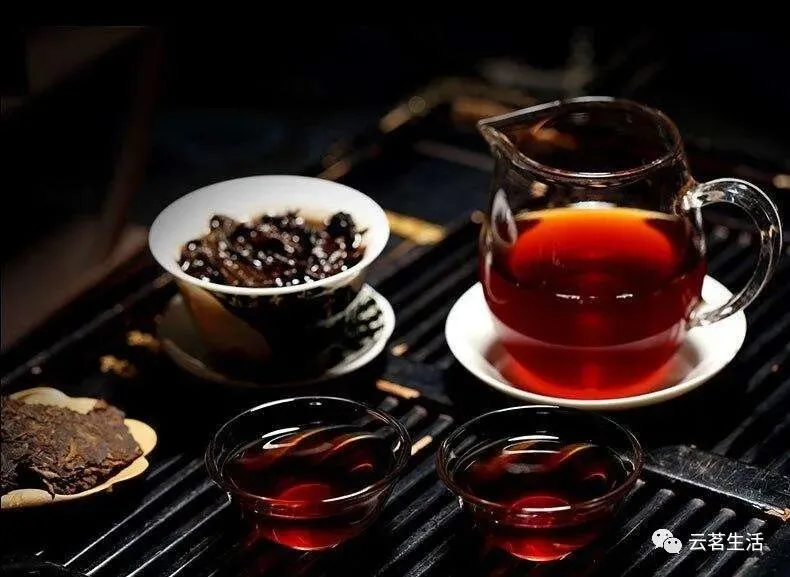
For centuries, the European afternoon table was dominated by coffee, wine, or even strong spirits. However, as maritime trade matured, tea steadily anchored itself in the European market. Its mild, refreshing profile and delicate aromatics disrupted the traditional social scene, eventually crowning tea as the undisputed protagonist of the afternoon ritual.
Why did tea surpass all other beverages to become the heart of this tradition? The answer lies in a perfect blend of taste, health, and social evolution.
1. The Perfect Palate for the Afternoon Setting
Unlike the bold intensity of coffee or the heavy profile of alcohol, tea offers a subtle and elegant aroma.
- Flavor Harmony: Tea acts as a natural palate cleanser. It complements both sweet pastries and savory finger sandwiches without overpowering their flavors.
- The Pace of Conversation: Its mild nature is designed for slow sipping, making it the perfect companion for long, leisurely conversations and the relaxed tempo of a late afternoon.
2. Driven by Health and Sophistication
The rise of tea coincided with the advancement of modern public health concepts in Europe.
- Safety & Purity: The ritual of brewing tea with boiling water provided a safer, more hygienic alternative to untreated water sources of the past.
- Gentle Energy: The “L-theanine and Caffeine” combination in tea provides a focused mental clarity without the “jitters” associated with coffee. This made it an inclusive beverage, suitable for everyone from the elderly to children.
3. The Ultimate Symbol of Social Ritual
British Afternoon Tea transformed a simple drink into a high-end social bond.
- Identity & Status: With the introduction of three-tiered dessert stands, fine bone china, and silver tea sets, tea became a way to showcase taste and social standing.
- Beyond Hydration: It evolved from “replenishing energy” to a “ceremony of identity.” Tea’s exquisite and soothing temperament made it the gold standard for aristocratic interaction, a trend that eventually swept across the continent.
4. From Luxury to Daily Essential
As global trade scaled, tea transitioned from an expensive luxury reserved for the elite into an affordable daily pleasure.
- Supply Chain Stability: Tea’s ease of storage and long shelf life made it more commercially viable for households and tea houses than many other beverages, fueling its rapid popularization across all social classes.
5. The Return to a Mindful Modern Lifestyle
Today, tea is experiencing a massive resurgence among the new generation of consumers who prioritize a low-calorie, additive-free, and natural lifestyle.
- Versatility: From classic Black Teas and Oriental Green Teas to caffeine-free Herbal and Fruit infusions, tea offers endless variety for the health-conscious consumer.
- The “Slow Life” Movement: In an era of digital exhaustion, the act of brewing a cup of tea represents a return to mindfulness and a “light-burden” way of living.
Tea’s triumph was no accident; it was the inevitable result of a perfect alignment between culture, health, and flavor. Today, European afternoon tea remains centered around the teapot because tea has transcended being a mere “drink”—it is a way of life. It satisfies the modern craving for ritual and heritage, serving as the starting point for a life lived with intention.
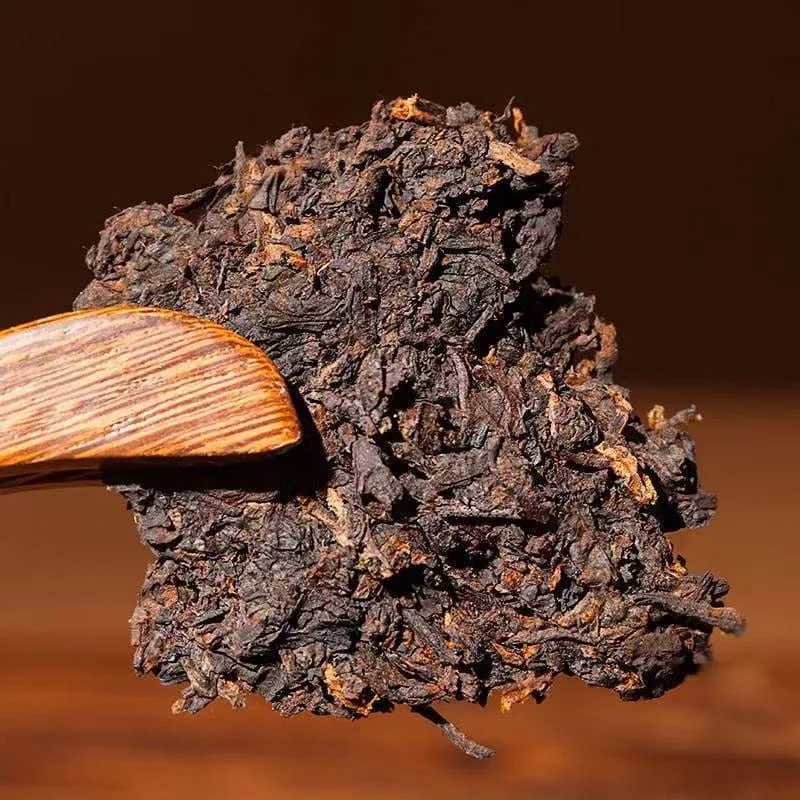
Wholesale of Loose-Leaf Tea
Black Tea Puerh Tea is harvested directly from the source, supplied directly fro the tea plant to Europe, simple, easy to store and easier to brew.Coffee lovers will love YM’s tea!