
The global premium powdered green tea market is undergoing a profound structural shift. For years, Japanese Matcha has been the undisputed ingredient king for boutique cafes and wellness brands from Berlin to Warsaw. However, 2026 has brought unprecedented bottlenecks to the Japanese Matcha supply chain.
Triggered by record-breaking extreme weather in Japan, an aging agricultural workforce, and soaring production costs, the harvest of Japanese tencha (the raw material for Matcha) has dropped drastically. Wholesale prices have skyrocketed—with year-over-year prices more than doubling in certain premium categories.
Facing compressed profit margins and severe supply shortages, Europe’s leading tea brands, food manufacturers, and large-scale beverage distributors are turning their eyes toward a deeply rooted, highly scalable alternative: Chinese Dian Cha (Traditional Powdered Green Tea).
But is this merely a temporary stopgap to fill the Matcha shortage, or does Chinese Dian Cha possess authentic, long-term strategic advantages in flavor, quality, and sustainable sourcing to become the new Premium Mainstream?
1. Historical Roots & Manufacturing Evolution: The True Origin of Powdered Tea
Many Western consumers and boutique tea merchants mistakenly believe that powdered green tea is a uniquely Japanese invention. Historically, the technique of steaming green tea leaves and grinding them into a micro-powder—the exact foundation of Dian Cha—reached its peak during China’s Tang and Song Dynasties. It was later brought to Japan by Buddhist monks in the 12th century. Therefore, Chinese Dian Cha is the direct historical ancestor of modern Japanese Matcha.
In modern industrial production, both lineages preserve high-spec practices: shaded cultivation (Shading) and steam-fixing (Steaming) to maximize chlorophyll and L-theanine levels. However, China’s modernized manufacturing capabilities have introduced a breakthrough in scaling and precision:
- Japanese Matcha: Heavily relies on traditional stone mills or small-scale mechanical grinders. Due to rigid capacity limits and high labor costs, factory-gate prices have reached historic highs, struggling to meet the explosive, bulk demand of European food processors and food service chains.
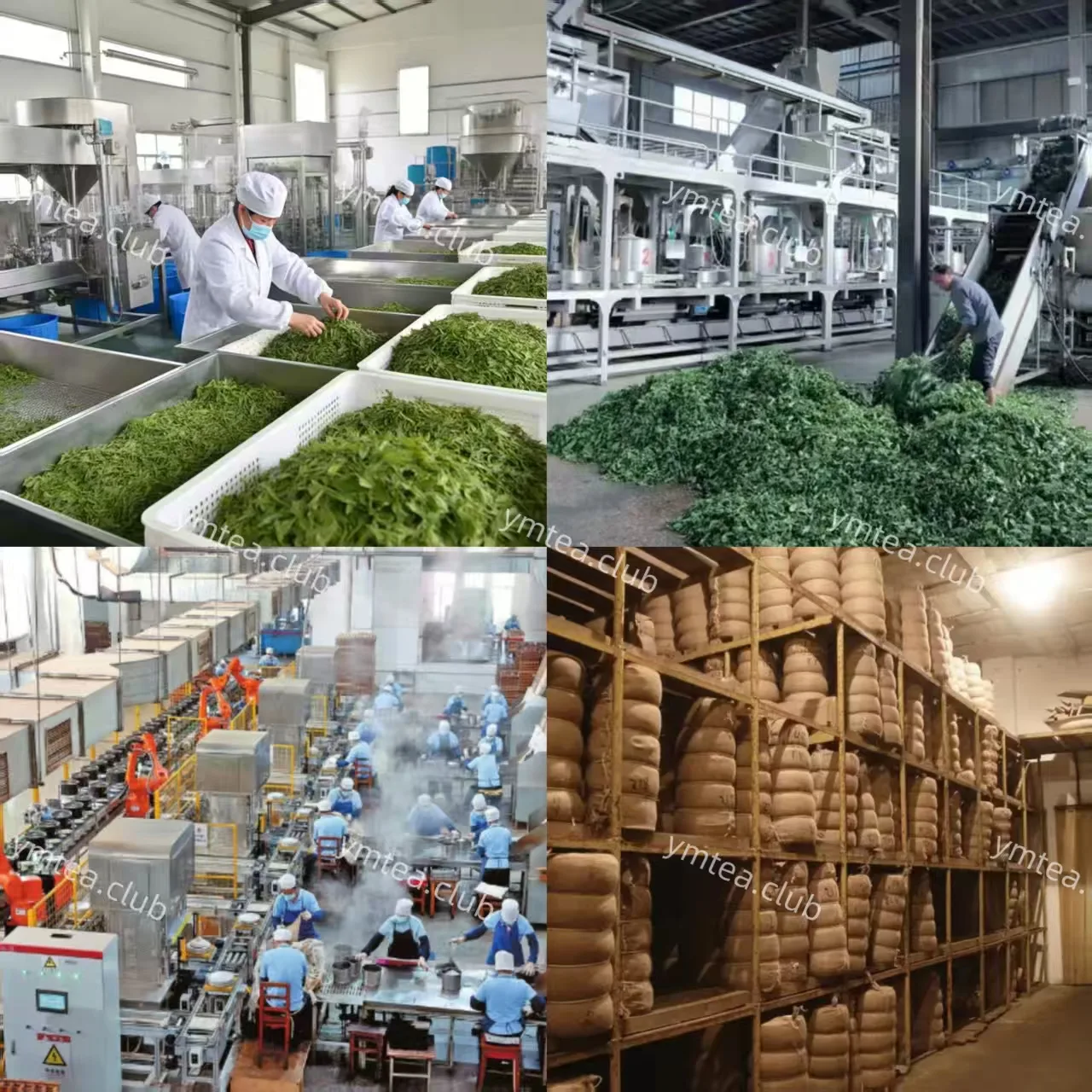
- Modern Chinese Dian Cha: Leading Chinese manufacturers have revitalized the traditional Song Dynasty steaming process with cutting-edge jet milling and ultra-fine pulverization technologies. This not only achieves a powder fineness of over 5,000 mesh (particle size of 2–5 microns) for an ultra-smooth mouthfeel but also guarantees stable, massive-scale production consistency.
2. Flavor Profiles: Intense Umami vs. Balanced Elegance
For the everyday European consumer’s palate, traditional ceremonial-grade Japanese Matcha can sometimes be polarizing due to its hyper-concentrated L-theanine content, which delivers a heavy, seaweed-like or savory “Umami” punch with a bitter finish.
In contrast, Chinese Dian Cha offers a more inclusive, versatile flavor profile that aligns seamlessly with Western dietary habits.
| Feature | Japanese Matcha | Chinese Dian Cha (Premium Grade) |
| Color Profile | High-saturation, vivid emerald green. | Natural, vibrant, and brilliant bright green. |
| Aroma & Taste | Intense seaweed aroma, dominant Umami, with a distinct bitter-sweet undertone. | Elegant orchid fragrance and fresh chestnut notes; minimal bitterness with a smooth, sweet aftertaste. |
| Texture & Foam | Thick, dense, and slightly viscous when whisked. | Velvety, ultra-fine foam with a crisp, refreshing, and silky mouthfeel. |
| Best Application | Traditional tea ceremonies; heavy Matcha lattes. | Multi-functional: Pairs flawlessly with plant-based milks, RTD beverages, and high-heat baking. |
R&D Insight for European Product Developers: When formulated into a Matcha Latte or premium baked goods, Chinese Dian Cha retains its high-saturation green hue. Crucially, its gentle botanical sweetness and nutty undertones blend perfectly with oat milk or almond milk, rather than fighting against the strong grain flavors of plant-based dairy alternatives.
3. Sourcing Economics: Stability, Scalability, and Cost Control
With Japanese Matcha auction prices hitting record highs in 2026, European importers in Germany, France, and Poland face immense pressure to keep retail prices stable. This is precisely where China’s centralized, integrated supply chain shines.
Unlike Japan’s highly fragmented, micro-farmer model, modern Chinese tea producers own or heavily control massive-scale, contracted tea gardens in core high-altitude ecological zones across Zhejiang, Anhui, and Fujian provinces.
This integrated supply chain vastly reduces production loss and amortizes expensive international compliance and certification costs across massive volumes. As a result, Chinese suppliers can deliver highly competitive pricing for Premium Mainstream grades—a luxury that is virtually impossible to achieve in today’s hyper-strained Japanese market.
4. European Compliance: Sustainable Sourcing & Stringent Certifications
Exporting tea to EU countries requires navigating strict regulatory barriers. European buyers enforce some of the world’s most stringent standards for Maximum Residue Limits (MRLs, EU Regulation EC 396/2005) and environmental sustainability.
As a powerhouse deeply rooted in the global B2B supply chain, YMTEA represents the pinnacle of this compliant approach, perfectly merging traditional Chinese Dian Cha craftsmanship with international food safety benchmarks:
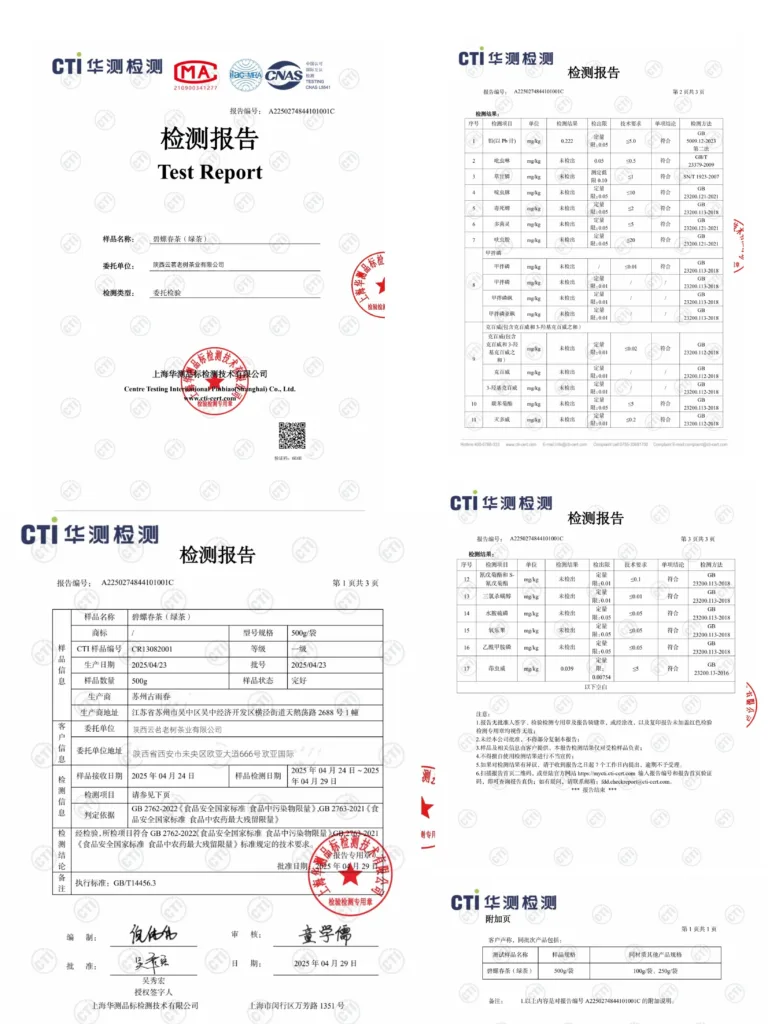
- International Certifications: Fully certified under the EU Organic Certification framework and fully compliant with hundreds of rigorous pesticide residue tests conducted by authoritative bodies like Eurofins and SGS.
- End-to-End Traceability: A complete “crop-to-port” traceability system that aligns perfectly with overseas brands’ expectations for Clean Label transparency. (Click here to view our compliance dashboard and download our latest Eurofins Lab Reports [Placeholder for Link]).
- Climate Resilience (ESG): China’s vast geography offers diverse microclimates. Compared to Japan’s highly concentrated tea regions, China’s high-altitude tea gardens possess superior resilience against localized extreme weather, ensuring uninterrupted year-round supply.
For large European distributors and organic food brands typing “Where to Buy Bulk Organic Matcha” into search engines, sourcing from a globally-minded Chinese manufacturer like YMTEA provides an ironclad safety barrier and brand endorsement.
5. Capturing the Premium Mainstream: Diverse Applications in Europe
As the Vegan movement and Wellness lifestyles continue to boom across Western and Central Europe, high-quality Chinese Dian Cha powder offers exceptional R&D extensibility:
- Plant-based Lattes: Its natural sweetness and orchid notes complement oat, almond, and soy milks, delivering a layered aroma without being overpowered by grain undertones.
- Premium Bakery & Confectionery: Exhibits outstanding thermal stability. The ultra-fine powder provided by Chinese factories retains its eye-catching, vibrant green color even after high-temperature baking.
- Functional Foods & Supplements: High concentrations of natural L-theanine, polyphenols, and antioxidants make it an ideal clean-label ingredient for European health foods and Ready-to-Drink (RTD) functional beverages.
Securing Your Supply Chain for the Next 5 Years
The 2026 green tea supply crisis has been a wake-up call for the European beverage and food industries. Relying on a single, geographically concentrated origin leaves a brand dangerously vulnerable to climate volatility and price shocks.
Chinese Dian Cha is far from a mere “cheap substitute” for Japanese Matcha—it is a premium, historically rich, and highly compliant product category in its own right. Backed by modern food technology, it offers overwhelming advantages in supply volume, price stability, EU compliance, and flavor versatility.
Whether you are a boutique cafe chain in Germany or a large-scale wellness food manufacturer in Poland, establishing a direct partnership with a compliant Chinese tea producer like YMTEA does more than solve today’s supply crunch—it secures your strategic core in Europe’s premium tea market for the next five years.
❓ Frequently Asked Questions (FAQ)
Q1: What is Chinese Dian Cha, and how does it relate to Japanese Matcha?
A: Dian Cha is a powdered green tea technique originating in China during the Tang and Song Dynasties. Japanese monks studied this agricultural and preparation method in China in the 12th century and brought it back to Japan, where it evolved into modern Matcha. Chinese Dian Cha is the direct ancestor of Matcha, now revitalized with modern ecological farming and advanced milling technology.
Q2: Can Chinese Dian Cha fully replace Japanese Matcha in European food and beverage applications?
A: Absolutely. In formulations such as lattes, ice creams, baking, and RTD beverages, their powder fineness and dissolution characteristics are functionally identical. Dian Cha provides a gentler, more balanced flavor with a sweet orchid finish, making it blend even better with popular European plant-based milks. It offers superior cost-performance efficiency for large-scale industrial production.
Q3: How can European buyers verify that tea powder from Chinese manufacturers complies with strict EU pesticide regulations?
A: Importers should partner with export-qualified manufacturers who provide third-party verification from international agencies like Eurofins or SGS. Leading brands like YMTEA operate strictly under EU Organic guidelines, managing everything from soil monitoring to processing, and provide full Transaction Certificates (TC) to ensure 100% smooth clearance through European customs.
Q4: What are the lead times and supply stability for bulk sourcing from China?
A: This is China’s core advantage. Thanks to expansive high-altitude tea sourcing regions and high-capacity jet milling facilities, top Chinese tea enterprises boast year-round supply stability, bypassing the strict quota limits often found in Japan. This translates to shorter lead times, flexible MOQs (Minimum Order Quantities), and the ability to lock in stable, long-term pricing contracts.
Wholesale of Loose-Leaf Tea
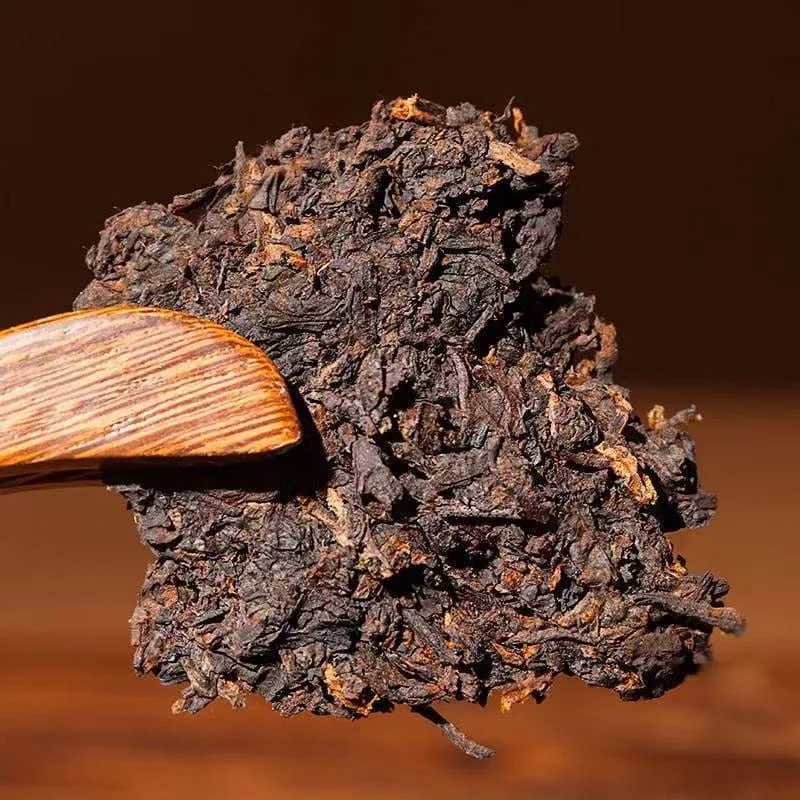
Black Tea Puerh Tea is harvested directly from the source, supplied directly fro the tea plant to Europe, simple, easy to store and easier to brew.Coffee lovers will love YM’s tea!