

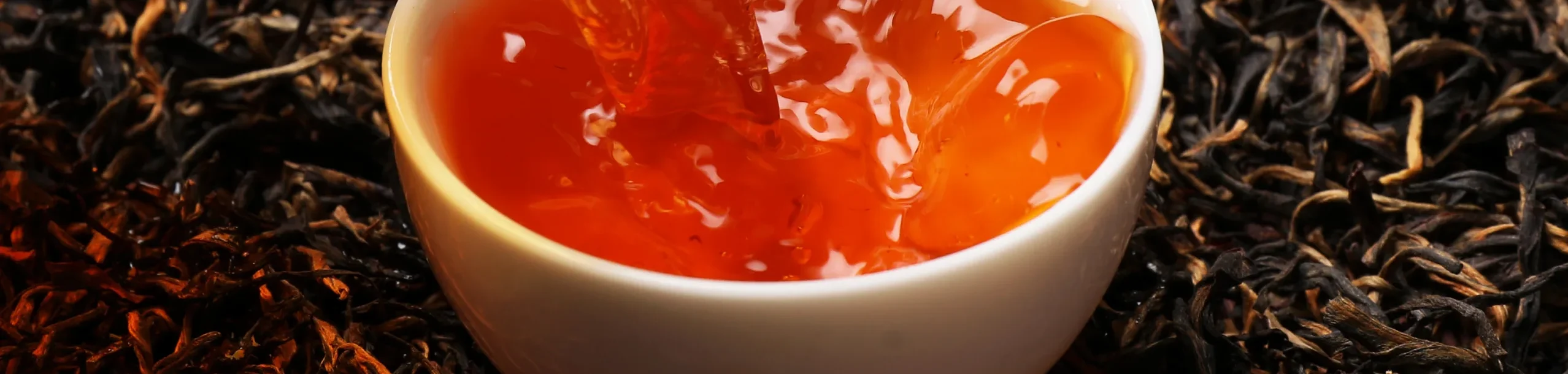
Have you noticed that the same high-quality tea often produces a dark, dull liquor with a dry, astringent mouthfeel—sometimes even sporting a thin “oily film” on the surface—when brewed in Europe?
This isn’t a flaw in the tea itself; it is the result of Europe’s prevalent hard water (high calcium and magnesium content). As a long-standing producer dedicated to bringing premium Oriental leaves to tea lovers worldwide, YMTEA has developed this “Minimalist Brewing Strategy.” Our goal is to help you unlock a sweet, transparent, and aromatic cup, even in a hard water environment.
🍃 The Three-Step Minimalist Strategy: Awaken the Aroma, Banish the Bitterness
1. Water: The Translator of Tea
Tap water in many parts of Europe is significantly hard. Hard water inhibits the release of L-theanine while causing polyphenols to oxidize rapidly, resulting in a dark color and a harsh, bitter taste.
- The Golden Rule: We strongly recommend using a water filter pitcher (such as Brita) to remove limescale, or opting for bottled soft mineral water. This is the single most effective way to instantly improve flavor.
- Pro Tip: Use water immediately after it reaches a boil. Avoid re-boiling the same water, as depleted oxygen levels can make the tea taste “flat.”
2. Temperature: The Magic Key
Fine tea is not a “one-boil-fits-all” product. Different varieties react differently to heat. While YMTEA’s processing ensures high leaf durability, following these “Temperature Codes” will prevent bitterness and unlock layers of flavor:
- Green & White Tea (75°C – 80°C) — Seeking Freshness: These are the most delicate. Boiling water will “scald” the leaves and destroy amino acids. Let the water sit for about 2 minutes after boiling before pouring. This locks in the sweet, dew-like aftertaste.
- Oolong Tea (85°C – 90°C) — Unleashing Aroma: This range is the “sweet spot” for floral and fruity notes. It extracts the “Rocky Rhyme” (Yan Yun) or floral fragrance without compromising the tea’s silky texture.
- Black & Puerh Tea (90°C – 95°C) — Awakening Depth: Fully fermented or post-fermented teas require higher heat to “wake up” their complex substances. Near-boiling water allows the honeyed notes of Black tea and the mellow, aged earthiness of Puerh to bloom instantly.
Brewing Logic: If you don’t have a temperature-controlled kettle, remember: The younger/fresher the leaf, the lower the temperature; the deeper the fermentation, the higher the temperature.
3. Timing: The Art of Balance
A common habit in Europe is leaving tea bags to steep for a long time. With premium whole leaves, this is the primary cause of astringency.
- Gongfu Style (Gaiwan/Small Pot): Steep for only 15–30 seconds per round. Quality leaves can be infused 5–8 times.
- Western Style (Large Pot): Steep for 2–3 minutes, then remove the leaves or the infuser basket immediately.
- Core Principle: It is better to increase the amount of tea (for a stronger flavor) than to increase the steeping time (which leads to bitterness).
🏆 YMTEA’s Terroir Adaptability
As a bridge between top-tier tea estates and the global market, every YMTEA product undergoes “hard water simulation tests” before leaving the factory. We have optimized our blending and processing specifically for the European market to ensure high Terroir Adaptability. Our leaves are crafted to showcase their deep, regional character even in challenging water conditions.
❓ FAQ
Q1: Which tea performs most consistently in hard water areas (e.g., Berlin)?
A1: Black tea and Ripe Puerh are the most resilient. If you prefer the lightness of Green tea, filtered water is the only secret to recovering its natural sweetness.
Q2: Why does whole-leaf tea turn bitter more easily than standard tea bags?
A2: Whole leaves contain far more extractable substances than “dust” or “fannings.” If it tastes bitter, try lowering the water temperature by 5°C or reducing the steep time by 20 seconds. You’ll be amazed by the sweet finish (Huigan).
Q3: How does YMTEA ensure the safety of its tea for the European market?
A3: Safety is our baseline. All YMTEA partner factories pass rigorous EU MRLs (Maximum Residue Levels) testing, and detailed laboratory reports are provided with every shipment.
Q4: Can I add milk or sugar?
A4: Absolutely. However, we suggest trying the first infusion plain to experience the pure, natural gift from the distant mountain forests.
🍵 Begin your tasting journey today.
With the right method, let Oriental botanicals find a second life in Europe.
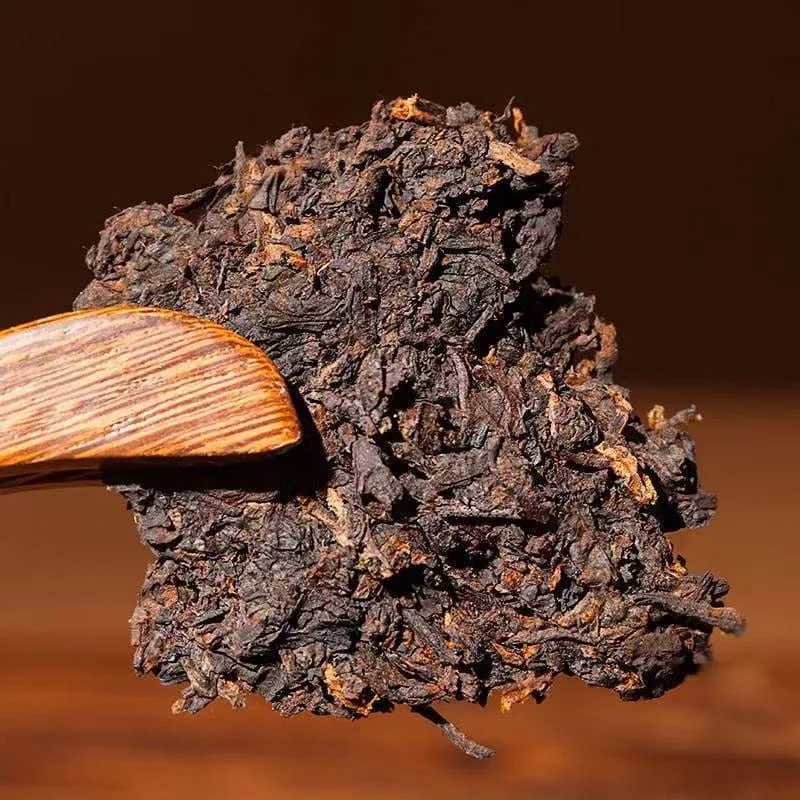
AYM Pu'er
Black Tea Puerh Tea is harvested directly from the source, supplied directly fro the tea plant to Europe, simple, easy to store and easier to brew.Coffee lovers will love YM’s tea!