
The connection between Yunming fine tea and a healthy lifestyle
The Chinese pay attention to the ‘seven necessities of opening a door’: firewood, rice, oil, salt, sauce, vinegar, and tea. Similarly, scholars and literati have their ‘seven treasures’: the zither, chess, calligraphy, painting, poetry, wine, and tea. Between the mundane aspects of life and refined leisure, tea plays an important role. It is said that drinking tea can strengthen the body, but what exactly role does tea play in our daily lives? Tea contains more than 500 chemical substances, including tea polyphenols, theanine, caffeine, vitamins, minerals, proteins, tea polysaccharides, and more. Most of these components are beneficial to the human body, and through their combined effects, they provide protection from head to toe.
The component of tea that ultimately crosses the ‘blood-brain barrier’ to enter brain tissue is a wave of theanine. In the brain, theanine can influence the metabolism and release of neurotransmitters such as dopamine, playing a role in calming the mind, promoting relaxation, and protecting against brain damage. Tea contains abundant tea polyphenols, which are natural and excellent antioxidants. In modern chemistry, tea polyphenols are widely used in various antioxidant products, most commonly in cosmetic products of all kinds. Thanks to their outstanding antioxidant function, regularly drinking tea can make the skin more hydrated and resist aging. The ‘anti-aging’ effect from long-term tea drinking is certainly not inferior to ordinary cosmetics and can help keep people healthy and youthful.The anti-cavity effect of tea mainly comes from its fluoride content. Many toothpastes also use fluoride for cavity prevention. On one hand, fluorides can reduce the solubility of the enamel on teeth and promote enamel remineralization. Under the same acidity, the presence of fluoride lowers the solubility of teeth, making cavities less likely. On the other hand, fluoride can inhibit the growth of cavity-causing bacteria in the mouth and reduce bacterial acid production. Consuming an appropriate amount of fluoride during tooth development can make the cusps blunt and the grooves shallower. This morphological change makes teeth easier to self-clean and stronger in resistance, and so on…

The Health Effects of Boiled Tea:1. Boiled tea humidifies the air, helping to prevent respiratory diseases. 2. It can release anti-cancer chemicals. 3. The concentration of antioxidants reaches its peak, which can absorb harmful free radicals, and so on…Scientists have found that tea brewed in a pot is better for health. Compared to simply steeping tea in a cup of boiling water, boiling tea in a pot can release more anti-cancer chemicals. Research shows that when tea leaves are boiled in a pot for 5 minutes, the concentration of antioxidants reaches its peak. Antioxidants can absorb harmful free radicals associated with cancer and heart disease.Some tea enthusiasts drank Pu-erh tea and black tea brewed in a pot for up to 10 minutes, and then tested the levels of polyphenols (naturally occurring plant antioxidants) in their blood. They found that people who drank tea brewed for 5 minutes had 60% higher antioxidant levels in their blood than those who drank tea brewed for 10 minutes. The difference in antioxidant levels between tea brewed for 3 minutes and 5 minutes was 30%. Participants who drank tea brewed in a pot for 5 minutes experienced a 45% increase in antioxidants in their bloodstream after one hour. Brewing tea in a pot for a longer time did not generate more beneficial compounds. They also found that adding milk to the tea did not affect its antioxidant content.

The Effects of Drinking Tea on HealthDrinking tea has the effects of refreshing the mind, aiding digestion, relieving alcohol effects, and slowing down aging. Moderate tea consumption is beneficial to the body, but excessive drinking or consumption of overly strong tea is not recommended.1. Refreshing the mind: Tea contains caffeine, which can stimulate the brain and help people feel more awake when they are tired, thus refreshing the mind.2. Aiding digestion: The caffeine in tea can also improve digestive function, promoting the secretion of gastric acid to help digest food.3. Relieving alcohol effects: Drinking a moderate amount of tea before drinking alcohol may help break down alcohol and reduce discomfort from intoxication. However, drinking tea after alcohol consumption can harm the kidneys.4. Slowing down aging: Tea contains various antioxidants that help neutralize free radicals, which can contribute to slowing down the aging process to some extent.Moderate tea drinking can help stimulate appetite, improve alertness, refresh the mind, aid digestion, and relieve alcohol effects or greasiness. However, strong tea can increase the burden on kidney metabolism and should not be consumed in excess.
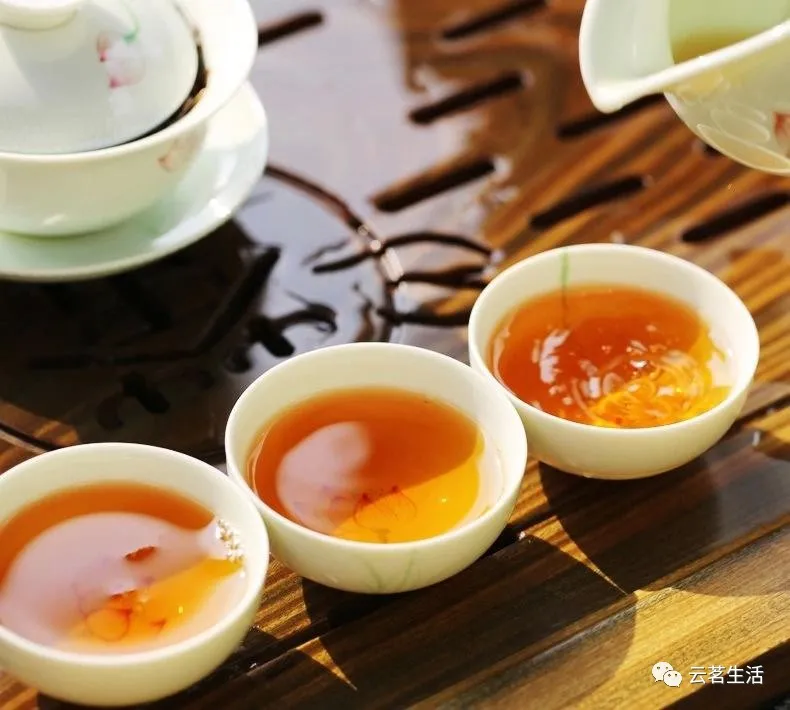
How to Choose a Good Tea?
Step 1: Examine the Dry Tea and Brewed Leaves
When selecting tea, our first impression often comes from visual observation. Here, we focus on checking the dry tea leaves and the brewed leaves.
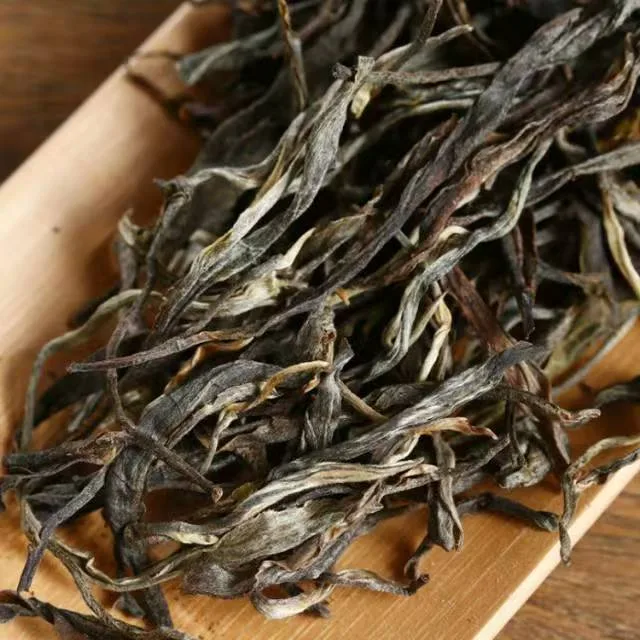
High-quality tea usually has uniformly shaped dry leaves and brewed leaves. The dry tea has a consistent color with a luster and contains few stems.
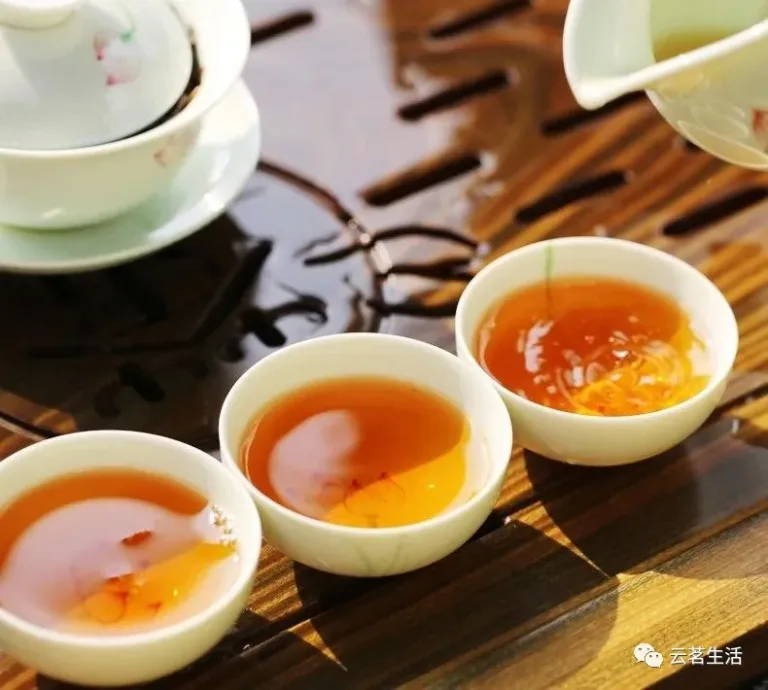
Brewed leaves should expand well in clear water. Next, observe the tea liquor after the leaves have unfurled. Good quality tea produces a clear, bright liquor with minimal impurities.
Step 2: Smell the Dry Tea, Tea Liquor, and Cup
After examining the leaves, we begin to appreciate the tea’s aroma, mainly by smelling the dry tea, tea liquor, and the bottom of the cup.
For dry tea, you can smell it in its original packaging or swirl it in a warm cup to release the aroma, checking for any off smells.
Smelling the tea liquor helps determine the fragrance type and whether there are undesirable odors such as smoky, musty, or grassy notes.
Smelling the bottom of the cup mainly refers to the taste left in a fairness cup, to see if the fragrance lingers long enough.
Step 3: Listen to Explanations and Tea Sounds
Generally, when buying tea, there will be a salesperson, tea master, or friend providing explanations. The main points include tea type, origin, and tree variety. Then, compare their description with your own sensory perception.
Step 4: Perform Brewing and Tasting
When trying a tea, pay attention to the amount of tea used, water temperature, and steeping time. Then, try brewing it yourself to see the differences.
There are also some small tips for tasting: do not gulp down the first sip. Take a small sip, letting the tea flow over your lips and teeth to sense the flavor, check for mouthwatering effects, lingering sweetness, and whether the fragrance remains after drinking.
Step 5: ‘Pinch’ the Dry Tea and Brewed Leaves
This provides the most direct tactile experience. For dry tea, pinch and gently rub the leaves. If they break or crumble easily, it indicates they are properly dried. If not, the tea may be under-dried or damp.
After steeping, you can also pinch the brewed leaves. If the leaves are soft and elastic, it shows vitality. If they crumble at a pinch, the tea has poor vitality.
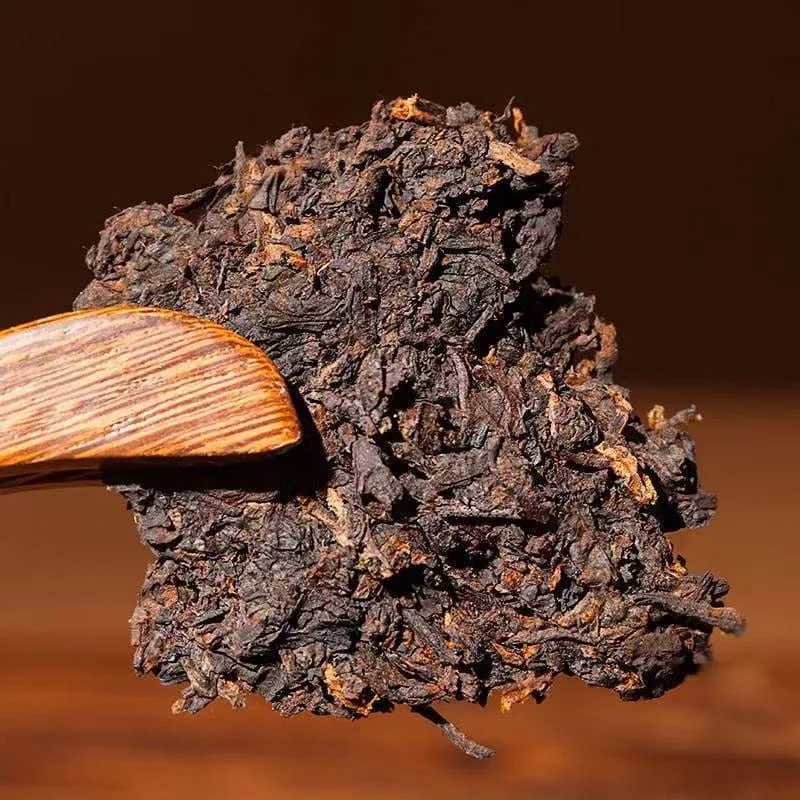
AYM Pu’er
Black Tea Puerh Tea is harvested directly from the source, supplied directly from the tea plant to Europe, simple, easy to store and easier to brew.Coffee lovers will love YM’s tea!