

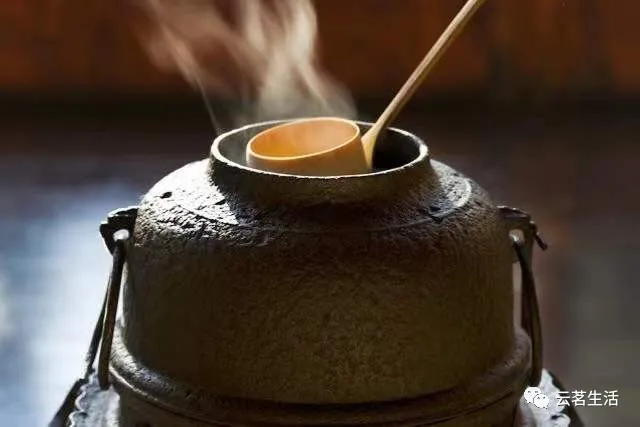
In the past two years, brewing tea has become a dazzling new trend in people’s lives. But do you know which teas can be brewed and which cannot? Today, let’s talk about it!
The following teas are not recommended for boiling.
Green Tea
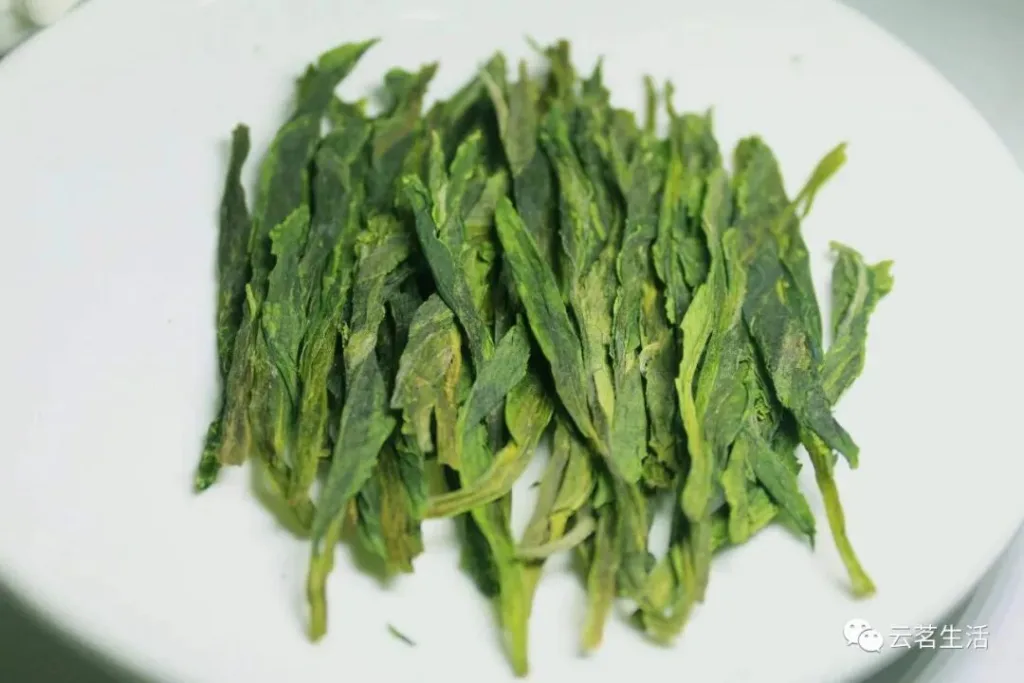
When green tea is boiled, the tea soup and tea leaves turn out red. What is going on? In fact, the change in the color of the tea soup alone cannot prove that green tea has turned into black tea. It only indicates that green tea is not suitable for boiling and is better brewed in a glass cup as usual. Green tea contains a lot of chlorophyll, which decomposes easily under the continuous high heat of boiling, causing the tea soup to darken and no longer appear as the light yellow-green color typically seen. At the same time, if the steaming and boiling time is too long, the tea soup is exposed to air for an extended period. Over time, the water-soluble pigments in the tea leaves continuously oxidize, causing the tea soup to change color and turn red. However, the change in color is only superficial.
Yellow Tea
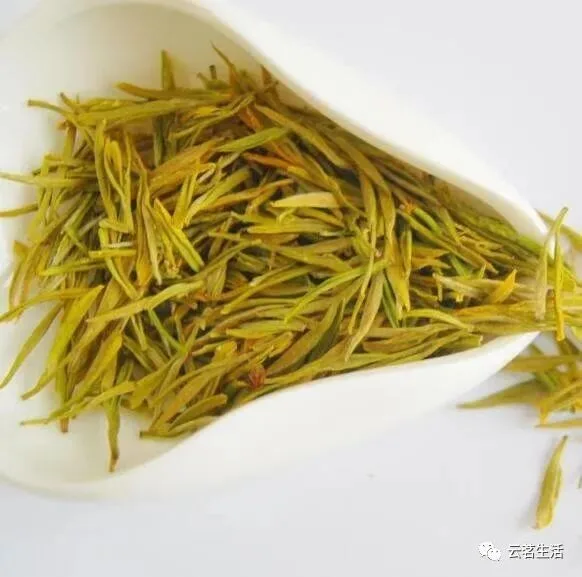
As for yellow tea, it is relatively niche within the tea community. Compared to green tea, the only difference in the production of yellow tea is the addition of a ‘sealed yellowing’ process. In terms of overall flavor, both green and yellow teas emphasize freshness, fragrance, and briskness. It is recommended to brew yellow tea in a cup rather than boiling it. If it is subjected to prolonged high-temperature boiling, not only is the tea likely to taste bitter and astringent, but it will also harm its fresh and fragrant qualities, making it not worth the effort.
Black Tea
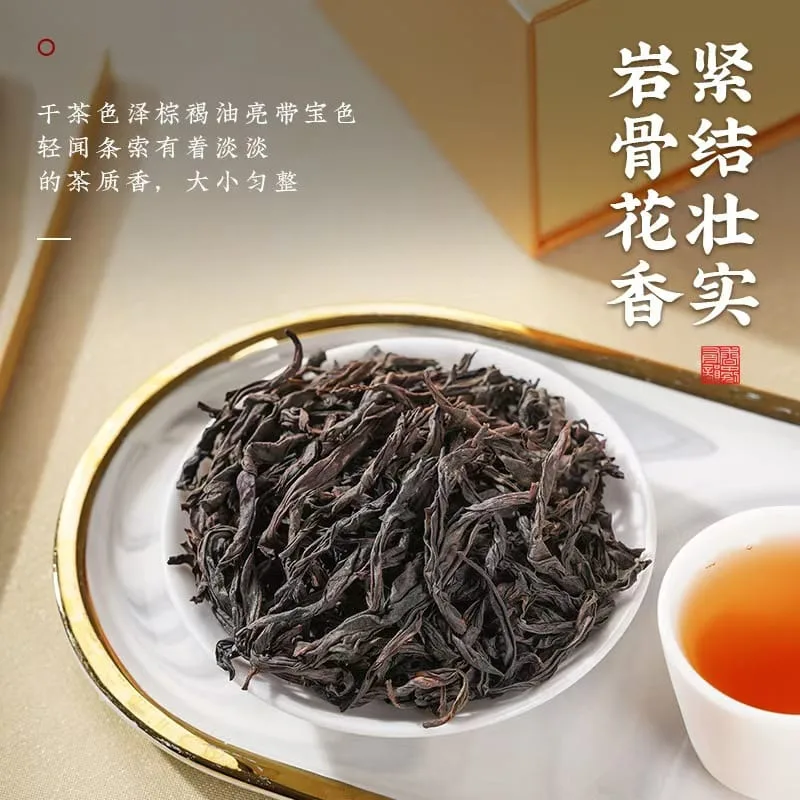
Speaking of black tea, everyone often thinks of various milk tea drinks on the market, which are made by brewing black tea and adding milk. From this perspective, brewing black tea seems perfectly fine. However, in traditional Chinese tea culture, boiling black tea is not recommended. Varieties such as Lapsang Souchong, Keemun, Dianhong, Chuanhong, Tanyang Gongfu, Jin Junmei, and Jiuqu Hongmei are better brewed using the gongfu tea method, with a gaiwan or teapot, brewing in multiple infusions. Pouring out the tea and then savoring it allows for a much better experience.As for new-style tea shops and milk tea shops, the black tea they boil for the base is mostly low- to mid-grade broken black tea. These broken teas often come in bagged form for convenient brewing. However, the convenience comes at the cost of quality; traditional tea drinkers do not favor it as it is difficult to brew a rich and mellow cup. From a tea-drinking perspective, adding various fruits, milk, oats, taro paste, and other ingredients to a pot of tea ultimately results in just a beverage. To truly enjoy the authentic taste of black tea, it is still best to brew it directly in a gaiwan, which allows you to appreciate the true character of good tea!
Which type of tea can be boiled?
White tea,
brewed in winter, especially aged white tea, is highly sought after in tea circles. When someone suggests it, many respond eagerly. If one says that white tea is not suitable for boiling, most people probably wouldn’t agree. However, this statement can hold true if a certain premise is added: not all white teas are suitable for boiling.
To brew a better-tasting tea, choosing aged white tea with several years of storage can produce a sweeter and milder flavor. New white teas, such as 2022 White Hair Silver Needle, 2022 White Peony, 2022 Spring Shoumei, and 2022 Autumn Equinox tea, are better brewed in a white porcelain gaiwan. Even when boiling tea, one should not rush. After being aged, white tea gradually becomes gentle in taste, and its internal compounds like tea polyphenols and caffeine transform into complexes, while the content of flavonoids increases over time, making it more suitable for boiling.
Pu-erh tea
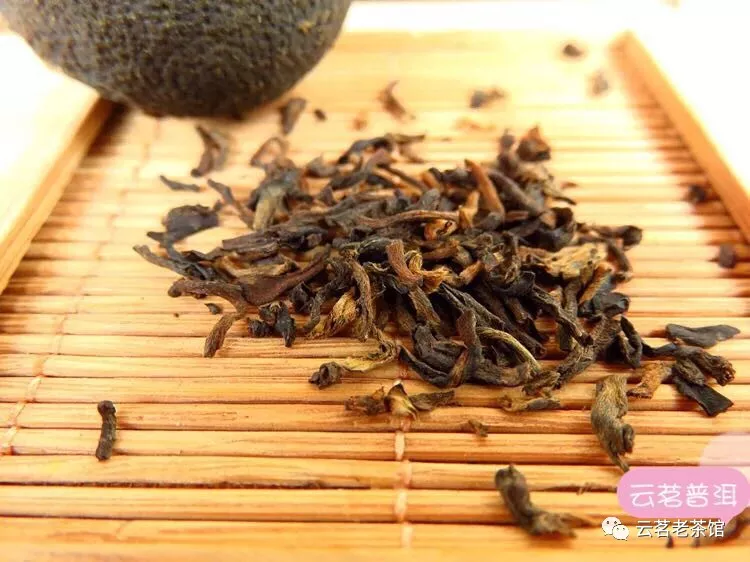
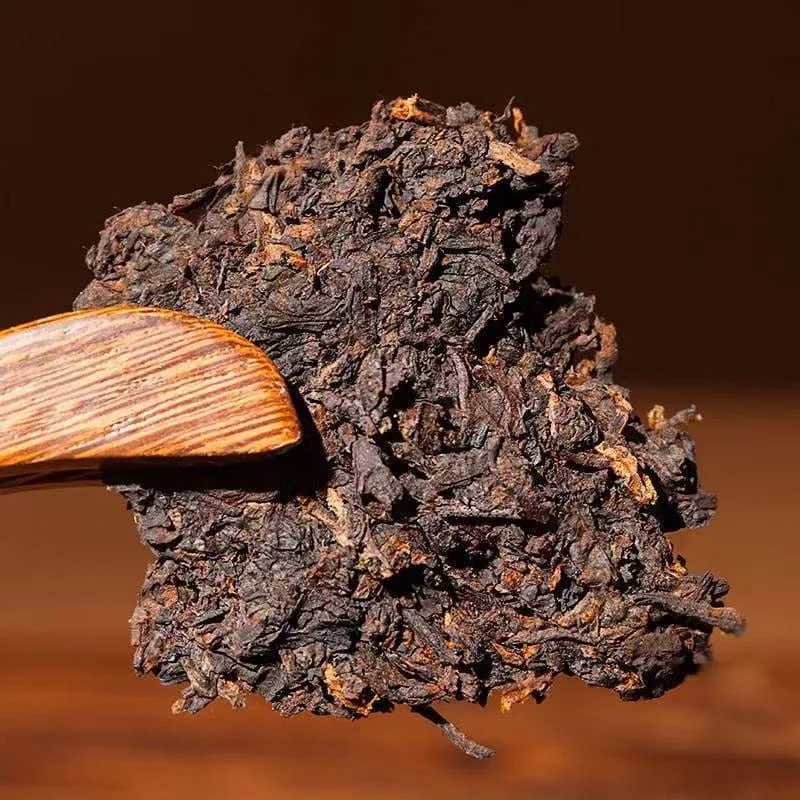
When it comes to boiling Pu-erh, ripe Pu-erh is more recommended. According to the processing method, Pu-erh tea is divided into raw Pu-erh and ripe Pu-erh.
When boiling tea, choosing ripe Pu-erh is more practical. Some compressed forms like tuocha, bricks, or cakes require considerable effort to break apart before brewing. The broken tea often comes out in small chunks or pieces.During infusion, it is difficult for the tea leaves to quickly open up and expand. For such tea, putting it into a boiling pot, adding water, and heating it until it boils is perfectly fine. After all, compared to raw Pu-erh, ripe tea is relatively mild and not easily bitter. In winter, brewing a pot of ripe Pu-erh for leisurely enjoyment is ideal. During a gathering with friends, having a pot of hot tea on hand for after the meal to aid digestion and relieve greasiness is a thoughtful gesture.
AYM Pu’er
Black Tea Puerh Tea is harvested directly from the source, supplied directly fro the tea plant to Europe, simple, easy to store and easier to brew.Coffee lovers will love YM’s tea!