
Scientific Tea Selection for a Healthy Lifestyle
Tea is a treasure of traditional Chinese culture and an indispensable beverage in the daily lives of many people. For the elderly, drinking tea properly not only allows them to enjoy its aroma but also promotes health and wellness. However, as the body’s functions gradually decline with age, digestive capabilities decrease, and the cardiovascular system, among others, faces more challenges, choosing the right tea and drinking it correctly becomes particularly important. The following provides a comprehensive guide for the elderly on healthy tea drinking, covering aspects such as tea selection and drinking precautions.
1. Recommended Tea Types for the Elderly
(a) Aged Yan Tea: Gentle on the Stomach, Aromatic with Age
Yan tea, after time has passed, becomes a favorite among many seasoned tea lovers. New Yan tea has a strong aroma and can be quite stimulating to the mouth and digestive system, making it unsuitable for the elderly. Aged Yan tea, however, mellows over the years, developing a gentle and smooth taste while significantly reducing its impact on the stomach and intestines. Its unique “rock base floral fragrance” remains, allowing the elderly to enjoy the aroma without burdening their digestive system. Additionally, aged Yan tea has a mild warming effect, making it suitable for those with weaker gastrointestinal functions. However, the market value of aged Yan tea is relatively high, so the elderly can choose according to their financial situation and don’t need to blindly pursue expensive old teas.
(b) Aged Pu’er Tea: Lowers Fat, Heart-Friendly, Mild and Palatable
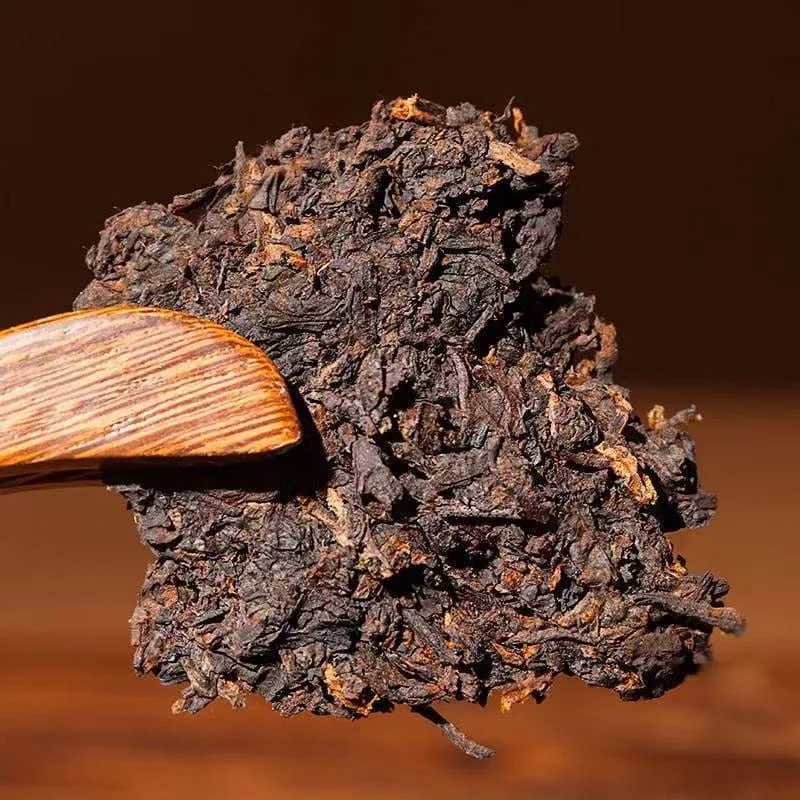
Pu’er tea is known as the “king of teas.” After more than ten years of storage, aged Pu’er loses its cold properties and becomes mild. It is rich in tea polyphenols, tea polysaccharides, and other components that can help lower cholesterol and triglycerides, aid in weight management, offer antioxidant benefits, and improve metabolism, making it highly beneficial for the cardiovascular health of the elderly. At the same time, aged Pu’er has a soft and mellow taste, giving a warm and comforting experience. When choosing aged Pu’er, it is recommended to prioritize ancient tree tea and pay attention to its crafting process and storage conditions to ensure high quality.
(c) Aged Liu Bao Tea: Dispels Dampness, Gentle on the Stomach, Suitable for Humid Environments
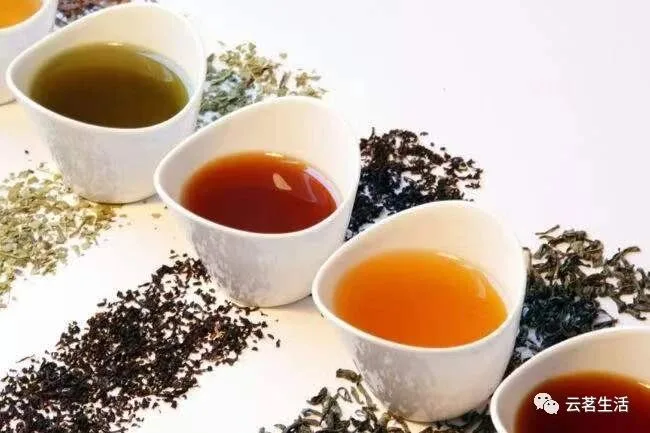
Liu Bao tea is characterized by its “red, rich, aged, mellow” qualities, with a bright red-brown tea liquor, aged fragrance, and notes of areca nut and floral-fruity aroma, offering a rich and pleasant taste. It has properties that dispel dampness and nourish the stomach. In seasons or areas with high rainfall and humidity, drinking aged Liu Bao tea can help alleviate discomfort caused by dampness, such as heaviness in the body and poor appetite. After many years of storage, aged Liu Bao becomes even richer and more beneficial for health. With a relatively affordable price, it is a good choice for the elderly for daily wellness.
(d) Aged Tibetan Tea: Lowers Fat, Antioxidant, High-Altitude Specialty
Tibetan tea mainly comes from Tibetan-producing areas such as Ya’an, including varieties like Kang brick tea and golden tip tea. It is rich in tea polyphenols, tea polysaccharides, and other beneficial components that can assist in lowering fat, weight management, antioxidant effects, and improving metabolism. It is suitable for drinking in high-altitude, low-oxygen environments and has positive effects on cardiovascular and metabolic health for the elderly. Aged Tibetan tea, after long storage, has a mild nature and a rich taste. Currently, it is relatively inexpensive with significant potential for value appreciation, so the elderly can collect and drink it in moderation according to their preferences.

(5) Black Tea: Warms the stomach and dispels cold, gentle and nourishing
Black tea is a fully fermented tea with a warm nature and is rich in theaflavins and thearubigins. It can warm the stomach, dispel cold, and promote digestion. For elderly people with weaker digestive functions or who are prone to stomach discomfort, black tea is a very friendly choice. On cold winter days, a cup of hot black tea can not only warm the body but also relieve stomach discomfort, bringing comfort to the elderly. Common black teas include Keemun and Dianhong, and the elderly can choose according to their taste preferences.
(6) Dark Tea: Aids digestion, lowers fat and protects blood vessels
Dark tea is also fully fermented and has a mild nature, with effects such as lowering fat and aiding digestion. Pu’er ripe tea and Liu Bao tea belong to this category. Long-term consumption can help reduce blood lipids and improve cardiovascular health. Its rich components can also regulate gut flora and promote digestion, making it suitable for elderly people with weakened digestive function. Elderly individuals can choose high-quality dark tea as a daily health beverage.
(7) Oolong Tea: Semi-fermented, mild and antioxidant
Oolong tea is semi-fermented and relatively mild, containing abundant tea polyphenols and other antioxidants, with certain effects of lowering fat, aiding weight loss, and anti-aging. Drinking oolong tea allows the elderly to enjoy its unique flavor while benefiting their health. However, the choice of oolong tea should pay attention to quality, avoiding overly strong or improperly fermented varieties that could irritate the stomach.

II. Tea Drinking Precautions and Considerations for the Elderly
(1) Avoid drinking strong tea
Strong tea contains high levels of caffeine and theobromine, which can stimulate the nervous system of the elderly, affect sleep quality, and even increase the burden on the heart. Therefore, older adults should drink light tea, which allows them to enjoy the aroma of tea while minimizing adverse effects on the body.
(2) Do not drink tea on an empty stomach
Drinking tea on an empty stomach can dilute stomach acid, affect digestive function, and may even cause discomfort such as stomach pain or nausea. Elderly people should drink tea half an hour to an hour after meals. Drinking tea at this time can aid digestion and avoid irritation to the gastrointestinal tract.
(3) Avoid drinking tea before bed
Caffeine in tea has a stimulating effect on the brain, and drinking tea before bed can cause insomnia, affecting the sleep quality of the elderly. Older adults should try to drink tea before the afternoon or early evening and avoid drinking tea within a few hours of bedtime to ensure adequate sleep.
(4) Choose tea according to physical condition
Different elderly people have different physical conditions, and the choice of tea should vary accordingly. For example, elders with insufficient qi and blood, pale complexion, or cold hands and feet can choose herbal teas such as red date, longan, and goji berry tea to replenish qi and blood. Elderly women with cold uterine conditions or menstrual pain may drink moderate amounts of Angelica, ginger, and brown sugar tea, but pregnant women and those with yin deficiency and excessive internal heat should avoid it. Elderly people with high blood lipids or cardiovascular issues are more suited to old Pu-erh tea or aged Liubao tea to help regulate blood lipids and protect the heart.
(5) Pay attention to tea quality and brewing methods
Elders should choose high-quality, uncontaminated tea, and avoid low-quality or improperly stored tea. When brewing, the water temperature and brewing time should be adjusted according to the type of tea to fully release its aroma and nutrients while avoiding a bitter taste. For example, black and dark teas can be brewed with boiling water, while more delicate oolong teas require slightly lower water temperatures.
In conclusion, the primary principle for elderly people drinking tea is health. By selecting the right tea, mastering proper drinking methods, and avoiding contraindications, older adults can enjoy the aroma of tea while gaining health benefits and happiness, and enjoy a wonderful later life.
Wholesale of Loose-Leaf Tea
Black Tea Puerh Tea is harvested directly from the source, supplied directly fro the tea plant to Europe, simple, easy to store and easier to brew.Coffee lovers will love YM’s tea!