

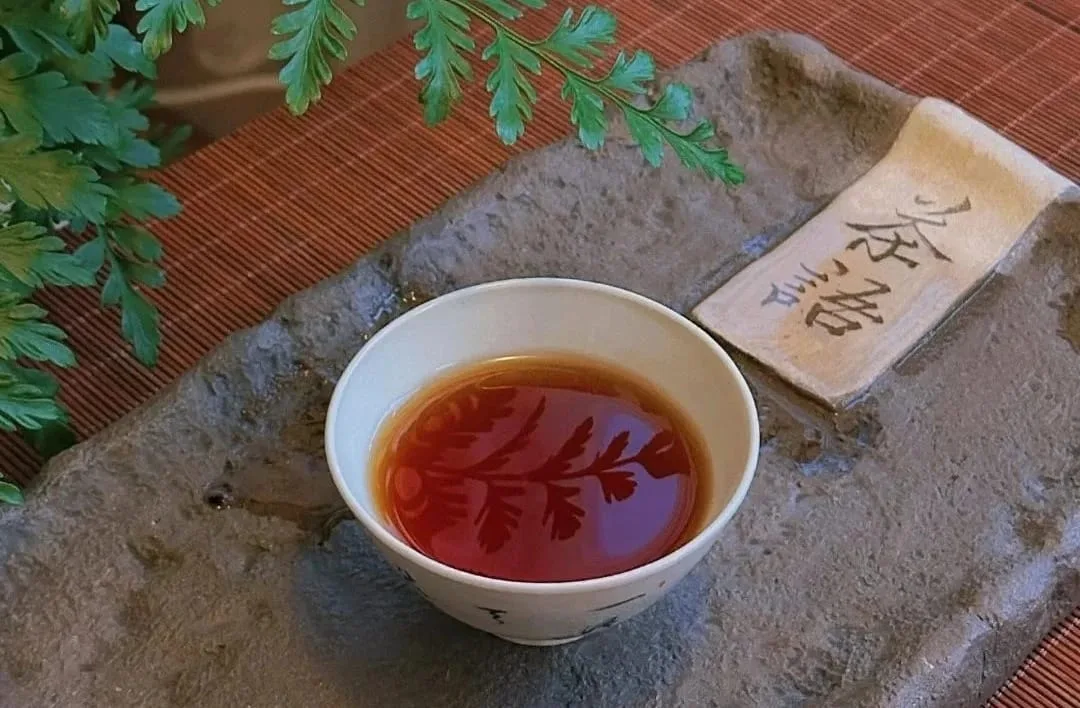
Drinking tea is not only a traditional dietary culture, but also, because tea contains various antioxidants and antioxidant nutrients, it has certain effects on eliminating free radicals. Therefore, drinking tea also helps prevent aging and has health-preserving benefits; drinking two to three cups of tea a day can help slow down aging. Tea contains various vitamins and amino acids, and drinking tea can also help reduce greasiness, enhance nervous system stimulation, aid digestion, and promote diuresis. However, it is not better to drink more, and not everyone is suitable for drinking tea. In general, drinking tea once or twice a day, with 3-5 grams of tea per 400 milliliters of water each time, is relatively appropriate. Generally speaking, when people talk about drinking tea, they also mean drinking water.
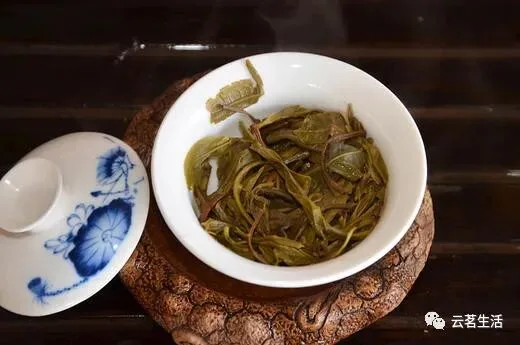
Tea Etiquette –
The environment for drinking tea should be quiet, elegant, clean, and comfortable, giving people a sense of ease and relaxation.
The choice of tea should vary depending on the person. For example, people in northern China prefer aromatic teas, those in Jiangsu and Zhejiang enjoy light and fragrant green teas, while people in Fujian and Guangdong like strong oolong or Pu’er teas. Tea sets can be exquisite and unique, or simple and rustic.
In modern society, serving tea to guests has become a common courtesy in daily social interactions and family life.
Tea should be served about three-quarters full. When serving tea, note that the cup should not be overfilled; eight-tenths full is ideal. Water should not be too hot to avoid scalding the guest. When there are two or more visitors, the tea on the tray should have an even color, with the left hand supporting the bottom of the tray and the right hand holding the edge. If there are snacks, place them in front of the guest on the right, with the teacup to the right of the snacks. When serving tea, hold the cup with your right hand, offer it from the right side of the guest, and smile while maintaining eye contact.
When serving coffee or black tea, make sure the cup handle and spoon handle face the guest’s right. Additionally, prepare a packet of sugar and creamer for each guest and place it beside the cup or on a small saucer for easy access.
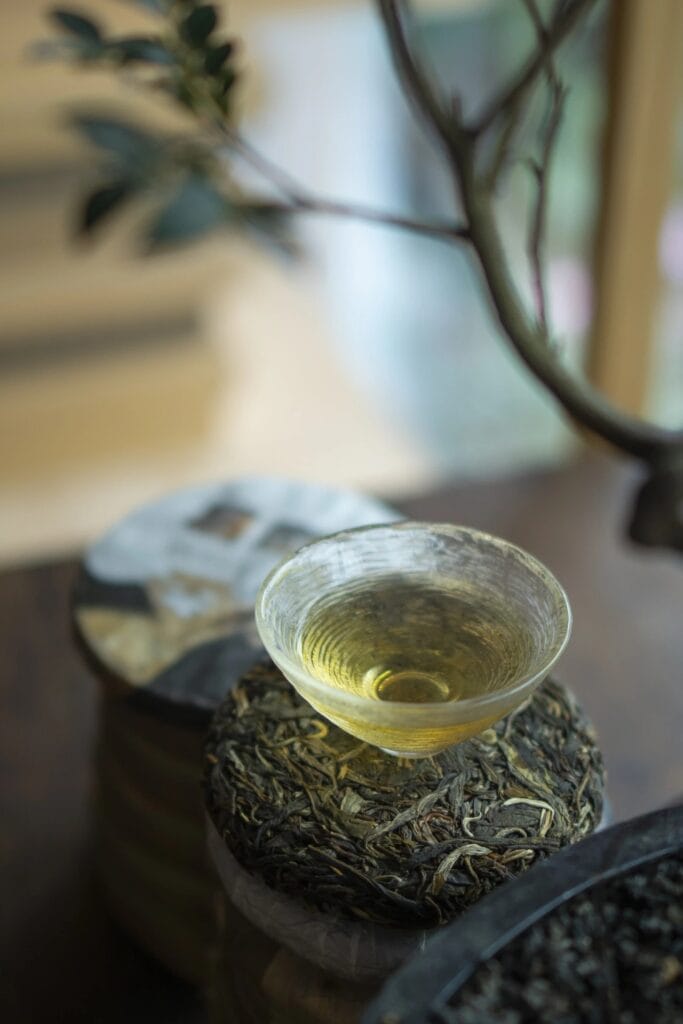
Tea Drinking Etiquette –
Seasonal Tea Drinking
Tea drinking differs with the seasons: in spring, flower tea; in summer, green tea; in autumn, oolong tea; in winter, black tea.
Spring: Flower Tea
Drinking flower tea in spring can help alleviate the negative effects of spring fatigue. Flower tea is sweet and cool with a fragrant, pungent aroma, which helps disperse the winter cold accumulated in the body and promotes the rise of yang energy, making people feel refreshed and revitalized, naturally dispelling ‘spring fatigue.’
Summer: Green Tea
During the hot summer, under the scorching sun, people sweat profusely, lose a lot of energy, and may feel lethargic. At this time, drinking green tea is ideal. Green tea is an unfermented tea with a cool nature, which can clear heat, reduce internal fire, promote saliva production, quench thirst, aid digestion, help break down phlegm, and may accelerate healing of oral issues and mild gastric ulcers.
Autumn: Oolong Tea
In autumn, the sky is high and clear, the golden wind is brisk, flowers and plants wither, and the dry climate causes dry mouth and cracked lips, known in traditional Chinese medicine as ‘autumn dryness.’ During this time, oolong tea is recommended. Oolong tea, also called blue tea, is semi-fermented, lying between green and black tea.
Winter: Black Tea
In winter, when the weather is cold and everything hibernates, cold pathogens attack, and bodily functions decline with waning yang energy, traditional Chinese medicine states: ‘In the cold of winter, all living things close their vitality, and the body’s physiological activities are suppressed. The way of nurturing health lies in keeping warm and resisting the cold.’ Therefore, black tea is considered the best choice for winter drinking.
Moderation in Tea Drinking
Tea drinking should be moderate, with 2–6 grams consumed daily. Although tea contains various vitamins and amino acids and can help reduce grease, refresh the mind, aid digestion, and promote diuresis, drinking excessively is not better, nor is tea suitable for everyone.

Benefits of Drinking Tea –
(1) Refreshes the mind, strengthens the brain, enhances memory, and slows aging.
(2) Stimulates the central nervous system, strengthens the body, and promotes longevity.
(3) Stimulates gastric juice secretion, improves appetite, and eliminates bad breath.
(4) Breaks down neutral fats, nourishes the skin, and aids in weight loss and beauty.
(5) Drinking a cup of tea before alcohol helps break down alcohol and prevents hangovers.
(6) Promotes metabolism, relieves fatigue, and boosts immunity.
(7) Protects normal vision, clears heat in the body, and brightens the eyes.
(8) Protects gums, strengthens teeth, and prevents cavities.
(9) Inhibits cellular mutations, regulates bodily functions, and has anti-cancer effects.
(10) Treats exposure to radiation, protects hematopoietic functions, and increases white blood cell count.
(11) Lowers cholesterol and blood lipid levels, and helps prevent cardiovascular diseases such as arteriosclerosis, hypertension, and cerebral thrombosis.
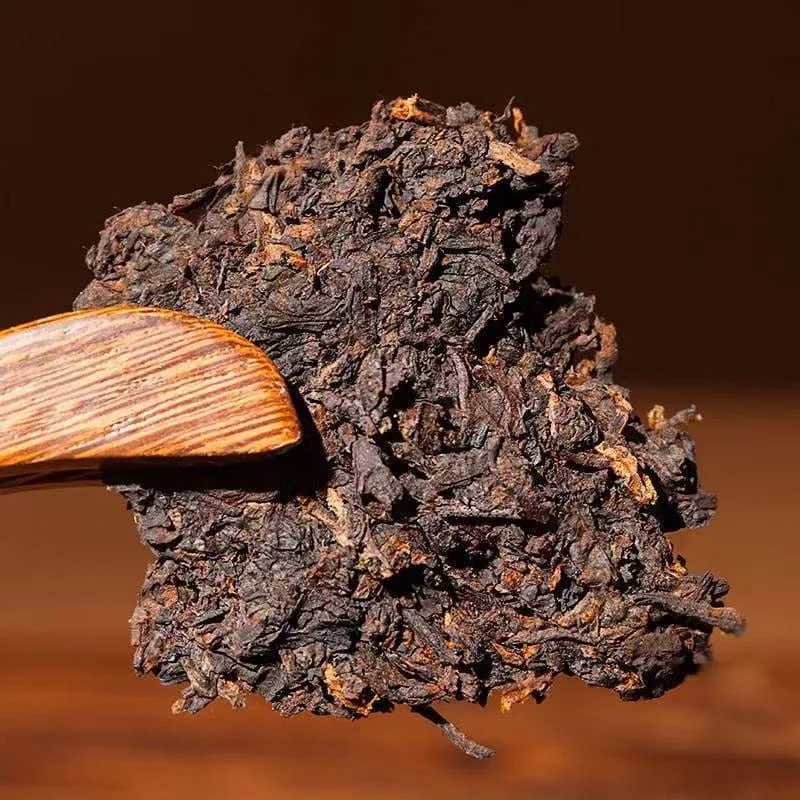
Wholesale of Loose-Leaf Tea
Black Tea Puerh Tea is harvested directly from the source, supplied directly fro the tea plant to Europe, simple, easy to store and easier to brew.Coffee lovers will love YM’s tea!