


Six Types of Tea with Six Different Temperaments
Many people drink tea regularly, and tea has its own temperament. Some teas are youthful and exuberant, some are mature and restrained, and some are calm and cheerful with a serene outlook on life. Just like people, tea has its own personality, and you should enjoy it as it is…
Green Tea: The Freshness of the Year Lies in Spring
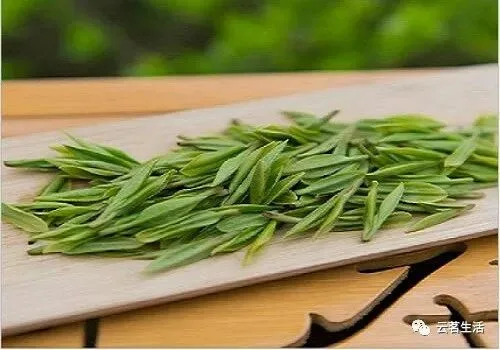
Green tea is a non-fermented tea with clear brew and green leaves, emphasizing the quality of “freshness.”
Every year during the Qingming and Rain Water periods is the season for green tea to hit the market. After a quiet winter, the vibrant freshness and liveliness are all captured in the leaves. Green tea requires high standards of storage. Generally, the more tender the leaves, the more they should be kept in the refrigerator; if stored improperly, they may start to yellow and lose flavor in 2 to 3 months. Some slightly older leaves can be stored at room temperature, but if you want to enjoy the fresh taste and unique aromas of beans and chestnuts that green tea offers, it’s best to consume it as soon as possible!
Yellow Tea: A Close Relative of Green Tea
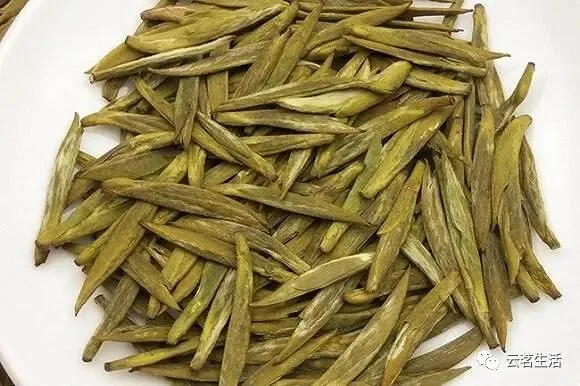
The production process of yellow tea is similar to that of green tea, with the addition of a yellowing step. Because the yellowing process is complicated and time-consuming, combined with the small production areas and limited audience, yellow tea tends to be more expensive and has the lowest profile on the market, often going unnoticed. Like green tea, yellow tea is best enjoyed in the year it is produced to fully appreciate its qualities. Its shelf life is not significantly extended by the yellowing process, lasting about a year and a half, give or take, except for pressed yellow tea.
White Tea: The Older, the More Medicinal
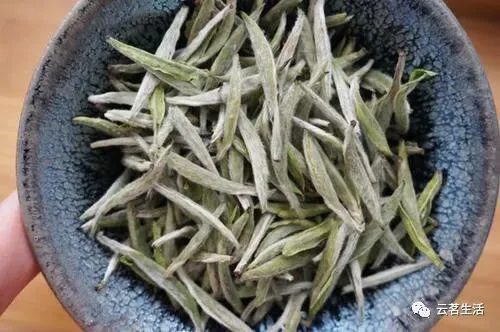
White tea is lightly fermented; it is neither pan-fried nor rolled, only sun-dried or gently dried over low heat, simple and pure like a young child.
New white tea of the year tends to be cool in nature. In the summer, it feels like an ice-cold spring; if aged for a certain number of years, its nature turns warm, the taste becomes mellow, and its medicinal properties become more pronounced. The saying ‘one-year tea, three-year medicine, seven-year treasure’ is not just an empty claim. For people with a constitution like mine, drinking some aged white tea when experiencing heat-related oral ulcers works exceptionally well. Boiling a pot of aged white tea with friends in the winter is simply delightful.
Oolong Tea: Too Fresh, Too Harsh
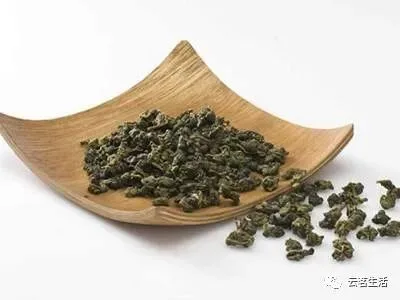
Oolong tea is a semi-fermented tea, lying between green tea and black tea, known for its rich aroma.
During the production of oolong tea, roasting is required. New tea should not be consumed immediately; it should be left for at least two months. After the roasting aroma subsides, the flavor improves and the tea’s inherent fragrance becomes more pronounced.
Oolong tea that has not been roasted or has been lightly roasted (such as the lightly aromatic Tieguanyin) has a relatively short shelf life, lasting about 18 months if stored in the refrigerator. Tea that has undergone medium or high roasting can still be consumed after two years. Wuyi rock tea is representative of oolong teas that are suitable for long-term storage. It should be noted that due to improper storage or light roasting, rock tea may ‘regreen’ over time, affecting the drinking experience.
Black Tea: Loses Aroma Over Time
Black tea is fully fermented, meaning all the active substances in the leaves have been oxidized and there is no further transformation possible.
Freshly made black tea has a better aroma, but its taste is not as mellow and smooth. If stored for a year before drinking, the aroma becomes more elegant, and the tea soup turns softer, milder, and smoother.
Black tea has a relatively long shelf life and can be kept for more than 2 years. Over time, aged black tea loses its fresh fragrance and smells faint, but the taste becomes smoother and more mellow.
Dark tea and Pu-erh tea: the older, the more fragrant
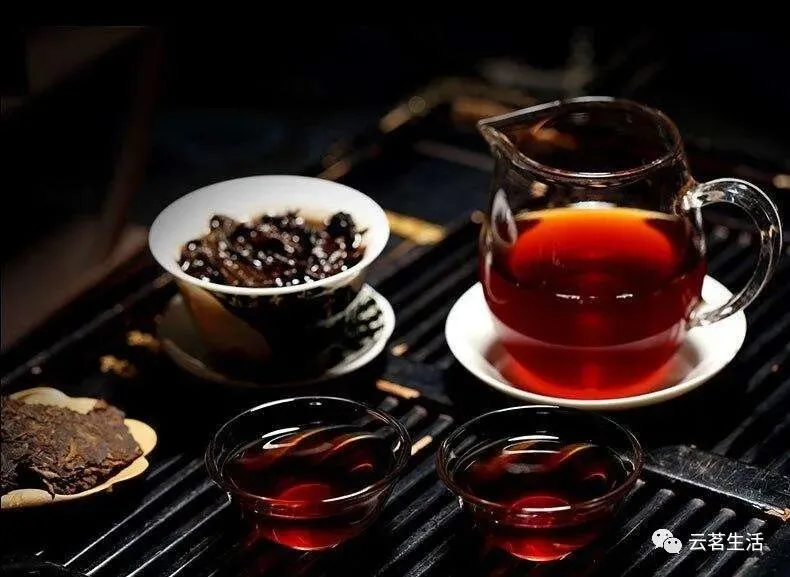
Both dark tea and Pu-erh are post-fermented teas. When stored in a clean, moisture-proof, and odor-free environment, they can be preserved for a long time, becoming more fragrant as they age, with endless potential.
Tea that increases in value over time inherently has high-quality leaves that can withstand the test of time. If it is gold, it will always shine; if it is trash, no matter how long it ages, it remains worthless leaves. Aged Pu-erh has even set record prices exceeding tens of millions of yuan at auctions. For such antique-level old Pu-erh, the more important aspect is its historical and cultural significance. As for the experience of drinking it, that remains uncertain.
Wholesale of Loose-Leaf Tea
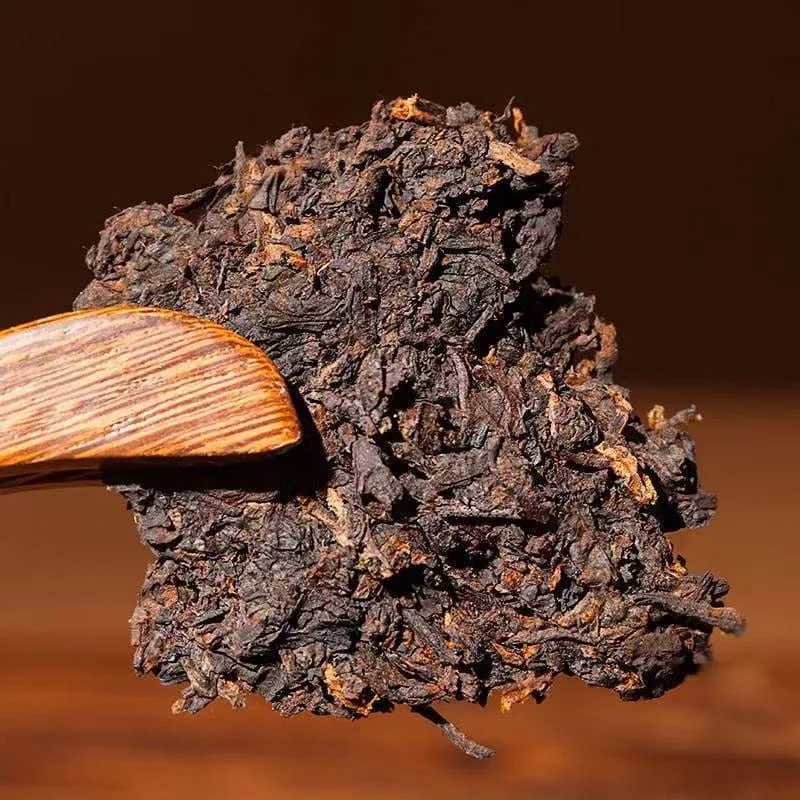
Black Tea Puerh Tea is harvested directly from the source, supplied directly fro the tea plant to Europe, simple, easy to store and easier to brew.Coffee lovers will love YM’s tea!